Behavior
What are Bulldog (English) skin allergies quick tips?
To manage Bulldog (English) skin allergies, keep their environment clean, bathe them with hypoallergenic shampoo, and consult your vet for specific dietary recommendations.

Quick answer
What are Bulldog (English) skin allergies quick tips?
To manage Bulldog (English) skin allergies, keep their environment clean, bathe them with hypoallergenic shampoo, and consult your vet for specific dietary recommendations.
Bulldog (English) skin allergies can lead to itching, irritation, and even infections. These issues are more than just a nuisance; they can seriously impact your dog's quality of life.
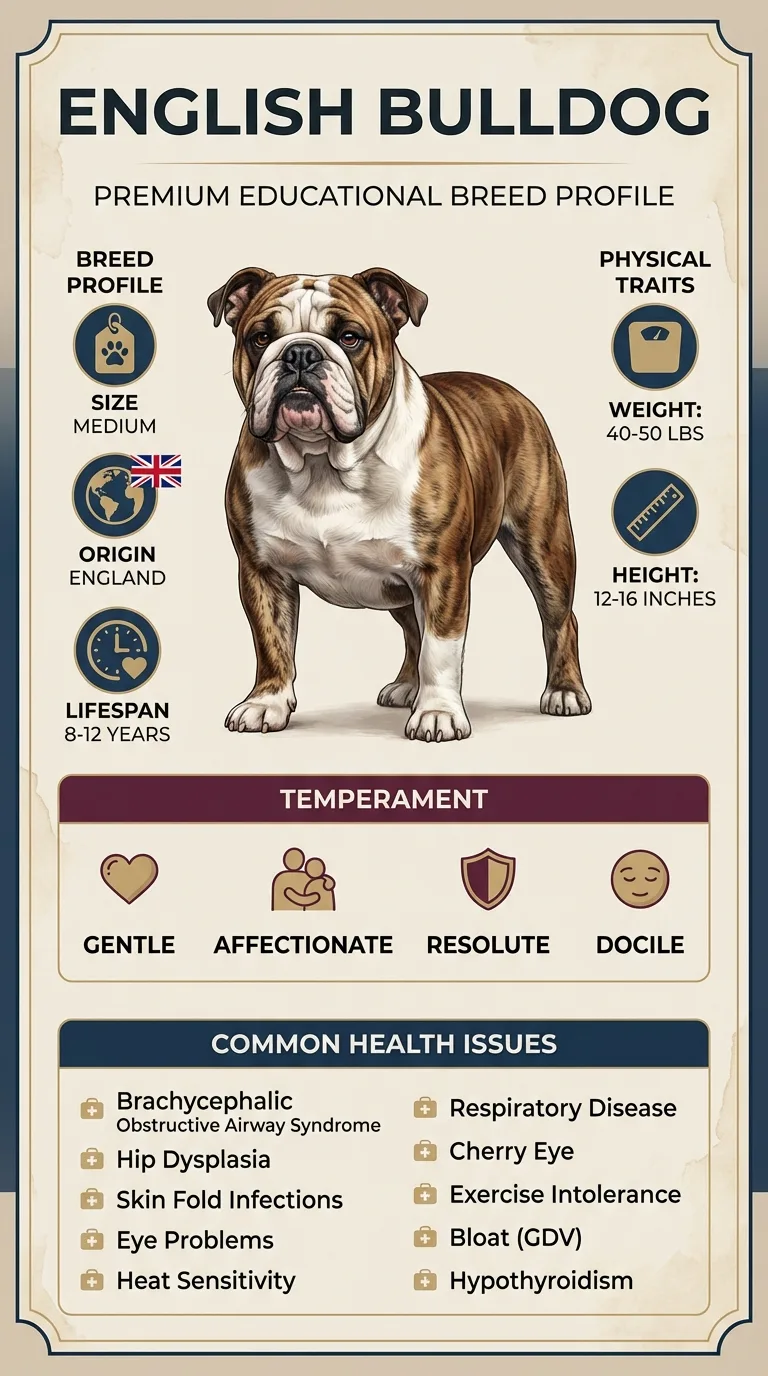
Owners of Bulldogs may find themselves dealing with frequent scratching, skin rashes, or hot spots. This is especially common among first-time dog owners who may not know how to prevent or alleviate these problems.
This guide is not medical advice. If your dog shows pain, sudden behavior change, or worsening symptoms, consult a licensed veterinarian.
Some links may be affiliate links. We may earn a commission at no extra cost to you. We only suggest products we believe are helpful for dog owners.
We research and check what we publish, but we do not warrant that any figure, date, price, or statement is accurate, complete, or current, and we accept no liability for any loss, cost, injury, or other harm arising from the use of this site. Use it as one reference among several. You remain responsible for your own decisions and for your dog's care - confirm anything that matters with a licensed veterinarian or another qualified professional before you act on it. Full disclaimer.
Check this first
Understanding when Bulldog (English) skin allergies are a serious issue can help keep your pup safe. There are red-flag signs that indicate you should call your vet immediately. These include severe itching that leads to constant scratching, swelling, or hot spots on the skin.
If your dog is experiencing difficulty breathing, vomiting, or signs of a severe allergic reaction, such as hives or facial swelling, it's crucial to seek veterinary help without delay.
On the other hand, some cases of skin allergies can be monitored at home. If your Bulldog has mild itching or occasional redness without swelling or other severe symptoms, keep an eye on it. You can try over-the-counter remedies designed for dogs, but always consult your vet before starting any treatment.
Ensuring your dog is comfortable and not in distress can help you manage these minor issues effectively.
If any of these apply, call your vet or an emergency clinic now. The rest of this page is for the cases that are not an emergency.
Bulldog (English) skin allergies are a frustrating issue for many owners. These allergies often manifest as itching, irritation, and even secondary infections. Daily life can be challenging as dogs may scratch or bite at their skin, leading to further irritation and discomfort.
Skin allergies are quite common in Bulldogs, affecting a significant number of them throughout their lives. Many owners report dealing with this issue at some point, making it essential to understand the triggers and management strategies.
Bulldogs have unique physical traits that can contribute to skin allergies. Their short, smooth coats can trap dirt and allergens close to the skin. Additionally, their skin folds can create a warm, moist environment where bacteria and yeast thrive, leading to infections.
Environmental factors play a significant role in Bulldog skin allergies. Common allergens include pollen, dust mites, and certain foods. If your Bulldog is frequently exposed to these irritants, it may develop itchy, inflamed skin.
If at-home remedies do not improve your Bulldog's skin allergies, it’s essential to consult a vet. They can diagnose underlying issues and may recommend medications or special treatments to help manage the condition.
Many Bulldog (English) owners unknowingly reinforce skin allergies with common mistakes. Here are some behaviors to avoid, along with safer alternatives.
Start here: English Bulldog Most Common Genetic Disorders: Screening
See all Bulldog health problems, which breeds are prone to skin allergies, or the full Bulldog breed guide for temperament, exercise needs and ownership costs.
You can expect to see noticeable improvements in your Bulldog's skin condition within 4 to 6 weeks after starting a tailored treatment plan.
Success means your Bulldog's skin allergies are under control, resulting in less itching, fewer infections, and a happier pup overall.
Sarah, a first-time Bulldog owner, noticed her dog, Max, constantly scratching and developing red patches on his skin. After a visit to the vet, they identified environmental allergens and a need for a specialized diet. Sarah followed a strict routine of bathing Max with medicated shampoo and switched his food to a hypoallergenic brand. Within a month, Max’s skin improved significantly, and he was more comfortable and playful.
Key takeaway: With the right diet and care, managing Bulldog (English) skin allergies is possible and can greatly improve your dog's quality of life.
Bulldogs can develop skin allergies due to various triggers, including food, pollen, dust mites, or flea bites. Their sensitive skin can react strongly, leading to itching and irritation. Identifying the specific allergen is crucial for effective treatment.
To manage Bulldog (English) skin allergies, start by consulting your vet for diagnosis and potential allergen tests. Treatment may involve changing their diet, using hypoallergenic products, or administering medication like antihistamines or corticosteroids.
Common signs include excessive scratching, redness, swelling, and hair loss. You may also notice skin infections or hot spots from constant irritation. If you observe these symptoms, it's essential to seek veterinary advice.
Yes, some Bulldogs are predisposed to skin allergies due to their genetics. This breed is known for having sensitive skin, making them more susceptible to allergic reactions. Responsible breeding practices can help reduce the prevalence of these issues.
To provide comfort, keep your Bulldog's environment clean and free of allergens. Regular baths with gentle, hypoallergenic shampoo can soothe irritated skin. Additionally, consider using an anti-itch spray recommended by your vet.
Common triggers for Bulldog (English) skin allergies include pollen, dust mites, certain foods, and flea bites. Identifying these allergens can help you manage and prevent flare-ups.
Signs of a severe allergic reaction in your Bulldog (English) can include intense itching, swelling, difficulty breathing, or excessive lethargy. If you notice these symptoms, it's crucial to contact your vet immediately.
Yes, Bulldog (English) skin allergies can become more common as dogs age. Older Bulldogs may develop sensitivities that weren't present when they were younger, making regular vet check-ups important.
In some cases, Bulldog (English) skin allergies can be managed through lifestyle changes, such as a hypoallergenic diet and regular cleaning to reduce allergens at home. However, it's best to consult with your vet for a tailored plan.
Winter can exacerbate skin allergies in Bulldogs (English) due to indoor heating and dry air, which can lead to dry skin and irritation. Regular moisturizing and maintaining humidity can help alleviate these issues.
To manage Bulldog (English) skin allergies, keep their environment clean, bathe them with hypoallergenic shampoo, and consult your vet for specific dietary recommendations.
A limited-ingredient diet or a hypoallergenic dog food can help reduce allergic reactions in Bulldogs. Consult your vet to find the right option for your dog.
Bathing your Bulldog once every 4-6 weeks with a gentle shampoo can help manage skin allergies. Over-bathing can strip natural oils, so balance is key.
Yes, Bulldogs can still exercise but should avoid allergens during walks. Make sure to choose paths away from pollen and other potential irritants.
A one-page prep sheet for this condition: the signs, the questions to ask, what to get priced. Unlocks here.
You get: Vet visit prep sheet
No spam. One-click unsubscribe. See our privacy policy.
Preview page 1 before you decide.