Behavior
What are quick tips for Bulldog (English) progressive retinal atrophy (pra-rcd3)?
Keep your home well-lit and clear of obstacles to assist your Bulldog in navigating safely. Consider using tactile cues or sounds to help guide them.
Bulldog (English) progressive retinal atrophy (PRA-RCD3) is a serious condition that leads to vision loss in dogs. This gradual deterioration of the retina can significantly affect your pet's quality of life.
Typically, Bulldog owners who face this challenge include those with senior dogs or pets with a family history of eye problems. These dedicated owners want to ensure their furry friends remain happy and safe despite the challenges of vision loss.
This guide is not medical advice. If your dog shows pain, sudden behavior change, or worsening symptoms, consult a licensed veterinarian.
Some links may be affiliate links. We may earn a commission at no extra cost to you. We only suggest products we believe are helpful for dog owners.
Bulldog (English) progressive retinal atrophy (pra-rcd3) is a degenerative eye condition that leads to gradual vision loss. This can manifest as difficulty navigating familiar spaces, hesitance to explore, and increased reliance on smell over sight. Owners may notice their Bulldog bumping into furniture or struggling to find toys, especially in low-light conditions.
This condition is relatively common in Bulldogs, with studies showing a significant percentage of this breed may develop some form of progressive retinal atrophy by the age of 8. While not every Bulldog will experience this issue, it's important for owners to be aware of the signs and monitor their dog's vision.
Bulldogs (English) are prone to genetic conditions like progressive retinal atrophy (PRA-rcd3). This inherited disease affects the retina, leading to gradual vision loss. If your Bulldog has a family history of eye issues, they may be at higher risk.
While genetics play a big role, environmental factors can also contribute. Poor nutrition, lack of proper eye care, and even exposure to harmful substances can exacerbate existing eye problems. Keeping your Bulldog healthy can help manage their overall eye health.
If your Bulldog is struggling with anxiety related to vision loss, a trainer experienced with dogs facing behavioral changes can help. They can teach alternative ways to navigate and reduce panic during stressful situations.
It's essential to consult a vet if you suspect your Bulldog is developing PRA-rcd3. They can perform a thorough eye examination and discuss potential treatment options. Regular check-ups are crucial for monitoring their eye health.
Managing Bulldog (English) progressive retinal atrophy (pra-rcd3) typically takes several months. Initial adjustments and training may need 2-3 months, while ongoing support can last years.
Success means your Bulldog adapts well to vision loss, navigates familiar spaces confidently, and enjoys a good quality of life. Training should lead to effective verbal cues and environmental adjustments.
Avoiding these common mistakes can help manage your Bulldog's progressive retinal atrophy (PRA-rcd3) more effectively.
Recognizing when Bulldog (English) progressive retinal atrophy (PRA-rcd3) is an emergency can be challenging. Some signs indicate that immediate veterinary attention is necessary, while others may allow for monitoring at home. Knowing the difference can ensure your pet's safety and well-being.
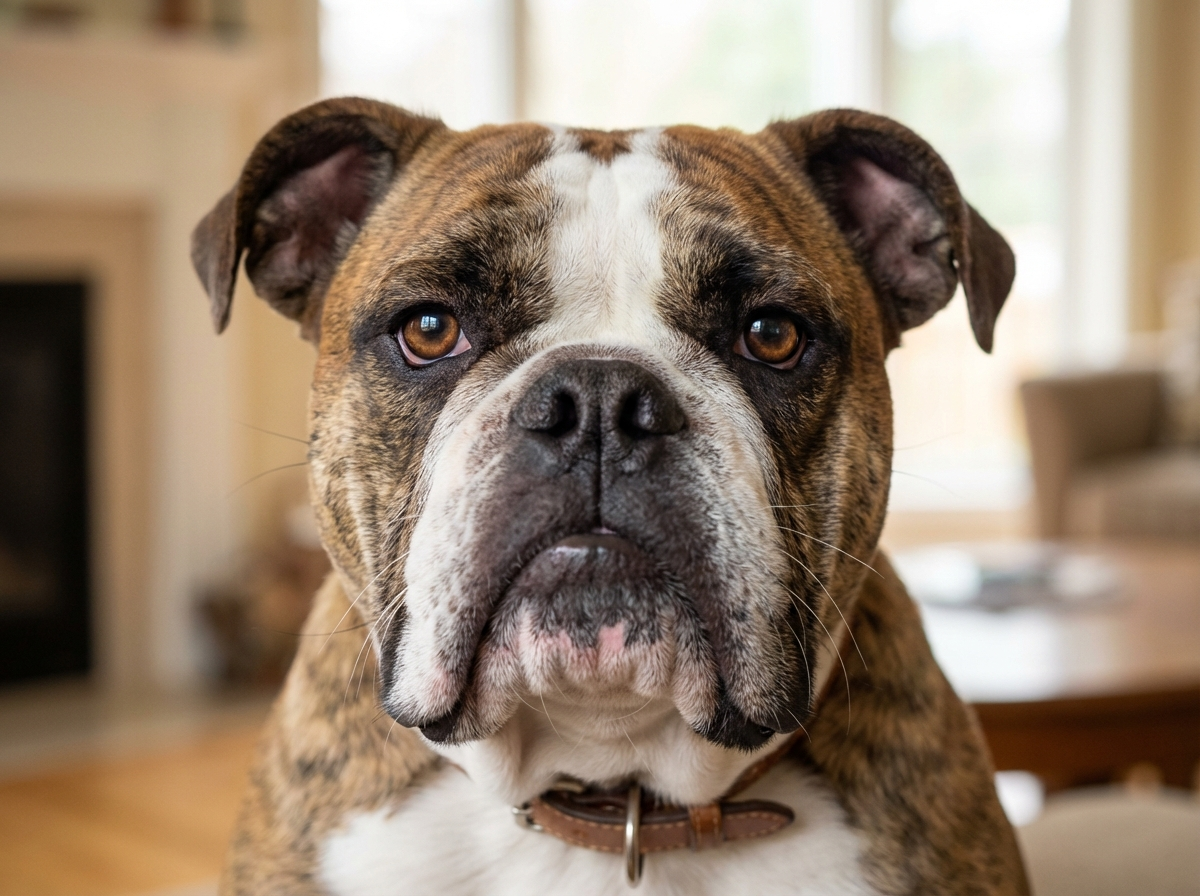
If your Bulldog shows any of the following symptoms, it's crucial to call your vet immediately: - Sudden vision loss or blindness - Disorientation or confusion in familiar environments - Difficulty navigating stairs or obstacles - Excessive bumping into furniture or walls - Signs of pain or discomfort around the eyes
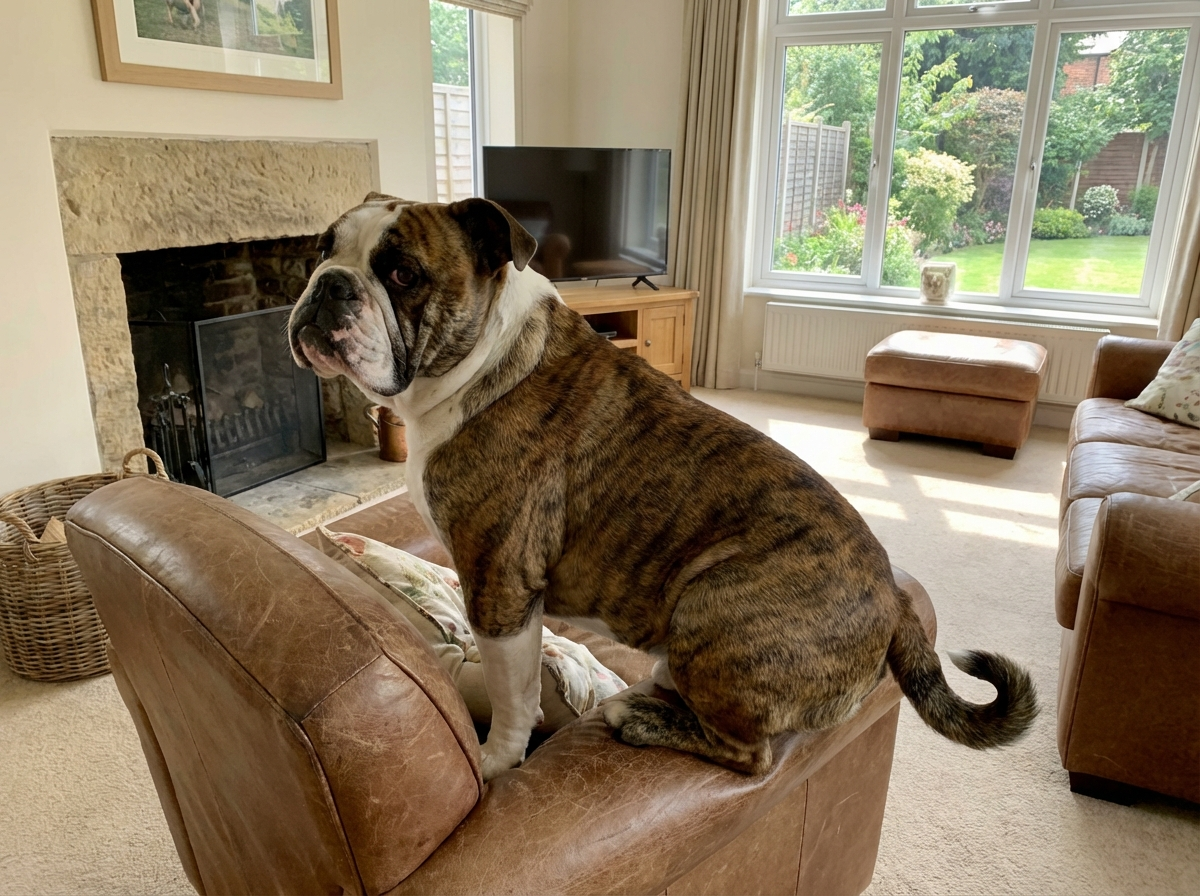
In less severe cases, you can monitor your Bulldog at home. Watch for these signs: - Gradual decline in vision over time - Occasional bumping into objects - Changes in behavior, like hesitance in new situations - Mild eye discharge or irritation without other symptoms
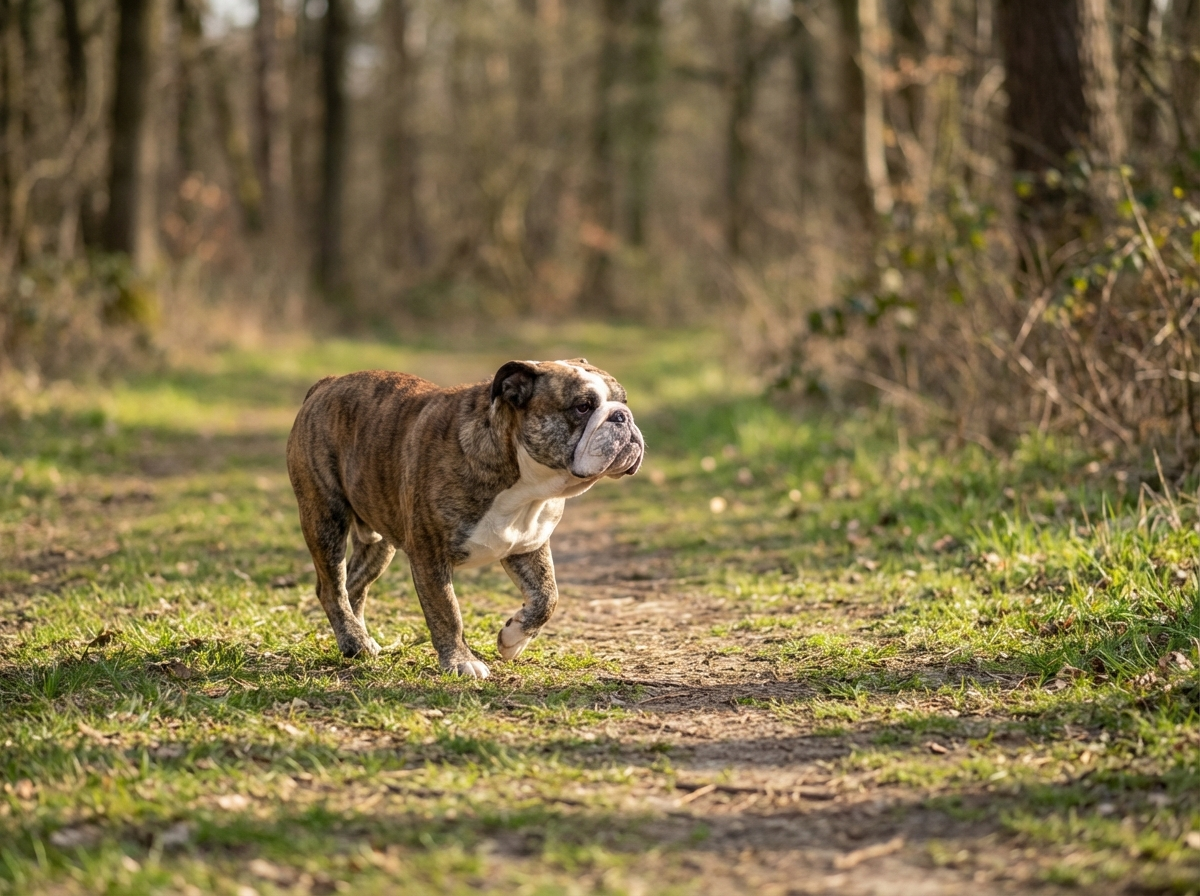
If your Bulldog falls into the mild category, develop a monitoring plan. Schedule regular vet check-ups to track vision changes. Keep a diary of any behavioral changes to discuss during visits, ensuring you stay proactive in managing their care.
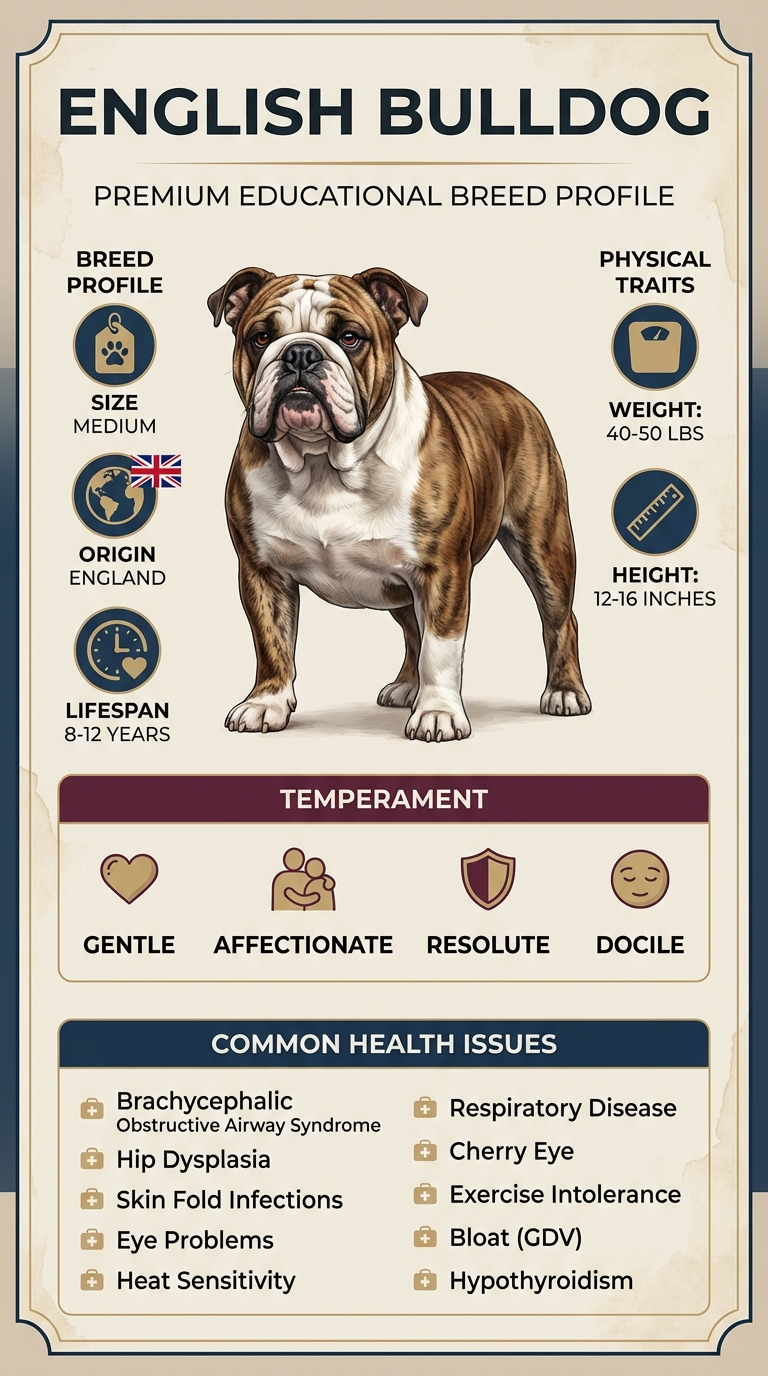
Laura, a busy nurse in Chicago, noticed her Bulldog, Bella, was bumping into furniture and hesitating during walks. After a vet visit, she learned Bella had progressive retinal atrophy (pra-rcd3). Feeling overwhelmed, Laura joined a local dog support group and learned effective training techniques. She started using verbal commands and created a safe, familiar environment for Bella. Within months, Bella improved significantly, confidently moving around the home and enjoying outdoor adventures.
Key takeaway: With patience, proper training, and a supportive environment, Bulldogs with progressive retinal atrophy can thrive despite their challenges.
Progressive retinal atrophy (pra-rcd3) is a genetic condition that causes vision loss in Bulldogs. It is inherited and can affect their quality of life. Regular veterinary check-ups can help monitor for early signs of this condition.
Managing your Bulldog's condition involves creating a safe environment. Use consistent pathways and avoid moving furniture to help them navigate. Training your dog to respond to commands can also help them adjust.
Early signs include difficulty seeing in low light, bumping into objects, and changes in behavior. If you notice these signs, consult your veterinarian for a proper diagnosis and management options.
Currently, there is no cure for progressive retinal atrophy (pra-rcd3). Treatment focuses on managing symptoms and helping your dog adapt to vision loss. Regular veterinary care is crucial for monitoring their health.
If diagnosed, work closely with your vet to create a care plan. Focus on enhancing your dog's quality of life through a safe home environment and possibly using training methods to help them adjust.
To help your Bulldog, keep their environment clutter-free and use consistent cues for movement. Engaging in gentle training can also help them learn to navigate their space more easily.
Yes, progressive retinal atrophy (pra-rcd3) is relatively common in Bulldogs due to their genetic predisposition. Being aware of this condition can help you prepare for its potential impact on your dog's life.
Early signs of Bulldog (English) progressive retinal atrophy (pra-rcd3) include difficulty seeing in low light, bumping into objects, or hesitance in unfamiliar environments. If you notice any of these changes, it's essential to consult your vet for a proper assessment.
Currently, there is no known way to prevent progressive retinal atrophy (pra-rcd3) in Bulldogs. Regular veterinary check-ups can help catch the condition early, but genetic factors play a significant role in its development.
In older Bulldogs, progressive retinal atrophy (pra-rcd3) may lead to more pronounced vision loss and difficulty adapting to changes in their environment. It's crucial to adjust their living space to help them navigate safely as their vision deteriorates.
If you notice sudden changes in your Bulldog's vision, such as bumping into furniture or reluctance to go outside, it's time to visit the vet. Prompt attention can help manage their condition and improve their quality of life.
The prognosis for Bulldogs with progressive retinal atrophy (pra-rcd3) varies. While the condition leads to progressive vision loss, many dogs adapt well to their situation, especially with support from their owners. Regular vet check-ups are essential to monitor their health.
Keep your home well-lit and clear of obstacles to assist your Bulldog in navigating safely. Consider using tactile cues or sounds to help guide them.
Regular check-ups every 6 to 12 months are recommended to monitor your Bulldog's eye health and overall well-being.
Yes, training can help your Bulldog adjust to vision loss. Focus on commands that provide guidance and reassurance.