Bulldog (English) Heat Sensitivity & Hyperthermia
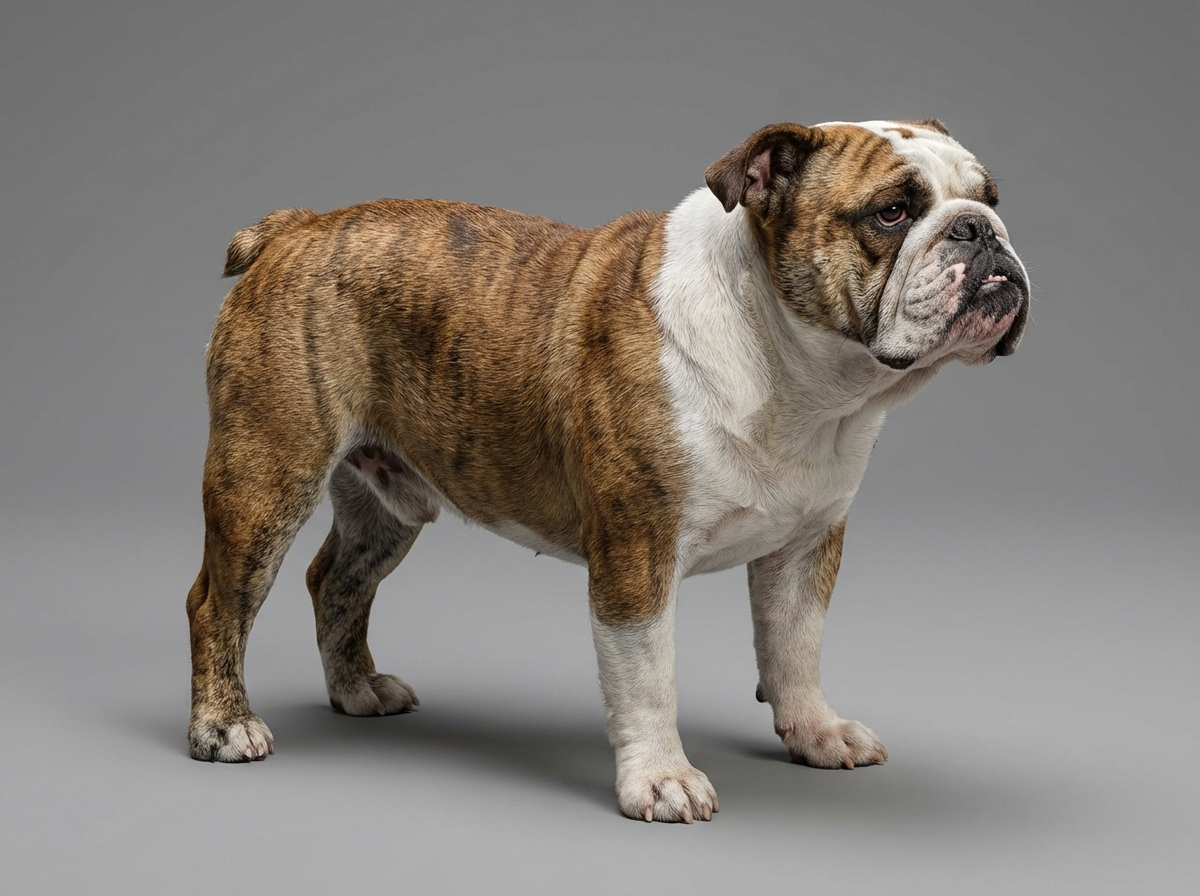
Bulldogs (English) are known for their adorable faces, but they face serious challenges with heat sensitivity and hyperthermia. This breed has a significantly higher risk of heat-related issues, making it crucial for owners to understand and mitigate these risks. (Bulldog (English) heat sensitivity & hyperthermia)
What you can try
- Keep your Bulldog indoors during peak heat hours, typically between 10 AM and 4 PM. Provide a cool, shaded area for them to relax if they need to go outside.
- Ensure they have constant access to fresh water to stay hydrated. Consider adding ice cubes to their water bowl to keep it cooler for longer.
- Monitor your Bulldog's behavior for signs of overheating, such as excessive panting, drooling, or lethargy. If they seem distressed, bring them to a cooler place immediately.
Mistakes that make Heat Sensitivity & Hyperthermia worse
Avoiding these common mistakes can help manage your Bulldog's heat sensitivity and prevent hyperthermia.
- Ignoring weather conditions: Taking your Bulldog for walks during peak heat can lead to serious health issues. Instead, walk them during cooler times, like early morning or late evening.
- Insufficient hydration: Not providing enough water can worsen heat sensitivity. Always ensure your Bulldog has access to fresh, cool water, especially on warm days.
- Overexerting during play: Playing fetch or engaging in other vigorous activities can be dangerous in hot weather. Opt for gentle play indoors or in shaded areas to keep them cool.
- Neglecting signs of distress: If your Bulldog shows signs of overheating, like excessive panting or lethargy, it's crucial to act quickly. Move them to a cool area and offer water immediately.
- Failing to provide cooling options: Some owners think a fan is enough, but Bulldogs may need more help. Use cooling vests or mats to help regulate their body temperature during hot days.
- Not adjusting grooming: Many believe that shaving their Bulldog's coat will keep them cooler. However, this can actually lead to sunburn. Instead, keep their coat clean and well-groomed without shaving.
- Avoiding vet advice: Some owners dismiss professional advice on managing heat sensitivity. Always consult your vet for tailored strategies to keep your Bulldog safe.
When Bulldog (English) Heat Sensitivity & Hyperthermia is an Emergency
Call your vet or emergency clinic if your Bulldog shows any of the following red-flag signs:
- Excessive panting or difficulty breathing
- Vomiting or diarrhea
- Unresponsiveness or lethargy
- Rapid heart rate or seizures
- Body temperature over 104°F
These symptoms suggest your dog is in distress and requires urgent medical attention.
In less severe cases, you may choose to monitor your Bulldog if they are simply showing signs of mild discomfort, such as light panting or excessive drooling. Ensure they are in a cool environment and provide water. Watch for any worsening symptoms and have a plan to contact your vet if needed.
Being proactive can help you prevent serious health issues and keep your Bulldog safe during hot weather.
Frequently asked questions
Why does my Bulldog (English) have heat sensitivity & hyperthermia?
Bulldogs (English) are brachycephalic, meaning they have short snouts that can affect their ability to cool down. This makes them more susceptible to heat sensitivity and hyperthermia. It's crucial to monitor their temperature and provide a cool environment to prevent heat-related issues. This answer relates to Bulldog (English) heat sensitivity & hyperthermia.
How can I help my Bulldog (English) cope with heat sensitivity?
To help your Bulldog, ensure they have access to plenty of water and shade. Limit outdoor activities during hot weather, and consider using cooling mats or vests. Regularly check your dog for signs of overheating, such as excessive panting or lethargy.
What are the signs of hyperthermia in Bulldogs (English)?
Signs of hyperthermia in Bulldogs include heavy panting, drooling, rapid heartbeat, and weakness. If you notice any of these symptoms, move your dog to a cooler area and provide water. If symptoms persist, seek veterinary help immediately.
What should I do if my Bulldog (English) shows signs of heatstroke?
If your Bulldog shows signs of heatstroke, act quickly. Move them to a shaded, cool area and offer water. Apply cool, wet cloths to their body and contact your veterinarian right away for further instructions.
Can training help reduce my Bulldog's (English) heat sensitivity?
Training alone won't change a Bulldog's physical predisposition to heat sensitivity, but you can teach them to recognize when to rest. Gradually acclimate them to warmer temperatures and reward them for seeking shade during walks.
What are some preventative measures for Bulldog (English) heat sensitivity?
Preventative measures include avoiding strenuous exercise in hot weather, keeping them indoors during peak heat hours, and ensuring they have a cool, well-ventilated space. Regular vet check-ups can also help manage their overall health.
What are the signs of heat sensitivity in my Bulldog (English)?
Signs of heat sensitivity in Bulldogs include excessive panting, drooling, lethargy, and difficulty breathing. You might also notice your dog becoming unresponsive or weak. If you see these symptoms, it's crucial to cool them down and seek veterinary advice.
How can I help my older Bulldog (English) with heat sensitivity?
Older Bulldogs may struggle more with heat sensitivity. Ensure they have plenty of shade, fresh water, and avoid strenuous activities during hot weather. Always keep a close eye on them, as they may not show signs of distress as clearly as younger dogs.
Why does my Bulldog (English) breathe heavily in hot weather?
Bulldogs have a brachycephalic (short-nosed) structure, which makes them more prone to breathing issues. In hot weather, they may breathe heavily as they try to cool down. If this becomes excessive or your dog shows signs of distress, contact your vet immediately.
When should I take my Bulldog (English) to the vet for heat sensitivity?
If your Bulldog shows severe symptoms such as continuous panting, confusion, or collapse, you should take them to the vet right away. Quick action is essential to prevent serious health issues like heatstroke. Always err on the side of caution when it comes to your dog's health.
Can heat sensitivity lead to other health problems in Bulldogs (English)?
Yes, Bulldogs with heat sensitivity may experience complications like respiratory distress or heatstroke, which can lead to more severe health issues. It's important to manage their exposure to heat carefully and consult your vet for advice tailored to your dog's specific needs.
Related guides