Behavior
What are some Bulldog (English) heat sensitivity quick tips?
Limit outdoor activities during hot weather, provide plenty of water, and ensure they have a cool resting place.
Bulldogs (English) are known for their adorable looks and gentle nature, but they can struggle with heat sensitivity. This means they can't tolerate hot weather well, putting them at risk for heat-related issues.
Owners of Bulldogs (English), particularly those living in warmer climates or those who enjoy outdoor activities, often face this challenge. It’s especially tough for first-time owners who may not be aware of their dog's unique needs when it comes to heat.
This guide is not medical advice. If your dog shows pain, sudden behavior change, or worsening symptoms, consult a licensed veterinarian.
Some links may be affiliate links. We may earn a commission at no extra cost to you. We only suggest products we believe are helpful for dog owners.
Bulldogs (English) are known for their adorable wrinkled faces, but unfortunately, they also come with a significant issue: heat sensitivity. This breed struggles to regulate their body temperature, making them prone to overheating, especially in warm weather. Day-to-day, you might notice your Bulldog panting excessively, seeking cool surfaces, or becoming lethargic during hot days. These signs indicate they are feeling the heat more than they should.
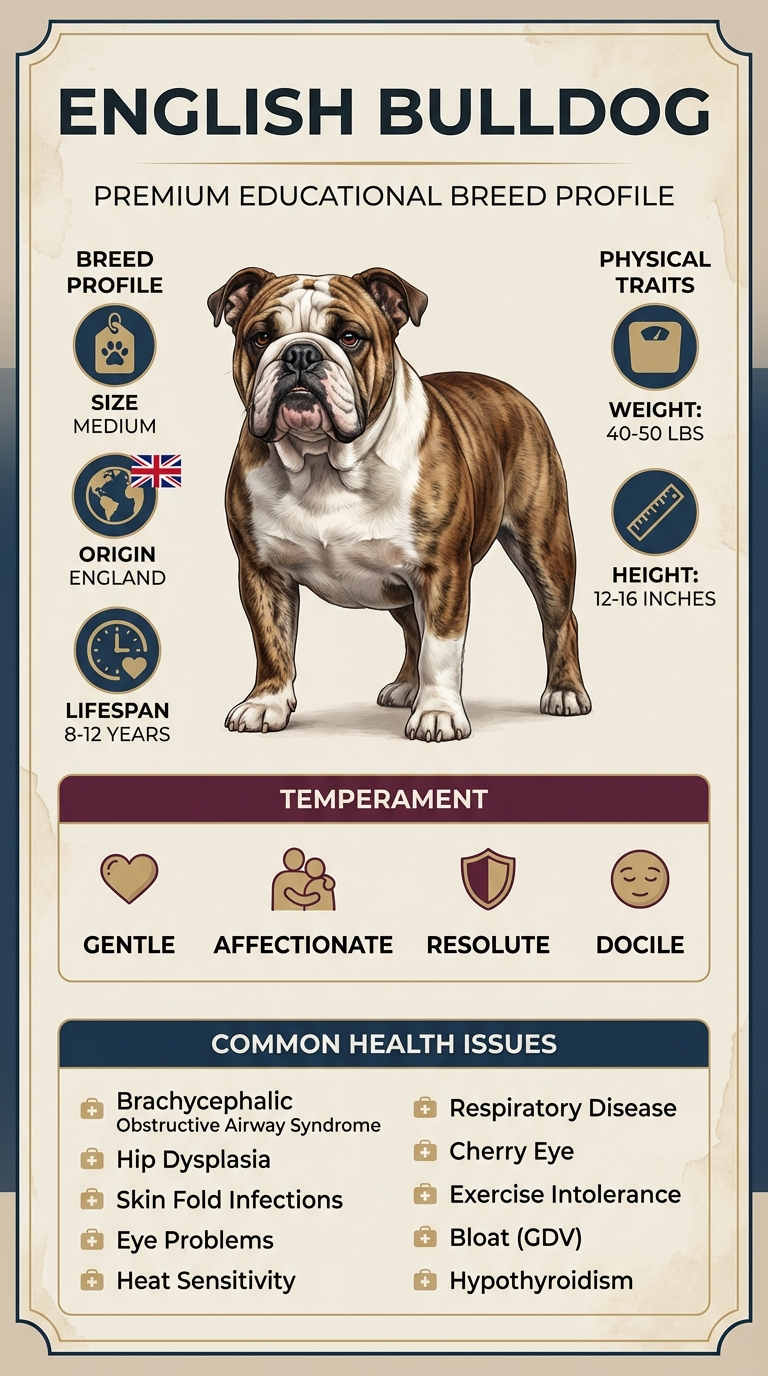
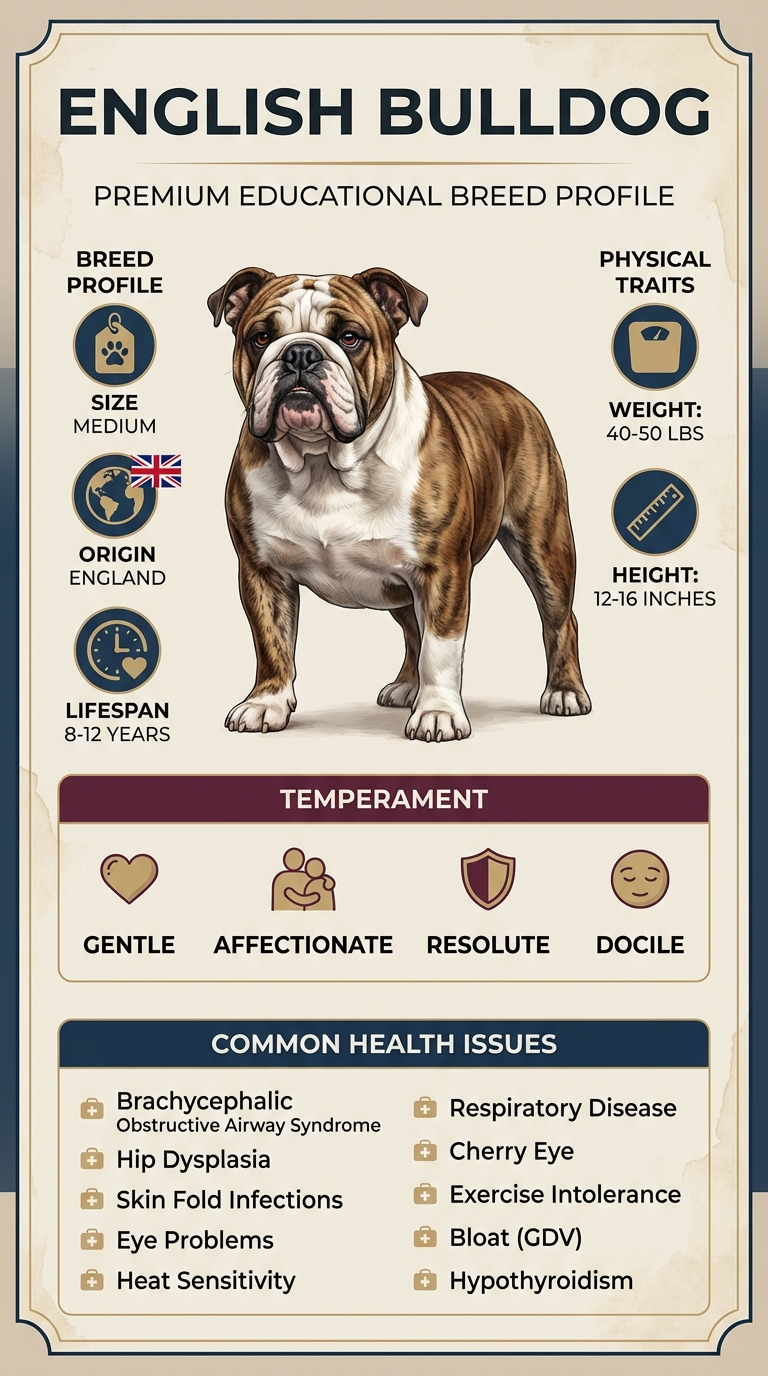
Heat sensitivity is quite common in Bulldogs (English), as they are a brachycephalic breed, which means their short snouts hinder airflow. Many Bulldog owners report struggles with this issue, especially during summer months. It's crucial to be proactive about keeping them cool, as their risk of heatstroke increases significantly.
Bulldogs are brachycephalic, meaning they have short noses and flat faces. This structure makes it difficult for them to cool down efficiently. Their respiratory systems can struggle in warm weather, leading to heat sensitivity.
Heat sensitivity can also be influenced by the environment. High temperatures, humidity, and lack of shade can exacerbate a Bulldog's struggle with heat. Additionally, being overweight or not getting enough exercise can worsen their heat sensitivity.
If your Bulldog shows persistent anxiety or stress related to heat, a trainer can help. Look for someone experienced with Bulldogs and heat sensitivity. They can provide tailored strategies to help your dog cope better.
Consult a vet if you notice severe signs of heat sensitivity, like vomiting, confusion, or difficulty breathing. Also, if your Bulldog is overweight, ask for a weight management plan to help reduce heat-related risks.
Improving your Bulldog's heat sensitivity can take several weeks to months. Consistent training and environmental adjustments are key.
Success means your Bulldog can enjoy outdoor activities in moderate temperatures without showing signs of distress. You'll notice better tolerance to warm conditions and a healthier, happier dog.
Avoiding these common mistakes can help your Bulldog (English) cope better with heat sensitivity.
Understanding when Bulldog (English) heat sensitivity becomes an emergency is crucial for their well-being. Bulldogs are particularly vulnerable to heat due to their short snouts. Knowing the signs to watch for can save your dog's life.
**Red-Flag Signs (Call Your Vet Now):** If your Bulldog shows any of the following symptoms, you need to take immediate action: - Excessive panting or difficulty breathing - Vomiting or diarrhea - Weakness or lethargy - Unresponsive or disoriented behavior - Seizures or collapse
These signs indicate that your Bulldog may be experiencing heatstroke or another serious condition. Don't hesitate; call your vet or head to the nearest emergency clinic.
**Mild Cases to Monitor:** If your Bulldog exhibits mild signs of heat sensitivity, such as light panting or a slight decrease in energy, you can often manage it at home. Here’s what to do: - Move them to a cooler, shaded area where they can rest. - Offer fresh, cool water to help hydrate them.
- Use a damp cloth to cool them down gradually, focusing on their paws and belly.
Keep a close eye on their condition over the next hour. If their symptoms worsen or do not improve, seek veterinary advice.
By recognizing these signs and knowing how to respond, you can help ensure that your Bulldog stays safe and comfortable during hot weather. Remember, prevention is key, so try to limit their exposure to heat, especially during peak hours.
Maggie, a busy nurse in San Diego, noticed her Bulldog, Max, struggled in the heat. Even short walks left him panting heavily and searching for shade. After consulting with her vet, Maggie learned to manage Max's heat sensitivity by scheduling walks early in the morning and providing plenty of water. She also invested in a cooling vest for Max, which made a noticeable difference during warmer months. Over time, Max became more comfortable outdoors, and they could enjoy their walks together.
Key takeaway: With the right adjustments and tools, you can help your Bulldog better cope with heat sensitivity and enjoy outdoor activities safely.
Bulldogs are brachycephalic, meaning they have short noses and flat faces. This can make it difficult for them to breathe properly, especially in hot weather. Their bodies struggle to cool down, increasing the risk of heatstroke.
Keep your Bulldog indoors during the hottest parts of the day and provide plenty of water. Make sure they have a cool, shaded area to rest in, and consider using fans or air conditioning to keep your home comfortable.
Look for excessive panting, drooling, lethargy, or difficulty standing. If your Bulldog seems disoriented or collapses, these could be signs of heatstroke, and you should seek immediate veterinary care.
While you can't change their physical traits, training can help them understand when to rest and when to avoid strenuous activities. Gradual acclimation to warmer temperatures, combined with positive reinforcement, can be beneficial.
Immediately move them to a cooler place and offer water. Use a wet towel to cool them down, especially around the neck and paws. Seek veterinary care as soon as possible, as heatstroke can be life-threatening.
Common signs of overheating in Bulldogs include excessive panting, drooling, lethargy, and difficulty breathing. If your Bulldog is showing these symptoms, it's essential to cool them down immediately and consult a vet.
Older Bulldogs may struggle more with heat sensitivity due to decreased stamina and health issues. Ensure they have plenty of water, provide shaded areas, and avoid exercising during the hottest parts of the day.
Bulldogs are brachycephalic, meaning they have short snouts that can cause breathing difficulties, especially in hot weather. This trait makes them more prone to heat sensitivity and heat-related illnesses.
When traveling, ensure your Bulldog has access to fresh water and air conditioning. Take frequent breaks in shaded areas and never leave them in a parked car, as temperatures can rise rapidly.
While training cannot eliminate heat sensitivity, it can help your Bulldog learn to recognize when to rest and stay cool. Teaching them commands for shade or water breaks can be beneficial during warm weather activities.
Limit outdoor activities during hot weather, provide plenty of water, and ensure they have a cool resting place.
Keep them indoors with air conditioning or fans, and ensure they have access to shade and fresh water.
Yes, heat sensitivity is common in Bulldogs due to their brachycephalic structure, which affects their breathing.
Avoid long walks, vigorous play, and leaving them in parked cars, even for a short time.


