Behavior
What are quick tips for Bulldog (English) gastric dilatation-volvulus (GDV/bloat)?
Feed your Bulldog smaller meals and avoid high-stress situations around meal times. Always observe for signs of distress after eating.
Bulldog (English) gastric dilatation-volvulus, or GDV/bloat, is a serious and potentially life-threatening condition that requires immediate attention. (Bulldog (English) gastric dilatation-volvulus (gdv/bloat))
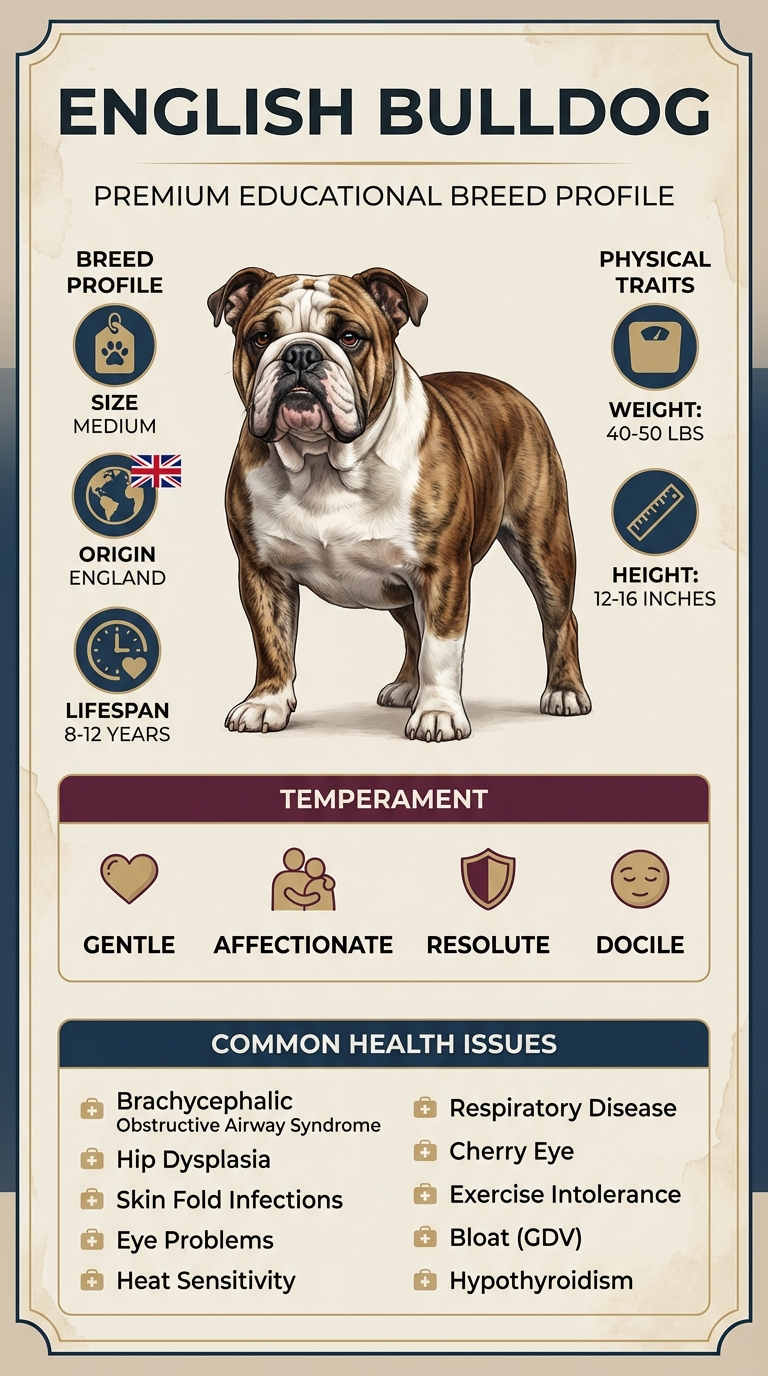
Many Bulldog owners, especially first-time pet parents, may struggle with recognizing the signs of GDV/bloat. This issue can be particularly concerning for those living in hot climates, as Bulldogs are prone to heat sensitivity.
This guide is not medical advice. If your dog shows pain, sudden behavior change, or worsening symptoms, consult a licensed veterinarian.
Some links may be affiliate links. We may earn a commission at no extra cost to you. We only suggest products we believe are helpful for dog owners.
Bulldog (English) gastric dilatation-volvulus (GDV/bloat) is a serious and life-threatening condition where the stomach fills with gas and twists. This can lead to severe pain and, if not treated immediately, can be fatal. Bulldogs are particularly prone to this issue due to their unique anatomy and brachycephalic nature.
GDV is unfortunately common in Bulldogs, especially as they age. Studies suggest that Bulldogs are at a higher risk compared to other breeds, making awareness and prevention critical for owners.
Bulldogs are brachycephalic, which means they have short snouts and can struggle with breathing. This physical trait can lead to increased stress during eating, contributing to the risk of gastric dilatation-volvulus (GDV/bloat). Additionally, their tendency to overeat can exacerbate the issue, making them more prone to this life-threatening condition.
GDV can also be influenced by factors such as rapid eating and drinking, or exercising right after meals. Stressful situations or changes in routine might cause Bulldogs to eat too quickly, increasing their risk. Furthermore, large meal sizes can lead to bloating, which is especially dangerous for this breed.
If your Bulldog consistently shows signs of anxiety around food or meals, a professional trainer can help. They can provide strategies to reduce stress and teach your dog to eat calmly. This may include desensitization techniques or positive reinforcement training.
Consult your vet immediately if your Bulldog shows signs of bloat, such as a swollen abdomen, excessive drooling, or attempts to vomit without success. These symptoms can indicate GDV, which is a veterinary emergency. Regular check-ups are also important to monitor your Bulldog's overall health.
If you notice signs of Bulldog (English) gastric dilatation-volvulus (GDV/bloat), immediate action is crucial. With prompt veterinary care, a dog can stabilize within hours, but long-term management and preventive measures may take weeks to establish.
Success means being able to recognize early signs of GDV/bloat and having a solid plan to prevent it. This includes dietary adjustments, controlled feeding routines, and regular vet check-ups to maintain your dog's health.
Understanding common mistakes can help you avoid worsening your Bulldog's gastric dilatation-volvulus (GDV/bloat) issues. Here are some behaviors to watch out for.
Gastric dilatation-volvulus (GDV), or bloat, is a serious condition that requires immediate veterinary attention. Recognizing the signs of an emergency is crucial for your Bulldog's safety. If your dog exhibits any of the following red flags, you should call your vet right away:
- Swollen abdomen that feels tight to the touch. - Unproductive retching or attempts to vomit without producing anything. - Signs of distress, such as pacing, whining, or excessive drooling.
- Rapid heart rate or difficulty breathing. - Weakness or lethargy.
If your Bulldog shows these severe symptoms, don’t wait. GDV can progress quickly and can be life-threatening.
However, not all cases of bloat are emergencies. If your dog is experiencing mild bloating without the severe symptoms listed above, you might choose to monitor them at home. Look for signs like slight discomfort, mild drooling, or a slightly distended belly that isn’t hard.
In these cases, it’s still important to have a plan:
- Keep your dog calm and avoid any strenuous activity. - Observe their behavior closely for any changes. - Contact your vet to discuss your observations and get guidance on next steps.
By knowing when to act, you can ensure your Bulldog gets the care they need. Always err on the side of caution; if in doubt, it’s better to consult with a veterinarian.
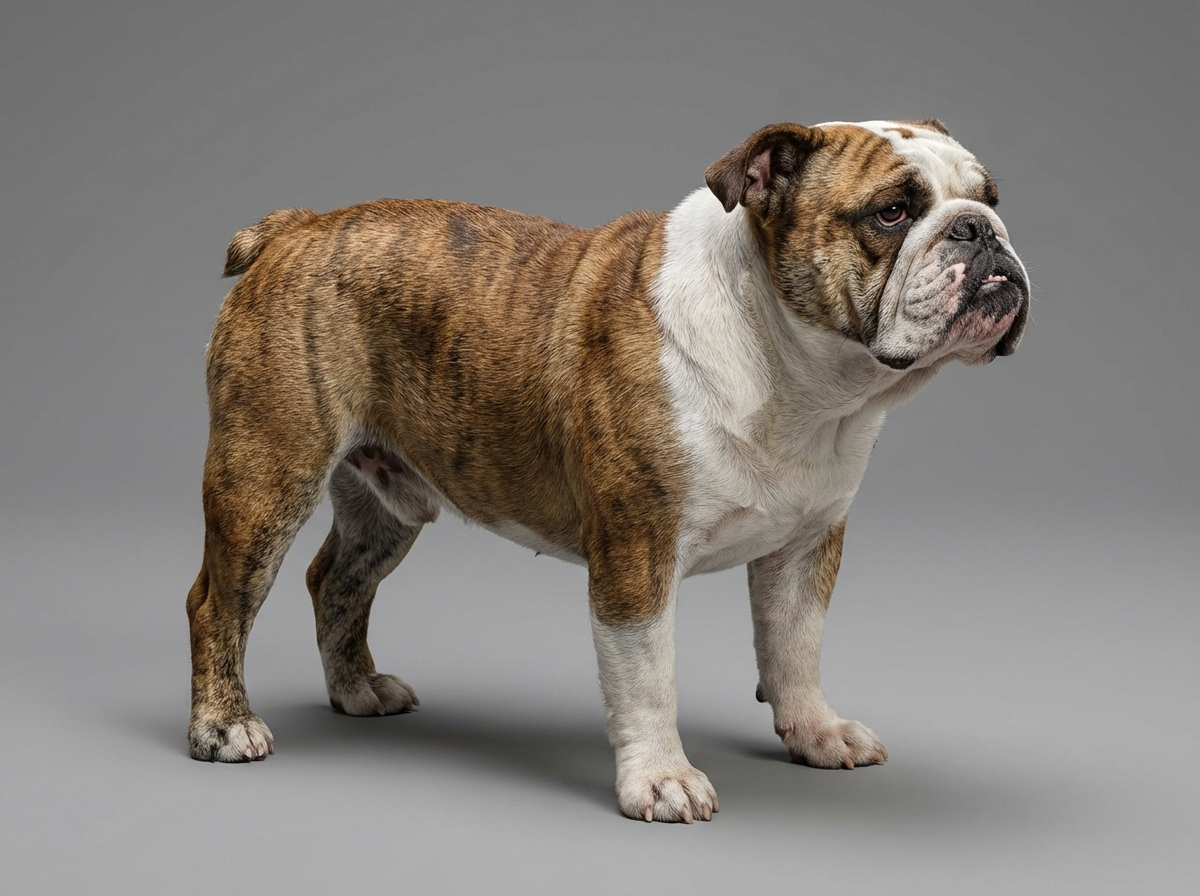
Ava, a busy nurse living in Chicago, had a lovable Bulldog named Gus. One evening, she noticed him pacing and trying to vomit without success. After a frantic trip to the vet, Gus was diagnosed with gastric dilatation-volvulus (GDV). After treatment, Ava learned to feed Gus smaller meals and avoid exercise right after eating. With these changes, she successfully kept GDV at bay, ensuring Gus stayed healthy and happy.
Key takeaway: Understanding your Bulldog's dietary needs and recognizing warning signs can help prevent GDV. Early intervention and lifestyle adjustments are key to managing this serious condition.
Bulldog (English) gastric dilatation-volvulus (GDV/bloat) is a serious condition where the stomach fills with gas and twists, cutting off blood supply. It can lead to shock and requires immediate veterinary attention. Recognizing the signs early can save your dog's life.
GDV can be triggered by factors like eating too quickly, stress, or genetics. Bulldogs, due to their unique body structure, are at higher risk. Monitoring their eating habits can help reduce the chances.
To prevent GDV, feed your Bulldog smaller meals more frequently and avoid vigorous exercise right after eating. Using slow-feeder bowls can also help slow down their eating. Regular vet check-ups are essential for early detection of any related health issues.
Signs of GDV in Bulldogs include a swollen abdomen, restlessness, excessive drooling, and attempts to vomit without success. If you observe these symptoms, seek veterinary help immediately. Time is critical in these situations.
Treatment for GDV typically involves emergency surgery to untwist the stomach and stabilize the dog. Post-surgery, your Bulldog will need careful monitoring and follow-up care to ensure recovery. Always consult your vet for the best course of action.
While not all cases can be prevented, feeding smaller meals, maintaining a calm eating environment, and avoiding certain breeds known for higher risks can reduce chances. Implementing these strategies is crucial for Bulldogs.
If you suspect your Bulldog has GDV, take them to the vet immediately. Do not wait for symptoms to worsen, as GDV is a life-threatening emergency. Quick action is essential.
Early signs of GDV in Bulldogs can include a distended abdomen, restlessness, drooling, and attempts to vomit without producing anything. If you notice these symptoms, it's crucial to seek veterinary help immediately, as this condition can escalate rapidly.
To prevent GDV in Bulldogs, feed smaller, more frequent meals instead of one large meal. Avoid vigorous exercise right after eating and consider using a slow feeder to help them eat more slowly. Consulting your vet for tailored advice is also recommended.
Yes, older Bulldogs are generally at a higher risk for GDV due to age-related changes in their digestive systems. Regular vet check-ups can help monitor their health and catch any issues early, especially as they age.
If your Bulldog shows signs of GDV, take them to a vet immediately. This condition is life-threatening and requires urgent medical attention. Don't wait to see if the symptoms resolve on their own.
Yes, stress can contribute to the risk of GDV in Bulldogs. Situations like loud noises, travel, or changes in their environment can trigger anxiety and possibly lead to digestive issues. Keeping your Bulldog calm during stressful times is essential.
Feed your Bulldog smaller meals and avoid high-stress situations around meal times. Always observe for signs of distress after eating.
Aim for two to three small meals a day rather than one large meal. This can help reduce the risk of bloat.
Emergency treatment for GDV can range from $1,500 to $5,000, depending on the severity and location of the surgery.
Yes, Bulldogs are among the breeds that have a higher risk for GDV due to their body structure. Awareness and preventive measures are key.
Follow your vet's post-surgery care instructions carefully, and monitor for any signs of complications. Regular check-ups are important.