Bulldog (English) Exercise Intolerance: What You Need to Know
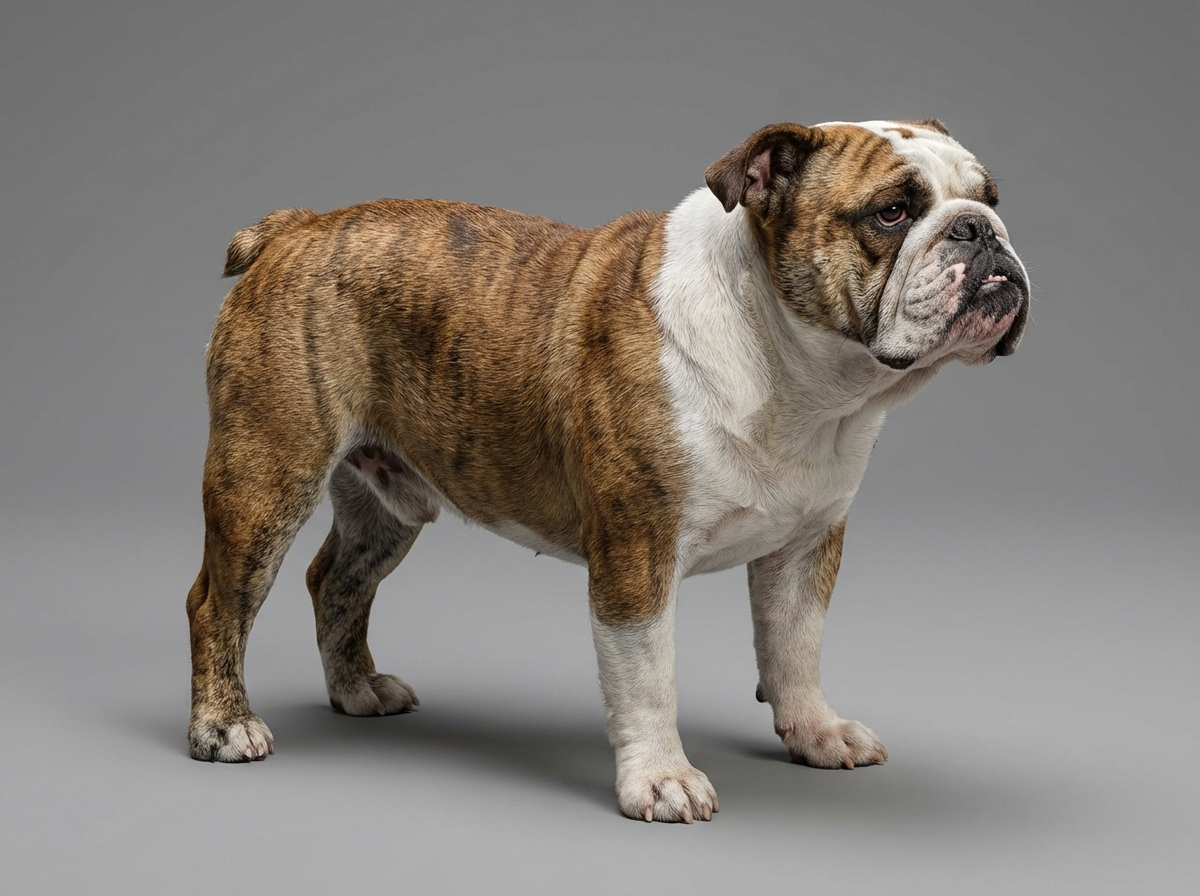
Bulldog (English) exercise intolerance can be a serious concern for owners. This condition means your dog may struggle with physical activity, leading to overheating and overexertion risks.
What you can try
- Start with short, low-intensity walks and gradually increase the duration as your Bulldog adjusts. Monitor their breathing and energy levels closely during and after walks.
- Create a cool and comfortable indoor space for your Bulldog to rest, especially during hot days. Use fans or air conditioning to maintain a pleasant temperature.
- Incorporate mental stimulation activities like puzzle toys or short training sessions to keep them engaged without excessive physical exertion.
Mistakes that make Exercise Intolerance worse
Understanding common mistakes can help you avoid worsening your Bulldog's exercise intolerance. Here are some behaviors to watch out for.
- Ignoring Heat Sensitivity: Bulldogs are prone to overheating. Exercising in hot weather can lead to serious health risks. Instead, schedule walks during cooler times of the day.
- Overexerting During Play: Many owners let their Bulldogs play for too long. This can lead to exhaustion and stress. Limit play sessions and provide plenty of breaks.
- Not Monitoring Breathing: Bulldogs often have difficulty breathing, especially during exercise. If you notice heavy panting, stop the activity immediately and cool your dog down.
- Skipping Vet Check-ups: Some owners believe exercise intolerance is normal and don’t consult a vet. Regular check-ups can help identify underlying health issues. Always keep your vet informed about your dog's activity levels.
- Disregarding Age and Health: A senior Bulldog or one with prior health issues needs special care. Tailor their exercise routine to their age and health status to prevent discomfort.
- Using Punishment for Slow Movement: If your Bulldog struggles, avoid punishing them. This can create anxiety and worsen their reluctance to exercise. Instead, use positive reinforcement to encourage gentle movement.
- Failing to Provide Hydration: Dehydration can exacerbate exercise intolerance. Always have fresh water available before, during, and after exercise sessions.
When Bulldog (English) Exercise Intolerance is an Emergency
Recognizing when Bulldog (English) exercise intolerance becomes an emergency is crucial. If your Bulldog shows severe lethargy, labored breathing, or collapses during exercise, these are red-flag signs. Other alarming symptoms include excessive drooling, vomiting, or a sudden change in behavior.
In these cases, call your vet immediately to prevent serious health issues.
On the other hand, if your Bulldog experiences mild exercise intolerance, such as a little fatigue after light activity, it’s usually manageable. Monitor their behavior and limit exercise to shorter, more frequent sessions. Gradually increase their activity as they become accustomed to it.
In these situations, you can watch and wait, providing comfort and hydration while you assess their condition. Keeping an eye on their response to exercise will help you plan a safe routine for your pet.
Frequently asked questions
Why does my Bulldog (English) have exercise intolerance?
Bulldogs have short noses, which can lead to breathing difficulties during exercise. Their physical structure makes them prone to overheating. It's essential to monitor their activity levels and provide breaks to prevent exhaustion.
How can I stop Bulldog (English) exercise intolerance?
To manage this issue, schedule shorter, more frequent walks instead of long sessions. Always keep an eye on the temperature and avoid exercise during hot weather. Training them to rest when they show signs of fatigue can also help.
Can training help with Bulldog (English) exercise intolerance?
Yes, consistent training can improve their stamina over time. Gradually increasing their activity level while ensuring they take breaks can help them adapt better to exercise without overexerting themselves.
Is there a specific exercise routine for Bulldogs?
Focus on low-impact activities like short walks or gentle play. Avoid strenuous exercises like running or jumping, especially in warm weather, to keep your Bulldog safe and comfortable.
What should I do if my Bulldog (English) overheats?
If you suspect overheating, move them to a cool area immediately and offer water. Wetting their coat with cool (not cold) water can also help. If symptoms persist, contact your vet.
What should I do if my older Bulldog (English) shows signs of exercise intolerance?
If your older Bulldog shows signs of exercise intolerance, such as excessive panting or reluctance to move, it's important to reduce their activity level. Consult your veterinarian for a tailored exercise plan that suits their age and health needs. Regular check-ups can also help manage any underlying health issues.
Why does my Bulldog (English) have exercise intolerance during hot weather?
Bulldogs are particularly sensitive to heat due to their brachycephalic (short-nosed) structure. This can lead to difficulty in breathing and overheating, causing exercise intolerance. Always monitor your Bulldog closely in warm weather and provide plenty of water and shade during outdoor activities.
Is exercise intolerance common in Bulldogs (English) with health issues?
Yes, exercise intolerance is common in Bulldogs with certain health issues, such as respiratory or joint problems. If your Bulldog has been diagnosed with a condition like Brachycephalic Obstructive Airway Syndrome, you should be extra cautious about their exercise. Consult your vet for specific recommendations tailored to your dog's health.
How can I tell if my Bulldog (English) is overexerting during exercise?
Signs of overexertion in Bulldogs include excessive panting, drooling, lethargy, or difficulty breathing. If you notice these signs, it's best to stop the activity immediately and allow your dog to rest in a cool area. Always keep an eye on your Bulldog during exercise to prevent overexertion.
Can training help reduce exercise intolerance in Bulldogs (English)?
Training can help improve your Bulldog's overall fitness level but may not eliminate exercise intolerance. Gradual conditioning may enhance their stamina over time. Always work with your vet to create a safe and effective training plan tailored to your Bulldog's specific needs.
Related guides