Behavior
What are quick tips for Bulldog (English) elongated soft palate management?
Maintain a healthy weight, provide cool environments, and avoid strenuous exercise. Regular vet visits are crucial for monitoring their health.

Quick answer
What are quick tips for Bulldog (English) elongated soft palate management?
Maintain a healthy weight, provide cool environments, and avoid strenuous exercise. Regular vet visits are crucial for monitoring their health.
The Bulldog (English) elongated soft palate is a common issue that affects breathing. This condition can lead to serious health problems if left unaddressed.
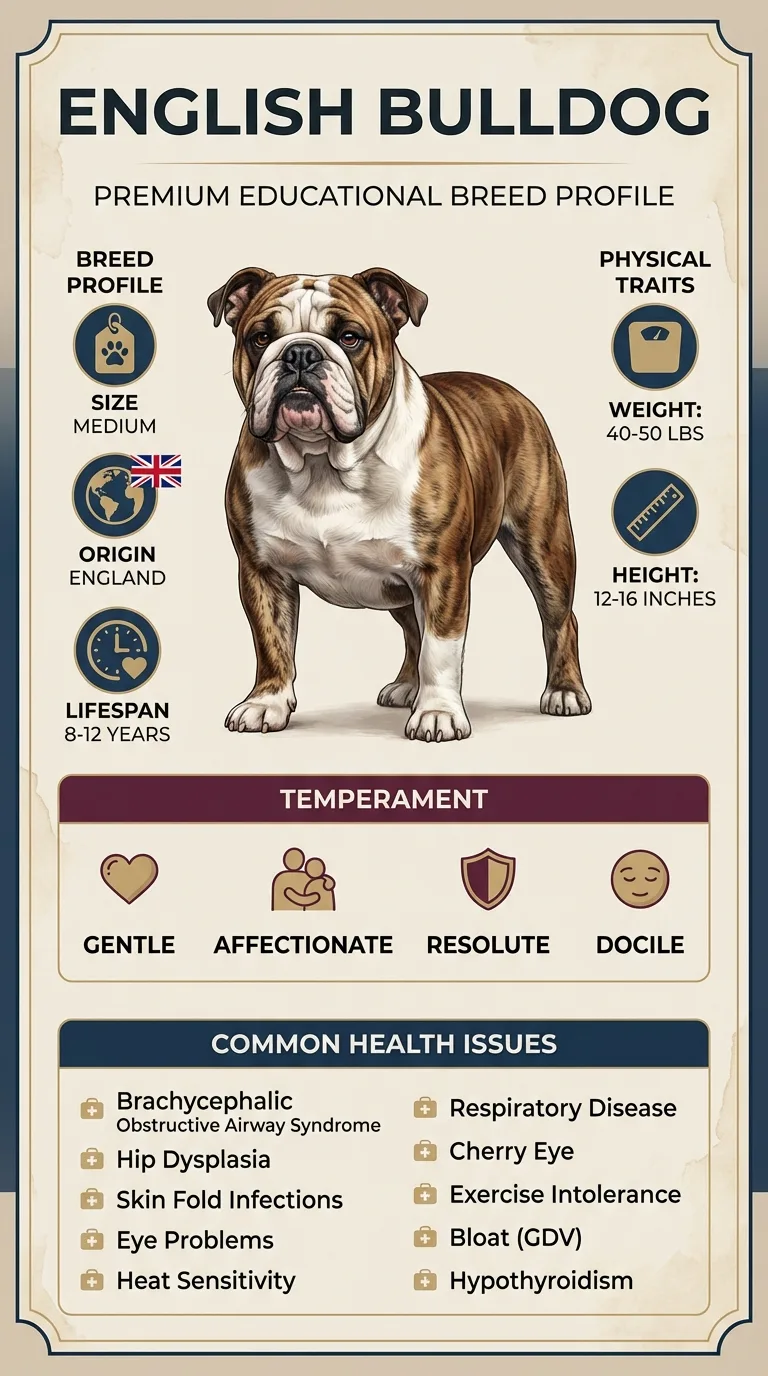
Owners of Bulldogs often face this issue, particularly first-time dog owners who may not be aware of the breed's specific health needs. Understanding how to manage this condition is essential for keeping your Bulldog happy and healthy.
This guide is not medical advice. If your dog shows pain, sudden behavior change, or worsening symptoms, consult a licensed veterinarian.
Some links may be affiliate links. We may earn a commission at no extra cost to you. We only suggest products we believe are helpful for dog owners.
We research and check what we publish, but we do not warrant that any figure, date, price, or statement is accurate, complete, or current, and we accept no liability for any loss, cost, injury, or other harm arising from the use of this site. Use it as one reference among several. You remain responsible for your own decisions and for your dog's care - confirm anything that matters with a licensed veterinarian or another qualified professional before you act on it. Full disclaimer.
Check this first
If your Bulldog is struggling to breathe, making wheezing sounds, or showing signs of extreme distress, these are red flags. Additionally, if your dog collapses, has bluish gums, or is unable to exercise without panting excessively, you should consult your vet right away. These symptoms indicate a serious airway obstruction that requires urgent attention.
On the other hand, if your Bulldog is occasionally snoring, coughing gently, or appears slightly lethargic but is still eating and drinking normally, you may have time to observe. Keep track of these mild symptoms and consider a veterinary appointment if they persist or worsen. Developing a plan to monitor your dog's breathing during various activities can also help you manage their condition effectively.
In summary, immediate veterinary care is essential for severe breathing difficulties or distress. Mild symptoms can often be managed with observation, but it’s always better to err on the side of caution. Regular check-ups can also help in managing Bulldogs with elongated soft palates.
If any of these apply, call your vet or an emergency clinic now. The rest of this page is for the cases that are not an emergency.
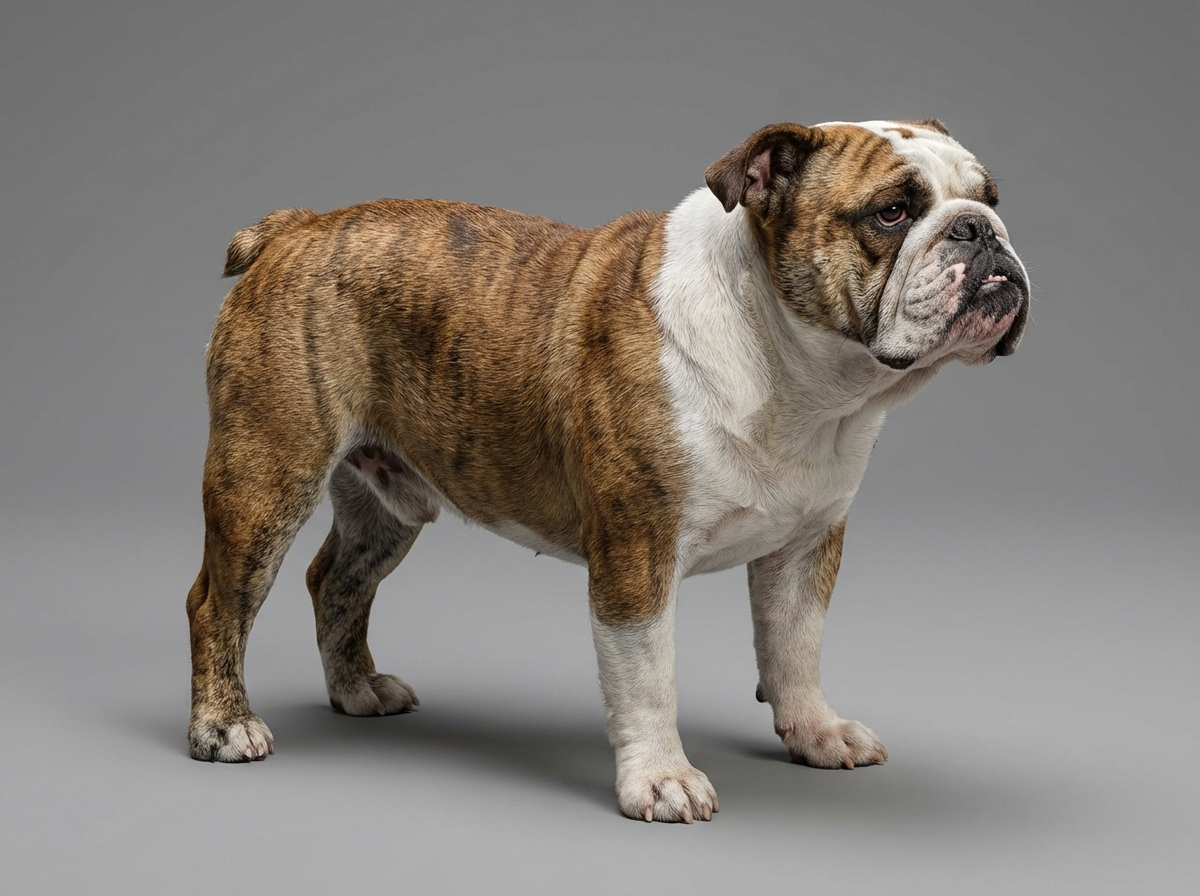
Bulldogs (English) are known for their adorable wrinkled faces, but they can suffer from a condition called an elongated soft palate. This issue results in airway obstruction, making it difficult for them to breathe, especially during exercise or in hot weather. Owners may notice their Bulldog snoring, coughing, or struggling to catch their breath after minimal activity.
This problem is quite common among Bulldogs (English) due to their brachycephalic (short-nosed) structure. Many Bulldogs experience some degree of soft palate elongation, leading to breathing difficulties throughout their lives.
Bulldogs have a unique facial structure that can lead to an elongated soft palate. This occurs because their short snouts make the palate longer than normal, causing airway obstruction. It's a common trait in breeds with flat faces, which can lead to breathing difficulties.
Environmental factors also play a role. Overweight Bulldogs may experience more severe symptoms due to added pressure on their airways. Additionally, exposure to heat and humidity can exacerbate breathing issues, making it harder for them to get enough air.
If your Bulldog has persistent breathing challenges or shows signs of distress, it's crucial to talk to your vet. They may recommend surgery or other treatments to help manage the elongated soft palate.
If your Bulldog (English) has an elongated soft palate, avoiding certain common mistakes can help improve their comfort and health. Here are some behaviors to watch out for.
Start here: English Bulldog Most Common Genetic Disorders: Screening
See all Bulldog health problems, which breeds are prone to elongated soft palate, or the full Bulldog breed guide for temperament, exercise needs and ownership costs.
Improvement often takes 2 to 6 months, depending on your Bulldog's needs and any medical interventions.
Success looks like your Bulldog breathing more easily, showing less distress during exercise, and enjoying playtime without excessive panting.
Sarah, a busy first-time dog owner in Seattle, noticed her Bulldog, Buddy, struggled to breathe during walks. After a vet visit confirmed an elongated soft palate, she felt overwhelmed. Following a treatment plan that included weight management, gentle exercise, and specific training techniques, she saw Buddy’s breathing improve. Within weeks, they could enjoy longer walks without Buddy panting excessively. Sarah learned to recognize Buddy's limits and adapted their routine accordingly.
Key takeaway: Understanding your Bulldog's health issues and adjusting their lifestyle can significantly improve their quality of life.
An elongated soft palate in Bulldogs (English) is often due to their brachycephalic (short-nosed) structure. This breed has a genetic predisposition for airway issues, which can lead to breathing difficulties. If you're noticing signs like snoring or labored breathing, it's important to consult a vet.
To manage an elongated soft palate, maintaining a healthy weight is crucial, as extra weight can worsen breathing problems. Gentle exercise and avoiding extreme temperatures can help. In severe cases, surgical intervention might be necessary, so always discuss options with a vet.
Common signs include snoring, coughing, and difficulty breathing, especially during exercise. You might also notice your Bulldog having trouble eating or drinking. If these symptoms are present, a vet evaluation is advised.
Training can be beneficial in teaching your Bulldog calm behaviors and managing their energy levels. However, it won't physically change the elongated soft palate. Focus on positive reinforcement and low-impact activities to keep them comfortable.
Yes, provide a cool environment and avoid strenuous activities, especially in hot weather. Monitor their breathing during playtime and choose toys that avoid choking hazards. Regular vet check-ups are also essential to manage their health.
In mild cases, weight management and avoiding heat can help reduce symptoms. However, many Bulldogs with significant airway obstruction may require surgical intervention to correct the elongated soft palate for better breathing.
Yes, older Bulldogs can experience worsening symptoms due to a decline in overall health and respiratory function. Regular vet check-ups are essential to monitor any changes in breathing or activity levels as they age.
Keeping your Bulldog calm and avoiding strenuous activities can help manage their condition. Additionally, providing a cool environment can reduce discomfort, especially in warmer weather.
If your Bulldog shows severe difficulty breathing, excessive gagging, or bluish gums, seek emergency care immediately. These could be signs of a serious airway obstruction that requires urgent attention.
Maintain a healthy weight, provide cool environments, and avoid strenuous exercise. Regular vet visits are crucial for monitoring their health.
If your Bulldog shows signs of severe breathing difficulty, persistent coughing, or excessive panting, contact your vet immediately.
Monthly costs for a Bulldog (English) can range from $150 to $350, with initial yearly expenses between $2,500 and $5,000.
A one-page prep sheet for this condition: the signs, the questions to ask, what to get priced. Unlocks here.
You get: Vet visit prep sheet
No spam. One-click unsubscribe. See our privacy policy.
Preview page 1 before you decide.