Behavior
What are some quick tips for Bulldog (English) back problems?
Keep your Bulldog (English) at a healthy weight and avoid high-impact activities. Regular vet check-ups are crucial for monitoring back health.

Quick answer
What are some quick tips for Bulldog (English) back problems?
Keep your Bulldog (English) at a healthy weight and avoid high-impact activities. Regular vet check-ups are crucial for monitoring back health.
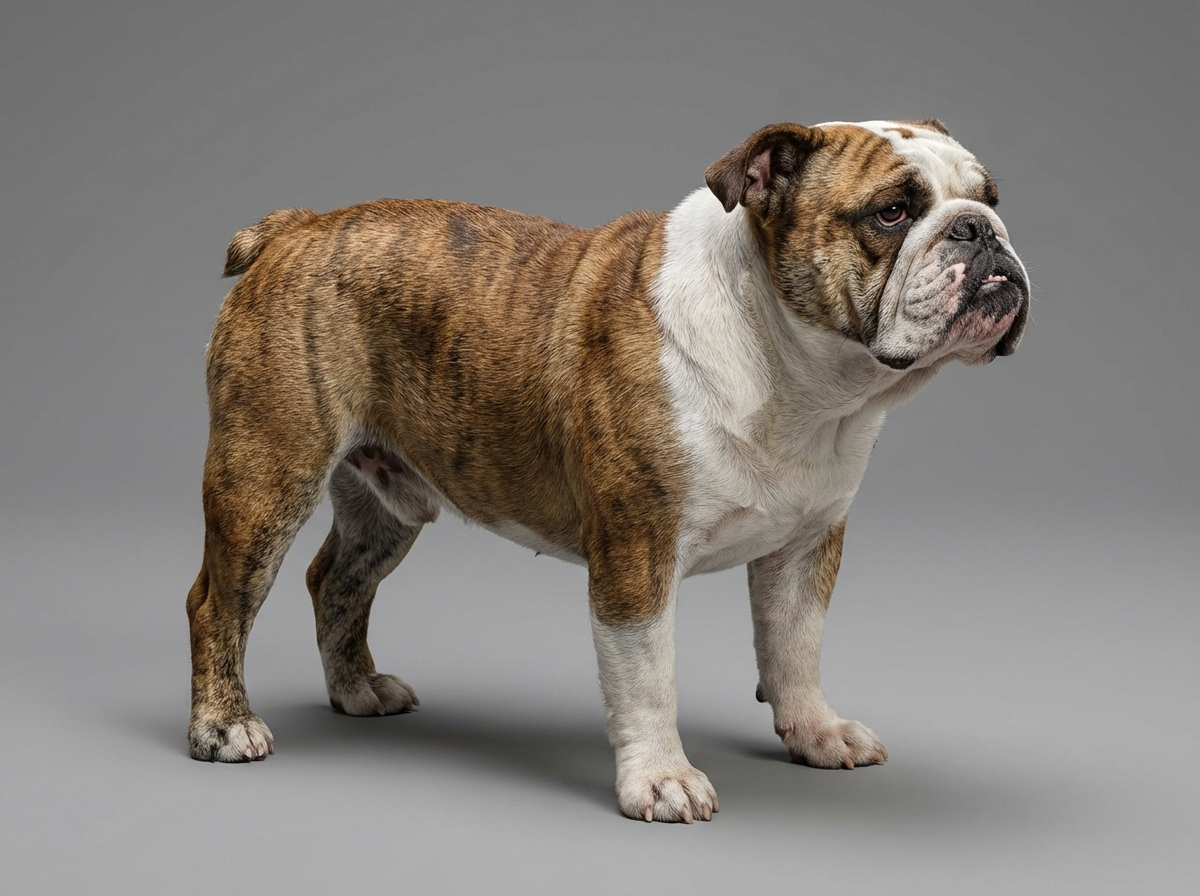
Bulldog (English) back problems can be a serious concern for owners. These issues often arise from their unique body structure, which includes a long spine and short legs.
This problem typically affects Bulldog owners who may notice their dogs struggling to move or experiencing pain. New owners or busy families often find it especially challenging to recognize these signs early.
This guide is not medical advice. If your dog shows pain, sudden behavior change, or worsening symptoms, consult a licensed veterinarian.
Some links may be affiliate links. We may earn a commission at no extra cost to you. We only suggest products we believe are helpful for dog owners.
We research and check what we publish, but we do not warrant that any figure, date, price, or statement is accurate, complete, or current, and we accept no liability for any loss, cost, injury, or other harm arising from the use of this site. Use it as one reference among several. You remain responsible for your own decisions and for your dog's care - confirm anything that matters with a licensed veterinarian or another qualified professional before you act on it. Full disclaimer.
Check this first
Understanding when Bulldog (English) back problems are an emergency can save your dog's life. You should call your vet immediately if your Bulldog shows any of these red-flag signs: sudden inability to walk, severe pain when touched, loss of bowel or bladder control, or signs of paralysis. These issues may indicate a serious condition that requires urgent care.
On the other hand, if your Bulldog has mild back pain, such as stiffness after exercise or occasional limping, you can monitor the situation at home. Keep an eye on their behavior and ensure they rest. Provide a gentle massage and limit their jumping or running until they feel better.
If symptoms persist for more than a few days or worsen, it’s best to consult your vet for a thorough assessment.
Being proactive about your Bulldog’s health can prevent bigger problems down the line. Always trust your instincts; if something feels off, don’t hesitate to reach out to your vet for guidance.
If any of these apply, call your vet or an emergency clinic now. The rest of this page is for the cases that are not an emergency.
Bulldog (English) back problems are common and can manifest as difficulty in movement or discomfort when standing or sitting. This breed's unique body structure, characterized by a long spine and short legs, can lead to issues like intervertebral disc disease. Daily activities, such as jumping or climbing stairs, may exacerbate their back discomfort, leading to a less active lifestyle.
Back problems in Bulldogs are quite prevalent, affecting a significant portion of the breed. Many Bulldogs will experience some degree of back issues during their lifetime, particularly as they age. It's essential for owners to be vigilant and proactive in managing their dog's health.
Bulldogs (English) have a unique body structure, characterized by a long spine and short legs. This conformation can put extra stress on their backs, making them more susceptible to injuries and chronic issues. Additionally, their weight can further strain their spine, leading to pain and mobility problems.
Environmental factors, such as lack of proper exercise and obesity, can exacerbate back problems in Bulldogs. If they're not given adequate opportunities to move around and strengthen their muscles, they may develop weak back support. Poorly designed living spaces with slippery floors can also increase the risk of falls and injuries.
If your Bulldog exhibits persistent back pain or mobility issues, it's essential to schedule a visit with your vet. They can assess your dog's condition and recommend appropriate treatments or therapies, which may include medication, physical therapy, or even surgical options if necessary.
Avoid these common mistakes to help manage your Bulldog's back problems effectively. Making adjustments can promote better health and comfort for your pet.
Start here: English Bulldog Most Common Genetic Disorders: Screening
See all Bulldog health problems, which breeds are prone to back problems, or the full Bulldog breed guide for temperament, exercise needs and ownership costs.
You may start seeing improvements in your Bulldog (English) back problems within 4 to 8 weeks of implementing changes.
Success means your Bulldog moves comfortably without signs of pain, enjoys walks, and plays without restrictions.
Maggie, a first-time dog owner in Ohio, noticed her Bulldog, Max, struggling to get up after naps. After a vet visit, she learned Max had common back problems due to his breed's unique structure. Determined to help him, Maggie researched how to stop Bulldog (English) back problems. She began a gentle exercise routine, focusing on short, controlled walks and supportive harnesses. Over time, Max became more active and seemed to enjoy life again, with fewer signs of discomfort.
Key takeaway: With patience and the right approach, you can significantly improve your Bulldog's quality of life and manage back problems effectively.
Bulldogs (English) often experience back problems due to their unique body structure, which includes a long spine and short legs. This design can put additional strain on their backs, leading to issues like intervertebral disc disease. Regular vet check-ups and proper weight management can help mitigate these risks. This answer relates to Bulldog (English) back problems.
To help prevent back problems in your Bulldog (English), ensure they maintain a healthy weight and engage in low-impact exercises. Avoid activities that require jumping or excessive running, as these can exacerbate spinal issues. Additionally, consider incorporating supportive harnesses for walks.
Common signs of back problems in Bulldogs (English) include reluctance to move, difficulty standing or jumping, and signs of pain like whining or yelping. If you notice these behaviors, it's crucial to consult your veterinarian for a proper diagnosis and treatment plan.
Yes, gentle training methods that focus on building strength without strain are ideal for Bulldogs (English). Use positive reinforcement techniques and avoid high-impact activities. Training sessions should be short but frequent to help maintain their fitness without risking injury.
Absolutely, excess weight can significantly worsen back problems in Bulldogs (English). It increases the strain on their spines and can lead to more serious health issues. Maintaining a balanced diet and regular, low-impact exercise is essential for their overall health.
Veterinary treatments for Bulldogs (English) with back problems may include pain management medications, physical therapy, or, in severe cases, surgery. Regular veterinary check-ups are vital to monitor their condition and adjust treatment as needed.
At home, provide a comfortable, supportive bed for your Bulldog (English) and minimize stairs or jumping. Regular gentle stretching and low-impact walks can also help maintain their mobility. Consider investing in ramps for easier access to furniture or vehicles.
Look for signs like difficulty standing up, reluctance to jump or climb stairs, and signs of pain when touched along the back. Additionally, if your Bulldog seems less active or has noticeable changes in behavior, it may indicate back issues.
Yes, older Bulldogs can be more susceptible to back problems due to age-related wear and tear on their spine. It's important to monitor their mobility and consult a vet if you notice any changes in their movement or behavior as they age.
To prevent back problems, ensure your Bulldog maintains a healthy weight and engages in regular, low-impact exercise. Avoid activities that put excessive strain on their spine, such as jumping from high surfaces or rough play.
If your Bulldog shows signs of pain, difficulty moving, or any sudden behavioral changes, it's best to consult your vet right away. Early intervention can help manage back problems effectively and prevent further issues.
Training can be beneficial in managing back problems by teaching your Bulldog to avoid harmful movements. Focus on gentle training techniques that promote safe behavior, and always consult your vet before starting any new training regimen.
Keep your Bulldog (English) at a healthy weight and avoid high-impact activities. Regular vet check-ups are crucial for monitoring back health.
Aim for short, gentle walks several times a week to keep your Bulldog (English) active without straining their back.
Avoid high jumps and strenuous activities during training, as these can exacerbate back issues. Focus on low-impact exercises instead.
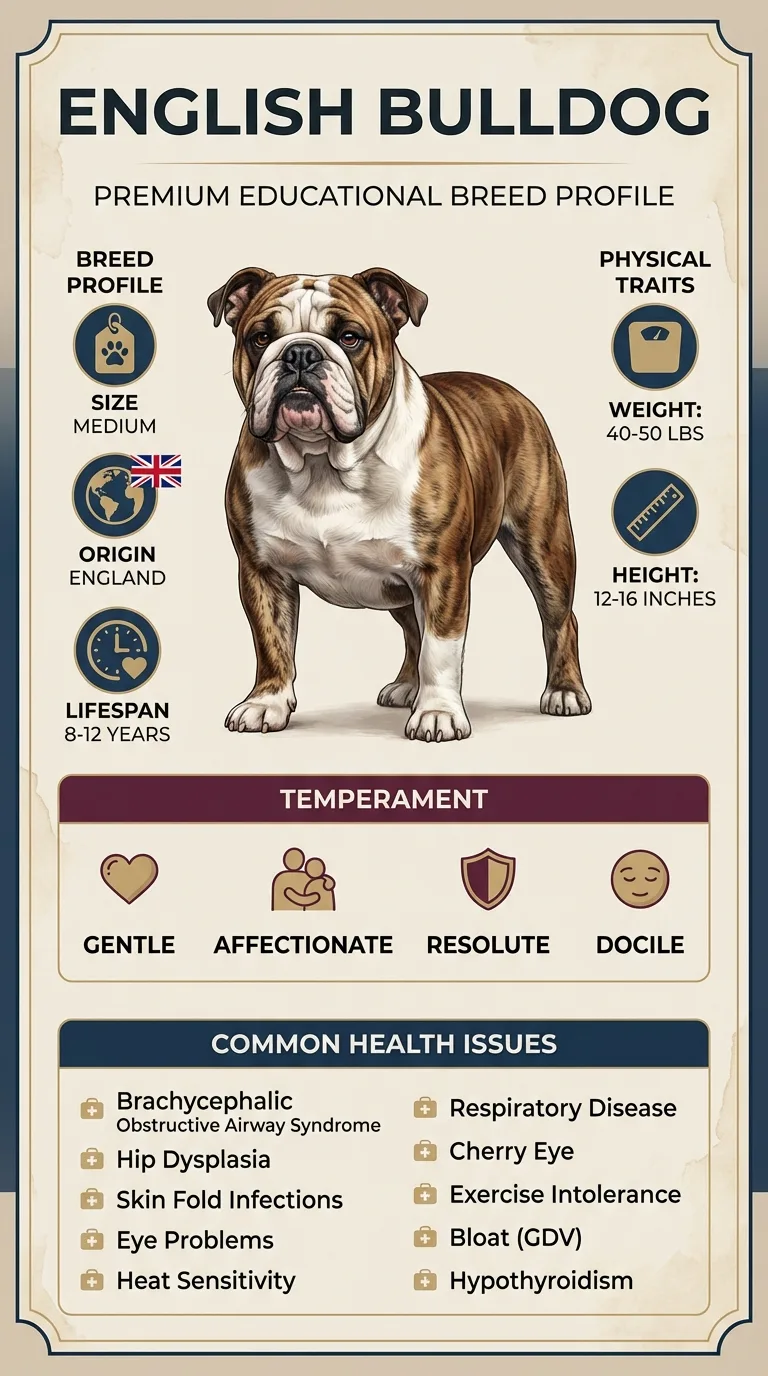
Yes, Bulldogs (English) can face various health problems, including respiratory issues and skin infections, requiring vigilant care.
A one-page prep sheet for this condition: the signs, the questions to ask, what to get priced. Unlocks here.
You get: Vet visit prep sheet
No spam. One-click unsubscribe. See our privacy policy.
Preview page 1 before you decide.