Living
What are Bulldog (English) allergic reactions quick tips?
Keep your Bulldog's environment clean and free of dust. Regular grooming can help minimize allergens, and consult your vet for the right diet.
Bulldogs (English) are prone to allergic reactions, which can lead to discomfort and health issues. Addressing these reactions is crucial for their well-being. (Bulldog (English) allergic reactions)
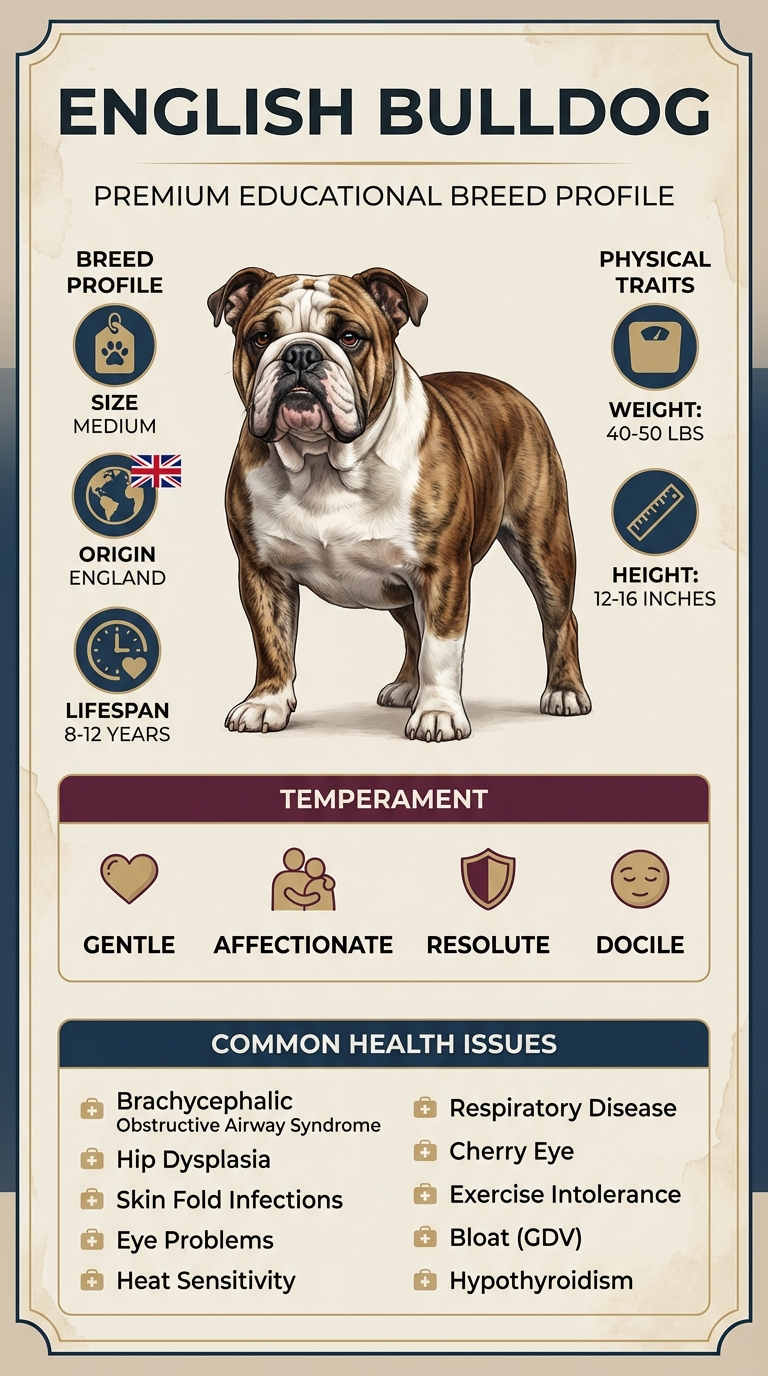
Many Bulldog owners face challenges with allergic reactions, particularly those who live in urban areas with various allergens. First-time dog owners may feel overwhelmed when trying to manage these issues, while busy families with children may find it difficult to identify and address the underlying causes.
This guide is not medical advice. If your dog shows pain, sudden behavior change, or worsening symptoms, consult a licensed veterinarian.
Some links may be affiliate links. We may earn a commission at no extra cost to you. We only suggest products we believe are helpful for dog owners.
Bulldog (English) allergic reactions can be a challenging issue for dog owners. These reactions often present as skin irritations, itching, or gastrointestinal upset. Daily life can be disrupted when your Bulldog constantly scratches or experiences discomfort, and this can lead to frustration for both the dog and the owner.
Allergic reactions are relatively common in Bulldogs, with reports indicating they have a 276% higher risk compared to other breeds. Many owners notice these issues arise during seasonal changes or after introducing new foods or products.
Bulldogs are prone to certain genetic conditions that can lead to allergic reactions. Their unique skin folds can trap moisture and bacteria, making them more susceptible to skin allergies. Additionally, Bulldogs often have sensitive respiratory systems, which can react poorly to allergens in the air.
Environmental factors also play a significant role in allergic reactions. Common triggers include pollen, dust mites, and certain foods. Changes in your Bulldog's environment, such as moving to a new home or introducing new cleaning products, can exacerbate these reactions.
If your Bulldog's allergic reactions lead to behavioral changes, such as increased anxiety or aggression, consider consulting a professional trainer. They can help address these behaviors while you manage the allergies.
If your Bulldog experiences severe allergic reactions, such as swelling, difficulty breathing, or persistent skin issues, contact your vet immediately. They can provide specific treatments and may recommend allergy testing for a more tailored approach.
You may start seeing improvements within 4 to 8 weeks after implementing changes.
Success means your Bulldog (English) experiences fewer allergic reactions, with clear signs of comfort and reduced itching or irritation.
Avoiding common pitfalls can significantly improve your Bulldog's allergic reactions. Here are some mistakes to watch out for.
It's important to know when Bulldog (English) allergic reactions require immediate attention. Certain symptoms indicate that you should call your vet right away. If your Bulldog shows signs of severe swelling, difficulty breathing, or a rapid heartbeat, these are red flags.
Other urgent signs include vomiting, diarrhea, or lethargy that comes on suddenly.
On the other hand, mild allergic reactions can typically be monitored at home. If your Bulldog has minor skin irritation or sneezing that doesn't worsen, you might be able to watch and wait. Keep an eye on their condition, and consider keeping a journal of any changes to share with your vet.
In summary, if you see any severe symptoms, don’t hesitate to seek help. However, for mild cases, monitoring and a planned approach can often be sufficient.
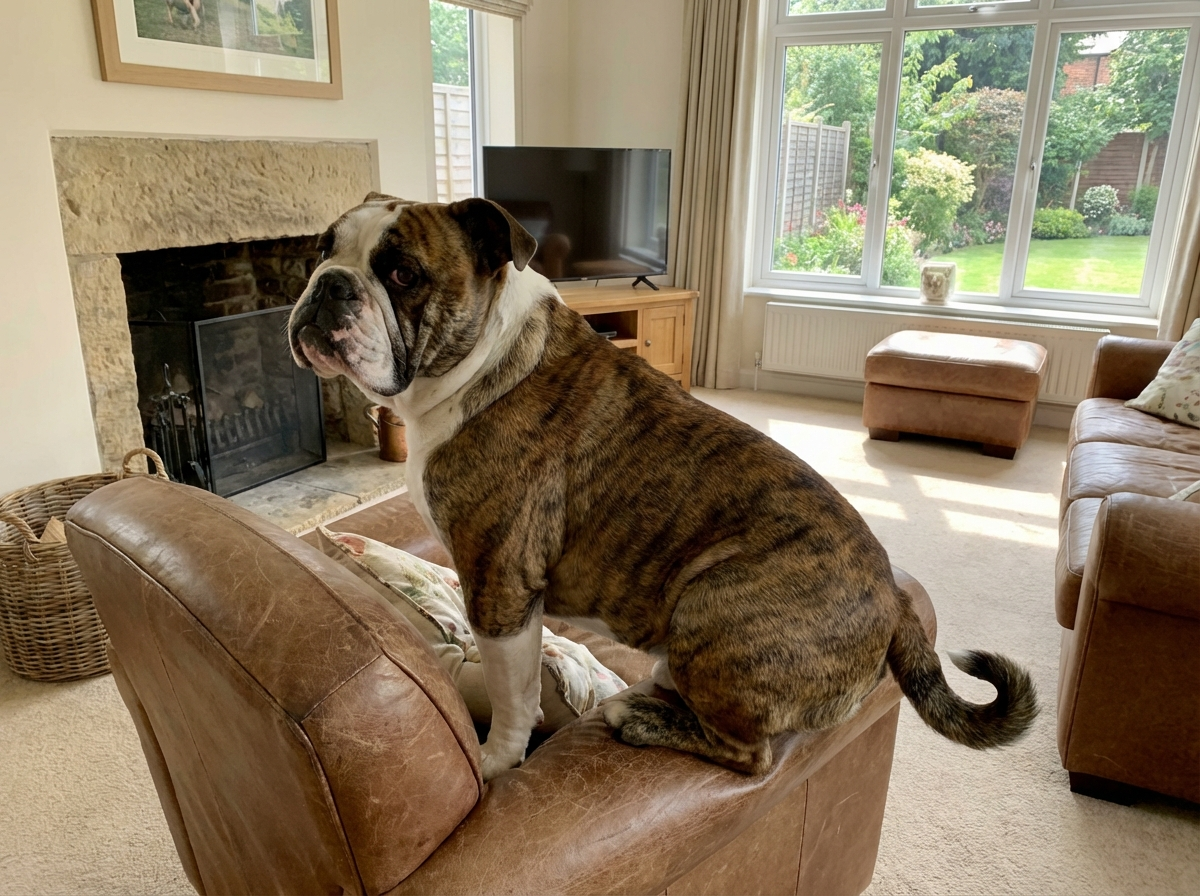
Sam, a first-time dog owner, was excited to adopt Bella, a sweet English Bulldog. However, after a few weeks, he noticed Bella scratching and licking her paws constantly. Concerned, Sam visited the vet, who diagnosed Bella with allergies, likely due to environmental factors and food ingredients. Sam learned how to manage Bella's allergies by switching her to a hypoallergenic diet and keeping her living space clean. After a couple of months, Bella's symptoms improved significantly, and she was much happier and more comfortable.
Key takeaway: Identifying and managing allergies early can improve your Bulldog's quality of life and strengthen your bond.
Bulldogs are prone to allergic reactions due to their skin folds and sensitive immune systems. Common allergens include certain foods, pollen, dust mites, and even some grooming products. Identifying the trigger is crucial for managing their symptoms.
To stop Bulldog (English) allergic reactions, start by consulting your vet for allergy testing. Once you identify the allergens, you can adjust their diet or environment accordingly. Regular baths with hypoallergenic shampoo may also help soothe their skin.
Signs of allergic reactions in Bulldogs include excessive itching, redness, swelling, and skin infections. You might also notice sneezing, watery eyes, or digestive issues. If you see these signs, it's essential to consult a veterinarian.
Some mild allergic reactions can be treated at home. You can try oatmeal baths to soothe itchy skin and use hypoallergenic products. However, for severe cases or persistent symptoms, professional veterinary help is necessary.
Yes, Bulldogs with allergies may benefit from a limited-ingredient diet that avoids common allergens. Look for formulas with novel proteins and carbohydrates, and always consult your vet before making dietary changes.
Bulldogs (English) may show signs of allergic reactions through itching, redness, or swelling on their skin. They might also experience gastrointestinal issues like vomiting or diarrhea. If you notice these symptoms, it's best to consult your vet for proper diagnosis and treatment.
Yes, Bulldogs (English) can develop food allergies, often to common ingredients such as chicken, beef, or grains. If you suspect a food allergy, try an elimination diet under your vet's guidance to identify the culprit. This process can help you make informed decisions about their diet.
To manage seasonal allergies in Bulldogs (English), regular grooming can help reduce pollen exposure by keeping their coat clean. Additionally, bathing them with hypoallergenic shampoo may soothe irritated skin. Always consult your vet for personalized advice on allergy management.
If your Bulldog (English) shows signs of a severe allergic reaction, such as difficulty breathing or swelling of the face, seek emergency veterinary care immediately. Time is crucial in these situations. Your vet can provide treatments like antihistamines or steroids to alleviate symptoms.
To determine if your Bulldog (English)'s allergic reactions are environmental, monitor their symptoms in different situations. If symptoms worsen outdoors or around certain materials, like dust or pollen, it may indicate environmental allergies. Keeping a journal can help track patterns and assist your vet in diagnosis.
Keep your Bulldog's environment clean and free of dust. Regular grooming can help minimize allergens, and consult your vet for the right diet.
Treatments for Bulldog allergic reactions can range from $150 to $350 per month, depending on the severity and necessary medications.
Bulldogs can suffer from various health issues, including skin allergies, respiratory diseases, and hip dysplasia. Regular vet check-ups are vital.
Training can help reinforce positive behaviors and minimize stress, which can worsen allergic reactions. A calm environment is essential.
If your Bulldog shows signs of a severe allergic reaction, such as difficulty breathing or swelling, seek emergency veterinary care immediately.

