Living
What are some quick tips for Brussels Griffon heat sensitivity & hyperthermia?
Always provide fresh water and shade during hot days. Limit exercise to early mornings or late evenings when it's cooler.
Brussels Griffons are adorable companions, but they can be sensitive to heat, putting them at risk for hyperthermia. This is a serious concern for their health. (Brussels Griffon heat sensitivity & hyperthermia)
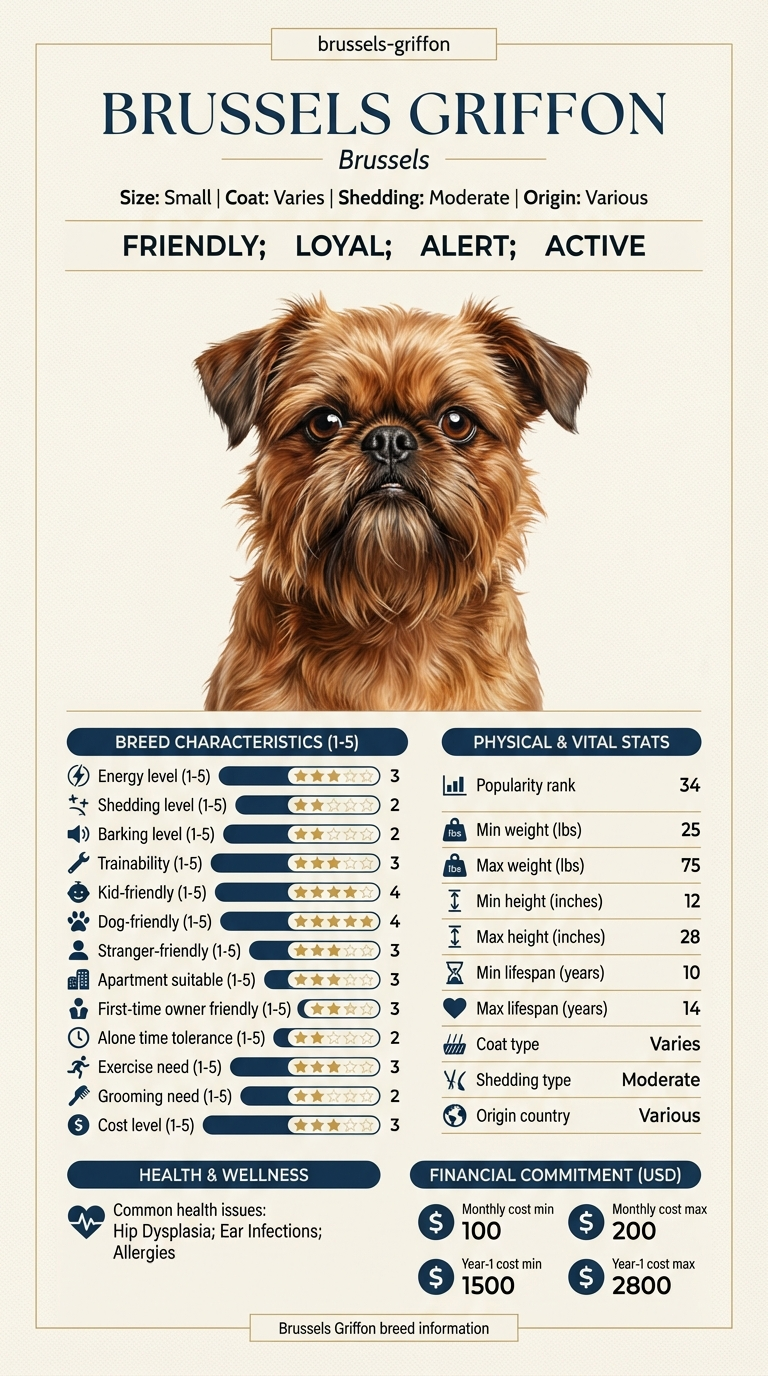
First-time dog owners, families living in warmer climates, and those who enjoy outdoor activities may struggle with managing their Brussels Griffon's heat sensitivity. Understanding this issue is key to keeping your furry friend safe and comfortable.
This guide is not medical advice. If your dog shows pain, sudden behavior change, or worsening symptoms, consult a licensed veterinarian.
Some links may be affiliate links. We may earn a commission at no extra cost to you. We only suggest products we believe are helpful for dog owners.
Brussels Griffons are known for their unique charm, but they face significant challenges when it comes to heat sensitivity and hyperthermia. On a regular day, you might notice your Brussels becoming lethargic, panting excessively, or seeking cooler spots. These signs can escalate quickly, leading to serious health issues like heatstroke, especially in warm weather.
Heat sensitivity and hyperthermia are quite common in Brussels Griffons. In fact, they are at a 533% higher risk of heatstroke compared to other breeds. This makes it crucial for owners to be vigilant during warmer months.
Brussels Griffons have a unique physical structure that makes them more susceptible to heat. Their short snouts can limit airflow, making it harder for them to cool down effectively. Additionally, their small size means they can overheat quickly even in moderate temperatures.
Heat sensitivity can also arise from environmental factors. Hot weather, high humidity, and lack of shade can exacerbate the risk of hyperthermia. If your Brussels Griffon is left outside for too long or exercised during peak heat hours, they can easily become overheated.
If your Brussels Griffon continues to struggle with heat sensitivity despite at-home strategies, a trainer can help by teaching you proper management techniques and adjusting exercise routines. Look for a trainer experienced with small breeds and heat sensitivity issues.
If your dog shows severe signs of hyperthermia, such as vomiting, confusion, or rapid breathing, contact a vet immediately. Regular check-ups can also help monitor any underlying health issues that may contribute to their heat sensitivity.
It may take several weeks to months to effectively manage your Brussels Griffon's heat sensitivity and prevent hyperthermia. Consistent training and environmental adjustments will be key.
Success looks like your dog being comfortable in warmer weather, showing no signs of distress, and enjoying outdoor activities safely. You'll feel confident in recognizing warning signs and taking preventive measures.
Avoiding common mistakes can significantly improve your Brussels Griffon’s heat sensitivity and overall well-being. Here are key behaviors to watch out for.
If your Brussels Griffon exhibits any of the following red-flag signs, call your vet immediately: - Extreme panting or difficulty breathing - Excessive drooling or a dry mouth - Vomiting or diarrhea - Weakness or lethargy - Seizures or disorientation These symptoms indicate that your dog is in distress and needs urgent care.
In less severe cases, you can monitor your Brussels Griffon for mild signs of heat sensitivity. Look out for: - Slight panting after exercise - Mild lethargy during hot weather - Temporary loss of interest in play If your dog shows these signs, make sure to provide plenty of water and some shade. Allow them to cool off gradually.
However, always keep a close eye. If their condition worsens or you have any doubts, it’s better to err on the side of caution and consult your vet. Regular check-ups and discussions about heat sensitivity can help you manage your dog’s health effectively.
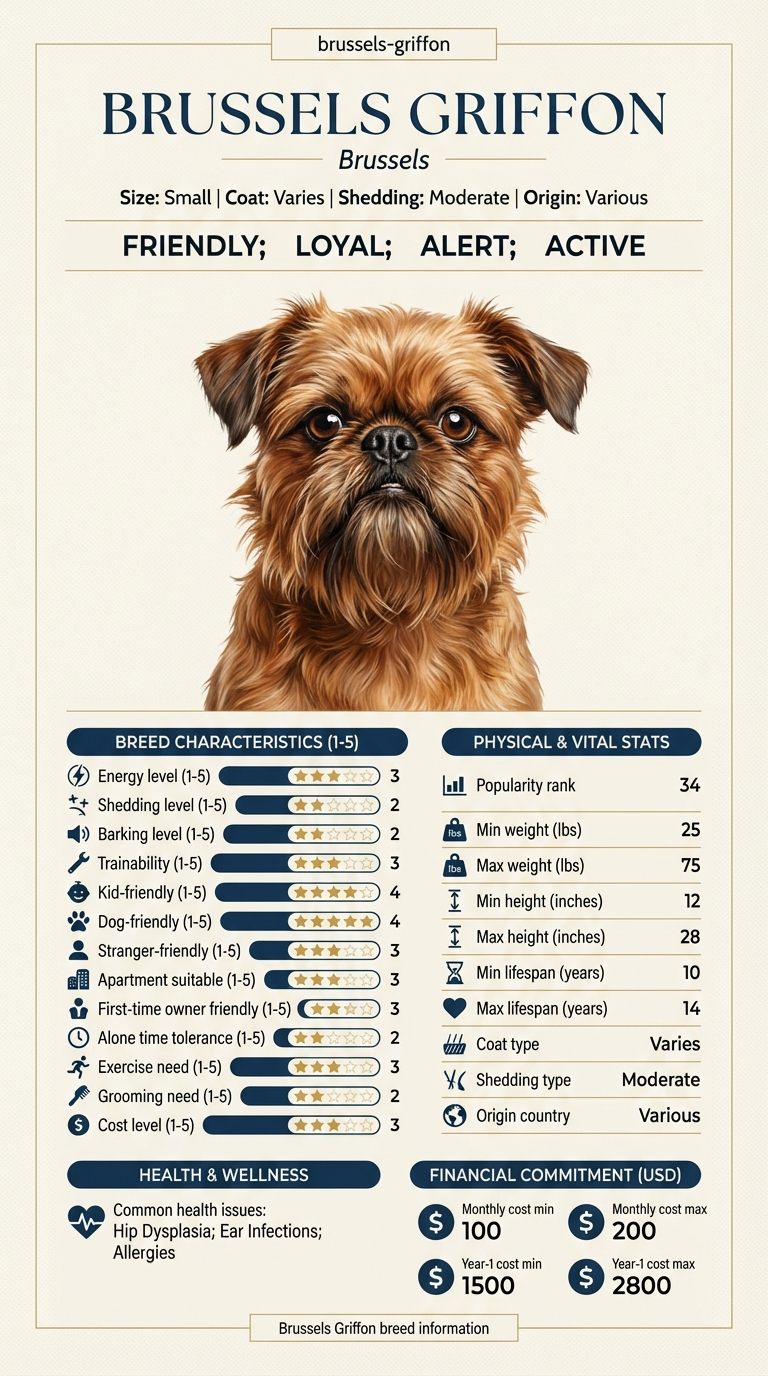
Sarah, a first-time dog owner, had a Brussels Griffon named Max. During the summer, she noticed Max becoming lethargic and panting heavily on walks. Concerned, she learned that Brussels Griffons are at a higher risk for heat sensitivity and hyperthermia. Sarah took action by shortening their walks, providing plenty of water, and keeping Max indoors during peak hours. She also attended a local workshop on heat safety for dogs. Now, Max happily plays in the yard, staying cool with his favorite shaded spot and a kiddie pool.
Key takeaway: Understanding your dog's heat sensitivity can ensure their safety. Small changes in routine can make a big difference in keeping your Brussels Griffon comfortable.
Brussels Griffons are small dogs with short snouts, making them more prone to overheating. Their compact size and dense coat can trap heat, increasing their risk of heatstroke. It's important to monitor them closely in hot weather. This answer relates to Brussels Griffon heat sensitivity & hyperthermia.
Signs of overheating include excessive panting, drooling, weakness, or confusion. If you notice these symptoms, move your dog to a cooler area and offer water. If symptoms persist, contact your vet immediately.
Keep your Brussels Griffon indoors during peak heat hours and provide plenty of water. Consider using cooling mats or fans to help them stay comfortable. Regularly check the temperature before outdoor activities.
Train your Brussels to recognize when it's too hot to play outside. Use commands like 'inside' or 'cool down' to guide them to shade or indoors. Positive reinforcement can help them learn to respond to these cues.
If your Brussels Griffon shows severe signs of distress, such as vomiting, difficulty breathing, or loss of consciousness, seek veterinary help immediately. Quick action can be lifesaving.
Signs of heat sensitivity in a Brussels Griffon include excessive panting, lethargy, drooling, and difficulty breathing. If your dog shows any of these symptoms, it's crucial to move them to a cooler place and provide water.
Older Brussels Griffons may be more susceptible to heat sensitivity. To help them, ensure they have access to cool, shaded areas, and limit their exercise during hot weather. Always consult your vet for personalized advice.
If your Brussels Griffon exhibits severe symptoms like vomiting, confusion, or collapse, you should seek immediate veterinary care. Early intervention can prevent serious complications from hyperthermia.
While training cannot eliminate heat sensitivity, it can teach your Brussels Griffon to recognize cues about when to rest. Incorporating short, positive training sessions during cooler parts of the day may also help build a bond and encourage good behavior.
Yes, hot and humid climates can exacerbate heat sensitivity in Brussels Griffons. If you live in such an area, it's essential to monitor your dog's exposure to heat and adjust their activities accordingly to keep them safe.
Always provide fresh water and shade during hot days. Limit exercise to early mornings or late evenings when it's cooler.
Use cool, wet towels on their body and fans to circulate air. A cool bath can also help, but avoid ice-cold water.
Move them to a cool place immediately, offer water, and contact your vet if symptoms persist. Time is crucial.