DogBreedCompass
← Back to breed profile

Understanding Brussels Griffon Chondrodystrophy (cddy)

Brussels Griffon chondrodystrophy (cddy) is a serious developmental disorder affecting your dog's bones, which can lead to pain and mobility issues.

Understanding Brussels Griffon Chondrodystrophy (cddy) infographic

This issue often affects first-time dog owners or families with busy lifestyles who may not recognize the signs right away. Owners of older Brussels Griffons may also be concerned about age-related changes and their impact on their dog's health.

Important reminder

This guide is not medical advice. If your dog shows pain, sudden behavior change, or worsening symptoms, consult a licensed veterinarian.

Some links may be affiliate links. We may earn a commission at no extra cost to you. We only suggest products we believe are helpful for dog owners.

What this problem looks like

Brussels Griffon chondrodystrophy (cddy) is a developmental disorder that affects the bones of these small dogs. This condition can lead to various physical issues, such as shortened limbs and abnormal bone growth. Daily life for a Brussels Griffon with cddy may include difficulty in movement, which can impact their energy levels and ability to play.

Common triggers

  • Genetic predisposition
  • Improper nutrition during growth phases
  • Lack of regular vet check-ups

Chondrodystrophy is relatively common in Brussels Griffons compared to other breeds. Many owners report seeing symptoms early in their dog's life, especially during the growth stages. It's important for potential owners to be aware of this condition when considering bringing a Brussels Griffon into their home.

Why this happens

Breed factors

Brussels Griffons are small dogs, and their bone structure can make them more prone to chondrodystrophy (cddy). This genetic condition affects how their bones develop, leading to issues like stunted growth or deformities. Breeds with shorter legs and stockier bodies often carry this risk, making it common among Brussels Griffons.

Environment factors

Environmental factors can also play a role. Poor nutrition during early development can exacerbate bone issues. Additionally, lack of proper exercise and movement can worsen symptoms, leading to more significant discomfort and mobility challenges.

What you can try

At-home strategies

  • Maintain a balanced diet rich in nutrients, especially during your puppy's growth period. Consult your vet for recommendations on high-quality dog food.
  • Encourage gentle exercise, like short walks or play sessions, to keep your dog active without overexerting them. This helps strengthen their muscles and joints.
  • Monitor your dog's weight closely to avoid additional strain on their bones. Obesity can worsen the symptoms of chondrodystrophy, so keep them at a healthy weight.

When to consider a trainer

If your Brussels Griffon shows difficulty in training or exhibits signs of anxiety and discomfort, consider consulting a professional trainer. They can provide tailored strategies that accommodate your dog's specific needs and help reduce stress.

When to talk to your vet

If you notice severe mobility issues, pain during movement, or any unusual behavior, it’s time to talk to your vet. They can evaluate your dog’s condition and suggest further treatment options or pain management strategies.

Realistic expectations

You can expect to see improvements in your Brussels Griffon's chondrodystrophy symptoms within 4 to 6 months of consistent training and care.

Success means your dog experiences less discomfort, improved mobility, and a happier demeanor, allowing them to enjoy daily activities without pain.

Mistakes that make this worse

Here are common mistakes owners make that can worsen their Brussels Griffon's chondrodystrophy (cddy). Avoiding these can help improve your dog's condition.

  • Ignoring early symptoms: Not recognizing signs like difficulty walking can delay treatment. Always consult a vet at the first signs of discomfort.
  • Overexercising your dog: Excessive activity can strain your dog's joints. Stick to moderate exercise tailored to their needs.
  • Neglecting weight management: Overweight dogs face increased stress on their bones. Monitor their diet and maintain a healthy weight.
  • Using improper training techniques: Harsh training methods can increase anxiety. Use positive reinforcement to encourage desired behaviors.
  • Failing to provide a comfortable environment: Hard surfaces can worsen joint pain. Ensure your dog has a soft, supportive resting area.
  • Skipping vet check-ups: Regular vet visits are essential for monitoring progress. Schedule check-ups to catch any changes early.
  • Ignoring pain management: Not addressing your dog's pain can lead to further issues. Work with your vet to find suitable pain relief options.

When Brussels Griffon Chondrodystrophy (CDDY) is an Emergency

Recognizing when Brussels Griffon chondrodystrophy (cddy) is an emergency is crucial for your dog's health. While some symptoms can be monitored, others require immediate veterinary attention. Here’s a breakdown to help you decide when to act fast and when to keep a close eye on your pup.

**Call Your Vet Now:** If your Brussels Griffon shows any of the following red-flag signs, it's time to seek emergency care. Look for severe pain, inability to walk, sudden swelling in the limbs, or visible deformities. If your dog is having difficulty breathing or exhibiting signs of distress, don’t hesitate; these are critical situations.

**Monitor and Wait:** On the other hand, if your Brussels is displaying mild symptoms like occasional limping, slight stiffness, or minor discomfort, you can monitor the situation at home. Keep a log of behaviors and changes, and consider implementing a gentle exercise plan to see if it helps. If symptoms persist or worsen, consult your vet.

By knowing the difference between an emergency and a situation to monitor, you can ensure your Brussels Griffon stays healthy and happy. Always trust your instincts; if you're unsure, it's better to call your vet for advice.

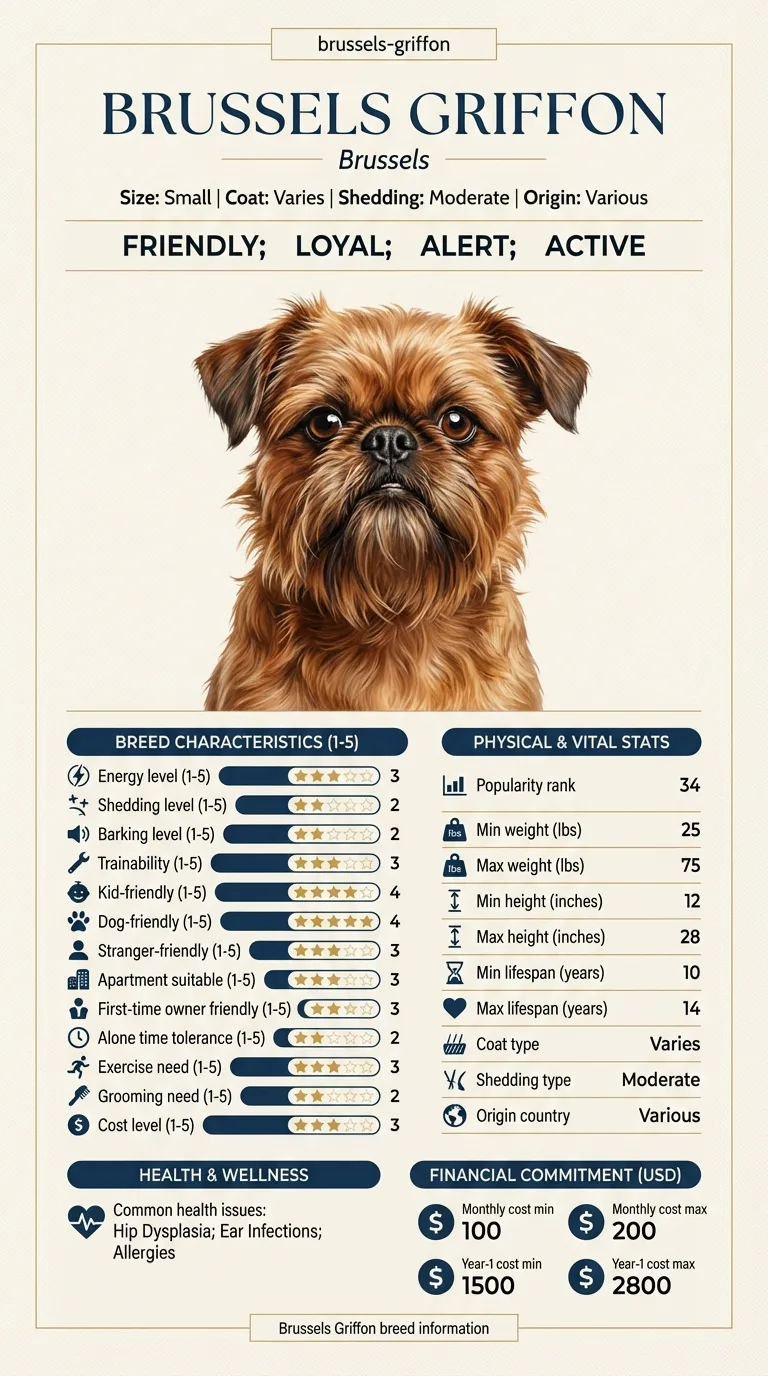
Understanding Brussels Griffon Chondrodystrophy (cddy) - When Brussels Griffon Chondrodystrophy (CDDY) is an Emergency

Turning the Corner with Charlie: A Brussels Griffon’s Journey

When Laura adopted Charlie, her Brussels Griffon, she quickly noticed his struggles with movement and discomfort. After a vet diagnosed him with chondrodystrophy (cddy), she learned how vital tailored exercise and training were for his condition. By working with a dog trainer and implementing a gentle exercise routine, Charlie's mobility improved, and he started to play more with his toys and engage with Laura during walks.

Key takeaway: With patience and the right approach, managing Brussels Griffon chondrodystrophy (cddy) can lead to a more active and joyful life for your pup.

Frequently asked questions

What is Brussels Griffon chondrodystrophy (cddy)?

Brussels Griffon chondrodystrophy (cddy) is a developmental disorder that affects bone growth in this breed. It can lead to various skeletal issues, which may cause pain and mobility challenges. Early detection and management are crucial for maintaining your dog's quality of life.

Why does my Brussels Griffon have chondrodystrophy (cddy)?

Chondrodystrophy (cddy) in Brussels Griffons is often genetic, resulting from inherited traits. Breeding practices can play a significant role in the prevalence of this condition. Consulting a vet for a proper diagnosis and management plan is essential.

How can I manage my Brussels Griffon's chondrodystrophy (cddy)?

Managing Brussels Griffon chondrodystrophy includes regular vet check-ups, maintaining a healthy weight, and providing joint supplements if recommended. Gentle exercise can help keep your dog mobile without overstraining them. Always follow your vet's advice for specific care.

What training techniques are effective for Brussels Griffons with cddy?

Positive reinforcement training works well for Brussels Griffons, including those with chondrodystrophy. Focus on short training sessions to avoid fatigue and incorporate mental stimulation activities. Consistency and patience are key to successful training.

Are there any specific exercises for Brussels Griffons with chondrodystrophy?

Low-impact exercises such as short walks and gentle play sessions are ideal for Brussels Griffons with chondrodystrophy. Avoid high-impact activities that may worsen their condition. Always consult your vet for tailored exercise recommendations.

What are the signs of chondrodystrophy (cddy) in Brussels Griffons?

Signs of Brussels Griffon chondrodystrophy (cddy) include abnormal bone growth, difficulty walking, and potential joint pain. If you notice any unusual behavior or mobility issues in your dog, it's important to consult your vet.

Can older Brussels Griffons develop chondrodystrophy (cddy)?

Chondrodystrophy (cddy) is primarily a developmental disorder, usually observed in younger dogs. However, older Brussels Griffons can experience complications related to cddy that may worsen their mobility and discomfort.

How can training help a Brussels Griffon with chondrodystrophy (cddy)?

Training can provide mental stimulation and improve your Brussels Griffon's confidence, which may help manage the symptoms of chondrodystrophy (cddy). Using positive reinforcement techniques is key to making training enjoyable and effective.

When should I take my Brussels Griffon to the vet for cddy concerns?

If your Brussels Griffon shows signs of pain, difficulty moving, or behavioral changes, it’s time to see the vet. Early intervention can prevent further complications related to chondrodystrophy (cddy).

Are there any dietary recommendations for Brussels Griffons with chondrodystrophy (cddy)?

A balanced diet rich in essential nutrients can support overall health in Brussels Griffons with chondrodystrophy (cddy). Consult your vet for specific dietary recommendations that may help manage their symptoms and maintain a healthy weight.

Quick answers

View more answers
Behavior

What are quick tips for managing Brussels Griffon chondrodystrophy (cddy)?

Monitor your dog's weight and ensure regular vet visits for check-ups. Gentle exercise and joint supplements may help manage symptoms. Consistent training using positive reinforcement can also make a difference.

Health

How often should I take my Brussels Griffon to the vet for cddy?

It's best to take your Brussels Griffon to the vet every 6-12 months for regular check-ups if they have chondrodystrophy. This frequency helps catch any changes in their condition early.

Training

Can I train my Brussels Griffon with cddy?

Yes, you can train your Brussels Griffon with chondrodystrophy using positive reinforcement techniques. Just keep training sessions short and engaging to avoid fatigue.

Related DogBreedCompass guides

  • Brussels Griffon separation anxiety guideLearn how to manage your Brussels Griffon's separation anxiety and ensure they feel secure.
  • Brussels Griffon behavior problemsDiscover common behavior problems in Brussels Griffons and how to address them effectively.
  • Brussels Griffon cost breakdownUnderstand the costs associated with owning a Brussels Griffon, including healthcare and training.
  • Brussels Griffon training tipsIf you're facing specific challenges with your Brussels Griffon, explore solutions for common problems.
  • Brussels Griffon breed informationGet insights into the characteristics and needs of Brussels Griffons to provide the best care.

Related guides