What are quick tips for managing Boxer ventricular arrhythmias?
To manage Boxer ventricular arrhythmias, ensure regular vet check-ups, maintain a calm environment, and provide a balanced diet. Monitor for symptoms and keep stress levels low.
Boxer ventricular arrhythmias can be serious, causing irregular heartbeats that may affect your dog's health.

Typically, owners of Boxers, especially those who are first-time pet parents, may struggle with recognizing the signs and knowing how to help. It can be particularly stressful for families with active lifestyles, as they may worry about their dog's heart health during play or exercise.
This guide is not medical advice. If your dog shows pain, sudden behavior change, or worsening symptoms, consult a licensed veterinarian.
Some links may be affiliate links. We may earn a commission at no extra cost to you. We only suggest products we believe are helpful for dog owners.
Boxer ventricular arrhythmias can be a serious health concern for these energetic dogs. This condition manifests as irregular heartbeats, which can lead to fainting, lethargy, or sudden collapse. Owners often notice their Boxers struggling during play or experiencing unusual tiring after routine activities.
Ventricular arrhythmias are relatively common in Boxers, particularly as they age. It's important for owners to monitor their dogs for any signs of distress and consult a vet if symptoms arise.
Boxers are predisposed to certain heart conditions, including ventricular arrhythmias. These irregular heartbeats can be linked to genetics, as many Boxers may inherit heart issues from their lineage. Additionally, their energetic nature can put strain on their hearts, sometimes exacerbating these conditions.
Environmental factors can also contribute to ventricular arrhythmias in Boxers. Stressful situations, such as loud noises or changes in routine, may trigger irregular heartbeats. Furthermore, lack of proper exercise or obesity can lead to a decline in heart health, making arrhythmias more likely.
If your Boxer shows signs of anxiety or stress, a trainer can help with behavior modification techniques. Look for trainers experienced in dealing with heart health issues or anxiety-related behaviors.
Contact your vet if you notice persistent irregular heartbeats or if your Boxer experiences fainting, lethargy, or severe breathing difficulties. Regular check-ups are essential, especially if your Boxer has a history of heart issues.
You can expect to see improvements in your Boxer's condition within 2 to 3 months of consistent training and management.
Success means your Boxer has fewer irregular heartbeats and shows more energy during playtime without showing signs of distress.
Avoiding these common pitfalls can help manage your Boxer’s ventricular arrhythmias more effectively.
Boxer ventricular arrhythmias can be serious. It's important to recognize when you need to call your vet immediately versus when you can monitor your dog at home. Keep an eye out for specific signs that indicate an emergency situation.
If your Boxer shows any of the following red-flag signs, contact your vet immediately: - Sudden collapse or fainting. - Extreme lethargy or weakness. - Difficulty breathing or rapid panting. - Persistent coughing or gagging. - Unusual or severe changes in behavior, such as restlessness.
These symptoms can indicate that your dog's heart is not functioning properly, which requires urgent medical attention. On the other hand, if your Boxer has mild symptoms like occasional irregular heartbeats without other alarming signs, you can monitor them at home. Keep track of their heart rate and note if there are any changes in their energy levels or behavior.
Create a plan to observe your dog over a few days. If the irregularities persist or worsen, it’s crucial to consult your veterinarian. Always prioritize your dog's health and safety; when in doubt, it's better to err on the side of caution.

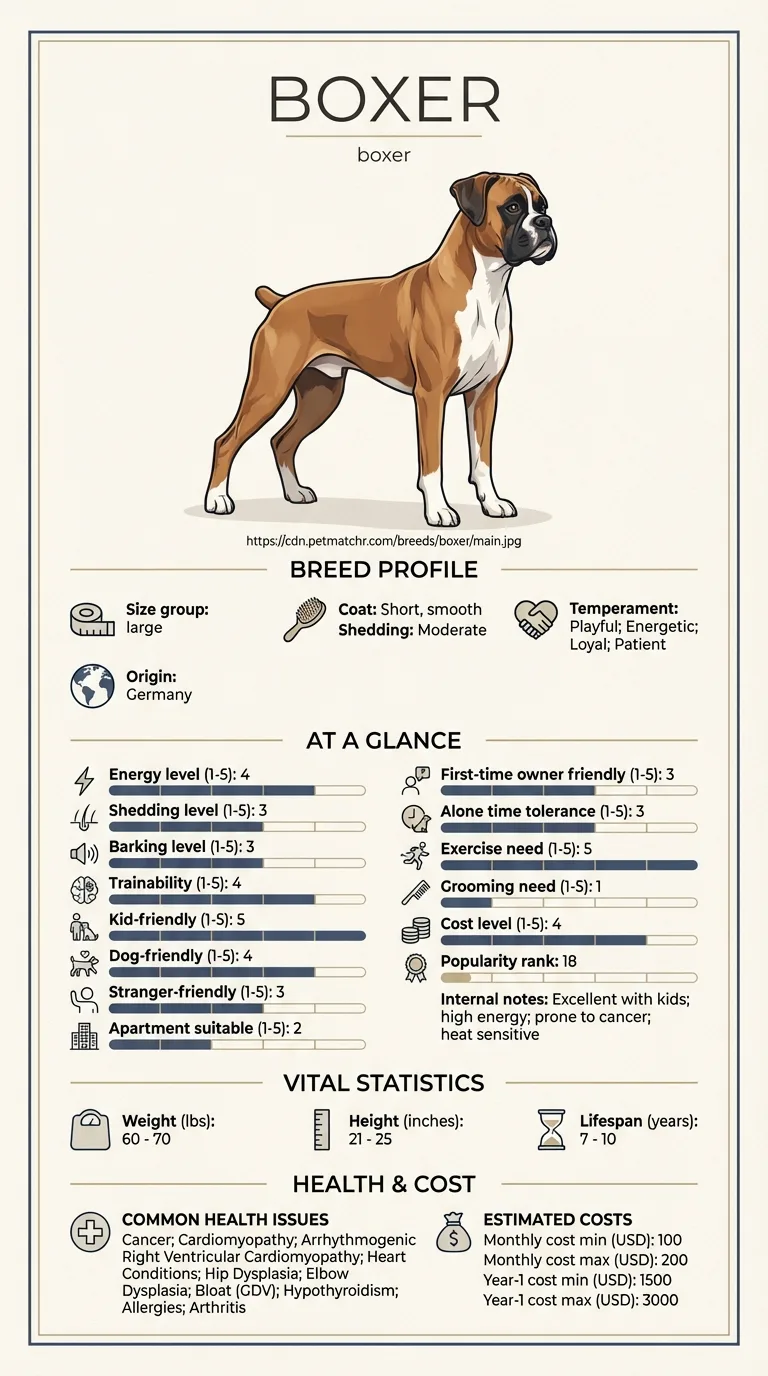
Tom, a first-time Boxer owner, noticed his dog Bella had frequent irregular heartbeats. Initially, he was worried and unsure how to help her. After consulting with his vet, Tom learned about Boxer ventricular arrhythmias and was advised on a manageable training routine. He incorporated gentle exercise and calming techniques to keep Bella relaxed. Over a few months, Tom noticed Bella was more active and her heart rate had stabilized. With the vet's guidance, he felt empowered to support her health.
Key takeaway: Understanding Boxer ventricular arrhythmias and working closely with a vet can lead to effective management and a happier, healthier dog.
Boxers can experience ventricular arrhythmias due to genetic predisposition or underlying heart conditions. Factors like stress, high energy, and age can also contribute to these irregular heartbeats. It's crucial to consult a vet for a proper diagnosis and management plan.
Symptoms may include lethargy, fainting, or excessive panting. You might also notice your Boxer having rapid heartbeats or difficulty breathing. If you observe these symptoms, it's essential to seek veterinary care immediately.
To manage ventricular arrhythmias in Boxers, your vet may recommend medication or lifestyle changes. Regular exercise in a controlled environment can help reduce stress. Monitoring your dog's health and keeping an eye on any symptoms is also vital.
Yes, positive reinforcement training can help manage stress and anxiety in Boxers with ventricular arrhythmias. Keeping training sessions short and fun will prevent overexertion. Always consult with a trainer familiar with heart issues for tailored strategies.
The long-term outlook depends on the severity of the condition and how well it is managed. Some Boxers can live normal, active lives with proper treatment. Regular vet check-ups are crucial for monitoring their heart health.
Yes, a balanced diet can play a role in overall heart health. Foods rich in omega-3 fatty acids and low in saturated fats may be beneficial. Always consult your vet for dietary recommendations tailored to your Boxer's needs.
Boxer ventricular arrhythmias can be caused by several factors, including genetic predisposition, heart disease, or other underlying health issues. In Boxers, a common cause is Arrhythmogenic Right Ventricular Cardiomyopathy (ARVC), which affects the heart muscle. It's essential to have your dog evaluated by a vet for a proper diagnosis.
Managing Boxer ventricular arrhythmias at home includes ensuring your dog has a stress-free environment and regular vet check-ups. It's also important to monitor their exercise levels and avoid overly strenuous activities that might trigger heart issues. Always consult your vet before starting any new management strategies.
If you notice your Boxer exhibiting symptoms like lethargy, fainting, or excessive panting, it's crucial to visit a vet promptly. Additionally, if your dog seems to struggle with normal activities or shows irregular breathing patterns, don't hesitate to seek medical attention. Early intervention can make a significant difference.
Yes, older Boxers can develop ventricular arrhythmias as their hearts undergo changes with age. These heart issues may be exacerbated by other health problems common in senior dogs. Regular veterinary check-ups are vital for early detection and management of heart conditions in aging Boxers.
The long-term implications of ventricular arrhythmias in Boxers can vary based on the underlying cause. Some dogs may live comfortably with the condition if managed properly, while others may face more severe health issues. Regular veterinary care and monitoring are essential to ensure your Boxer's well-being.
To manage Boxer ventricular arrhythmias, ensure regular vet check-ups, maintain a calm environment, and provide a balanced diet. Monitor for symptoms and keep stress levels low.
Treatment costs can vary widely, ranging from $100 to $300 per month, depending on medication and vet visits. Initial diagnostics may also incur additional costs.
Yes, low-impact exercises like short walks or controlled playtime can be beneficial. Avoid strenuous activities that could exacerbate their condition.
Signs like fainting, extreme lethargy, or difficulty breathing require immediate veterinary attention. These could indicate serious heart issues.
Training can help manage anxiety and stress, but it should be gentle and positive. Consult with a trainer experienced in working with dogs with health issues.