Health
What are quick tips for Boxer heart murmurs?
Monitor your Boxer for symptoms like coughing or fatigue, and consult your vet regularly. Ensure they maintain a healthy diet and appropriate exercise levels.

Quick answer
What are quick tips for Boxer heart murmurs?
Monitor your Boxer for symptoms like coughing or fatigue, and consult your vet regularly. Ensure they maintain a healthy diet and appropriate exercise levels.
Boxer heart murmurs can be a concerning health issue for your dog. They may indicate underlying heart conditions that need attention.
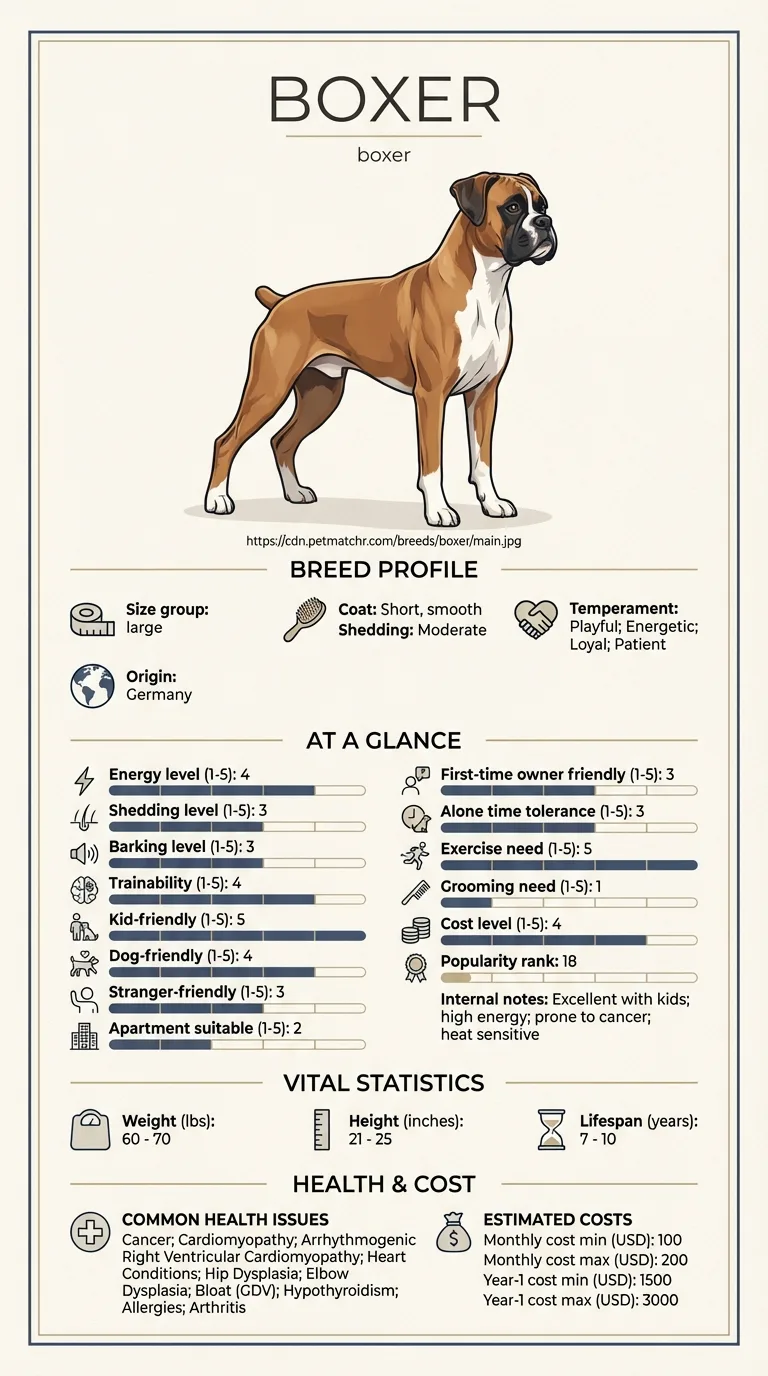
Owners of Boxers, especially first-time pet parents or those unaware of breed-specific health issues, often find themselves worried when their dog is diagnosed with heart murmurs. It can be a stressful situation, leaving them unsure of how to help their beloved pets.
This guide is not medical advice. If your dog shows pain, sudden behavior change, or worsening symptoms, consult a licensed veterinarian.
Some links may be affiliate links. We may earn a commission at no extra cost to you. We only suggest products we believe are helpful for dog owners.
We research and check what we publish, but we do not warrant that any figure, date, price, or statement is accurate, complete, or current, and we accept no liability for any loss, cost, injury, or other harm arising from the use of this site. Use it as one reference among several. You remain responsible for your own decisions and for your dog's care - confirm anything that matters with a licensed veterinarian or another qualified professional before you act on it. Full disclaimer.
Check this first
Boxer heart murmurs can be serious, and knowing when to seek help is crucial. If your Boxer shows any of the following red-flag signs, call your vet immediately. These include sudden lethargy, difficulty breathing, persistent coughing, or fainting. Rapid heart rate or abnormal behavior, such as excessive panting or restlessness, also warrant urgent attention.
On the other hand, if your Boxer has a heart murmur but seems otherwise healthy, you may monitor the situation. Mild symptoms, such as occasional cough or slight fatigue, can typically be managed at home. Keep an eye on any changes, and consider scheduling a vet visit for a thorough check-up. Make sure to maintain regular vet appointments to assess your Boxer’s heart health over time.
If any of these apply, call your vet or an emergency clinic now. The rest of this page is for the cases that are not an emergency.
Boxer heart murmurs can be a concerning issue for dog owners. Day-to-day, you might notice your Boxer having a faint or abnormal heartbeat. This can lead to fatigue, coughing, or even fainting, especially during exercise or excitement.
Heart murmurs are relatively common in Boxers, especially as they age. Many Boxers may develop them due to their genetic background, making it crucial for owners to monitor their dog's heart health regularly.
Boxers can be predisposed to heart murmurs due to genetic factors. Certain heart conditions, like cardiomyopathy, are more common in this breed. These murmurs may indicate structural issues in the heart that are often hereditary.
Environmental factors can also contribute to the development of heart murmurs in Boxers. High-stress situations, lack of exercise, and poor diet can lead to heart complications. Additionally, being overweight can put extra strain on a Boxer's heart.
If you notice persistent coughing, lethargy, or rapid breathing in your Boxer, consult a vet immediately. They can perform a thorough examination and recommend treatments or lifestyle changes to help manage heart murmurs.
Certain behaviors can unintentionally worsen your Boxer's heart murmur condition. Here are some common mistakes to avoid, along with safer alternatives.
Start here: Boxer Most Common Genetic Disorders: What to Screen For
See all Boxer health problems, which breeds are prone to heart murmurs, or the full Boxer breed guide for temperament, exercise needs and ownership costs.
Addressing Boxer heart murmurs can take several weeks to months. Regular vet check-ups and monitoring are essential for progress.
Success means stabilized heart health, improved energy levels, and fewer symptoms. Your Boxer should appear more energetic and less lethargic.
When Lisa adopted Max, her energetic Boxer, she noticed he often seemed tired during playtime. After a vet visit, she learned Max had heart murmurs, a common issue in Boxers. Determined to help him, Lisa followed a tailored plan that included regular vet check-ups, medication, and controlled exercise. Over the next few months, Max's condition improved significantly. He became more active and playful, making Lisa feel relieved and happy.
Key takeaway: With proper care and attention, managing Boxer heart murmurs is possible. Regular veterinary visits and a well-structured routine can lead to a healthier, happier dog.
Boxer heart murmurs can be caused by various issues, including valve diseases or heart conditions. Regular veterinary check-ups can help identify these problems early. If you notice symptoms like coughing or fatigue in your Boxer, consult your vet.
To help your Boxer, maintain a healthy diet and ensure regular exercise tailored to their needs. Additionally, follow your vet's recommendations for any medications or supplements. Regular monitoring of their condition is crucial.
Symptoms may include coughing, difficulty breathing, fatigue, or a change in appetite. Some Boxers might also show signs of exercise intolerance. If you notice any of these symptoms, it's essential to visit your veterinarian.
Yes, treatment options depend on the underlying cause of the heart murmur. Your vet may recommend medications, lifestyle changes, or even surgery in some cases. Early intervention can significantly improve your Boxer's quality of life.
It's best to have your Boxer checked at least once a year if they have a heart murmur. More frequent visits may be necessary if their condition worsens or they start showing symptoms. Regular check-ups help monitor their heart health.
Consider a balanced diet, controlled exercise, and weight management. Reducing stress and providing a calm environment can also aid their condition. Always consult your vet before making significant changes to their routine.
Boxer heart murmurs can be caused by several issues, including valve disease, cardiomyopathy, or congenital heart defects. It's essential to consult a vet for a proper diagnosis to determine the underlying cause.
If your Boxer shows signs like lethargy, coughing, or difficulty breathing, it's crucial to seek veterinary care. These symptoms could indicate a more severe condition related to heart murmurs.
Yes, older Boxers are more prone to heart murmurs due to age-related heart changes. Regular vet check-ups are vital to monitor their heart health and prompt action if issues arise.
Treatment for Boxer heart murmurs depends on the underlying cause. Options may include medication, lifestyle changes, or surgery in severe cases. Always follow your vet's recommendations.
Maintaining a calm environment and ensuring your Boxer gets moderate exercise can help. Monitoring their diet and offering heart-healthy food can also be beneficial. Always consult your vet for tailored advice.
Monitor your Boxer for symptoms like coughing or fatigue, and consult your vet regularly. Ensure they maintain a healthy diet and appropriate exercise levels.
Create a calm environment and establish a consistent routine to help reduce your Boxer's stress levels. Engage in gentle play and relaxation activities.
Boxers can suffer from various heart issues, including cardiomyopathy and valve diseases. Regular vet visits can help catch these problems early.
Yes, but tailor the exercise to their condition. Short, gentle walks are usually best, as overexertion can worsen their heart condition.
Look for a balanced diet with high-quality ingredients. Consult your vet for specific dietary recommendations based on your Boxer's health status.
A one-page prep sheet for this condition: the signs, the questions to ask, what to get priced. Unlocks here.
You get: Vet visit prep sheet
No spam. One-click unsubscribe. See our privacy policy.
Preview page 1 before you decide.