Behavior
What are quick tips for managing Boxer exercise intolerance?
Limit exercise during hot days, opt for early morning or late evening walks, and focus on shorter play sessions. Always keep fresh water available to prevent overheating.

Quick answer
What are quick tips for managing Boxer exercise intolerance?
Limit exercise during hot days, opt for early morning or late evening walks, and focus on shorter play sessions. Always keep fresh water available to prevent overheating.
Boxer exercise intolerance is a common issue that can affect your dog's ability to engage in physical activity. This can lead to overheating and increased health risks.
Owners of Boxers, especially those who are active or live in warmer climates, often face this issue. New dog parents or those unaware of their breed's specific needs might find themselves puzzled when their Boxer can't keep up with exercise routines.
This guide is not medical advice. If your dog shows pain, sudden behavior change, or worsening symptoms, consult a licensed veterinarian.
Some links may be affiliate links. We may earn a commission at no extra cost to you. We only suggest products we believe are helpful for dog owners.
We research and check what we publish, but we do not warrant that any figure, date, price, or statement is accurate, complete, or current, and we accept no liability for any loss, cost, injury, or other harm arising from the use of this site. Use it as one reference among several. You remain responsible for your own decisions and for your dog's care - confirm anything that matters with a licensed veterinarian or another qualified professional before you act on it. Full disclaimer.
Check this first
Red flags that signal an emergency include excessive panting, lethargy, or collapse after minimal activity. If your Boxer shows signs of confusion, vomiting, or has difficulty breathing, these are serious symptoms that warrant an urgent call to your vet. Also, if your dog’s heart rate remains elevated long after exercise, don't hesitate to seek help.
On the other hand, if your Boxer appears tired but is still responsive and can walk, you might choose to monitor the situation at home. Mild cases can be managed with a rest plan, ensuring your dog stays hydrated and cool. Keep an eye on their behavior and energy levels, noting any changes over the next few days.
In summary, it’s better to err on the side of caution. If you’re ever in doubt, it’s always a good idea to consult with your veterinarian. They can provide guidance tailored to your Boxer’s specific needs and help establish a safe exercise routine.
If any of these apply, call your vet or an emergency clinic now. The rest of this page is for the cases that are not an emergency.
Boxer exercise intolerance is a condition where these active dogs struggle to keep up during physical activities. This can manifest as excessive panting, fatigue, or reluctance to engage in play. Owners may notice their Boxer needing frequent breaks, even during moderate exercise, which can be concerning for a breed known for its high energy level.
Exercise intolerance is relatively common among Boxers, especially as they age or if they have certain health problems. Many owners report these symptoms, particularly in warmer months or after prolonged activity.
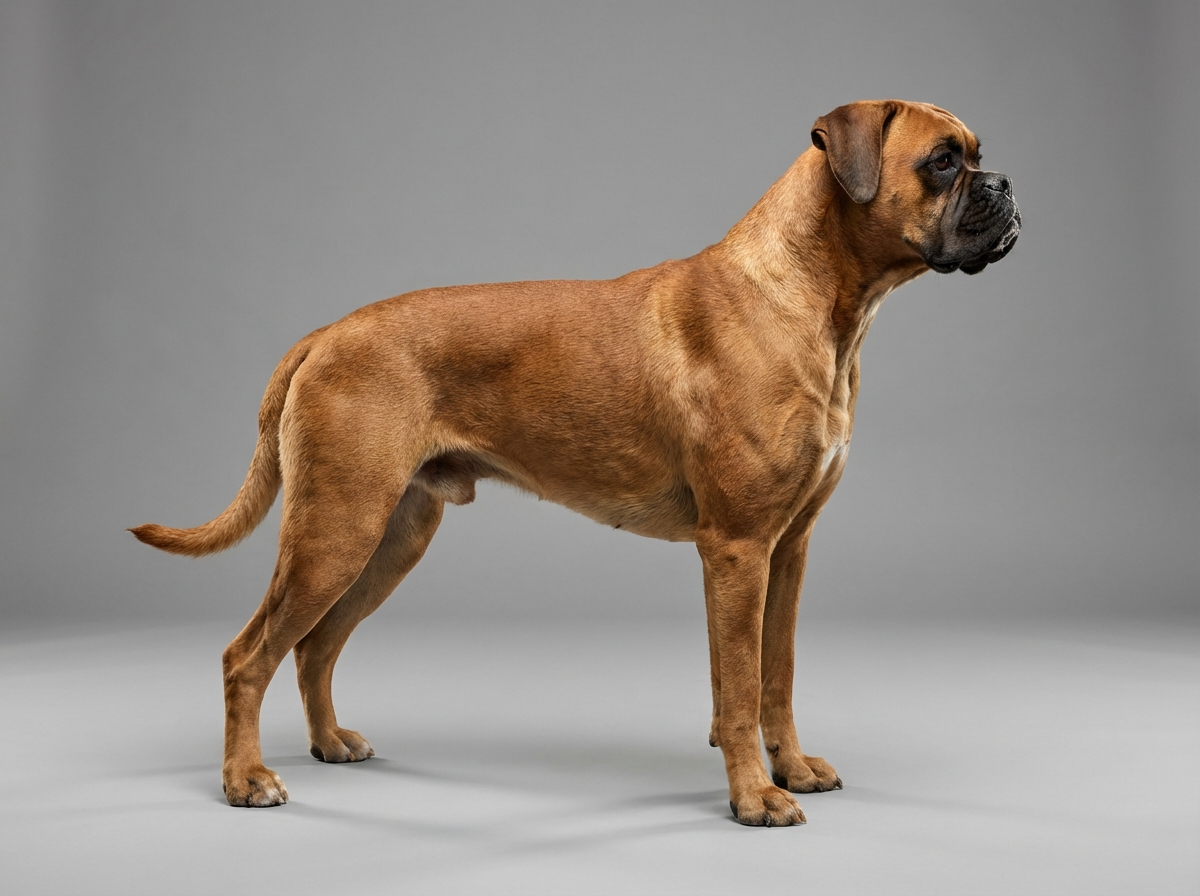
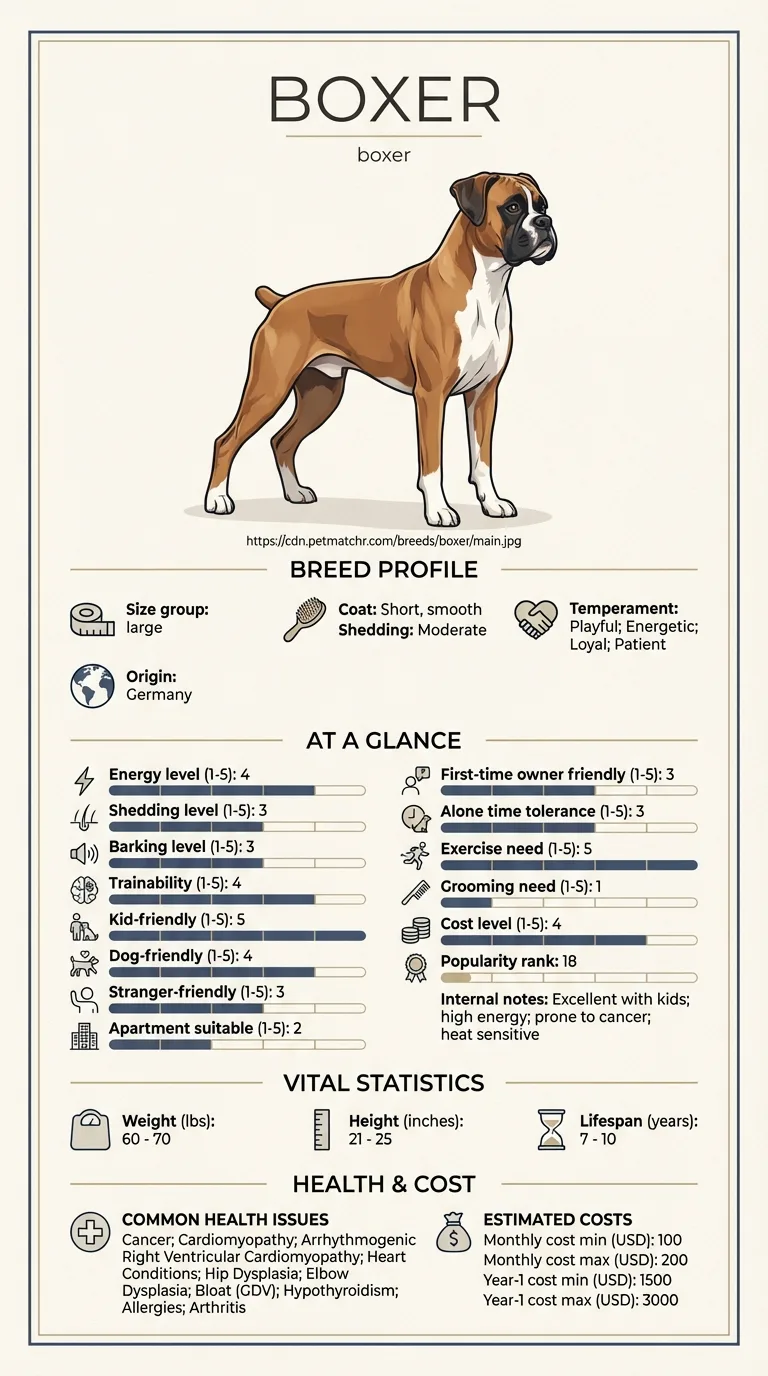
Boxers are a large breed with a high energy level, but they can be prone to certain health issues. Their short snouts can make breathing difficult during intense exercise. This can lead to exercise intolerance, especially in hot weather or after heavy physical activity.
Environmental factors can also play a role in exercise intolerance. High temperatures, humidity, and lack of proper hydration can exacerbate breathing difficulties. Additionally, a sedentary lifestyle or lack of gradual exercise can lead to decreased stamina in Boxers.
It's essential to talk to your vet if you notice severe exercise intolerance or other concerning symptoms, such as collapsing, excessive panting, or coughing. These could indicate underlying health issues that need to be addressed.
Understanding common pitfalls can help you manage your Boxer’s exercise intolerance better. Here are some mistakes to avoid.
Start here: Boxer Most Common Genetic Disorders: What to Screen For
See all Boxer health problems, which breeds are prone to exercise intolerance, or the full Boxer breed guide for temperament, exercise needs and ownership costs.
You may see improvements within 4 to 6 weeks of consistent care and management.
Success means your Boxer can enjoy regular exercise without excessive fatigue or overheating, and you feel confident in managing their exercise needs.
Sam, a busy nurse in Atlanta, adopted a Boxer named Max. Initially, Max struggled with exercise intolerance, becoming easily fatigued during walks. After researching, Sam learned how to adjust Max's exercise routine, incorporating shorter, more frequent walks and plenty of breaks. Over a few weeks, Max built up his stamina and began enjoying playtime without excessive panting or fatigue.
Key takeaway: With patience and the right approach, it's possible to help your Boxer enjoy exercise safely and happily.
Boxer exercise intolerance often stems from their high energy levels combined with physical limitations. Factors like heat sensitivity, heart conditions, or even muscle problems can contribute to their inability to handle intense workouts. It's crucial to monitor their behavior and consult a vet if you notice signs of distress.
Start by adjusting their exercise routine to include shorter, more frequent sessions rather than long, strenuous workouts. Incorporate low-impact activities like swimming or leisurely walks. Always pay attention to their energy levels and rest them if they show signs of fatigue.
Signs of exercise intolerance in Boxers include excessive panting, drooling, lethargy, or difficulty walking. If they seem disoriented or refuse to continue exercising, it's time to stop and let them rest. Always keep an eye on their behavior during physical activity.
Yes, training can help, but it must be gradual and tailored to their needs. Focus on building endurance through low-impact exercises and positive reinforcement. Always monitor their response and adjust the intensity based on their comfort level.
Regular vet check-ups are vital for Boxers with exercise intolerance. They should be screened for heart issues, hip dysplasia, and other potential health concerns. Frequent assessments can help identify any underlying problems and keep your dog healthy.
Signs of exercise intolerance in Boxers include excessive panting, lethargy, or difficulty in keeping up during walks. You may also notice that your Boxer seems disinterested in play, or struggles to recover after moderate activity.
For older Boxers, it's important to tailor their exercise routine to their energy levels. Short, frequent walks and gentle playtime can be more beneficial than long runs. Always consult your vet if you notice significant changes in their activity levels.
Absolutely. Exercise intolerance can sometimes indicate underlying health problems like heart conditions or breathing issues. If your Boxer shows persistent signs of intolerance, it's essential to consult your veterinarian for a thorough examination.
If your Boxer overheats, move them to a cool area immediately and offer fresh water. You can also use a damp cloth to help cool them down. If symptoms persist or worsen, seek veterinary assistance as overheating can lead to serious health issues.
Yes, some Boxers may be more prone to exercise intolerance, especially those with existing health conditions like cardiomyopathy or hip dysplasia. It's crucial to monitor their fitness level and adjust exercises accordingly to keep them safe and healthy.
Limit exercise during hot days, opt for early morning or late evening walks, and focus on shorter play sessions. Always keep fresh water available to prevent overheating.
Boxers typically need about 1 to 2 hours of exercise daily, but this can vary based on their age and health. Adjust their routine based on their energy levels and signs of fatigue.
Stop the activity immediately and ensure they have access to shade and water. If symptoms persist or worsen, contact your veterinarian for advice.
A one-page prep sheet for this condition: the signs, the questions to ask, what to get priced. Unlocks here.
You get: Vet visit prep sheet
No spam. One-click unsubscribe. See our privacy policy.
See a sample page before you decide.
Early access list
The free prep sheet covers the same-day warning signs, a symptom log and the questions to ask. We are considering a fuller kit that adds a cost worksheet for the usual tests and treatments (US price ranges with their sources) and a plain-English guide to ways of covering the bill. It is not built yet; this list tells us whether it is worth building.
One email, no spam, unsubscribe anytime. Information only, not veterinary advice.