Health
What are Boxer cataracts quick tips?
Monitor your Boxer's eye health regularly and schedule vet check-ups for early detection, as this can prevent worsening cataracts.

Quick answer
What are Boxer cataracts quick tips?
Monitor your Boxer's eye health regularly and schedule vet check-ups for early detection, as this can prevent worsening cataracts.
Boxer cataracts are a common eye issue that can affect your dog's vision and quality of life.
Owners of Boxers, especially those over the age of five, often struggle with cataracts. It's frustrating to see your dog facing vision problems. Many owners notice signs such as difficulty seeing in low light or bumping into objects.
This guide is not medical advice. If your dog shows pain, sudden behavior change, or worsening symptoms, consult a licensed veterinarian.
Some links may be affiliate links. We may earn a commission at no extra cost to you. We only suggest products we believe are helpful for dog owners.
We research and check what we publish, but we do not warrant that any figure, date, price, or statement is accurate, complete, or current, and we accept no liability for any loss, cost, injury, or other harm arising from the use of this site. Use it as one reference among several. You remain responsible for your own decisions and for your dog's care - confirm anything that matters with a licensed veterinarian or another qualified professional before you act on it. Full disclaimer.
Check this first
Boxer cataracts can vary in severity, and knowing when to act is crucial. If you notice sudden changes in your dog's vision, such as bumping into things or showing signs of confusion, it might be time to call your vet. Other red-flag signs include excessive squinting, a change in eye color, or any swelling around the eyes. These symptoms could indicate a more serious condition that requires immediate attention.
On the other hand, if your Boxer has mild cataracts but isn't showing any distress or significant vision problems, you can monitor the situation. Keep an eye on your dog's behavior and note any gradual changes. Regular vet check-ups can help track the cataracts' progression. Make sure to maintain open communication with your vet about any concerns. They can guide you on how to stop Boxer cataracts from worsening and recommend a suitable training plan to help your dog adjust if needed.
If any of these apply, call your vet or an emergency clinic now. The rest of this page is for the cases that are not an emergency.
Boxer cataracts are a common eye condition that affects the clarity of the lens in a dog's eye. This can lead to blurred vision, and in severe cases, complete blindness. Owners may notice their Boxer struggling to navigate familiar spaces or showing signs of confusion, especially in low-light conditions.
Cataracts are relatively common in Boxers, especially as they age. Many owners may encounter this issue, particularly in dogs over five years old. Regular vet check-ups can help catch and manage this condition early.
Boxers can be more prone to developing cataracts due to genetic factors. These hereditary issues may cause the eye lens to cloud over time, affecting their vision. Additionally, Boxers are at risk for other health problems that can contribute to cataracts.
Environmental factors such as excessive sun exposure can also lead to cataracts in Boxers. Poor nutrition, including diets lacking antioxidants, may worsen their eye health. Lastly, chronic health issues like diabetes can increase the likelihood of cataract formation.
If you notice any signs of cataracts, such as cloudy eyes or changes in your dog's behavior, schedule an appointment with your vet. They can assess the severity of the cataracts and discuss treatment options.
When dealing with Boxer cataracts, understanding common mistakes can help prevent worsening the condition. Here are some behaviors to avoid:
Start here: Boxer Most Common Genetic Disorders: What to Screen For
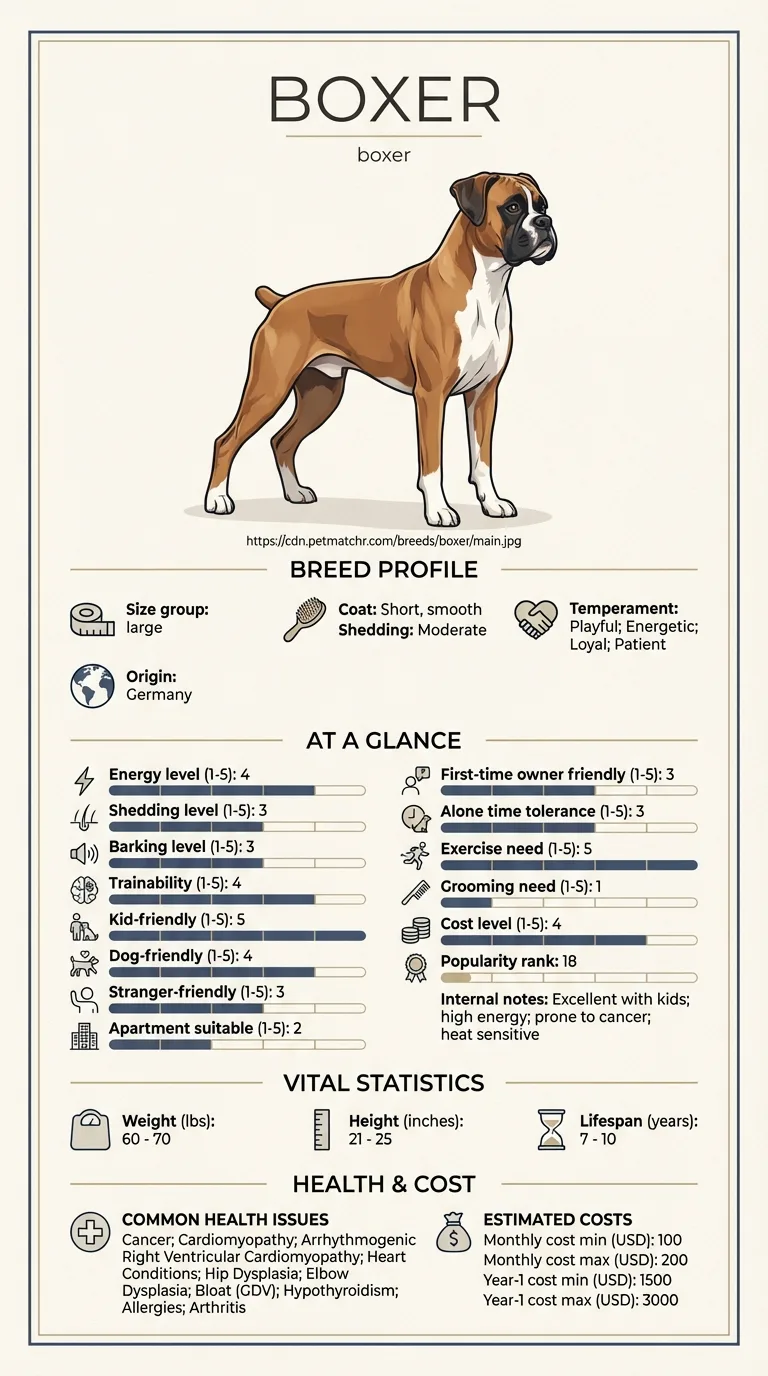
See all Boxer health problems, which breeds are prone to cataracts, or the full Boxer breed guide for temperament, exercise needs and ownership costs.
It typically takes a few months to see significant improvement in your Boxer's cataracts after starting treatment or care. Regular vet check-ups are essential during this time.
Success means your Boxer maintains good vision and comfort, and you notice a decrease in the cloudiness of their eyes. Improved quality of life and a happier demeanor are also key signs.
Jenna, a busy nurse, noticed her 8-year-old Boxer, Max, struggling to navigate stairs and bumping into furniture. Worried about his cataracts, she took him to the vet, who recommended a treatment plan and introduced her to a few training techniques. Jenna committed to daily eye drops and adjusted Max's environment to make it safer. After three months, Max's vision improved, allowing him to play fetch again and enjoy his walks without fear. Jenna felt a sense of relief seeing Max happy and active once more.
Key takeaway: With dedication and proper care, many Boxers with cataracts can lead fulfilling lives, proving that pet owners can make a significant difference in their dog's well-being.
Boxers can develop cataracts due to a variety of reasons, including genetics, aging, or underlying health issues. If you notice cloudiness in their eyes, it's best to consult a vet for a proper diagnosis and treatment plan.
Preventing cataracts involves regular vet check-ups and maintaining a healthy lifestyle for your Boxer. Ensure they have a balanced diet, regular exercise, and avoid exposing them to harmful substances.
Treatment for cataracts in Boxers usually involves surgery to remove the cloudy lens. Post-surgery care and follow-up appointments with your vet are crucial for a successful recovery.
Common signs of cataracts in Boxers include cloudy or white eyes, difficulty seeing, and changes in behavior, like bumping into objects. If you observe these symptoms, consult your vet promptly.
Yes, cataracts can lead to secondary issues like glaucoma and retinal detachment if left untreated. Regular veterinary check-ups are essential to monitor your dog's eye health.
Cataract surgery is generally safe for Boxers and can significantly improve their quality of life. However, discuss any risks with your vet to ensure it's the right choice for your dog.
Provide a calm environment and follow your vet's instructions closely. Ensuring your Boxer has a comfortable space and manageable exercise will help them during recovery from cataract treatment.
Cataracts in Boxers can develop due to aging, genetics, or underlying health issues. Some Boxers may also be genetically predisposed to cataracts, making it important to monitor their eye health regularly.
Yes, untreated cataracts can lead to blindness in Boxers. It's crucial to consult with a veterinarian if you notice any signs of vision problems, such as bumping into things or difficulty navigating stairs.
For older Boxers with cataracts, keeping their environment safe and familiar is essential. You may also consider using harnesses or baby gates to prevent accidents, and consult with your vet about potential treatments or surgeries.
Training can help a Boxer with cataracts adjust to their vision loss. Use verbal cues and consistent commands to guide them, and consider incorporating scent games to stimulate their other senses.
If you notice any signs of cataracts, such as cloudiness in the eyes or changes in behavior related to vision, it’s time to visit the vet. Early intervention can often prevent further complications.
Monitor your Boxer's eye health regularly and schedule vet check-ups for early detection, as this can prevent worsening cataracts.
Cataract surgery for Boxers can range from $2,500 to $4,000, depending on the veterinarian and location.
Yes, cataracts can be hereditary in Boxers. If your dog's parents had cataracts, they might be at a higher risk.
Limit activities that require sharp vision, like fetch or agility training, until your dog is evaluated by a vet.
Create a safe and familiar environment. Avoid moving furniture and keep their space consistent to minimize accidents.
A one-page prep sheet for this condition: the signs, the questions to ask, what to get priced. Unlocks here.
You get: Vet visit prep sheet
No spam. One-click unsubscribe. See our privacy policy.
Preview page 1 before you decide.