Behavior
What are quick tips for Boxer bloat (gastric dilatation-volvulus/gdv)?
Feed your Boxer smaller meals and avoid vigorous exercise post-meal. Use slow feeder bowls to promote slower eating.
Boxer bloat, also known as gastric dilatation-volvulus (GDV), is a serious condition that can be life-threatening for your dog. (Boxer bloat (gastric dilatation-volvulus/gdv))
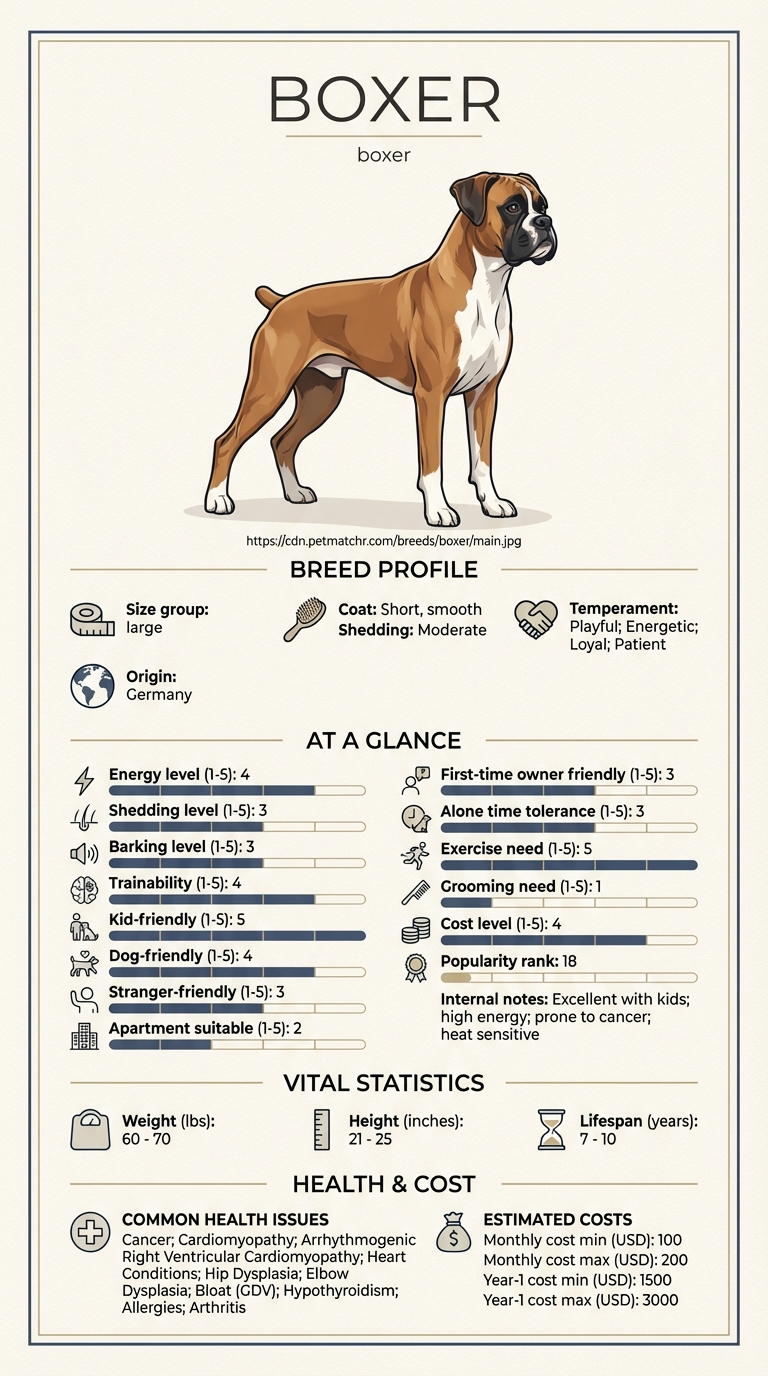
Owners of Boxers, especially first-time pet parents, may find themselves anxious about this condition. Busy families or individuals who may not have prior experience with dog health issues often face challenges in identifying and responding to the signs of bloat.
This guide is not medical advice. If your dog shows pain, sudden behavior change, or worsening symptoms, consult a licensed veterinarian.
Some links may be affiliate links. We may earn a commission at no extra cost to you. We only suggest products we believe are helpful for dog owners.
Boxer bloat, also known as gastric dilatation-volvulus (GDV), is a serious condition that can affect your dog's health. It occurs when the stomach fills with gas and twists on itself, leading to severe pain and potential shock. This condition is particularly common in large, deep-chested breeds like Boxers, making it essential for owners to recognize the signs early.
Bloat is a significant concern for Boxer owners, with studies showing that this breed is notably prone to GDV. It's crucial to be vigilant, as the condition can develop rapidly and requires immediate veterinary attention.
Boxers are prone to bloat (gastric dilatation-volvulus/GDV) due to their deep chest and rapid eating habits. Their energetic nature can also lead to gulping down food and air quickly, increasing the risk of this condition.
Stressful environments, such as loud noises or changes in routine, can trigger anxiety in Boxers. This stress may lead them to eat more quickly, which can contribute to bloat.
If your Boxer shows signs of anxiety or stress around mealtime, consider working with a trainer. They can help with techniques to manage your dog's behavior and reduce bloat triggers.
If your Boxer exhibits symptoms like a distended abdomen, excessive drooling, or restlessness, contact your vet immediately. Bloat is a serious condition that requires urgent medical attention.
If you notice signs of bloat in your Boxer, such as a swollen abdomen or distress, seek immediate veterinary help. Treatment can vary, but many dogs begin to show improvement within 24 to 48 hours after appropriate care.
Success means your Boxer is back to their normal self, eating regularly and playing without discomfort. Regular vet check-ups will help ensure they stay healthy and reduce the risk of future episodes.
Avoiding these common mistakes can help you manage Boxer bloat better and keep your dog safe.
Boxer bloat, also known as gastric dilatation-volvulus (GDV), is a serious condition that requires immediate attention. Here are some red-flag signs to look for. If your Boxer exhibits any of these symptoms, you should call your vet or emergency animal clinic right away:
- Swollen abdomen that feels tight or hard - Attempting to vomit but nothing comes up - Rapid breathing or panting - Weakness or lethargy - Signs of distress or discomfort
These symptoms can indicate that your dog's stomach is twisted, which can be life-threatening. Don’t wait; get help immediately!
If your Boxer shows mild signs of bloating, such as slight discomfort or a little gas, you can monitor the situation at home. In these cases, try to keep your dog calm and restrict food intake for a few hours. Watch for changes in behavior or severity of symptoms. If it worsens or doesn’t improve, then it's time to consult your vet.
It's essential to understand the difference between a potential emergency and a situation that can be observed. Quick action can save your dog's life. Always err on the side of caution when it comes to your Boxer’s health.
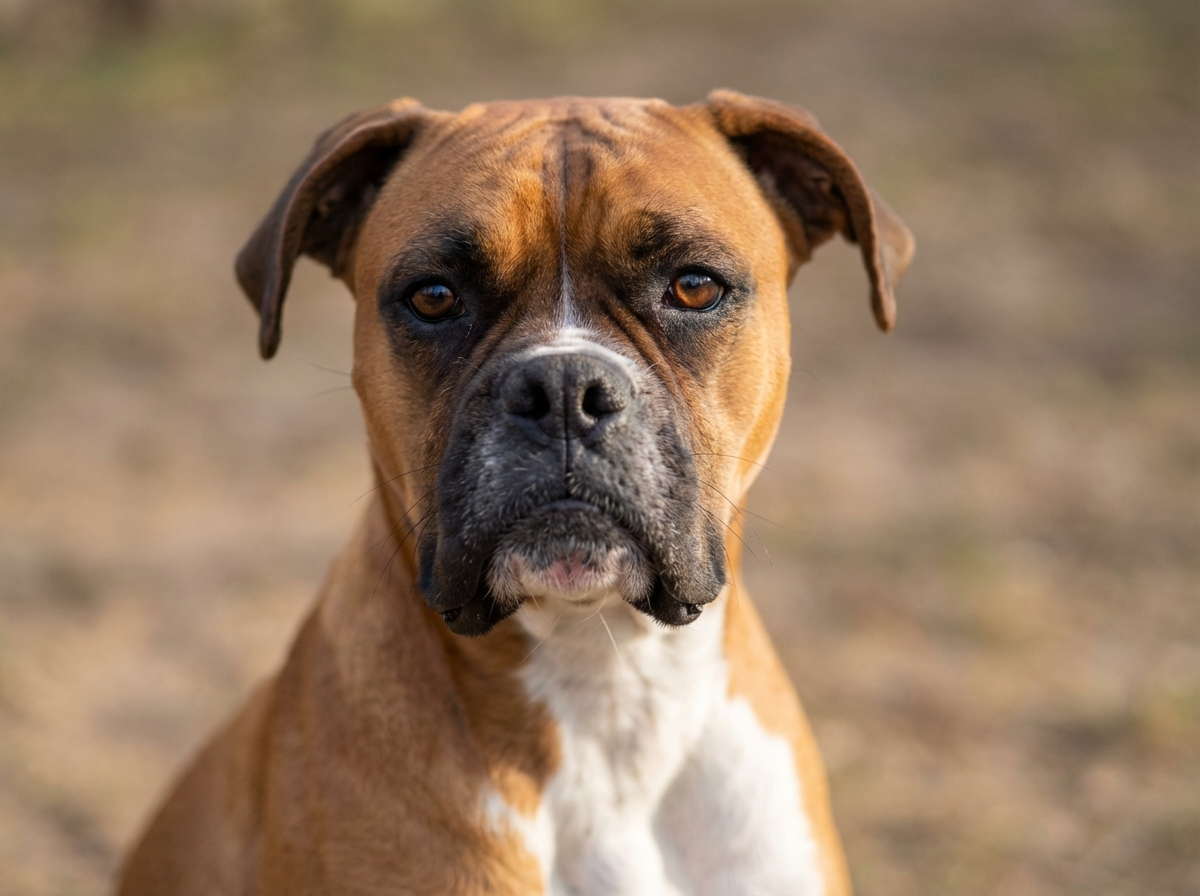
Jake, a first-time dog owner, was excited to bring home Max, his energetic Boxer. One evening, he noticed Max was unusually restless and had a swollen belly. After a quick call to the vet, Jake rushed Max in for evaluation. Thankfully, it turned out to be a mild case of bloat. The vet advised Jake on how to prevent it, including feeding smaller meals and avoiding vigorous exercise right after eating. With these changes, Max has been thriving and Jake now has peace of mind.
Key takeaway: Awareness and quick action can save your dog's life. Knowing the signs of bloat and how to prevent it is crucial for Boxer owners.
Boxers can develop bloat due to a combination of factors, including their deep chests and tendency to eat quickly. Stress and vigorous exercise after meals can also contribute. Understanding your dog's eating habits and managing their stress levels can help reduce the risk.
To prevent bloat, feed your Boxer smaller meals throughout the day instead of one large meal. Avoid exercise for at least an hour after eating, and consider using a slow feeder bowl. Regular vet check-ups are essential to monitor any potential health issues.
Signs of bloat in Boxers include a swollen abdomen, restlessness, excessive drooling, and attempts to vomit without success. If you notice these symptoms, it's crucial to seek veterinary care immediately, as bloat can be life-threatening.
Yes, training can play a role in preventing bloat. Teaching your Boxer to eat slowly and remain calm during meals can significantly reduce the risk of developing bloat. Positive reinforcement methods work best for this type of training.
Bloat is a serious condition that is more common in certain breeds, including Boxers. Being aware of the risk factors and symptoms can help you take preventive measures and ensure your dog's health.
Early signs of bloat in Boxers can include restlessness, an enlarged abdomen, and attempts to vomit without success. If your Boxer shows these symptoms, it's important to seek veterinary help immediately.
Yes, diet can play a significant role in the risk of bloat. Feeding smaller, more frequent meals and avoiding high-gas foods may help reduce the likelihood of this serious condition.
Older Boxers may be at a higher risk for bloat due to age-related health issues. If your older Boxer exhibits signs of discomfort, it's crucial to consult with your vet to evaluate their risk and discuss preventative measures.
To prevent bloat, you can monitor feeding habits, avoid vigorous exercise after meals, and consider using a slow feeder bowl. Regular vet check-ups can also help in identifying any underlying health issues.
If you suspect your Boxer has bloat, take them to a veterinarian immediately. This condition can progress quickly and requires urgent medical intervention to avoid serious complications or death.
Feed your Boxer smaller meals and avoid vigorous exercise post-meal. Use slow feeder bowls to promote slower eating.
Boxer bloat can be life-threatening and requires immediate veterinary attention. Recognizing the signs early can save your dog's life.
Yes, stress can contribute to the risk of bloat. Keeping your Boxer calm during meal times is essential.
Treatment for bloat can range from $1,500 to $7,500, depending on the severity and required interventions.