Living
What are quick tips for managing x-scid in Border Collies?
Regular vet check-ups and a low-stress environment are key for managing x-scid. Keep your dog away from crowded places to minimize infection risks.

Quick answer
What are quick tips for managing x-scid in Border Collies?
Regular vet check-ups and a low-stress environment are key for managing x-scid. Keep your dog away from crowded places to minimize infection risks.
Border Collie x-scid is a severe combined immunodeficiency that can seriously affect your dog's health. This condition leaves them vulnerable to infections, making proper care essential.
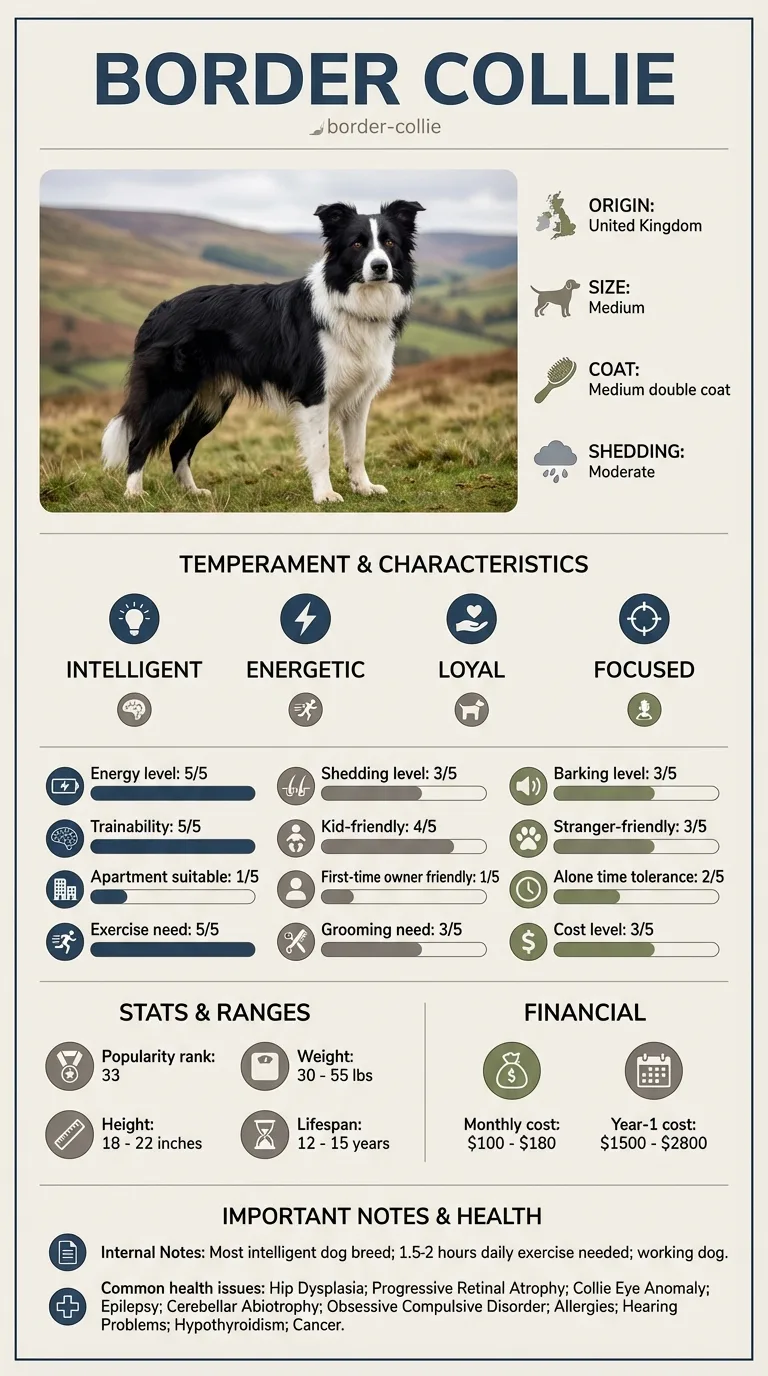
This issue often affects dedicated dog owners who want the best for their pets, especially those with active lifestyles. If you're a first-time owner or someone with limited experience, the challenges of managing a dog with x-scid can feel overwhelming.
This guide is not medical advice. If your dog shows pain, sudden behavior change, or worsening symptoms, consult a licensed veterinarian.
Some links may be affiliate links. We may earn a commission at no extra cost to you. We only suggest products we believe are helpful for dog owners.
We research and check what we publish, but we do not warrant that any figure, date, price, or statement is accurate, complete, or current, and we accept no liability for any loss, cost, injury, or other harm arising from the use of this site. Use it as one reference among several. You remain responsible for your own decisions and for your dog's care - confirm anything that matters with a licensed veterinarian or another qualified professional before you act on it. Full disclaimer.
Check this first
Knowing when your Border Collie x-scid needs immediate veterinary attention is crucial. There are clear signs that indicate a need for urgent care, while other symptoms may allow for monitoring at home. Always trust your instincts; if something feels off, don't hesitate to call your vet.
If any of these apply, call your vet or an emergency clinic now. The rest of this page is for the cases that are not an emergency.
Border Collie x-scid can face daily challenges due to Severe Combined Immunodeficiency (X-SCID). This condition affects their immune system, making them vulnerable to infections and illnesses. Owners often notice their dogs feeling lethargic or frequently getting sick, which can be distressing for both the pet and the owner.
X-SCID is rare but can occur in Border Collies. While not every Border Collie will have this issue, it's crucial for potential owners to be aware of it. Regular vet check-ups and a watchful eye can help manage any related health concerns.
Border Collies, like many breeds, may inherit genetic conditions such as X-SCID, which is a rare immunodeficiency. This condition makes them more susceptible to infections and can lead to various health issues. Their high energy and intelligence can sometimes mask their underlying health problems as they may continue to act normally despite feeling unwell.
Environmental factors can also play a role in the health of Border Collies. Stressful environments, lack of proper nutrition, and exposure to pathogens can exacerbate health issues. If your dog is living in a chaotic or unsupportive environment, it might weaken their immune system further.
Consult your vet immediately if you notice any signs of illness or if your Border Collie's behavior changes significantly. Since X-SCID is a serious condition, regular vet check-ups are essential to monitor their health and manage any complications.
Avoiding these common mistakes can help your Border Collie x-scid live a healthier life and manage its condition more effectively.
Start here: Border Collie Most Common Genetic Disorders: Screening
See all Border Collie health problems, which breeds are prone to x scid, or the full Border Collie breed guide for temperament, exercise needs and ownership costs.
You can expect to see improvements in your Border Collie x-scid's behavior within 4 to 6 weeks of consistent care and support.
Success looks like your dog becoming more comfortable with their environment, showing less anxiety, and responding positively to training commands.
If you notice any of the following symptoms, it’s time to get your Border Collie x-scid to a vet immediately: - Persistent vomiting or diarrhea - Extreme lethargy or weakness - Difficulty breathing or coughing - Swollen abdomen - Signs of severe pain (whining, pacing) - Unexplained bleeding or bruising - Loss of appetite for more than 24 hours

For less severe symptoms, you can monitor your Border Collie x-scid for changes. Look out for these signs that may not require immediate vet visits: - Mild coughing - Occasional vomiting or diarrhea - Decreased energy but still playful - Minor skin irritations - Slight changes in appetite

Sara, a busy nurse in Seattle, adopted Max, a Border Collie x-scid, hoping for a loyal companion. However, Max struggled with anxiety, often hiding and refusing to engage with Sara or her friends. After researching, Sara discovered training techniques specifically for dogs with separation anxiety. With patience, she started a daily routine of short training sessions and gradually introduced Max to new social situations. Over time, he became more confident, enjoying playtime and even greeting visitors at the door.
Key takeaway: The key takeaway is that consistency, patience, and tailored training can make a significant difference for dogs with specific behavioral challenges like x-scid.
X-SCID, or Severe Combined Immunodeficiency, is a genetic condition that affects your Border Collie's immune system. This means they may have a harder time fighting off infections. It's important to consult with a vet for proper diagnosis and care.
Managing x-scid involves regular vet visits to monitor your dog's health. You can also create a safe environment by limiting exposure to other dogs and keeping up with vaccinations, as advised by your vet.
Signs of x-scid may include frequent infections, poor growth, and lethargy. If you notice these symptoms, consult your veterinarian to discuss testing and treatment options.
Currently, there is no cure for x-scid. However, treatments can focus on managing symptoms and preventing infections. Regular veterinary care is crucial for maintaining your dog's quality of life.
Dogs with x-scid may experience more anxiety and stress due to frequent vet visits and health concerns. Providing a calm, stable environment can help reduce their anxiety levels.
As x-scid is a genetic condition, it cannot be prevented. Responsible breeding practices can help reduce the incidence, so consider genetic testing and discussing health history with breeders.
Managing X-SCID in older Border Collies is challenging but possible with proper care. Regular vet visits, a balanced diet, and a controlled environment can help, but the prognosis varies greatly based on the individual dog's health.
If your Border Collie shows symptoms of X-SCID, take them to a veterinarian as soon as possible. Early diagnosis can lead to better management strategies and improve your dog's quality of life.
Support your Border Collie with X-SCID by using positive reinforcement techniques during training. Keep sessions short and engaging to avoid overwhelming your dog, and focus on basic commands to build confidence.
Regular vet check-ups and a low-stress environment are key for managing x-scid. Keep your dog away from crowded places to minimize infection risks.
It's best to schedule vet visits every 3 to 6 months for dogs with x-scid. This allows for close monitoring of their health.
A balanced diet with high-quality dog food is essential. Consult your vet for specific dietary recommendations based on your dog's health.
Positive reinforcement training can be effective, especially to build confidence and reduce anxiety. Keep training sessions short and fun.
Veterinary care for x-scid can vary but expect to spend more on regular check-ups and potential treatments. Budget between $100 to $200 monthly for ongoing care.
A one-page prep sheet for this condition: the signs, the questions to ask, what to get priced. Unlocks here.
You get: Vet visit prep sheet
No spam. One-click unsubscribe. See our privacy policy.
See a sample page before you decide.
Early access list
The free prep sheet covers the same-day warning signs, a symptom log and the questions to ask. We are considering a fuller kit that adds a cost worksheet for the usual tests and treatments (US price ranges with their sources) and a plain-English guide to ways of covering the bill. It is not built yet; this list tells us whether it is worth building.
One email, no spam, unsubscribe anytime. Information only, not veterinary advice.