Behavior
What are quick tips for Border Collie neurologic disease?
Focus on regular vet check-ups, a balanced diet, and mental exercises. Keep your home safe and stress-free to support your dog's well-being.

Quick answer
What are quick tips for Border Collie neurologic disease?
Focus on regular vet check-ups, a balanced diet, and mental exercises. Keep your home safe and stress-free to support your dog's well-being.
Border Collie neurologic disease can significantly impact your dog's health and behavior. Understanding this condition is crucial for their wellbeing.
This problem often affects dedicated owners who may notice unusual behaviors in their active pets. New dog owners and those unfamiliar with breed-specific health risks may find managing these symptoms particularly challenging.
This guide is not medical advice. If your dog shows pain, sudden behavior change, or worsening symptoms, consult a licensed veterinarian.
Some links may be affiliate links. We may earn a commission at no extra cost to you. We only suggest products we believe are helpful for dog owners.
We research and check what we publish, but we do not warrant that any figure, date, price, or statement is accurate, complete, or current, and we accept no liability for any loss, cost, injury, or other harm arising from the use of this site. Use it as one reference among several. You remain responsible for your own decisions and for your dog's care - confirm anything that matters with a licensed veterinarian or another qualified professional before you act on it. Full disclaimer.
Check this first
Recognizing when Border Collie neurologic disease becomes an emergency is crucial for your dog's health. If you notice any severe symptoms, it's essential to contact your vet immediately. These include sudden seizures, loss of consciousness, severe disorientation, or any significant changes in behavior. These red-flag signs indicate a potential crisis that requires prompt veterinary attention.
In less severe cases, you may notice mild symptoms like slight lethargy, mild coordination issues, or occasional tremors. While these symptoms can be concerning, they may not necessarily require immediate action. Instead, monitor your dog closely for changes in behavior or new symptoms. Keeping a detailed log of any changes can help your vet determine the next steps.
It's important to have a plan in place. If your Border Collie shows mild neurologic symptoms, schedule a vet visit to discuss your observations. Follow their recommended monitoring strategies, which may include behavioral assessments or adjustments in exercise routines. This proactive approach can make a big difference in managing your dog's condition effectively.
If any of these apply, call your vet or an emergency clinic now. The rest of this page is for the cases that are not an emergency.
Border Collie neurologic disease can show up as unusual behaviors like seizures, lack of coordination, or changes in personality. These symptoms can be alarming for owners and often arise unexpectedly. This condition is particularly concerning, as Border Collies are known for their intelligence and activity levels, making these changes even more noticeable.
Neurologic disease is a significant concern for Border Collies, with reports indicating they have a 291% higher risk than some other breeds. While not every Border Collie will face this issue, it's essential for owners to be aware and observant of any sudden changes in behavior.
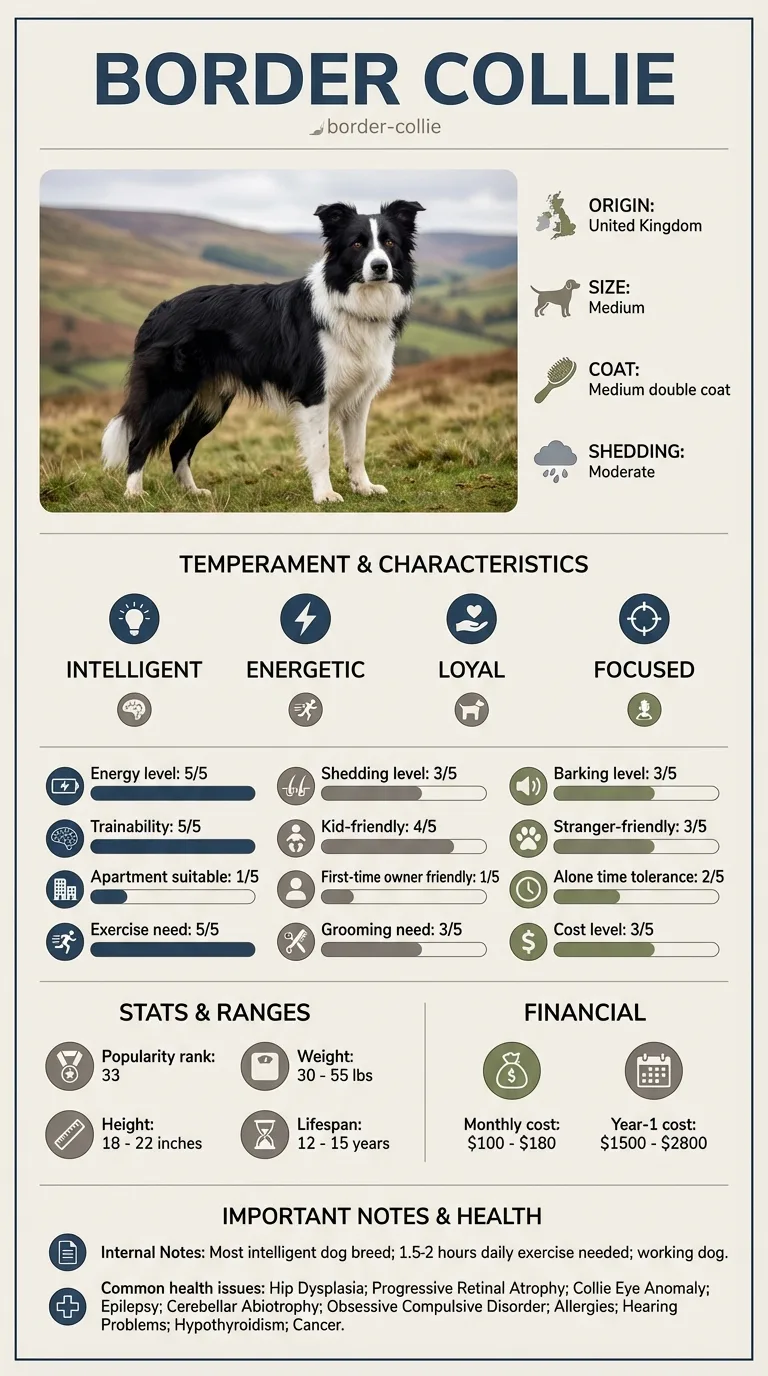
Border Collies are known for their high intelligence and energy, but this can also lead to stress and behavioral issues, including neurologic diseases. Their genetic predisposition to certain health problems, such as epilepsy and cerebellar abiotrophy, makes them more susceptible to neurologic issues as they age.
Environmental factors can also play a significant role. Lack of mental stimulation can lead to anxiety and stress, exacerbating health problems. Additionally, a chaotic home environment or insufficient exercise can increase the risk of neurologic diseases.
If your dog shows signs of neurologic disease, such as seizures, disorientation, or loss of coordination, it's crucial to consult your veterinarian. They can perform diagnostic tests and recommend appropriate treatment or management options.
Certain actions can inadvertently worsen your Border Collie's neurologic disease. Here are some common mistakes to avoid.
Start here: Border Collie Most Common Genetic Disorders: Screening
See all Border Collie health problems, which breeds are prone to neurologic disease, or the full Border Collie breed guide for temperament, exercise needs and ownership costs.
It may take several weeks to months to see improvements in your Border Collie's condition. Regular vet visits and consistent care under your vet's plan can help track progress.
Success means your dog shows fewer symptoms of neurologic disease, improves behavior, and enjoys a better quality of life.
Emma, a busy nurse in Seattle, noticed her Border Collie, Max, was having trouble with coordination and seemed more anxious than usual. After a vet visit confirmed he had a neurologic disease, Emma felt overwhelmed. She researched training techniques and created a structured routine for Max that included gentle exercises and mental stimulation. Over time, he became more stable and less anxious, which made both of them happier.
Key takeaway: Consistency and support can significantly improve a Border Collie's quality of life when facing neurologic disease.
Border Collies can be prone to neurologic diseases due to genetic factors, environmental stresses, or underlying health issues. Conditions like Progressive Retinal Atrophy or Cerebellar Abiotrophy are more common in this breed, and these can affect neurological health. Regular vet check-ups are crucial to catch any signs early.
While you can't always prevent neurologic diseases, you can manage your dog's overall health. Regular exercise, a balanced diet, and mental stimulation can help keep your dog's brain active. Consult your vet for tailored advice and potential supplements that may support brain health.
Training can be beneficial for Border Collies with neurologic issues. Positive reinforcement and consistent routines can improve behavior and adaptability. Always consult a professional trainer who understands the specific needs of dogs with health challenges.
Currently, there is no universal cure for neurologic diseases in dogs. Treatment options may include medication, dietary changes, and supportive care. Working closely with a veterinarian can help manage symptoms and improve your dog's quality of life.
Providing a stable environment, routine vet visits, and tailored exercise can help. Engage in low-impact activities that stimulate your dog's mind without overexertion. Always keep an open line of communication with your vet for the best management strategies.
Early signs of neurologic disease in Border Collies can include changes in behavior, coordination issues, and unusual movements. You might notice your dog stumbling or having difficulty standing. If you observe these symptoms, it's crucial to consult your vet promptly.
Yes, many Border Collies with neurologic disease can lead fulfilling lives with proper care and management. Tailored training and adjustments to their environment can help them adapt. Regular vet check-ups and appropriate medications can also improve their quality of life.
Supporting a Border Collie with neurologic disease involves providing a stable and safe environment. Consistent routines, gentle exercise, and mental stimulation are important. Also, consider consulting with a veterinary behaviorist for specialized training strategies.
If your Border Collie's symptoms worsen, it's important to contact your veterinarian immediately. They may need a new treatment plan or adjustments to their current medications. Early intervention can make a significant difference in their health outcomes.
Some neurologic diseases in Border Collies can have a hereditary component, though not all cases are genetic. It's essential to discuss your dog's family history with your vet. They can provide insights into potential risks and help you make informed decisions about breeding.
Focus on regular vet check-ups, a balanced diet, and mental exercises. Keep your home safe and stress-free to support your dog's well-being.
Aim for daily low-impact exercise, around 30 minutes to 1 hour, to maintain mobility without overstressing your dog.
A high-quality dog food with omega-3 fatty acids may support brain health. Always consult your vet before making dietary changes.
Use positive reinforcement and keep training sessions short and engaging. Adapt techniques to suit your dog's comfort level.
A one-page prep sheet for this condition: the signs, the questions to ask, what to get priced. Unlocks here.
You get: Vet visit prep sheet
No spam. One-click unsubscribe. See our privacy policy.
Preview page 1 before you decide.