Health
What are quick tips for managing Border Collie liver shunts?
Ensure regular vet check-ups and monitor for symptoms like vomiting or lethargy. Adjust their diet as recommended by your vet to support liver health.

Quick answer
What are quick tips for managing Border Collie liver shunts?
Ensure regular vet check-ups and monitor for symptoms like vomiting or lethargy. Adjust their diet as recommended by your vet to support liver health.
Border Collie liver shunts can be a serious health issue that affects your dog's well-being. These abnormalities in the portal vein can lead to various health challenges.
This issue often impacts dedicated owners who want to provide the best for their pets but may feel overwhelmed by the medical complexities. First-time dog owners or those without extensive veterinary experience might find it particularly challenging.
This guide is not medical advice. If your dog shows pain, sudden behavior change, or worsening symptoms, consult a licensed veterinarian.
Some links may be affiliate links. We may earn a commission at no extra cost to you. We only suggest products we believe are helpful for dog owners.
We research and check what we publish, but we do not warrant that any figure, date, price, or statement is accurate, complete, or current, and we accept no liability for any loss, cost, injury, or other harm arising from the use of this site. Use it as one reference among several. You remain responsible for your own decisions and for your dog's care - confirm anything that matters with a licensed veterinarian or another qualified professional before you act on it. Full disclaimer.
Check this first
It's crucial to know when Border Collie liver shunts require immediate veterinary attention versus when you can monitor your dog at home. If your dog shows severe symptoms such as vomiting, lethargy, seizures, or loss of coordination, these are red flags that mean you should call your vet right away. Additionally, if you notice unusual behavior like excessive drinking or urination, this could also indicate a serious problem.
On the other hand, some mild symptoms may not require immediate action. If your Border Collie has minor digestive issues or occasional lethargy but is still eating and drinking normally, you can create a plan to monitor their condition. Keep a close eye on their behavior and health, and if symptoms worsen or new ones develop, contact your vet.
Always trust your instincts as a pet owner. If you ever feel concerned about your dog's health, don't hesitate to reach out to your veterinarian for guidance. It's better to be safe than sorry when it comes to your furry friend's well-being.
If any of these apply, call your vet or an emergency clinic now. The rest of this page is for the cases that are not an emergency.
Border Collie liver shunts can lead to serious health issues in these energetic dogs. This condition arises from abnormal blood flow in the liver, which can cause symptoms like lethargy, poor growth, and vomiting. Owners may notice their Border Collie acting unusually tired or having digestive problems, which can be alarming.
Liver shunts are relatively common in Border Collies, particularly in certain lines. While not every dog will face this issue, it's essential for owners to be aware of the signs and seek veterinary advice early on.
Border Collies can be prone to liver shunts due to genetic factors. This breed has specific hereditary conditions that may increase the likelihood of developing liver problems. These issues can affect the liver's ability to filter toxins, leading to serious health complications.
Environmental factors can also contribute to the development of liver shunts. Poor diet, exposure to toxins, and lack of proper veterinary care can exacerbate existing conditions. Stressful situations or inadequate exercise may further impact your Border Collie's liver health.
If you suspect your Border Collie might have liver shunts, contact your veterinarian immediately. They can perform diagnostic tests to confirm the condition and recommend appropriate treatment options.
Certain behaviors can inadvertently worsen the issue of Border Collie liver shunts. Here are some common mistakes to avoid, along with safer alternatives.
Start here: Border Collie Most Common Genetic Disorders: Screening
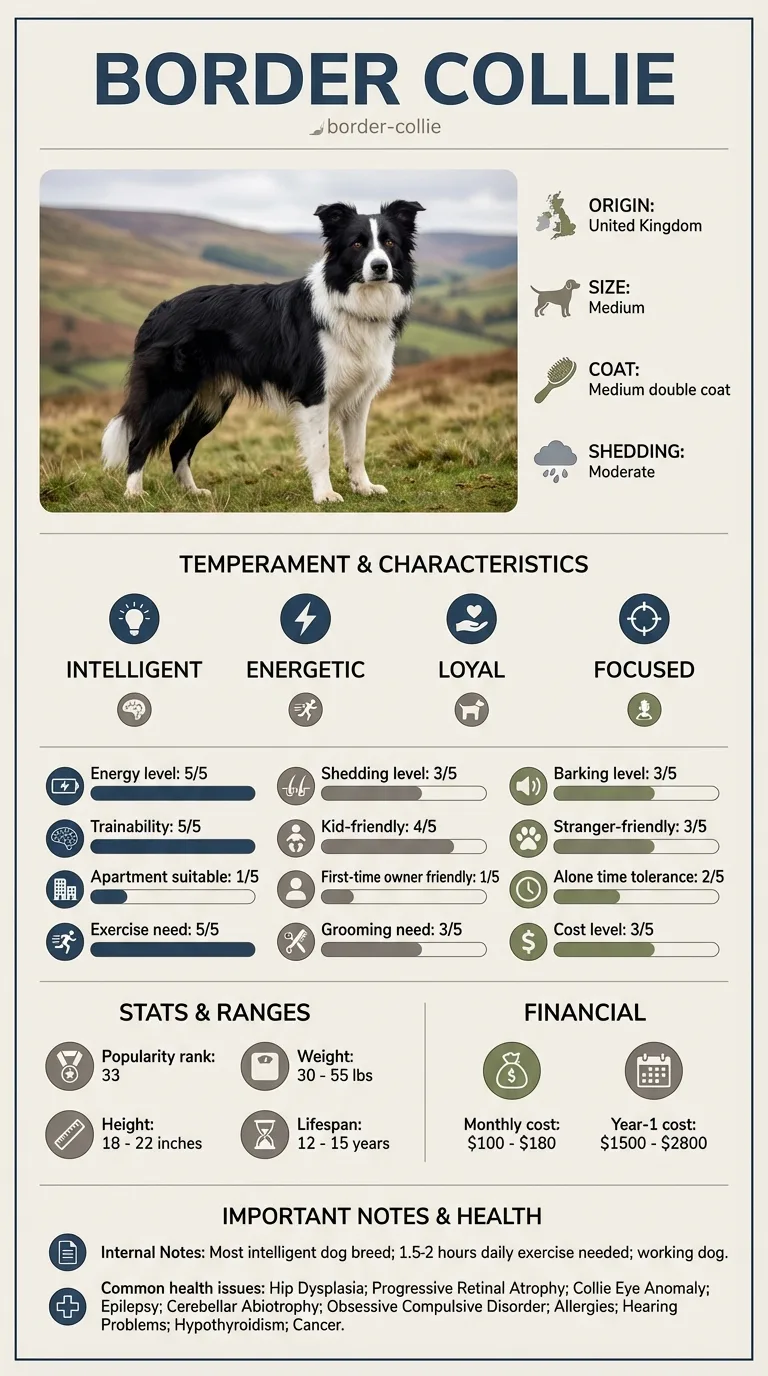
See all Border Collie health problems, which breeds are prone to liver shunts, or the full Border Collie breed guide for temperament, exercise needs and ownership costs.
You may start seeing improvements in 4 to 6 weeks with consistent care and dietary changes.
Success looks like a dog that shows reduced symptoms and improved overall health, with a more stable energy level and better appetite.
Sarah, a first-time dog owner, adopted Max, a lively Border Collie. Shortly after bringing him home, she noticed he was lethargic and had a poor appetite. After visiting the vet, Sarah learned that Max had liver shunts, which required immediate attention. Determined, she worked closely with a veterinary nutritionist to adjust his diet and started a training regimen focused on positive reinforcement. Over the following weeks, Max gradually regained his energy and began enjoying his meals again. Sarah felt relieved watching him thrive and learned the importance of proper care and early intervention.
Key takeaway: With the right support and guidance, managing health issues like liver shunts in Border Collies is possible, leading to a happier and healthier pet.
Signs of liver shunts in Border Collies can include poor growth, lethargy, vomiting, and neurological issues like seizures. If your dog frequently displays these symptoms, it's crucial to consult a veterinarian for a proper diagnosis. This answer relates to Border Collie liver shunts.
Liver shunts in Border Collies can be congenital, meaning they are present at birth due to abnormal development of the blood vessels. These conditions can also develop later due to liver disease or other health issues.
Stopping liver shunts isn't possible, but managing them is key. Work with your vet on a treatment plan which may include dietary adjustments, medication, or even surgery in severe cases.
Treatment options for liver shunts can vary from dietary changes to surgical correction. Medications may also be prescribed to manage symptoms and improve liver function.
While you can't prevent congenital liver shunts, regular veterinary check-ups can help catch issues early. Maintaining a healthy diet and lifestyle can also support liver health.
For Border Collies with liver shunts, a low-protein diet is often recommended to decrease the workload on the liver. Your veterinarian can suggest specific brands or recipes tailored to your dog's needs.
Yes, liver shunts can be hereditary in Border Collies. Responsible breeding practices are essential to reduce the risk of this condition. If you're considering getting a Border Collie, ask breeders about health testing for liver shunts.
While liver shunts are often congenital, older Border Collies can develop acquired liver shunts due to liver disease. Regular vet check-ups are vital to catch any health issues early, especially as your dog ages.
Treatment for liver shunts usually involves a combination of medical management and possibly surgery. Your vet may recommend a special diet and medications to manage symptoms. Surgery can help correct the shunt, but it's essential to discuss all options with your veterinarian.
Supporting a Border Collie with liver shunts involves providing a low-protein diet and ensuring they receive regular vet visits. Additionally, keeping your dog calm and avoiding stress can help manage their condition. Always follow your vet's advice for the best care.
Ensure regular vet check-ups and monitor for symptoms like vomiting or lethargy. Adjust their diet as recommended by your vet to support liver health.
Treating liver shunts can range from $1,500 to $5,000 depending on the severity and treatment required. Always discuss costs with your vet beforehand.
Training can provide mental stimulation, which is beneficial for liver health. Focus on low-energy activities to avoid overexertion.
A one-page prep sheet for this condition: the signs, the questions to ask, what to get priced. Unlocks here.
You get: Vet visit prep sheet
No spam. One-click unsubscribe. See our privacy policy.
Preview page 1 before you decide.