Health
What should I feed my Border Collie with cancer?
Consult your vet for a specialized diet that supports their health during treatment. Nutrient-rich foods can help maintain their strength and energy.

Quick answer
What should I feed my Border Collie with cancer?
Consult your vet for a specialized diet that supports their health during treatment. Nutrient-rich foods can help maintain their strength and energy.
Border Collie cancer is a serious concern that many owners face. Understanding this issue is vital for the health and happiness of your furry friend.
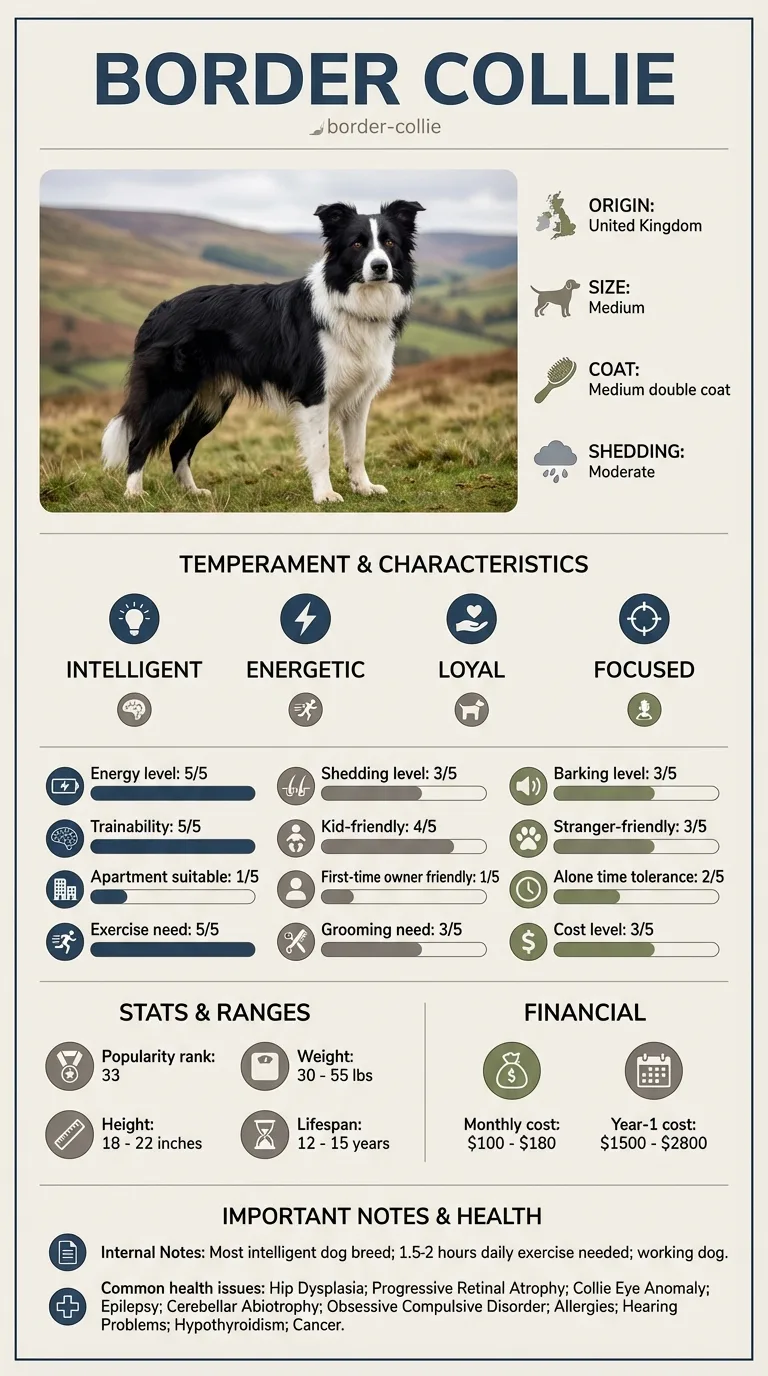
This problem often affects dedicated Border Collie owners who may be shocked to learn that their beloved pet has developed cancer. It can be especially distressing for first-time dog owners who are navigating health challenges for the first time.
This guide is not medical advice. If your dog shows pain, sudden behavior change, or worsening symptoms, consult a licensed veterinarian.
Some links may be affiliate links. We may earn a commission at no extra cost to you. We only suggest products we believe are helpful for dog owners.
We research and check what we publish, but we do not warrant that any figure, date, price, or statement is accurate, complete, or current, and we accept no liability for any loss, cost, injury, or other harm arising from the use of this site. Use it as one reference among several. You remain responsible for your own decisions and for your dog's care - confirm anything that matters with a licensed veterinarian or another qualified professional before you act on it. Full disclaimer.
Check this first
Recognizing when Border Collie cancer is an emergency can save your dog's life. If you notice any of the following red-flag signs, call your vet immediately: persistent vomiting or diarrhea, sudden weight loss, excessive lethargy, or difficulty breathing. These symptoms can indicate advanced disease and require urgent attention.
If any of these apply, call your vet or an emergency clinic now. The rest of this page is for the cases that are not an emergency.
Border Collie cancer can be a heartbreaking reality for many owners. This breed is known for its intelligence and energy, but sadly, it also faces a higher risk of cancer compared to some other breeds. Day-to-day, symptoms may include unusual lethargy, weight loss, or changes in appetite that can easily be overlooked.
Cancer is one of the more common health issues in Border Collies. While not every dog will face this battle, studies indicate that these dogs can have a significant risk, particularly as they age. Awareness and early detection are key to managing this serious concern.
Border Collies are known for their high intelligence and energy levels. Unfortunately, this breed has a predisposition to certain health issues, including cancer, which can be influenced by genetics. Their active lifestyle can sometimes mask symptoms until the disease progresses.
Environmental factors can also contribute to the risk of cancer in Border Collies. Exposure to toxins, poor diet, and lack of regular veterinary care can increase their vulnerability. Stress and inadequate exercise may further weaken their immune system.
If you notice any persistent changes in your dog's behavior, appetite, or energy levels, it's essential to consult your vet. They can perform necessary tests to rule out cancer or other serious conditions. If your Border Collie is diagnosed with cancer, discussing treatment options and palliative care with your vet is crucial.
Avoiding these common mistakes can help improve your Border Collie's health and well-being.
Start here: Border Collie Most Common Genetic Disorders: Screening
See all Border Collie health problems, which breeds are prone to cancer, or the full Border Collie breed guide for temperament, exercise needs and ownership costs.
Managing Border Collie cancer can take several weeks to months, depending on the specific diagnosis and treatment plan. Regular vet visits and monitoring will be essential throughout this period.
Success means your Border Collie responds well to treatment, showing improved energy and less discomfort. It also involves maintaining a quality of life where your dog enjoys daily activities and spends time with family.
In less severe cases, you might notice mild symptoms that don’t require immediate action. For example, occasional coughing, slight changes in appetite, or minor lumps can be monitored. Keep a close eye on these symptoms and consult your vet to create a plan for observation.

Emma, a devoted owner of a 10-year-old Border Collie named Max, felt devastated when her vet diagnosed him with cancer. Initially overwhelmed, she researched options, focusing on a holistic approach that included diet changes, supplements, and regular vet check-ups. With time, Max responded well to treatment, regaining energy and playfulness. Emma learned to balance his needs with her family's lifestyle, ensuring Max enjoyed each day while managing his health.
Key takeaway: Finding the right treatment and support for your dog with cancer is a journey. Open communication with your vet and a commitment to quality care make a significant difference.
Cancer in Border Collies can be caused by a mix of genetic factors, age, and environmental influences. Regular vet check-ups can help identify any health issues early. Additionally, a balanced diet and healthy lifestyle may reduce risks.
Supporting a Border Collie with cancer involves maintaining regular vet visits for treatment plans. Providing a calm environment and ensuring they have a comfortable space to rest is essential. Consider discussing dietary changes with your vet to boost their health.
Common signs of cancer in Border Collies include unexplained weight loss, persistent coughing, changes in appetite, and unusual lumps or swelling. If you notice any of these symptoms, consult your vet immediately for testing.
Survival rates for Border Collies with cancer can vary widely based on the type and stage of cancer. With early detection and appropriate treatment, many dogs can live longer and more comfortably. Each case is unique, so ongoing consultation with a vet is crucial.
While there's no guaranteed way to prevent cancer, maintaining a healthy lifestyle for your Border Collie can help. This includes regular exercise, a nutritious diet, and avoiding exposure to harmful substances. Regular health check-ups play a vital role in early detection.
Border Collies are prone to several types of cancer, including lymphoma and osteosarcoma. Regular check-ups with your vet can help catch these issues early.
Signs of cancer in Border Collies can include unexplained weight loss, changes in appetite, or abnormal lumps. If you notice any of these signs, it’s important to consult your veterinarian promptly.
Yes, genetics can play a role in the likelihood of cancer in Border Collies. If your dog has a family history of cancer, it’s wise to discuss screening options with your vet.
It's a good idea to monitor your Border Collie for cancer starting around age 7. Regular vet visits can help detect potential issues early, allowing for better treatment options.
Supporting a Border Collie with cancer includes providing a comfortable environment, maintaining a healthy diet, and sticking to a regular vet schedule. Consider discussing palliative care options with your veterinarian to enhance their quality of life.
Consult your vet for a specialized diet that supports their health during treatment. Nutrient-rich foods can help maintain their strength and energy.
Work closely with your vet to develop a pain management plan, which may include medications or alternative therapies. Keeping your dog comfortable is a priority.
Focus on positive reinforcement and gentle training exercises. Short sessions can keep their spirits up while being mindful of their energy levels.
A one-page prep sheet for this condition: the signs, the questions to ask, what to get priced. Unlocks here.
You get: Vet visit prep sheet
No spam. One-click unsubscribe. See our privacy policy.
See a sample page before you decide.
Early access list
The free prep sheet covers the same-day warning signs, a symptom log and the questions to ask. We are considering a fuller kit that adds a cost worksheet for the usual tests and treatments (US price ranges with their sources) and a plain-English guide to ways of covering the bill. It is not built yet; this list tells us whether it is worth building.
One email, no spam, unsubscribe anytime. Information only, not veterinary advice.