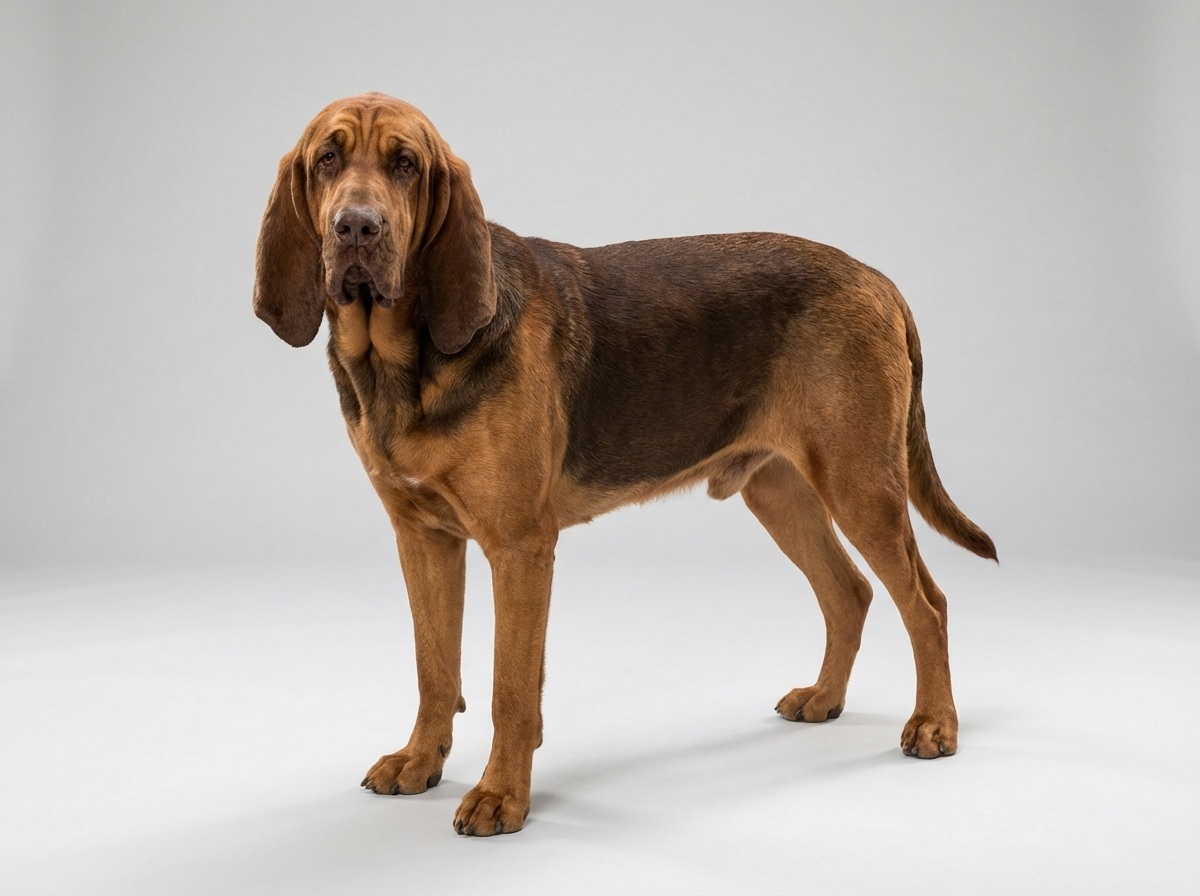
Health
What should I do if my Bloodhound shows signs of wobbler syndrome?
Take your Bloodhound to the vet for a thorough examination and diagnosis as soon as possible.

Quick answer
What should I do if my Bloodhound shows signs of wobbler syndrome?
Take your Bloodhound to the vet for a thorough examination and diagnosis as soon as possible.
Bloodhound wobbler syndrome is a serious condition that affects your dog's neck and spine. It can lead to wobbling and coordination issues, making it difficult for your furry friend to move comfortably.
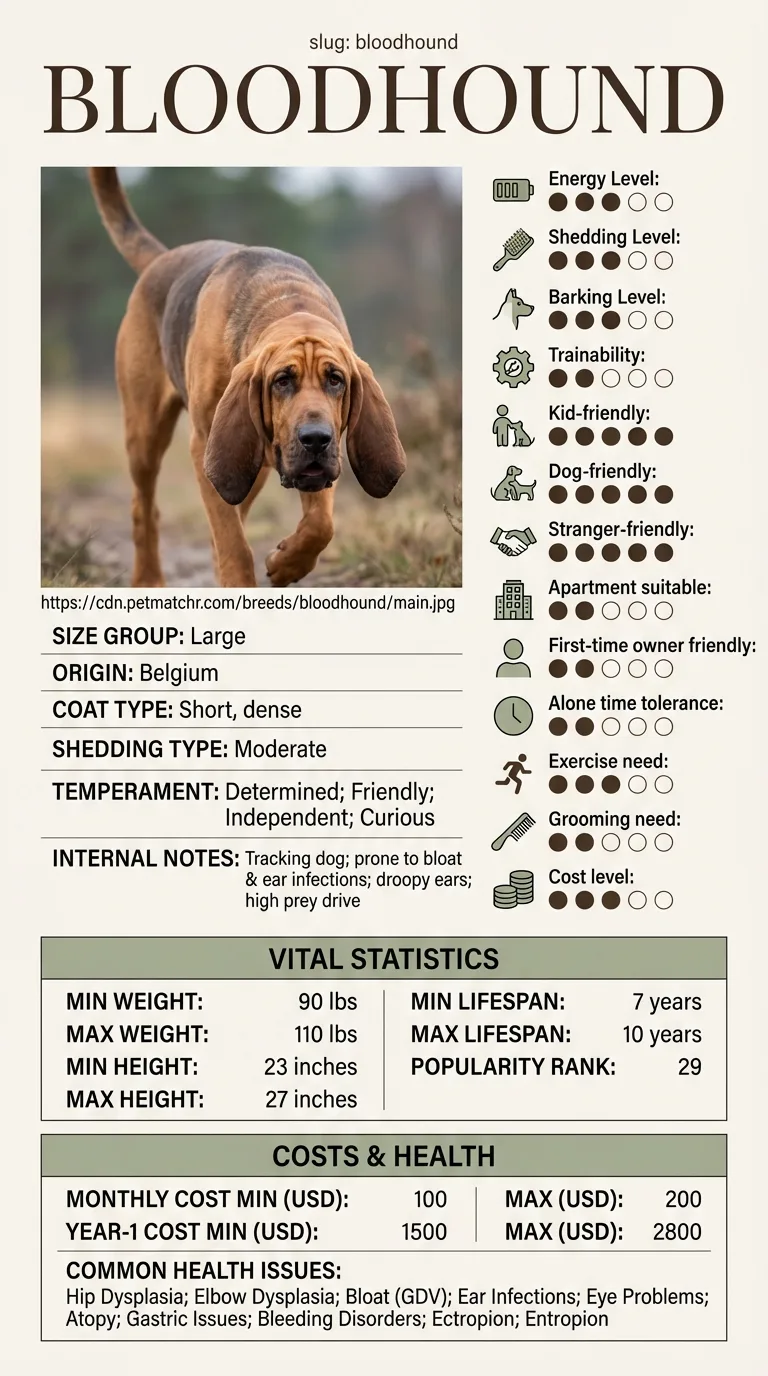
Owners of Bloodhounds who notice their dogs wobbling, tripping, or showing signs of discomfort may find themselves facing this challenge. First-time owners or those unfamiliar with dog health issues often feel overwhelmed when dealing with such conditions.
This guide is not medical advice. If your dog shows pain, sudden behavior change, or worsening symptoms, consult a licensed veterinarian.
Some links may be affiliate links. We may earn a commission at no extra cost to you. We only suggest products we believe are helpful for dog owners.
We research and check what we publish, but we do not warrant that any figure, date, price, or statement is accurate, complete, or current, and we accept no liability for any loss, cost, injury, or other harm arising from the use of this site. Use it as one reference among several. You remain responsible for your own decisions and for your dog's care - confirm anything that matters with a licensed veterinarian or another qualified professional before you act on it. Full disclaimer.
Check this first
Recognizing when Bloodhound wobbler syndrome becomes an emergency is crucial for your dog's health. If your Bloodhound shows severe symptoms like sudden loss of coordination, inability to walk, or severe neck pain, it’s time to call your vet immediately. Other red flags include persistent vomiting, difficulty breathing, or signs of paralysis. These symptoms can indicate serious issues that need urgent medical attention.
On the other hand, if your Bloodhound shows mild symptoms such as slight wobbliness or occasional stiffness, you can monitor their condition at home. Keep an eye on their behavior and mobility, and maintain a record of any changes. This way, you can provide your vet with detailed information during your next appointment. If symptoms worsen or new issues arise, don’t hesitate to reach out for professional advice.
If any of these apply, call your vet or an emergency clinic now. The rest of this page is for the cases that are not an emergency.
Bloodhound wobbler syndrome affects the dog's neck and spine, causing instability and mobility issues. Owners may notice their Bloodhound having difficulty walking, often appearing unsteady or wobbling. This condition can lead to pain and discomfort, making everyday activities challenging for both the dog and the owner.
Wobbler syndrome is relatively common in Bloodhounds, particularly as they age. Many Bloodhounds experience some degree of this condition, often leading to noticeable mobility issues that can arise in dogs as young as 3 years old.
Bloodhounds are large dogs, and their structure can predispose them to wobbler syndrome. This condition is often related to the shape of their vertebrae, leading to instability in the cervical spine. Genetics also play a role, as some bloodlines may be more prone to this issue.
Environmental factors can exacerbate wobbler syndrome in Bloodhounds. For instance, if they are overweight or not given enough exercise, this can put extra stress on their spine. Additionally, rough play or sudden movements in young dogs can lead to injuries that trigger wobbler syndrome.
If you notice persistent wobbling or if your dog's mobility declines, it's time to talk to your vet. They can provide a proper diagnosis and recommend treatments or interventions to manage the condition effectively.
Avoiding these common mistakes can help manage Bloodhound wobbler syndrome more effectively.
Start here: Bloodhound Most Common Genetic Disorders: What to Screen For
See all Bloodhound health problems, which breeds are prone to wobbler syndrome, or the full Bloodhound breed guide for temperament, exercise needs and ownership costs.
You can expect noticeable improvements within 6 to 12 weeks of consistent care and management.
Success means your Bloodhound shows fewer wobbling episodes and gains better coordination. They should feel more comfortable and stable during daily activities.
Meet Sarah, a dedicated Bloodhound owner living in a bustling city. Her beloved Bloodhound, Max, started showing signs of wobbler syndrome, making it hard for him to navigate even short walks. After consulting with their vet, Sarah learned about specialized training and management techniques. With patience and commitment, she focused on low-impact exercises and gradually introduced supportive gear. Over the next few months, Max showed remarkable improvement, regaining his balance and confidence. Sarah found that regular vet check-ups and consistent routines helped Max thrive despite his condition.
Key takeaway: With the right support and training, Bloodhounds with wobbler syndrome can lead fulfilling lives, proving that dedication makes all the difference.
Bloodhound wobbler syndrome, or cervical vertebral instability, affects the neck area, causing wobbling or unsteady movements. It can lead to pain and difficulty in walking due to spinal cord compression. If you notice your Bloodhound having coordination issues, consult your vet immediately.
While you can't completely stop wobbler syndrome, you can manage it with vet guidance. Treatment options include medication for pain management, weight control, and sometimes surgery. Regular vet check-ups are crucial to monitor your dog's condition and adjust care as needed.
Signs include unsteady gait, weakness in the limbs, neck pain, and reluctance to play or exercise. You might also notice your Bloodhound having trouble with balance. If you observe these symptoms, it's time to visit your veterinarian.
Yes, Bloodhound wobbler syndrome can be managed through a combination of medications, physical therapy, and lifestyle adjustments. In severe cases, surgery might be recommended to alleviate pressure on the spinal cord. Always consult a vet for the best treatment plan.
Yes, older Bloodhounds are at a higher risk for developing wobbler syndrome. The condition can worsen with age, leading to more severe symptoms. Regular vet check-ups are essential for early detection and management.
Diagnosis typically involves a thorough physical examination and imaging tests like X-rays or MRIs to assess spinal issues. Your vet will also review your dog's medical history and any symptoms you've observed. A timely diagnosis can help in managing the condition effectively.
Treatment options for Bloodhound wobbler syndrome may include medication for pain relief, physical therapy, and in some cases, surgery. Your vet will recommend the most suitable approach based on your dog's specific condition and needs.
While training can't cure Bloodhound wobbler syndrome, it can help improve your dog's mobility and confidence. Focus on low-impact exercises and consult a trainer experienced in working with dogs with mobility issues. Positive reinforcement is key to successful training.
Take your Bloodhound to the vet for a thorough examination and diagnosis as soon as possible.
Yes, maintaining a healthy weight can reduce strain on the neck and spine, which may help manage symptoms.
Gentle, low-impact exercises like walking on level ground can be beneficial. Always consult your vet before starting a new exercise routine.
Treatment can range from $500 to $7,000 depending on the severity and type of care required.
Yes, untreated wobbler syndrome can lead to further mobility issues and pain, impacting overall quality of life.
A one-page prep sheet for this condition: the signs, the questions to ask, what to get priced. Unlocks here.
You get: Vet visit prep sheet
No spam. One-click unsubscribe. See our privacy policy.
Preview page 1 before you decide.