Behavior
What are quick tips for Bernedoodle back/spine issues?
Keep your Bernedoodle at a healthy weight and avoid high-impact activities. Regular vet visits and gentle exercise can help maintain their back health.

Quick answer
What are quick tips for Bernedoodle back/spine issues?
Keep your Bernedoodle at a healthy weight and avoid high-impact activities. Regular vet visits and gentle exercise can help maintain their back health.
Bernedoodle back/spine issues can be serious and painful for your dog. Understanding these problems is crucial for their well-being.

Owners of Bernedoodles, especially those who are first-time pet parents, often face challenges in identifying and addressing back/spine issues. Busy families or individuals who may not have experience with dog health can find this particularly daunting.
This guide is not medical advice. If your dog shows pain, sudden behavior change, or worsening symptoms, consult a licensed veterinarian.
Some links may be affiliate links. We may earn a commission at no extra cost to you. We only suggest products we believe are helpful for dog owners.
We research and check what we publish, but we do not warrant that any figure, date, price, or statement is accurate, complete, or current, and we accept no liability for any loss, cost, injury, or other harm arising from the use of this site. Use it as one reference among several. You remain responsible for your own decisions and for your dog's care - confirm anything that matters with a licensed veterinarian or another qualified professional before you act on it. Full disclaimer.
Check this first
Not all back or spine issues in Bernedoodles are urgent, but some signs mean you should call your vet immediately. Look for red flags such as severe pain, inability to move, or sudden paralysis. If your dog is yelping when touched or shows signs of distress, these are clear indicators of a potential emergency.
If any of these apply, call your vet or an emergency clinic now. The rest of this page is for the cases that are not an emergency.
Bernedoodle back/spine issues can manifest as difficulty moving, reluctance to jump, or signs of pain when touched along the spine. These problems often stem from intervertebral disc disease, which can affect their quality of life. Pet owners may notice their dog hesitating to engage in normal activities, which can be distressing.
Back and spine issues are relatively common in Bernedoodles, particularly as they age. Their mixed heritage can sometimes lead to inherited health concerns, making vigilance important for owners.
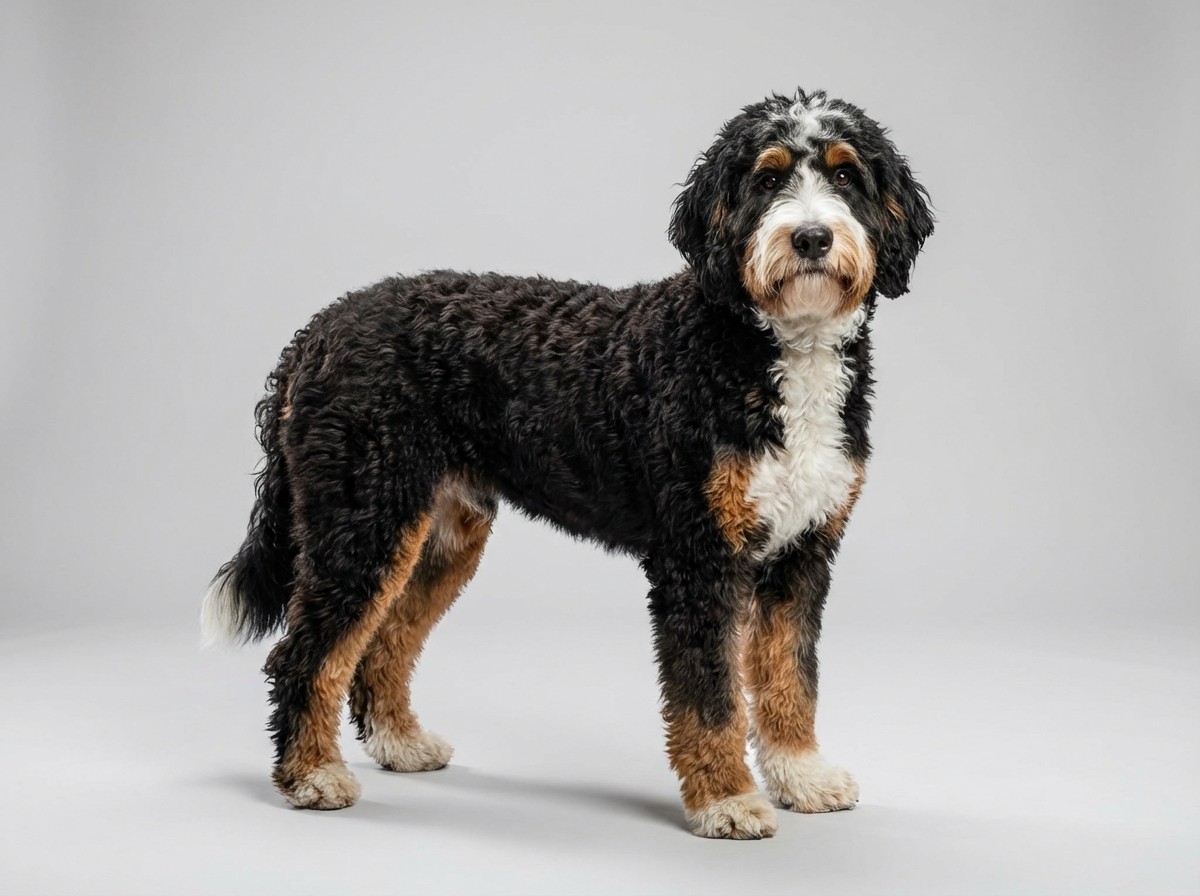
Bernedoodles are medium-sized dogs with a combination of traits from the Bernese Mountain Dog and Poodle. Their build can predispose them to certain back and spine issues, especially if they inherit the genetic vulnerabilities from either parent breed. Additionally, their playful and energetic nature may lead them to engage in activities that strain their backs.
Environmental factors can also contribute to back and spine issues in Bernedoodles. Poor posture while sleeping or lounging, jumping off furniture, or not getting enough exercise can exacerbate these problems. Overweight dogs are more susceptible because extra weight puts additional pressure on their spines.
If your dog exhibits persistent pain, difficulty walking, or any signs of distress, it's crucial to speak with a vet. They can assess the situation and recommend appropriate treatments or therapies for your Bernedoodle's back and spine issues.
When dealing with Bernedoodle back/spine issues, it's crucial to avoid certain common mistakes that can make the situation worse. Here are some of the most frequent errors and safer alternatives.
Start here: Bernedoodle Most Common Genetic Disorders: Screening
See all Bernedoodle health problems, which breeds are prone to backspine issues, or the full Bernedoodle breed guide for temperament, exercise needs and ownership costs.
Within a few months of consistent care and follow-up with your vet, you should see improvements.
Success looks like your Bernedoodle moving comfortably without signs of pain, maintaining a healthy weight, and responding well to exercises designed to strengthen their back and core.
When Jamie adopted Daisy, her energetic Bernedoodle, she noticed that Daisy often hesitated to jump or run. After a vet visit, Jamie learned that Daisy had early signs of back issues. Determined to help, Jamie worked with a canine physical therapist to develop a gentle exercise plan. They focused on strengthening Daisy's core and avoiding activities that could worsen her condition. Over several months, Daisy became more agile and playful, reclaiming her joy in everyday activities. Jamie felt relieved, having learned the importance of regular vet check-ups and tailored exercise for her dog's health.
Key takeaway: Early intervention and a tailored exercise plan can significantly improve your Bernedoodle's back/spine issues.
Bernedoodles can experience back and spine issues due to their genetics, especially from their Bernese Mountain Dog lineage. Conditions like intervertebral disc disease can occur, particularly if they are overweight or not exercised properly. Regular vet check-ups and maintaining a healthy weight are crucial.
To prevent back and spine issues, ensure your Bernedoodle maintains a healthy weight through a balanced diet and regular exercise. Avoid high-impact activities, especially when they're young, and provide proper support when they jump on and off furniture.
Treatment options can include physical therapy, weight management, and, in severe cases, surgery. Your vet may also recommend anti-inflammatory medications to reduce pain and swelling. Early intervention is key to effective management.
Gentle exercises like walking on a leash or swimming can help strengthen your Bernedoodle's back muscles without putting too much strain on the spine. Always consult your vet before starting any exercise routine to ensure it’s safe for your dog.
Training can help by reinforcing safe behaviors, such as not jumping off high places or avoiding rough play. Teaching commands like 'gentle' can also prevent sudden movements that may strain the back. Consistent training is beneficial for their overall well-being.
If you notice any signs of pain, difficulty moving, or changes in behavior related to their back or spine, it’s time to see a vet. Early diagnosis and treatment can make a significant difference in your dog's quality of life.
Common signs include difficulty jumping, reluctance to play, or changes in walking. You might also notice your Bernedoodle whining or showing signs of pain when touched near the back.
For older Bernedoodles, consider low-impact exercises and joint supplements. Regular vet check-ups are essential to monitor their condition and adjust care as needed.
If your Bernedoodle shows persistent pain, limping, or difficulty moving, you should consult a vet. Early intervention can help prevent more serious problems.
Yes, training can be beneficial. Focus on proper lifting techniques and avoid strenuous activities that could strain their back, especially during their growth stages.
Activities that involve jumping or quick turns can increase the risk of back/spine issues. It's important to monitor their playtime and provide safe outlets for exercise.
Keep your Bernedoodle at a healthy weight and avoid high-impact activities. Regular vet visits and gentle exercise can help maintain their back health.
Provide supportive bedding and avoid letting them jump from high places. Using ramps can help them access furniture safely.
Contact your vet immediately if your dog shows signs of pain or discomfort. Early intervention is crucial for effective treatment.
Use positive reinforcement to teach your Bernedoodle to avoid jumping and rough play. This can help protect their back.
Costs for treating back/spine issues can vary widely. Expect to spend on vet visits, medications, and possible surgery, which can add up quickly.
A one-page prep sheet for this condition: the signs, the questions to ask, what to get priced. Unlocks here.
You get: Vet visit prep sheet
No spam. One-click unsubscribe. See our privacy policy.
Preview page 1 before you decide.