Health
What should I do if my Belgian Malinois bleeds?
If your Belgian Malinois starts bleeding, apply gentle pressure to the wound and contact your vet immediately. Quick action can prevent serious complications.
Belgian Malinois von Willebrand's disease (vwd1) is a genetic bleeding disorder that can significantly affect your dog's health.
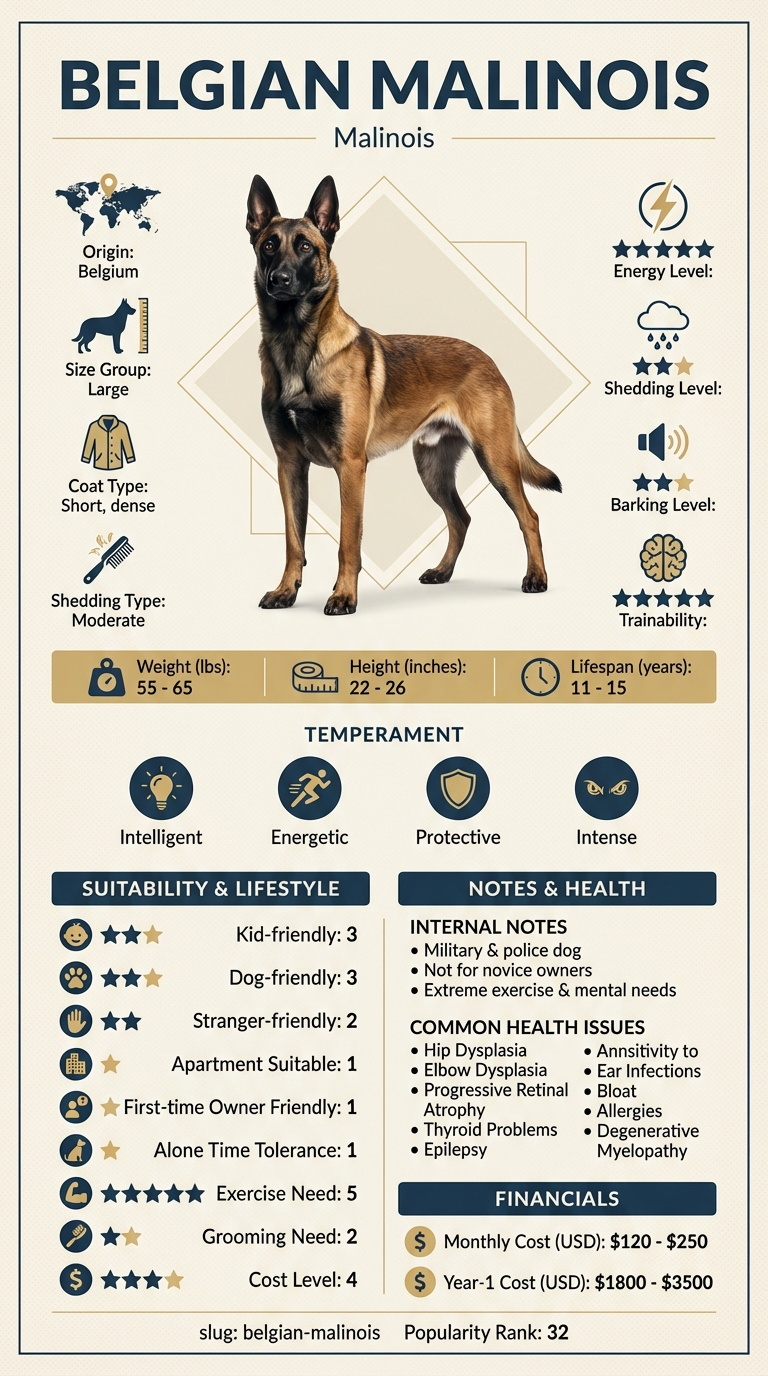
Owners of Belgian Malinois, especially those who are new to the breed, may struggle with this issue. It can be particularly concerning for those who want to engage their dogs in active lifestyles or sports.
This guide is not medical advice. If your dog shows pain, sudden behavior change, or worsening symptoms, consult a licensed veterinarian.
Some links may be affiliate links. We may earn a commission at no extra cost to you. We only suggest products we believe are helpful for dog owners.
Belgian Malinois von Willebrand's disease (vWD1) is a genetic bleeding disorder that affects the dog's ability to form blood clots. This condition can manifest in everyday life through excessive bleeding from minor injuries, prolonged bleeding during surgery, or spontaneous bleeding episodes. Owners may notice their Malinois bleeding more than expected after play or injury, leading to concern and the need for careful monitoring.
Von Willebrand's disease (vWD1) is relatively common in Belgian Malinois, particularly in those with a family history of the condition. While not every Malinois will be affected, it is important for potential owners to be aware of this issue when considering the breed.
Belgian Malinois von Willebrand's disease (vWD1) is a genetic bleeding disorder common in this breed. It affects the blood's ability to clot, leading to increased bleeding risks. This condition is inherited, meaning if your Malinois has it, it likely came from their parents.
While vWD1 is primarily genetic, stress and trauma can exacerbate symptoms. Factors like rough play, injury, or surgery can trigger bleeding episodes. Additionally, a lack of proper medical care or monitoring can lead to complications.
If your Malinois exhibits anxiety or fear-based behaviors due to their condition, consider hiring a professional trainer. Look for one experienced with high-energy breeds and anxiety issues. They can help create a tailored training plan.
Consult a vet if you notice any signs of bleeding, such as unusual bruising or prolonged bleeding from small cuts. Regular check-ups are essential for managing vWD1. A vet can provide advice on treatment options and monitoring your dog's health.
Managing Belgian Malinois von Willebrand's disease (vWD1) typically involves ongoing veterinary care and adjustments to your dog's lifestyle. Expect to see improvements in your dog's condition within 1-3 months after you start a tailored care plan.
Success means your dog has fewer bleeding episodes and can enjoy a more active life. You will also feel empowered with knowledge about the condition and how to provide the best care.
Avoiding common pitfalls can help manage your Belgian Malinois with von Willebrand's disease (vWD1) more effectively. Here are some mistakes to steer clear of.
Recognizing when Belgian Malinois von Willebrand's disease (vWD1) becomes an emergency is crucial for your dog's health. This genetic bleeding disorder can lead to serious complications if not addressed promptly. Here are some signs that signal you should call your vet immediately.
Look for these red-flag symptoms: - Excessive bleeding from small cuts or injuries. - Blood in the urine or stool. - Unexplained bruising or swelling. - Lethargy or weakness after minor exertion. - Nosebleeds that last longer than a few minutes. These signs indicate that your dog may need urgent medical attention.
Milder cases can be monitored at home. If your dog has mild symptoms, such as occasional bleeding that stops quickly or slight lethargy, you can create a watch-and-wait plan. Here’s how to manage those situations: - Keep track of any bleeding episodes and their duration. - Note any changes in behavior or energy levels. - Schedule regular vet check-ups to monitor their condition. While it's essential to be vigilant, these milder cases do not typically require immediate veterinary intervention. However, if you notice any worsening symptoms, don't hesitate to reach out for professional advice. Your dog's health is worth the extra caution.
Sam, a first-time dog owner in Texas, adopted Max, a Belgian Malinois, without knowing he had von Willebrand's disease (vWD1). After a few weeks, Max started bleeding from his gums during playtime, which left Sam worried and confused. After a visit to the vet, they confirmed the diagnosis and recommended a specialized diet along with regular check-ups. Sam learned how to manage Max's condition and adjusted their play routine to minimize risks. Within a few months, Max's bleeding episodes were significantly reduced, allowing them to enjoy outdoor adventures together safely.
Key takeaway: Understanding your dog's health issues and working closely with a vet can make all the difference. With proper care, dogs with vWD1 can still lead happy, fulfilling lives.
Belgian Malinois von Willebrand's disease (vWD1) is a genetic bleeding disorder. This condition affects the blood's ability to clot, leading to excessive bleeding during injuries or surgeries. It's essential to recognize this issue early for proper management.
Von Willebrand's disease (vWD1) is inherited, meaning your Belgian Malinois likely received the gene from one or both parents. If you have a puppy, ask the breeder about their health testing. Regular veterinary check-ups can help identify this condition early.
Managing vWD1 involves regular veterinary care and monitoring for signs of bleeding. Your vet may recommend avoiding surgeries when possible and using medications that help improve clotting. Keeping your dog in a safe environment to prevent injuries is also crucial.
While there is no cure for vWD1, treatment focuses on managing symptoms. In some cases, your vet may suggest clotting factor replacement during surgery or severe bleeding episodes. Always consult your vet for the best treatment plan.
Signs of vWD1 can include excessive bleeding from small cuts, frequent nosebleeds, or prolonged bleeding after surgery. If you notice any of these symptoms, it's important to consult your veterinarian for further evaluation.
To minimize the impact of vWD1, keep your Malinois in a controlled environment to avoid injury. Regular vet visits are essential for monitoring the condition and adjusting any necessary treatments. Educating yourself about the disease will also help you respond effectively to any bleeding incidents.
If your Belgian Malinois shows unusual bleeding, such as nosebleeds or excessive bruising, contact your vet immediately. This could be a sign of von Willebrand's disease (vWD1) or other serious conditions. Early diagnosis is crucial for effective management.
Yes, older Belgian Malinois may experience more severe symptoms of von Willebrand's disease (vWD1) due to age-related health issues. Regular vet check-ups are essential to monitor their overall health and manage any complications that may arise.
Unfortunately, von Willebrand's disease (vWD1) is a genetic condition, so prevention is not possible. However, responsible breeding practices can reduce the likelihood of affected puppies. If you're considering getting a Malinois, choose a reputable breeder who tests for this condition.
When training a Belgian Malinois with von Willebrand's disease (vWD1), focus on positive reinforcement methods. Keep training sessions short and low-stress, and ensure your dog is not overexerted. This approach helps maintain their physical health while promoting confidence.
Long-term care for a Belgian Malinois with von Willebrand's disease (vWD1) includes regular veterinary check-ups, monitoring for signs of bleeding, and potential lifestyle adjustments. It's important to manage their activity level and avoid situations that could lead to injury.
If your Belgian Malinois starts bleeding, apply gentle pressure to the wound and contact your vet immediately. Quick action can prevent serious complications.
While no specific foods are known to worsen vWD1, it's best to avoid any that can irritate the digestive system. Consult your vet for tailored dietary advice.
Regular vet check-ups every 6 to 12 months are crucial for managing vWD1. More frequent visits may be needed if your dog shows signs of bleeding.
Yes, von Willebrand's disease (vWD1) can be common in Belgian Malinois due to genetic factors. Responsible breeding practices can help reduce its prevalence.