Behavior
What are some quick tips for Beagle heat sensitivity?
Always provide fresh water and shade, limit outdoor time during peak heat, and consider cooling products for your Beagle.

Quick answer
What are some quick tips for Beagle heat sensitivity?
Always provide fresh water and shade, limit outdoor time during peak heat, and consider cooling products for your Beagle.
Beagle heat sensitivity & hyperthermia can be serious issues for your furry friend. Understanding these conditions is essential for your Beagle's well-being.
Many Beagle owners, especially those living in warmer climates, face challenges managing their dog's heat sensitivity. Families with active lifestyles or those who take their dogs on outdoor adventures often find themselves navigating the balance between fun and safety.
This guide is not medical advice. If your dog shows pain, sudden behavior change, or worsening symptoms, consult a licensed veterinarian.
Some links may be affiliate links. We may earn a commission at no extra cost to you. We only suggest products we believe are helpful for dog owners.
We research and check what we publish, but we do not warrant that any figure, date, price, or statement is accurate, complete, or current, and we accept no liability for any loss, cost, injury, or other harm arising from the use of this site. Use it as one reference among several. You remain responsible for your own decisions and for your dog's care - confirm anything that matters with a licensed veterinarian or another qualified professional before you act on it. Full disclaimer.
Check this first
Recognizing when your Beagle's heat sensitivity and hyperthermia is an emergency is crucial. If you observe any of the following red-flag signs, it's time to call your vet immediately:
- Excessive panting or difficulty breathing - Rapid heart rate or weak pulse - Vomiting or diarrhea - Lethargy or unresponsiveness - Body temperature above 104°F (40°C)
These symptoms indicate that your Beagle may be experiencing heatstroke, which can be life-threatening without prompt veterinary care. On the other hand, if your Beagle shows mild signs of heat sensitivity such as slight panting or seeking shade, you can often monitor them at home. Make sure they have access to cool water and a shaded area, and keep an eye on their behavior. If they start to worsen or don't improve, consult your vet for further guidance.
If any of these apply, call your vet or an emergency clinic now. The rest of this page is for the cases that are not an emergency.
Beagle heat sensitivity and hyperthermia can be serious issues for this small breed. Day-to-day, owners may notice their Beagle becoming lethargic, panting excessively, or seeking shade during warm weather. These signs indicate that their dog is struggling with heat, which can lead to dangerous conditions like heatstroke if not managed properly.
Heat sensitivity is quite common among Beagles, as they have a higher risk of heat-related issues compared to other breeds. Their short, dense coat doesn't help much in regulating body temperature, making them more susceptible to overheating.
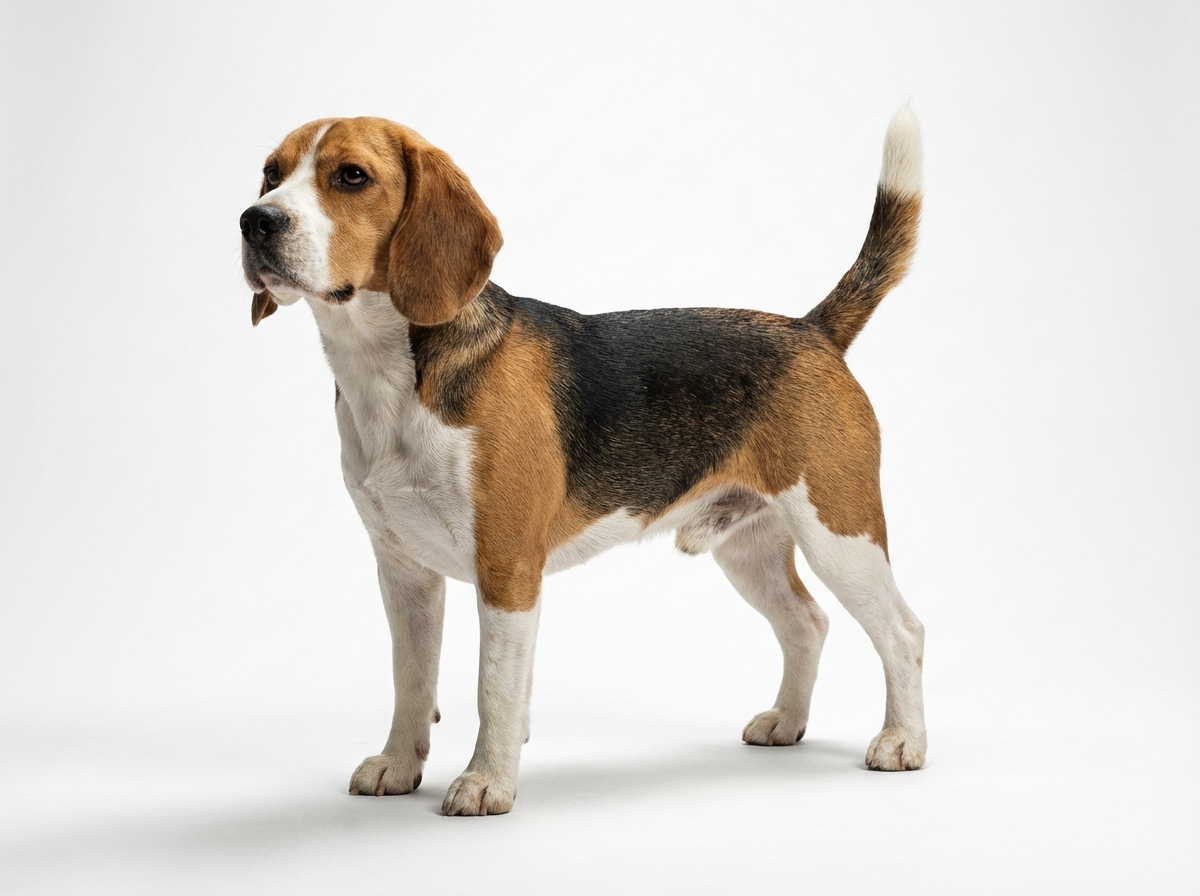
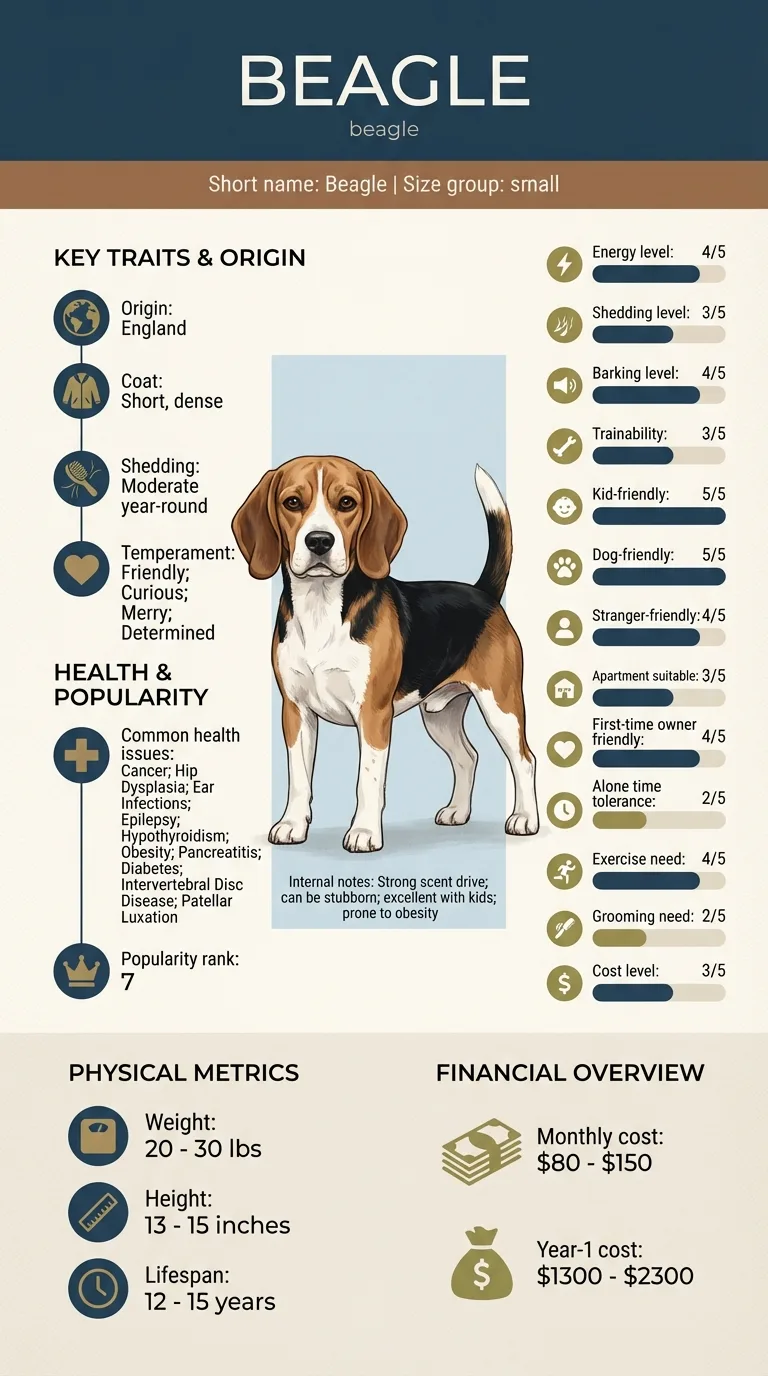
Beagles are small to medium-sized dogs with a short, dense coat, making them more vulnerable to heat. Their energy level is moderate, which means they may not always recognize when they need to cool down. Additionally, Beagles have a strong scent drive, often leading them to ignore their body's signals in pursuit of interesting smells.
Heat sensitivity and hyperthermia can also be exacerbated by their environment. High temperatures, humidity, and lack of shade can cause overheating. If a Beagle is left outside for too long during hot weather or not provided with enough water, they are at an increased risk of heat-related issues.
If your Beagle shows signs of heat exhaustion or hyperthermia, such as vomiting, confusion, or difficulty breathing, contact your veterinarian immediately. Regular check-ups can also help manage any underlying health issues that may contribute to their heat sensitivity.
Many Beagle owners unintentionally reinforce heat sensitivity and hyperthermia with common mistakes. Here are some behaviors to avoid and safer alternatives to ensure your Beagle stays cool and comfortable.
Start here: Beagle Most Common Genetic Disorders: What to Screen For
See all Beagle health problems, which breeds are prone to heat sensitivity hyperthermia, or the full Beagle breed guide for temperament, exercise needs and ownership costs.
You can expect to see improvements in your Beagle's heat sensitivity within 4 to 6 weeks of consistent care and management. However, full adaptation might take a few months.
Success means your Beagle can enjoy outdoor activities without overheating. They should show increased tolerance to heat and respond well to heat management strategies, like knowing when to rest in the shade.
When Sarah, a busy teacher in Phoenix, adopted Daisy, she quickly noticed how sensitive her Beagle was to the heat. During their first summer together, Daisy would pant heavily even on moderately warm days. After a few days of research, Sarah learned about Beagle heat sensitivity and decided to implement a few changes. She scheduled walks during cooler mornings, provided plenty of water, and created a shaded area in their backyard. Over time, Daisy adapted and now enjoys their outdoor playtime without struggling as much. Sarah feels relieved to see Daisy more comfortable and happy.
Key takeaway: With proper management and training, you can help your Beagle adapt to warmer weather and reduce the risks of heat sensitivity and hyperthermia.
Beagles are small dogs with short, dense coats, making them more susceptible to heat. Their active nature means they often overexert themselves, especially in warm weather. It's essential to monitor their behavior and keep them cool to prevent heat-related issues. This answer relates to Beagle heat sensitivity & hyperthermia.
To prevent overheating, provide plenty of water and shade during outdoor activities. Limit exercise on hot days, especially during peak sun hours. Consider using cooling vests or mats designed for dogs to help manage their body temperature.
Signs of hyperthermia include excessive panting, drooling, weakness, and confusion. If your Beagle has a body temperature above 104°F, it's crucial to cool them down immediately. Seek veterinary help if symptoms persist.
Yes, training can help teach your Beagle to respond to cues for resting or taking breaks during walks. Use positive reinforcement to encourage them to stay cool and not overexert themselves in hot conditions.
While Beagles can adapt to some extent, their heat sensitivity makes them ill-suited for extremely hot environments. If you live in a hot climate, it's essential to take extra precautions to protect your Beagle from heat-related health issues.
Plan walks during the cooler parts of the day, such as early morning or late evening. Bring water for hydration, and watch for signs of overheating. If temperatures exceed 85°F, consider indoor activities instead.
If your Beagle is overheating, watch for excessive panting, drooling, and lethargy. They may also seem disoriented or have difficulty standing. If you notice these symptoms, move them to a cooler area and offer water immediately.
To help your Beagle adjust to hot weather, ensure they have access to shade and fresh water at all times. Limit outdoor activities during peak heat hours and consider using cooling mats or vests designed for dogs. Gradually acclimate them to warmer temperatures.
Yes, Beagles with underlying health issues, older age, or those that are overweight are more prone to heat sensitivity. It's important to monitor their weight and overall health to reduce risks associated with high temperatures.
If your Beagle shows severe symptoms of hyperthermia, such as vomiting, collapse, or seizures, seek veterinary help immediately. Even mild symptoms should be evaluated if they persist after cooling efforts.
While you can't change a Beagle's innate heat sensitivity, you can train them to recognize cues for when it's too hot to be outside. Use positive reinforcement to encourage indoor play during hot days, and gradually introduce them to warmer environments safely.
Always provide fresh water and shade, limit outdoor time during peak heat, and consider cooling products for your Beagle.
Expect monthly costs between $80 to $150, covering food, vet visits, and other needs.
Beagles can suffer from obesity, hip dysplasia, and ear infections, which may affect their heat sensitivity.
Beagles need about 30 to 60 minutes of exercise daily but adjust based on weather conditions to prevent overheating.
Yes, Beagles are friendly and curious, making them a decent choice for first-time owners, but training is essential.
A one-page prep sheet for this condition: the signs, the questions to ask, what to get priced. Unlocks here.
You get: Vet visit prep sheet
No spam. One-click unsubscribe. See our privacy policy.
Preview page 1 before you decide.