Training
How can I help my Beagle eat slower?
Use a slow-feed bowl or place a large stone in their food dish to slow down their eating pace.
Beagle gastric dilatation-volvulus (GDV/bloat) is a serious, life-threatening condition that can affect your dog’s health.
Typically, Beagle owners who experience this issue may notice sudden changes in their dog’s behavior, such as restlessness or attempts to vomit without success. Those with Beagles who are prone to overeating or gulping their food may be particularly vulnerable to this serious issue.
This guide is not medical advice. If your dog shows pain, sudden behavior change, or worsening symptoms, consult a licensed veterinarian.
Some links may be affiliate links. We may earn a commission at no extra cost to you. We only suggest products we believe are helpful for dog owners.
Beagle gastric dilatation-volvulus (GDV/bloat) is a serious condition that can affect your Beagle’s life. It occurs when the stomach fills with gas and twists, cutting off blood flow. Day-to-day, you might notice your Beagle exhibiting signs of distress, such as restlessness, drooling, and a swollen abdomen.
While GDV can happen to any breed, Beagles are at moderate risk due to their tendency to eat quickly and their energetic nature. Though not the most common issue, it’s crucial to be aware of the signs, as this condition can escalate quickly and requires immediate veterinary attention.
Beagles can be prone to gastric dilatation-volvulus (GDV) due to their size and body shape. Their deep, narrow chests can make them more susceptible to bloating, especially if they eat too quickly or consume large meals. Additionally, Beagles have a strong instinct to eat, which can lead to overeating and increase the risk of GDV.
Environmental factors also play a role. Stressful situations, such as changes in routine or environment, can trigger bloat. Moreover, feeding practices, such as giving one large meal a day or allowing vigorous exercise right after eating, can heighten the risk of GDV in Beagles.
If your Beagle continues to eat too quickly or shows signs of anxiety around food, consider consulting a professional trainer. They can help implement behavior modification techniques to address these issues.
If you notice any signs of bloating, such as a swollen abdomen, restlessness, or attempts to vomit without success, contact your vet immediately. GDV is a life-threatening condition, and prompt veterinary attention is crucial.
If you suspect your Beagle may be prone to gastric dilatation-volvulus (GDV/bloat), immediate action and ongoing management are essential. You should see some improvement in behavior and diet management within a few weeks, but it may take several months to fully adjust and prevent recurrence.
Successful management means your Beagle maintains a healthy weight, has regular, uneventful meals, and shows no signs of distress. You should feel empowered and equipped with knowledge to prevent GDV/bloat.
Avoiding common pitfalls can help manage Beagle gastric dilatation-volvulus (gdv/bloat). Here are mistakes to watch out for and safer alternatives.
Beagle gastric dilatation-volvulus (GDV/bloat) can be a serious condition. It's crucial to know when it requires immediate veterinary attention versus when it can be monitored at home. If your Beagle shows any of these severe signs, you should call your vet immediately: excessive drooling, a swollen abdomen, restlessness, or attempts to vomit without producing anything. These symptoms indicate that your dog may be suffering from a potentially life-threatening situation.
On the other hand, if your Beagle seems mildly uncomfortable but is still eating and drinking normally, you can watch and wait. Slight signs of discomfort, such as occasional whining or a slight belly gurgle, can often be monitored for a few hours. Ensure you keep a close eye on their behavior and look for any changes. If mild symptoms persist or worsen, consult your vet for advice. Knowing these distinctions can save your Beagle's life and help you respond appropriately during a crisis.
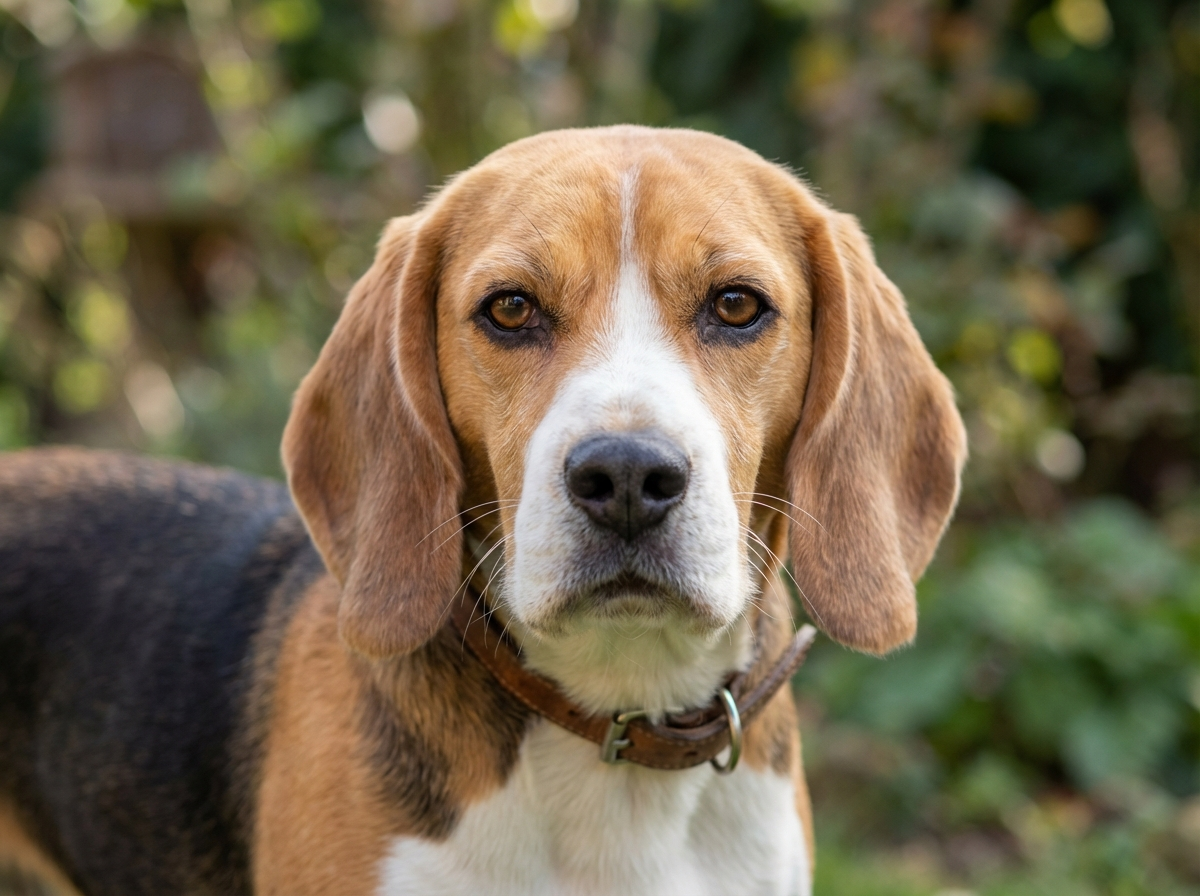
When Sarah adopted Max, her lively Beagle, she quickly learned about the risks of gastric dilatation-volvulus (GDV/bloat). Max seemed to gulp his food and then act restless. After a near scare with bloat, Sarah consulted her vet and implemented new feeding routines. She started using a slow feeder and divided Max's meals into smaller portions. Over the next few months, Max became calmer after meals, and Sarah gained confidence in managing his diet.
Key takeaway: With the right adjustments, such as slow feeding and portion control, you can significantly reduce the risk of GDV/bloat in your Beagle.
Beagle gastric dilatation-volvulus (gdv/bloat) is a serious condition where the stomach fills with gas and twists. This can cut off blood flow and lead to shock, making it a life-threatening emergency. Immediate veterinary care is crucial if you suspect your Beagle has this condition.
Several factors can contribute to Beagle gastric dilatation-volvulus (gdv/bloat), including eating too fast, consuming large meals, or exercising too soon after eating. Stress and genetics may also play a role. Monitoring feeding habits and managing stress can help reduce the risk.
To prevent Beagle gastric dilatation-volvulus (gdv/bloat), feed your dog smaller meals throughout the day instead of one large meal. Use slow-feed bowls to encourage slower eating and avoid vigorous exercise right after meals. Keeping your Beagle calm and stress-free can also help.
Symptoms include a swollen abdomen, excessive drooling, restlessness, and attempts to vomit without producing anything. If you notice these signs, seek veterinary attention immediately, as this condition can escalate quickly.
If your Beagle shows signs of gastric dilatation-volvulus (gdv/bloat), take them to the vet immediately. Time is critical, as this condition can be fatal without prompt treatment. Don't wait to see if symptoms improve.
While there's no specific training for Beagle gastric dilatation-volvulus (gdv/bloat), you can train your Beagle to eat slowly and follow a routine around meals. Teaching commands like 'leave it' can help prevent them from scavenging or eating too quickly.
Early signs of Beagle gastric dilatation-volvulus (gdv/bloat) include restlessness, unproductive attempts to vomit, and a swollen abdomen. If you notice these symptoms, seek veterinary help immediately.
Yes, older Beagles are at risk for gastric dilatation-volvulus (gdv/bloat). Their digestive systems may be more sensitive, making it crucial to monitor their eating habits and behavior closely.
To help prevent Beagle gastric dilatation-volvulus (gdv/bloat), train your Beagle to eat slowly. Use slow-feeder bowls or divide meals into smaller portions to reduce the risk of rapid eating.
If your Beagle has previously experienced gastric dilatation-volvulus (gdv/bloat), it’s vital to consult your vet for a tailored care plan. They may recommend dietary changes or behavioral training to reduce recurrence risk.
Beagles can develop gastric dilatation-volvulus (gdv/bloat) due to factors like eating too quickly, high-stress situations, and genetic predisposition. Understanding these triggers can help you take preventative measures.
Use a slow-feed bowl or place a large stone in their food dish to slow down their eating pace.
Signs of stress in Beagles include excessive barking, pacing, and changes in appetite. Identifying these signs early can help mitigate stress.
If your Beagle has a bloated belly, contact your veterinarian immediately, as this can be a sign of a serious condition.
Yes, feeding smaller, more frequent meals and avoiding high-fat foods can help reduce the risk of gdv/bloat.
Treatment for gastric dilatation-volvulus (gdv/bloat) can range from $1,500 to $3,000, depending on the severity and required procedures.