Behavior
What are quick tips for managing Beagle elbow dysplasia?
Maintain a healthy weight and provide low-impact exercise. Regular vet check-ups can help monitor the condition.

Quick answer
What are quick tips for managing Beagle elbow dysplasia?
Maintain a healthy weight and provide low-impact exercise. Regular vet check-ups can help monitor the condition.
Beagle elbow dysplasia is a common joint issue that affects many Beagles. This condition can lead to pain and mobility problems if not addressed.
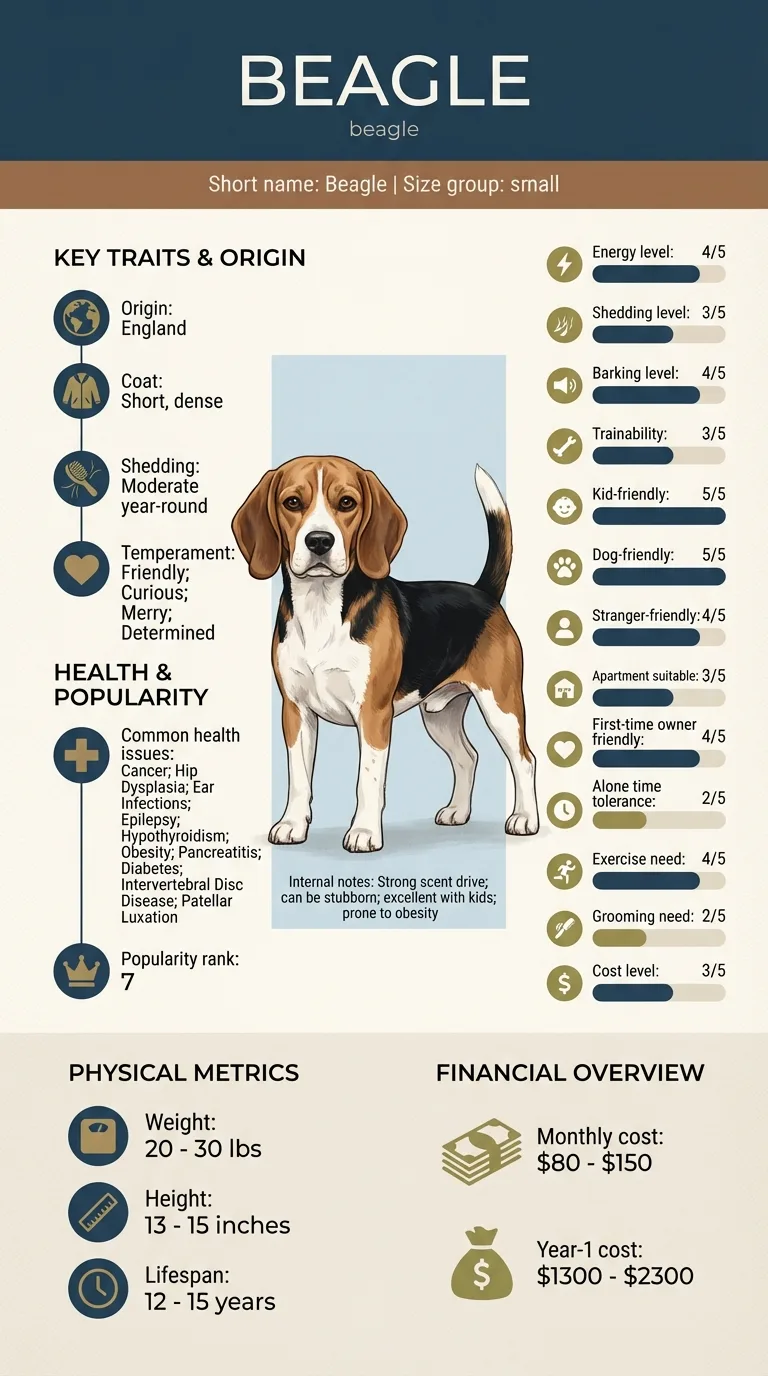
Typically, owners of Beagles experiencing mobility issues or signs of pain may face this problem. Busy families or first-time dog owners might struggle to recognize the symptoms early on, leading to potential complications.
This guide is not medical advice. If your dog shows pain, sudden behavior change, or worsening symptoms, consult a licensed veterinarian.
Some links may be affiliate links. We may earn a commission at no extra cost to you. We only suggest products we believe are helpful for dog owners.
We research and check what we publish, but we do not warrant that any figure, date, price, or statement is accurate, complete, or current, and we accept no liability for any loss, cost, injury, or other harm arising from the use of this site. Use it as one reference among several. You remain responsible for your own decisions and for your dog's care - confirm anything that matters with a licensed veterinarian or another qualified professional before you act on it. Full disclaimer.
Check this first
Understanding when Beagle elbow dysplasia becomes an emergency is crucial for your dog's health. If you notice severe symptoms, it's time to call your vet immediately. Look for signs like sudden lameness, swelling around the elbow, or your Beagle crying out in pain when moving. These could indicate a serious issue that requires prompt medical attention.
In less severe cases, you might observe mild limping or reluctance to play without the pain being immediately obvious. If your Beagle shows these symptoms but is still able to walk or play gently, you can monitor the situation at home. Keep an eye on their activity level and comfort. If the symptoms persist for more than a few days, schedule a vet appointment for further evaluation.
It's always better to err on the side of caution. If you're unsure whether a situation is an emergency, contacting your vet for advice can provide peace of mind.
If any of these apply, call your vet or an emergency clinic now. The rest of this page is for the cases that are not an emergency.
Beagle elbow dysplasia is a common issue that affects the elbow joint, leading to pain and mobility problems. This condition typically manifests as limping, reluctance to exercise, or difficulty getting up after resting. Beagles, known for their playful energy, may show less enthusiasm for activities they once enjoyed, making it essential to recognize these signs early.
Elbow dysplasia is relatively common among Beagles, particularly in those with a family history of joint issues. It’s estimated that about 10-20% of Beagles may experience this condition at some point in their lives, making awareness and early intervention crucial.
Beagles are prone to various genetic conditions, including elbow dysplasia. This can result from their bone structure and joint formation. Their medium energy levels and playful nature can also contribute to joint stress during growth periods.
Environmental factors can exacerbate elbow dysplasia in Beagles. Overexertion during puppyhood, improper weight management, and lack of appropriate exercise can lead to joint issues. Additionally, slippery surfaces and rough play can put unnecessary strain on their elbows.
Consult your vet if your Beagle shows persistent limping, reluctance to play, or difficulty rising from a resting position. These could be signs of worsening elbow dysplasia. Additionally, discuss any long-term joint care strategies to maintain their quality of life.
Avoiding these common mistakes can help improve your Beagle's elbow dysplasia situation. Here are some behaviors to steer clear of.
Start here: Beagle Most Common Genetic Disorders: What to Screen For
See all Beagle health problems, which breeds are prone to elbow dysplasia, or the full Beagle breed guide for temperament, exercise needs and ownership costs.
It typically takes 3 to 6 months to see improvement in your Beagle's elbow dysplasia with consistent care and follow-up with your vet.
Success means your Beagle shows less pain, improved mobility, and can enjoy daily activities without discomfort.
Sarah, a first-time Beagle owner, noticed her dog, Max, limping after playtime. After consulting her vet, Sarah learned that Max had elbow dysplasia, which made her anxious about his future. Determined to help him, she enrolled Max in a specialized training program focused on gentle exercises and mobility. With patience and regular vet check-ups, Max’s condition improved significantly over several months. Now, he happily runs around the park and enjoys long walks without pain, and Sarah feels empowered as a dog owner.
Key takeaway: With the right training and care, you can help your Beagle manage elbow dysplasia and lead a happy, active life.
Beagle elbow dysplasia can be caused by genetic factors, improper nutrition during growth, or excessive weight. This joint malformation leads to pain and mobility issues. Regular check-ups with your vet can help monitor and manage this condition.
To assist your Beagle, maintain a healthy weight and provide a balanced diet. Gentle exercise, such as walking or swimming, can keep joints flexible. Additionally, consult your vet for a tailored exercise plan and possible medications.
Common signs include limping, reluctance to play, or difficulty rising after resting. Your Beagle may also show signs of pain when touched near the elbow. Monitoring these behaviors can help identify the problem early.
Yes, treatment options include weight management, physical therapy, and anti-inflammatory medications. In severe cases, surgery may be necessary to correct the joint malformation. Always consult your vet for the best approach.
Avoid high-impact activities and rough play that could strain the joints. Also, limit their access to stairs and slippery surfaces. Keeping your Beagle calm and resting is essential for recovery.
Beagles with elbow dysplasia may need adjustments in their daily routine. They might require shorter walks and more rest periods. It's crucial to keep their environment dog-friendly to minimize injury risks.
Early signs of Beagle elbow dysplasia can include limping, difficulty getting up, or favoring one front leg. You might also notice reluctance to play or participate in activities that require running or jumping.
Yes, in some cases, Beagle elbow dysplasia can be managed without surgery through weight management, physical therapy, and pain relief medications. However, it's essential to consult with your vet for a tailored approach that suits your dog's needs.
Yes, elbow dysplasia can be hereditary, meaning it can be passed down from parent dogs to their puppies. Responsible breeding practices can help reduce the risk of this condition in future generations.
As Beagles age, symptoms of elbow dysplasia may worsen. Older dogs might show increased stiffness, pain, and decreased mobility, making it crucial to monitor their condition and consult your vet regularly.
If your Beagle is diagnosed with elbow dysplasia, work closely with your vet to create a management plan. This may include medication, lifestyle changes, and possibly referral to a specialist for further evaluation.
Maintain a healthy weight and provide low-impact exercise. Regular vet check-ups can help monitor the condition.
Treatment costs can range from $300 to $2,000 depending on severity and options like surgery or therapy.
Yes, elbow dysplasia can be hereditary. Responsible breeding practices can help reduce the risk in future generations.
Signs include persistent limping, difficulty moving, or increased sensitivity around the elbow area.
A one-page prep sheet for this condition: the signs, the questions to ask, what to get priced. Unlocks here.
You get: Vet visit prep sheet
No spam. One-click unsubscribe. See our privacy policy.
Preview page 1 before you decide.