Behavior
What are Beagle bloat (gastric dilatation-volvulus/gdv) quick tips?
Feed smaller meals more frequently, avoid exercise right after eating, and consider a slow feeder to reduce gulping.
Beagle bloat, or gastric dilatation-volvulus (GDV), is a serious and life-threatening condition that affects the stomach. (Beagle bloat (gastric dilatation-volvulus/gdv))
Owners of Beagles, especially those new to the breed, often struggle with managing their dog's health. Busy families or first-time dog owners may not recognize the early signs of bloat, putting their pets at risk.
This guide is not medical advice. If your dog shows pain, sudden behavior change, or worsening symptoms, consult a licensed veterinarian.
Some links may be affiliate links. We may earn a commission at no extra cost to you. We only suggest products we believe are helpful for dog owners.
Beagle bloat, or gastric dilatation-volvulus (GDV), is a serious condition that can occur suddenly. It typically manifests as a swollen abdomen, restlessness, excessive drooling, and signs of distress. This condition can be life-threatening and requires immediate veterinary attention.
While bloat is not extremely common, Beagles, due to their size and eating habits, can be at risk. It's crucial for owners to be aware of the signs and take preventive measures.
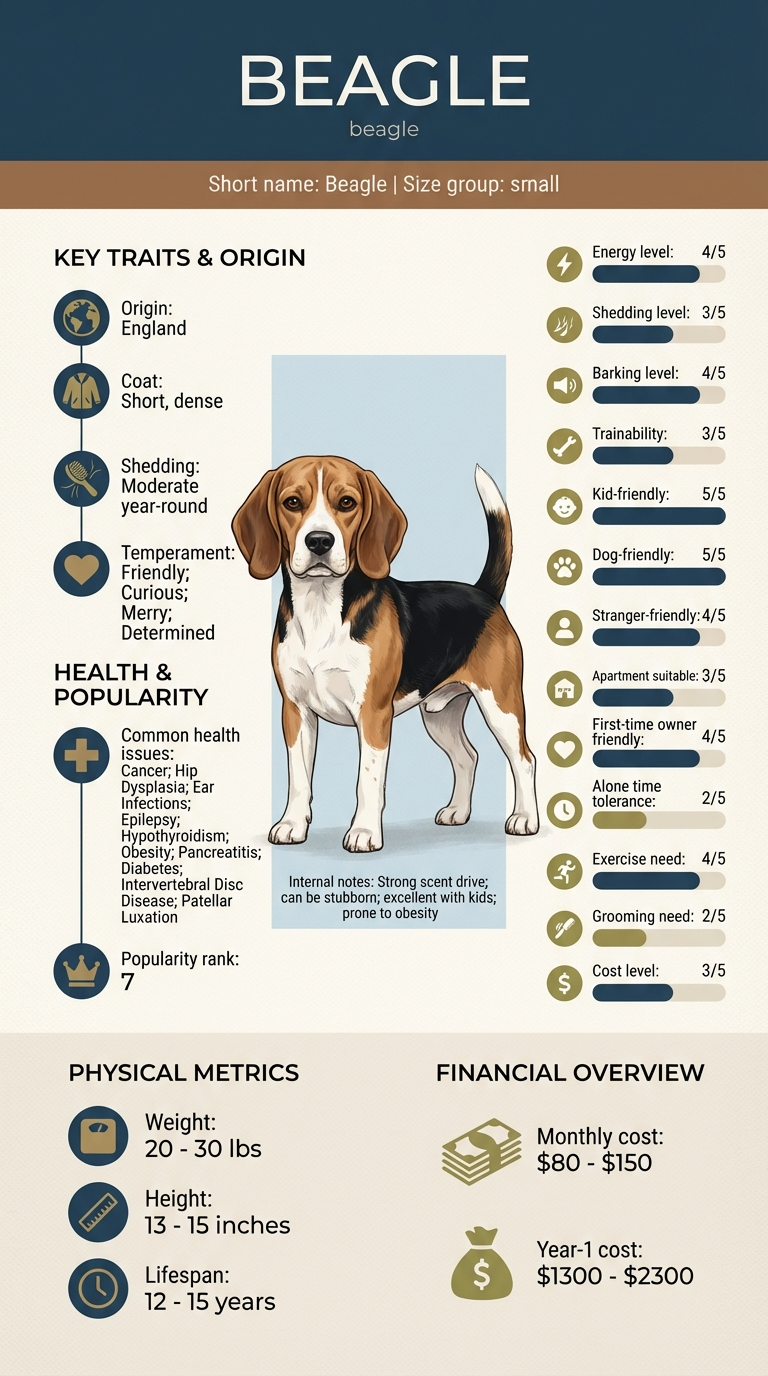
Beagles are small to medium-sized dogs with a strong scent drive. Their curious and determined nature can lead them to overeat or eat too quickly, increasing the risk of bloat. Additionally, their tendency to be stubborn may make them less responsive to training that encourages slower eating habits.
Stressful environments or sudden changes can trigger anxiety in Beagles, which can contribute to bloat. Feeding practices, such as giving one large meal instead of smaller portions throughout the day, can also heighten the risk. Dogs that are exercised immediately after eating may be more prone to this condition.
If your Beagle continues to eat too quickly or shows signs of food aggression, a professional dog trainer can help. Look for trainers who specialize in behavioral issues and use positive reinforcement methods.
If you notice signs of bloat, such as a swollen abdomen, excessive drooling, or distress, contact your vet immediately. Bloat is a medical emergency that requires prompt treatment. Regular check-ups can also help monitor your Beagle's weight and eating habits to prevent bloat.
Managing Beagle bloat can take several weeks of consistent training and care. You should start seeing improvements within a month if you follow the right strategies.
Success looks like your Beagle eating slowly, showing no signs of distress after meals, and having fewer instances of bloat. Regular vet check-ups will also help ensure their stomach health.
Avoid these common mistakes that can exacerbate Beagle bloat and delay recovery.
Beagle bloat is a serious condition that can escalate quickly. It's crucial to know when to act fast and when to monitor your dog at home. If your Beagle shows any of the following red-flag signs, call your vet immediately.
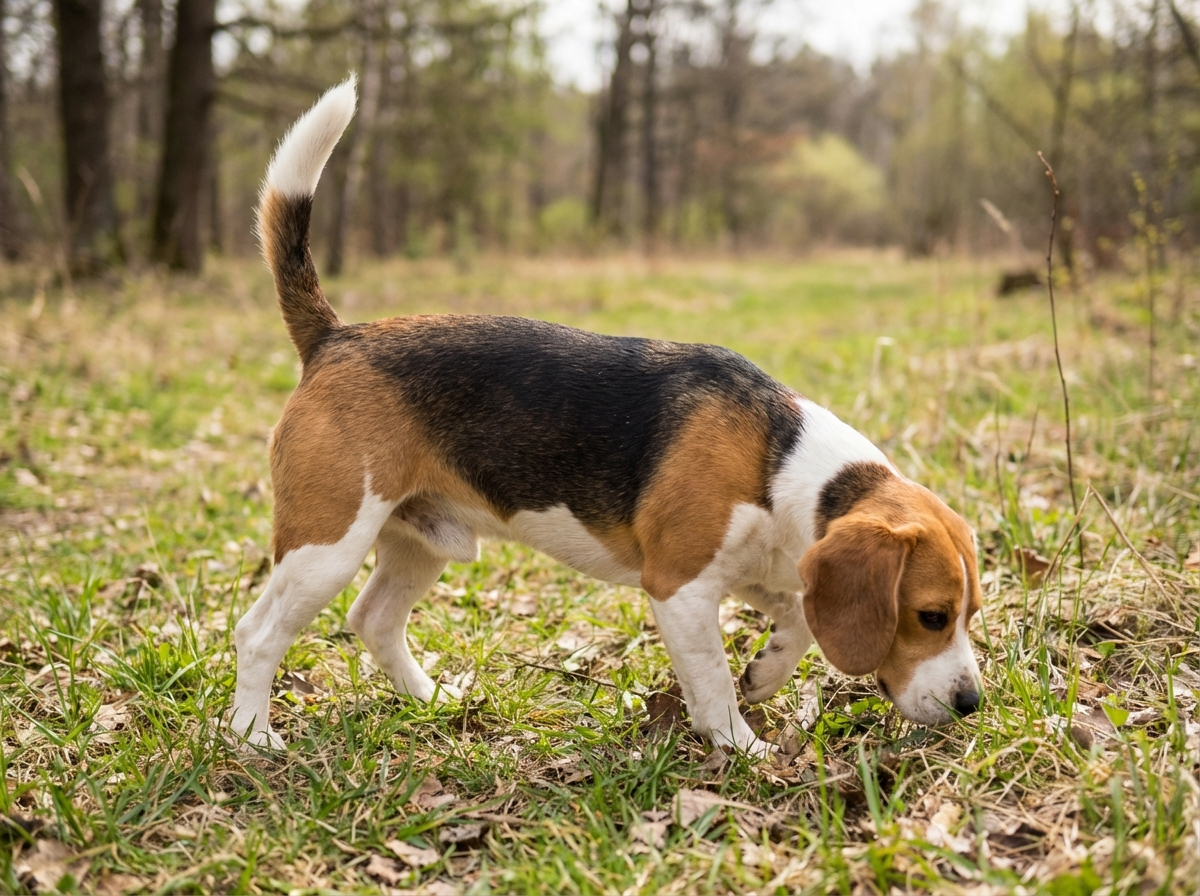
In less severe cases, you can keep an eye on your Beagle. If your dog is acting normally but has a slightly swollen belly, monitor their behavior closely. Make sure they are drinking water and eating small meals. If symptoms persist or worsen, don't hesitate to contact your vet.
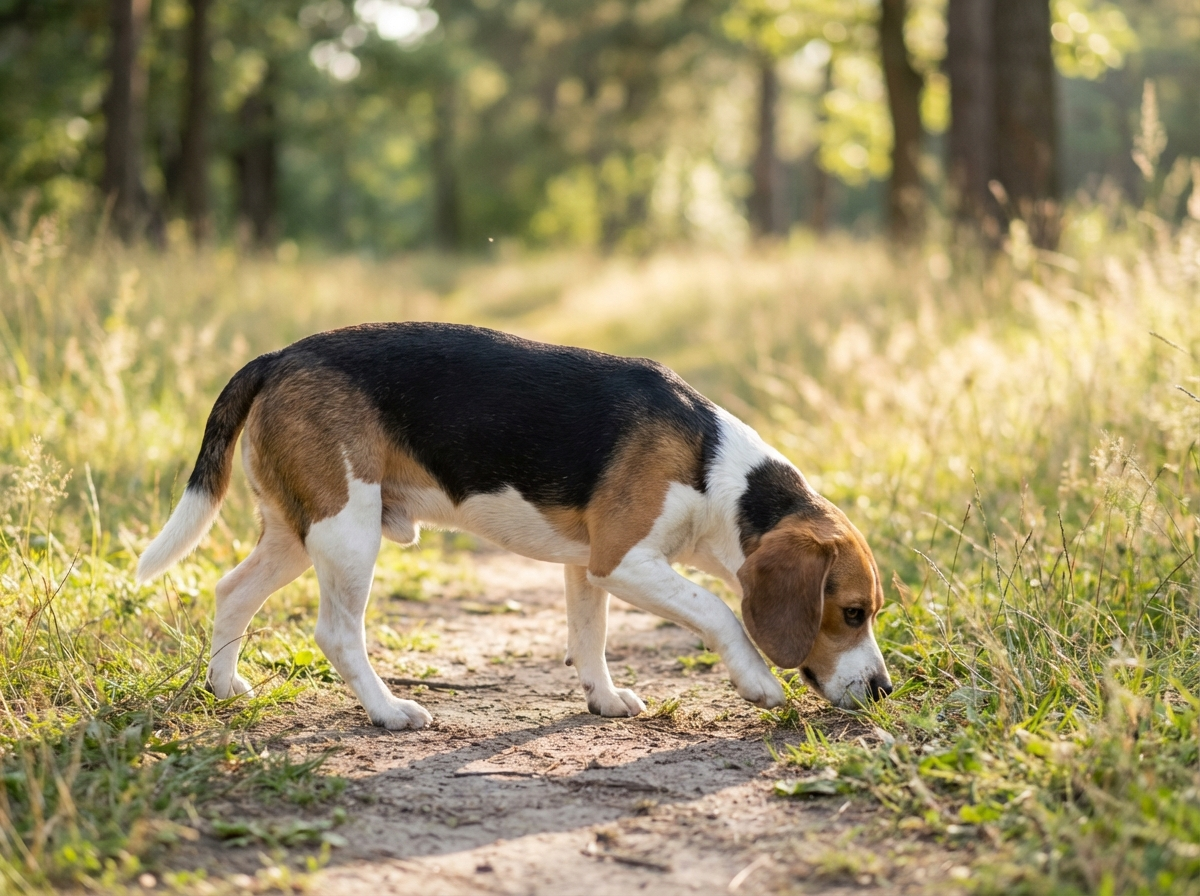
Sam, a first-time dog owner, noticed his Beagle Bella frequently bloating after meals. At first, he thought it was just a phase, but after a few alarming vet visits, he learned about Beagle bloat (gastric dilatation-volvulus/GDV) and its serious risks. Determined to help Bella, he started feeding her smaller meals throughout the day and invested in a slow feeder bowl to prevent her from gulping her food. After a month of consistent feeding practices and regular vet check-ups, Bella was thriving. Sam realized that with patience and proper care, he could manage Bella's condition effectively.
Key takeaway: Consistent feeding routines and slow feeding techniques can significantly reduce the risk of Beagle bloat. Don't ignore early signs; take action to ensure your dog's health.
Bloat, or gastric dilatation-volvulus (GDV), occurs when a dog's stomach fills with gas and twists. Beagles are prone to this condition due to their deep chests and tendency to eat quickly. Factors like stress, eating large meals, and vigorous exercise after eating can increase the risk.
Signs of bloat include a swollen abdomen, unproductive retching, drooling, and signs of distress. If your Beagle shows these symptoms, seek veterinary help immediately. GDV is a medical emergency that requires prompt treatment.
If you suspect bloat, take your Beagle to the vet right away. Time is crucial, as bloat can lead to shock and can be fatal if untreated. Don't wait to see if symptoms improve.
To help prevent bloat, feed your Beagle smaller, more frequent meals instead of one large meal. Avoid vigorous exercise immediately after eating and consider using a slow feeder to prevent gulping. Regular vet check-ups are also important for monitoring any health changes.
While there's no specific diet guaranteed to prevent bloat, a high-quality, protein-rich diet in smaller portions can help. It's best to consult with your vet about dietary needs, as individual requirements may vary based on health and activity level.
Training can help improve feeding habits, such as teaching your Beagle to eat slowly. Use commands to encourage patience during mealtime. Positive reinforcement can also be effective in managing their excitement around food.
Early signs of Beagle bloat may include restlessness, a distended abdomen, and unsuccessful attempts to vomit. If your Beagle shows these symptoms, it’s crucial to seek veterinary help immediately.
Yes, Beagle bloat can occur after eating, especially if they eat too quickly. To prevent this, consider using a slow-feed bowl, providing smaller meals throughout the day, and monitoring their eating habits closely.
While Beagle bloat can affect dogs of any age, older dogs may be at higher risk due to age-related changes in their digestive systems. Regular vet check-ups can help catch any issues early.
If your Beagle shows signs of bloat after eating, take them to the vet immediately. This condition can escalate quickly and requires prompt medical attention to prevent serious complications.
Stress can lead to rapid eating or drinking, which increases the risk of bloat. Ensuring your Beagle has a calm, stable environment can help reduce their anxiety and eating speed, lowering the chances of this condition.
Feed smaller meals more frequently, avoid exercise right after eating, and consider a slow feeder to reduce gulping.
Look for a swollen abdomen, excessive drooling, and unproductive retching. Seek veterinary help immediately if you notice these signs.
Treatments can range from $1,500 to $7,500, depending on the severity and necessary procedures. Be prepared for emergency vet visits if symptoms arise.
Yes, by feeding smaller meals, avoiding vigorous activity post-meal, and monitoring your dog's eating habits, you can reduce the risk.