Behavior
What are quick tips for Beagle back problems?
To manage Beagle back problems, maintain a healthy weight, avoid jumping, and provide a supportive bed.

Quick answer
What are quick tips for Beagle back problems?
To manage Beagle back problems, maintain a healthy weight, avoid jumping, and provide a supportive bed.
Beagle back problems can be a serious concern for dog owners. These issues can stem from their unique body structure, leading to pain and discomfort.
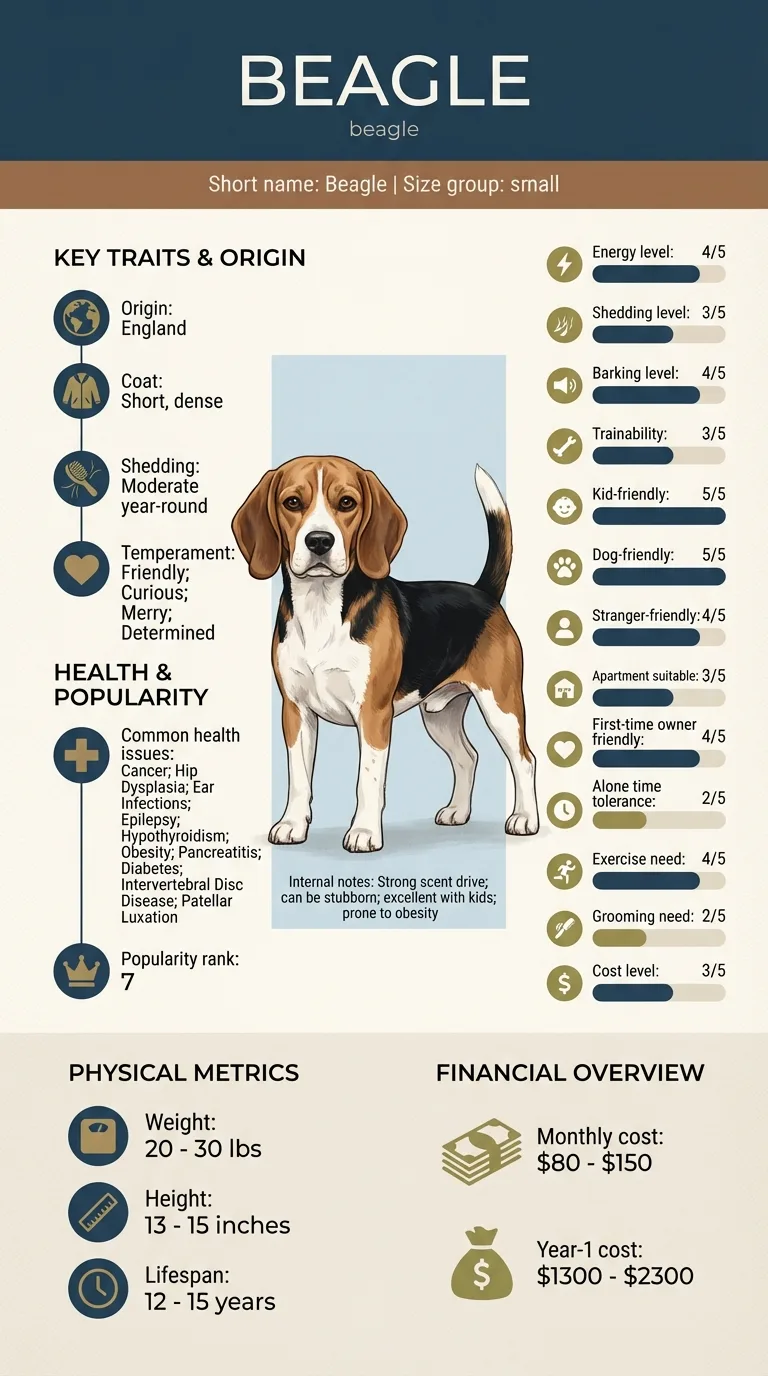
Owners of Beagles, especially those who are first-time pet parents, often find themselves facing these challenges. Busy families or individuals who may not be familiar with canine anatomy are particularly at risk of missing early symptoms.
This guide is not medical advice. If your dog shows pain, sudden behavior change, or worsening symptoms, consult a licensed veterinarian.
Some links may be affiliate links. We may earn a commission at no extra cost to you. We only suggest products we believe are helpful for dog owners.
We research and check what we publish, but we do not warrant that any figure, date, price, or statement is accurate, complete, or current, and we accept no liability for any loss, cost, injury, or other harm arising from the use of this site. Use it as one reference among several. You remain responsible for your own decisions and for your dog's care - confirm anything that matters with a licensed veterinarian or another qualified professional before you act on it. Full disclaimer.
Check this first
Understanding when Beagle back problems are serious is crucial for your dog's well-being. Red flags include sudden inability to walk, severe pain that causes crying or yelping, or noticeable swelling along the spine. If you see any of these signs, you should call your vet immediately.
Mild cases can usually be monitored. If your Beagle shows occasional stiffness after exercise or seems a bit reluctant to jump, these may not require urgent care. Instead, you can create a plan to manage their activity and monitor their condition closely. Keep track of their behavior, and if symptoms worsen, consult your vet for advice.
A proactive approach can help identify future issues before they escalate. Regular check-ups can ensure that your Beagle stays healthy and active. Remember, it’s always better to err on the side of caution when it comes to your furry friend’s health.
If any of these apply, call your vet or an emergency clinic now. The rest of this page is for the cases that are not an emergency.
Beagle back problems can be a significant issue for many owners. These problems often manifest as discomfort or difficulty in movement, especially as Beagles age. Their long spine and short legs make them more susceptible to conditions like Intervertebral Disc Disease, which can lead to pain and mobility issues.
Back problems are quite common among Beagles, especially as they age. Many Beagle owners report dealing with some form of back discomfort in their pets, making it an issue that requires attention and care.
Beagles have long spines and short legs, which can put extra stress on their backs. This unique body structure makes them more prone to back issues. Additionally, their playful nature can lead them to jump or climb in ways that increase the risk of injury.
Beagle back problems can also stem from their living conditions. If they are not provided with enough support while jumping on and off furniture, it can strain their backs. Being overweight can worsen these issues, making it crucial to maintain a healthy diet and exercise routine.
If your Beagle experiences persistent back pain, limping, or difficulty standing up, it's time to consult a vet. They can assess for any serious underlying conditions and recommend treatments or medications.
Avoiding these common mistakes can help improve your Beagle's back problems. Here are some behaviors to watch out for and safer alternatives.
Start here: Beagle Most Common Genetic Disorders: What to Screen For
See all Beagle health problems, which breeds are prone to back problems, or the full Beagle breed guide for temperament, exercise needs and ownership costs.
Addressing Beagle back problems can take several weeks to months, depending on the severity. Regular care and monitoring can lead to noticeable improvements in as little as 4 to 6 weeks.
Success means your Beagle can move comfortably without significant pain. You'll notice improved mobility, less reluctance to engage in activities, and a happier demeanor.
Rita, a busy nurse in Atlanta, adopted Max, a sprightly Beagle, who soon began showing signs of back issues. At first, she thought it was just typical Beagle stubbornness when he refused to jump onto the couch or play for long. After a vet visit confirmed early signs of back problems, she felt overwhelmed but determined to help him. Rita researched and learned about strength-building exercises tailored for Beagles. Setting aside time each evening, she implemented a gentle training routine with Max. Within a few weeks, he started showing more enthusiasm during playtime and was even able to jump onto the couch without hesitation.
Key takeaway: With patience and consistent training, managing Beagle back problems is achievable. It's essential to be proactive and adjust activities to support their health.
Signs of back problems in Beagles can include difficulty jumping, reluctance to play, or changes in walking patterns. You might also notice them whining or showing signs of discomfort when moving. If you observe these symptoms, it’s important to consult your vet.
To prevent Beagle back problems, ensure your dog maintains a healthy weight and gets regular exercise without excessive jumping or rough play. Providing a supportive bed and avoiding slippery surfaces can also help reduce strain on their back.
Training your Beagle to avoid jumping on and off furniture can help prevent back strain. Consider using ramps or stairs to assist them instead. Consistent commands and rewards for gentle movements can reinforce safe behavior.
Yes, Beagles are particularly prone to Intervertebral Disc Disease due to their body structure. Regular vet visits can help identify early signs of back issues, allowing for timely interventions.
Signs may include reluctance to jump, difficulty walking, or yelping when moving. If you notice any of these symptoms, consult your vet immediately for a proper diagnosis and treatment plan.
Absolutely! Keeping your Beagle at a healthy weight reduces stress on their spine. Regular exercise and a balanced diet are key components in preventing back problems.
If your Beagle shows signs of back pain, limit their activity and consult your veterinarian. They may recommend pain management or specific treatments to help your dog recover.
Yes, some Beagle back problems can be hereditary. Conditions like Intervertebral Disc Disease may be passed down through genes, making it crucial to choose a reputable breeder. Always ask breeders about the health history of the puppy's parents.
For older Beagles with back problems, consider providing them with a comfortable, supportive bed and limiting their jumping. Gentle exercise and physical therapy can also help strengthen their back muscles. Always consult your vet for tailored advice.
You should take your Beagle to the vet if they show persistent signs of pain, difficulty moving, or if their behavior changes drastically. Early intervention can help prevent more serious issues, so don’t hesitate to seek professional help.
Yes, training methods that promote good posture and controlled movements can help prevent back problems in Beagles. Focus on commands that encourage gentle behavior, and avoid excessive jumping or rough play. Consistency is key in training for better habits.
To manage Beagle back problems, maintain a healthy weight, avoid jumping, and provide a supportive bed.
Regular vet check-ups, at least once a year, are essential to monitor for back issues in your Beagle.
Yes, training your Beagle to avoid jumping and using ramps can greatly reduce back strain.
Treatment costs can range from $100 for basic vet visits to several thousand dollars for surgery, depending on the severity of the issue.
While back problems can impact quality of life, managing them effectively with proper care can help maintain a long and healthy lifespan.
A one-page prep sheet for this condition: the signs, the questions to ask, what to get priced. Unlocks here.
You get: Vet visit prep sheet
No spam. One-click unsubscribe. See our privacy policy.
Preview page 1 before you decide.