Health
How do I know if my Basset Hound has vwd1?
Look for signs of excessive bleeding or unusual bruising. A vet can perform tests to confirm if your Basset Hound has von willebrand's disease.
Basset Hound von Willebrand's disease (vWD1) is a genetic bleeding disorder that can cause serious health risks for your furry friend.
Owners of Basset Hounds often face challenges with vWD1, especially those who are first-time pet parents or those who may not be familiar with canine health issues. Understanding this disorder is essential for anyone committed to providing the best care for their beloved Basset Hound.
This guide is not medical advice. If your dog shows pain, sudden behavior change, or worsening symptoms, consult a licensed veterinarian.
Some links may be affiliate links. We may earn a commission at no extra cost to you. We only suggest products we believe are helpful for dog owners.
Basset Hound von Willebrand's disease (vWD1) is a genetic bleeding disorder that can cause significant health issues for affected dogs. Daily life for a Basset with vWD1 may include unexplained bleeding, excessive bruising, or prolonged bleeding from minor injuries. Owners may notice that their Basset Hound tires easily or has difficulty healing from cuts and scrapes, leading to frequent vet visits for monitoring and treatment.
Von Willebrand's disease (vWD1) is relatively common in Basset Hounds, particularly among those with a family history of the disorder. It can affect a significant number of this breed, so being aware of the signs and symptoms is crucial for owners.
Basset Hounds are genetically predisposed to von Willebrand's disease (vWD1), a bleeding disorder caused by a deficiency in a specific clotting protein. This condition is inherited, meaning if one or both of the parents carry the gene, their puppies may also be affected. Understanding this genetic link is crucial for future breeding decisions.
Environmental factors can also influence the severity of vWD1 symptoms. Stressful situations, such as injuries or surgeries, can trigger bleeding episodes. Additionally, a lack of proper nutrition or exposure to certain medications may exacerbate the condition.
If your Basset Hound shows signs of anxiety or behavior problems related to their condition, consider working with a professional trainer. They can help you develop a tailored training plan that focuses on building your dog's confidence and coping mechanisms.
It's essential to consult your vet if you notice any unusual bleeding or if your dog's symptoms worsen. Regular check-ups can help manage the condition and ensure your Basset Hound stays healthy.
Managing Basset Hound von Willebrand's disease (vWD1) is an ongoing process. After diagnosis, you can expect to see improvements in your dog's condition within 2 to 6 months of treatment and management changes.
Success means your Basset Hound has fewer bleeding episodes, maintains a healthy weight, and enjoys a normal life while being monitored by your vet.
Managing your Basset Hound with von Willebrand's disease (vWD1) can be tricky. Here are some common mistakes owners make that can worsen the situation, along with safer alternatives to help your furry friend.
Understanding when Basset Hound von Willebrand's disease (vWD1) is an emergency can save your pup's life. It's crucial to know the signs that require immediate veterinary attention versus those that can be monitored with a plan. If you notice any of the following red flags, call your vet right away:
- Unexplained bleeding or bruising - Blood in urine or stool - Excessive bleeding from minor cuts or injuries - Weakness or lethargy - Difficulty breathing or rapid heart rate
These symptoms indicate severe complications that could be life-threatening for your Basset Hound. On the other hand, mild cases of vWD1 might include occasional nosebleeds or minor gum bleeding. In such cases, you can monitor your dog's behavior and keep a detailed record of incidents.
For mild symptoms, consider the following steps: - Maintain regular vet check-ups - Monitor your dog's activity and any new symptoms - Keep a journal of any bleeding incidents and share it with your vet during visits
Always trust your instincts as a pet owner. If you're ever unsure, it’s best to err on the side of caution. Regular communication with your veterinarian is key to managing Basset Hound von Willebrand's disease (vWD1) effectively.
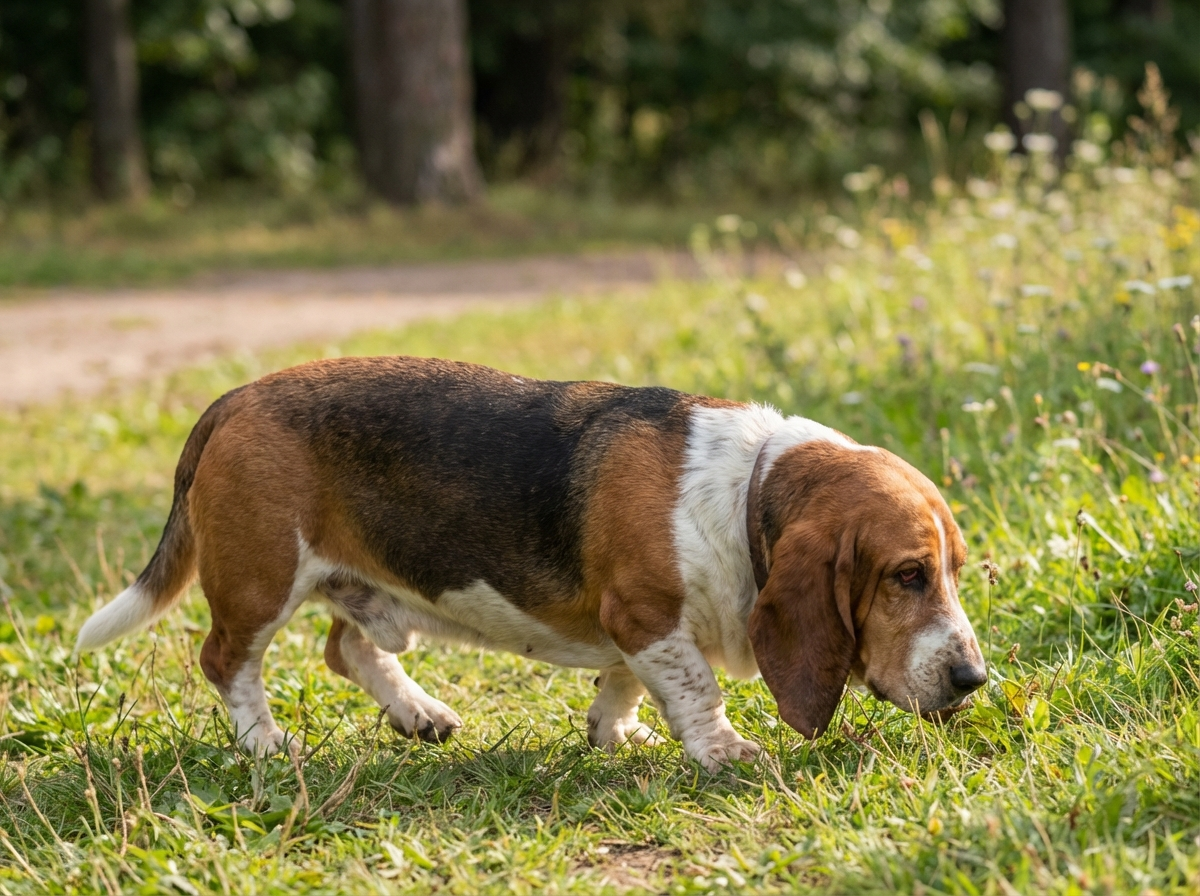
When Sarah adopted Oliver, her sweet Basset Hound, she noticed he was more lethargic than other pups. After a few months, a visit to the vet revealed that Oliver had von Willebrand's disease (vWD1). Determined to help him, Sarah learned to manage his diet and medication carefully. She also followed a training regimen that focused on gentle exercise and stress reduction. With the right care, Oliver's energy improved, allowing him to enjoy daily walks and playtime.
Key takeaway: Understanding and managing Basset Hound von Willebrand's disease (vWD1) can lead to a happier, healthier life for your dog with careful attention and veterinary support.
Basset Hound von willebrand's disease (vwd1) is a genetic bleeding disorder. It affects the blood's ability to clot, leading to excessive bleeding from minor injuries. Understanding this condition is crucial for effective management.
This condition is inherited, meaning it's passed down from parents to puppies. If your Basset Hound has vwd1, it likely inherited the gene from one or both parents. Regular veterinary check-ups can help identify this disease early.
Management includes regular vet check-ups and monitoring for signs of bleeding. Avoid activities that could lead to injury. Medication or blood transfusions may be necessary during surgery or if bleeding occurs.
Yes, with proper management and care, many Basset Hounds with vwd1 can lead normal, happy lives. It's important to educate yourself about the condition and take preventive measures to minimize risks.
Symptoms can include excessive bleeding from minor cuts, nosebleeds, or prolonged bleeding after surgery. If you notice any unusual bleeding, consult your veterinarian immediately.
Currently, there is no cure for vwd1, as it is a genetic condition. Ongoing management and veterinary care can help keep your Basset Hound healthy and minimize complications.
While you can't stop the genetic condition, you can manage it through preventive care and regular veterinary visits. Focus on avoiding injuries and training your dog to be gentle.
Symptoms of von Willebrand's disease (vWD1) in Basset Hounds can include excessive bleeding from cuts, nosebleeds, or prolonged bleeding during surgery. You may also notice bruising or blood in the urine. If you observe any of these signs, consult your veterinarian.
While there is no cure for von Willebrand's disease, treatments can help manage the condition. Your vet might recommend a blood transfusion during severe bleeding episodes or medications that help improve blood clotting. Regular check-ups are vital to monitor your Basset's health.
Spaying or neutering a Basset Hound with von Willebrand's disease is possible but requires careful planning. It's essential to consult with your veterinarian to determine the safest approach, as they may recommend specific precautions to minimize bleeding risks during the procedure.
To support your Basset Hound with von Willebrand's disease, maintain a stress-free environment and avoid rough play that could lead to injuries. Regular vet visits are crucial, and keeping your dog at a healthy weight can reduce strain on their body. Consider keeping a first aid kit handy for minor injuries.
If your Basset Hound experiences a bleeding episode, remain calm and apply gentle pressure to the wound with a clean cloth. Contact your veterinarian immediately for further instructions. Quick action can help manage the situation effectively.
Look for signs of excessive bleeding or unusual bruising. A vet can perform tests to confirm if your Basset Hound has von willebrand's disease.
Ensure your dog avoids rough play and consult your vet about regular check-ups. Keeping your dog calm can help minimize risks.
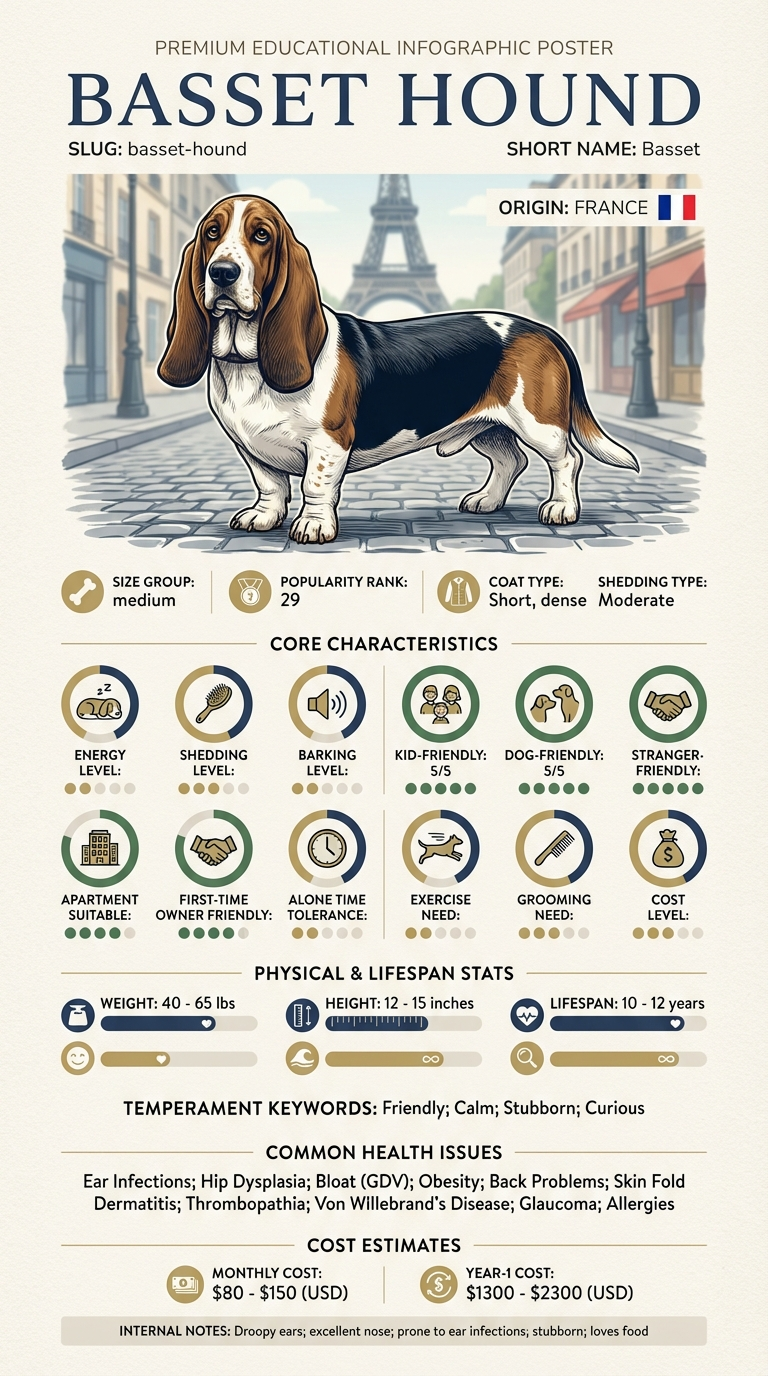
Costs can vary based on treatment needs, but expect to spend $80 to $150 monthly for ongoing care, plus any additional costs for treatments or emergencies.
Yes, training can help your dog learn to be gentle and avoid risky behaviors. Focus on positive reinforcement techniques.
Consider first-aid supplies for minor injuries and calming products for anxiety. Always consult your vet for specific recommendations.