Behavior
What are the signs of Basset Hound progressive retinal atrophy (pra-rcd3)?
Signs include difficulty seeing in dim light, bumping into objects, and changes in behavior like reluctance to explore. Early detection is key.
Basset Hound progressive retinal atrophy (PRA-RCD3) can lead to serious vision loss. Understanding this condition is essential for your dog’s well-being.
Owners of Basset Hounds, especially those with older dogs, may find themselves navigating the challenges of vision loss. If you’re a first-time dog owner or someone who wants to ensure their pet remains comfortable, this information is crucial.
This guide is not medical advice. If your dog shows pain, sudden behavior change, or worsening symptoms, consult a licensed veterinarian.
Some links may be affiliate links. We may earn a commission at no extra cost to you. We only suggest products we believe are helpful for dog owners.
Basset Hound progressive retinal atrophy (pra-rcd3) is a serious condition that leads to gradual vision loss. This issue can manifest as your Basset struggles to navigate familiar spaces or seems disoriented in new environments. Owners might notice their dog bumping into furniture or hesitating to jump off low surfaces, which can be distressing for both pet and owner.
Progressive retinal atrophy (pra-rcd3) is relatively common among Basset Hounds, with studies indicating that a notable percentage of this breed may develop vision issues as they age. Early symptoms often appear in middle age, and while this condition is not universal, it can significantly impact the quality of life for affected dogs.
Basset Hounds are prone to progressive retinal atrophy (PRA-rcd3) due to genetic factors. This inherited condition affects their vision, leading to gradual sight loss. The breed's unique genetics makes them more susceptible than others.
Environmental factors can also play a role. Poor lighting conditions, lack of mental stimulation, or not providing a safe space can exacerbate the challenges for Basset Hounds with PRA-rcd3. Ensuring a stable environment is crucial for their well-being.
If your Basset Hound struggles significantly with navigation or shows signs of anxiety due to vision loss, consider consulting a professional trainer. A trainer can help with tailored strategies that accommodate their specific needs.
If you notice any sudden changes in your Basset Hound's behavior or vision, it's essential to consult your vet. They can provide guidance on managing PRA-rcd3 and recommend appropriate treatments or interventions.
Managing Basset Hound progressive retinal atrophy (pra-rcd3) typically requires a few months of consistent training and adjustment. Owners may notice improvements in their dog's ability to navigate familiar surroundings within 3 to 6 months.
Success looks like your Basset Hound confidently moving around the home and familiar outdoor spaces. They will rely on their other senses and may even learn to follow verbal cues or specific sounds to help them navigate.
Here are common mistakes owners make that can worsen Basset Hound progressive retinal atrophy (PRA-rcd3) and safer alternatives to consider.
With Basset Hound progressive retinal atrophy (PRA-rcd3), knowing when to seek immediate help is crucial. There are red-flag signs that indicate it's time to call your vet without delay. These include sudden changes in your dog's vision, such as bumping into furniture or losing track of toys. If your dog seems disoriented or fearful in familiar places, don’t hesitate to reach out to a professional.
Mild cases of PRA-rcd3 can be monitored at home. If your Basset Hound is showing gradual vision loss but is managing daily activities well, you might not need urgent care. Keeping an eye on their behavior is key. If you notice they are still playful and adjusting their movements, it’s likely a situation where you can wait and observe.
Establishing a plan with your vet for regular check-ups can help track the progression of the disease. If you’re unsure, remember it’s always better to err on the side of caution. Having a clear understanding of the signs to look for will help you decide whether to wait or act immediately. Always consult your vet about any concerns regarding your Basset Hound's eye health.
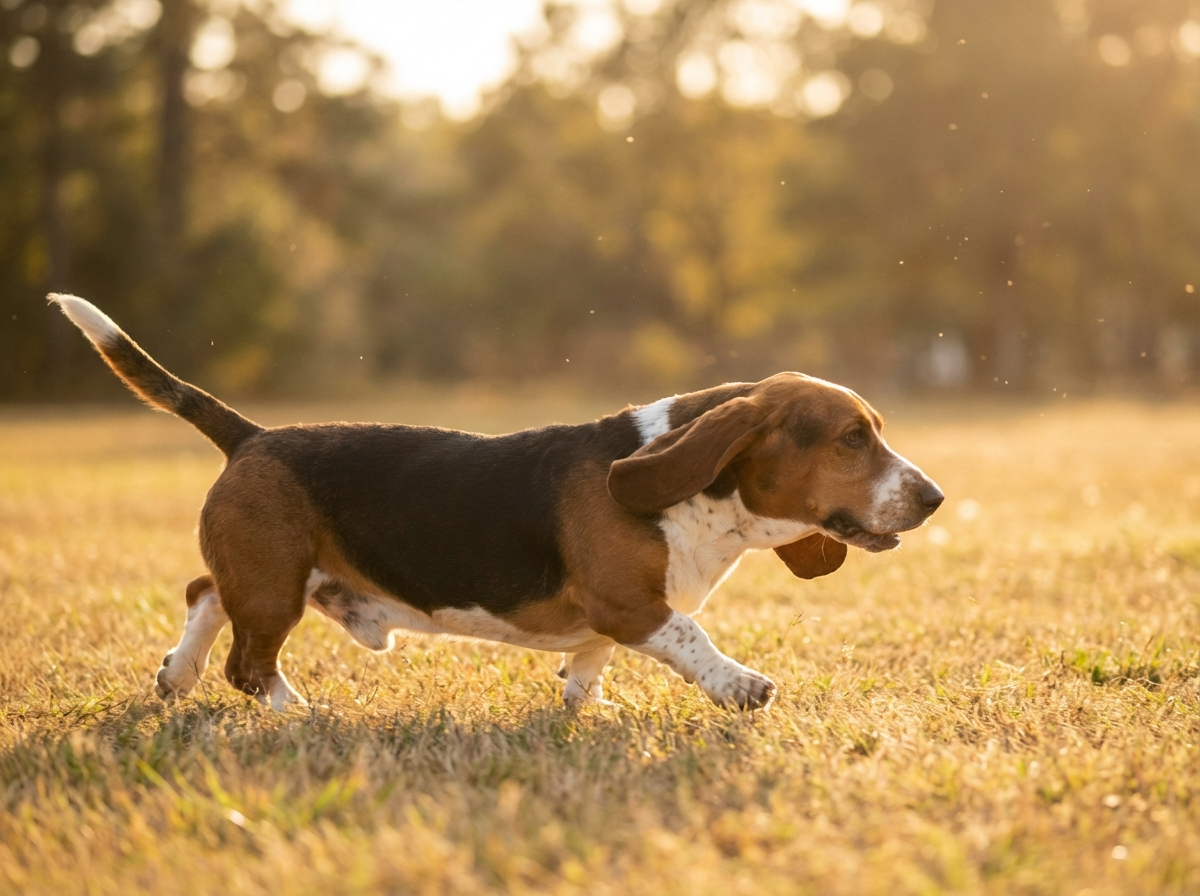
When Sarah adopted Max, her Basset Hound, she quickly noticed he was having trouble seeing. After a vet diagnosis of progressive retinal atrophy (pra-rcd3), Sarah felt overwhelmed. With patience, she started using consistent commands and set up clear pathways in her home. Over time, Max learned to navigate with sound cues and even became adept at finding his favorite toys. Their bond deepened as they adapted together, making the journey rewarding despite the challenges.
Key takeaway: With time and training, you can help your Basset Hound adjust to vision loss, turning potential struggles into opportunities for deeper connection.
Basset Hound progressive retinal atrophy (pra-rcd3) is a genetic condition that leads to gradual vision loss in affected dogs. It typically manifests in middle age and can result in blindness over time. Early detection is crucial for managing the dog's quality of life.
Basset Hounds are genetically predisposed to progressive retinal atrophy (pra-rcd3) due to inherited traits. The condition stems from mutations affecting the retina, leading to the degeneration of photoreceptor cells. Regular veterinary check-ups can help monitor eye health and detect any early signs.
To support your Basset Hound, create a safe and familiar environment to reduce stress and confusion. Training them to respond to verbal commands can help guide them when their vision deteriorates. Consulting with your veterinarian for specific strategies and adjustments is also recommended.
Currently, there is no cure for progressive retinal atrophy (pra-rcd3) in Basset Hounds. However, management strategies such as creating a stable home environment and providing support can enhance their quality of life. Regular vet visits are essential for monitoring progression.
While you can't prevent progressive retinal atrophy (pra-rcd3) due to its genetic nature, you can reduce the risk of other eye issues by keeping your Basset Hound healthy. Regular eye examinations and a nutritious diet contribute to overall well-being.
Early signs of Basset Hound progressive retinal atrophy (PRA-rcd3) may include difficulty seeing in low light, bumping into objects, or changes in their usual behavior. If you notice your dog becoming more cautious or hesitant while moving around, it's time to consult your vet for an evaluation.
Yes, older Basset Hounds may show different symptoms of progressive retinal atrophy (PRA-rcd3) as their overall health changes. They may also have a harder time adjusting to vision loss, so it's crucial to provide them with a safe environment and regular vet check-ups.
To help your Basset Hound with progressive retinal atrophy (PRA-rcd3), maintain a consistent layout at home, using tactile cues and verbal commands to guide them. Consider using soft lighting and avoid moving furniture around to minimize confusion.
You should take your Basset Hound to the vet if you notice any signs of vision loss, such as difficulty navigating familiar spaces or changes in behavior. Timely diagnosis and management can help improve their quality of life.
Currently, there is no known way to prevent Basset Hound progressive retinal atrophy (PRA-rcd3) as it is often hereditary. Regular vet check-ups can help catch any issues early and allow for better management of the condition.
Signs include difficulty seeing in dim light, bumping into objects, and changes in behavior like reluctance to explore. Early detection is key.
Use positive reinforcement and consistent verbal commands to help guide your dog. Ensure the training environment is safe and familiar.
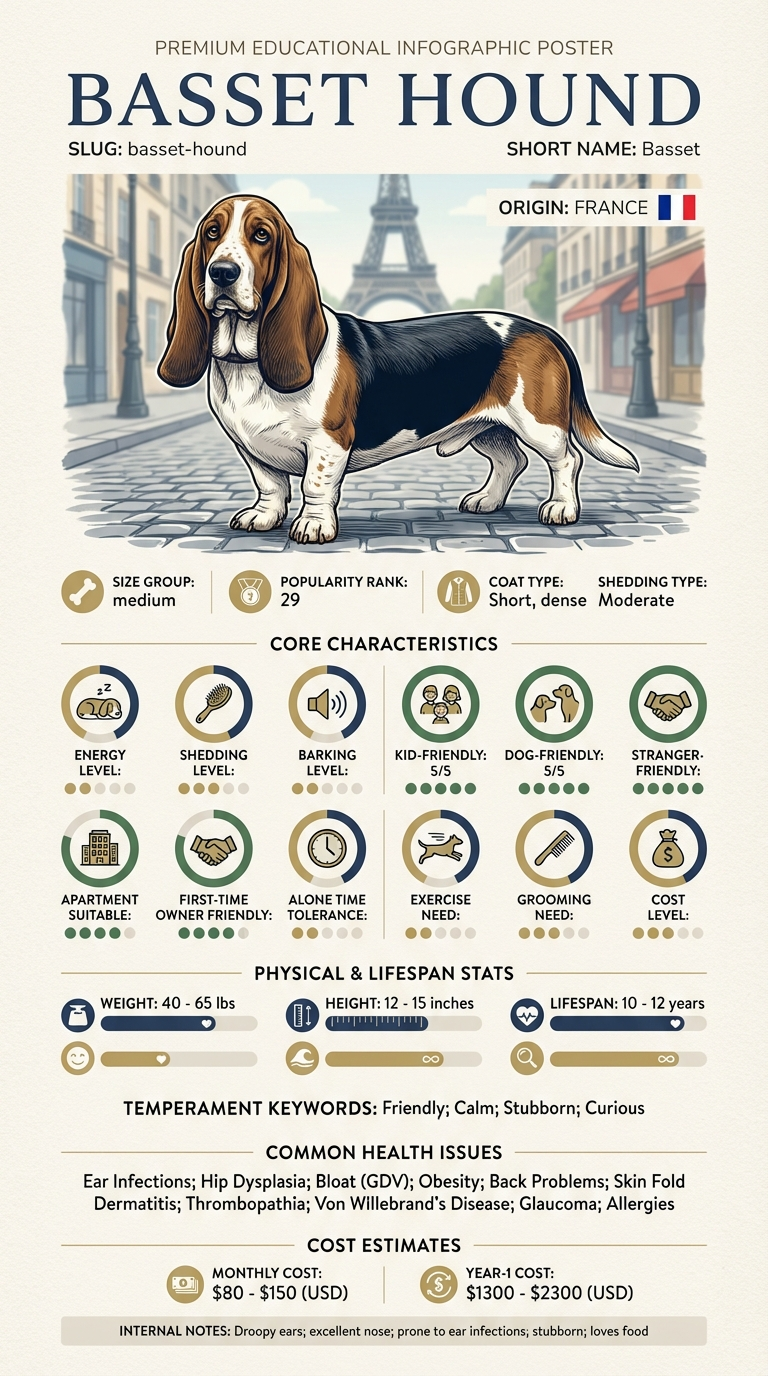
Managing the condition includes regular veterinary check-ups and potential treatments, which may range from $80 to $150 per month.
Yes, with adjustments and support, Basset Hounds can adapt to vision loss and lead fulfilling lives. Create a stable environment to help them navigate.