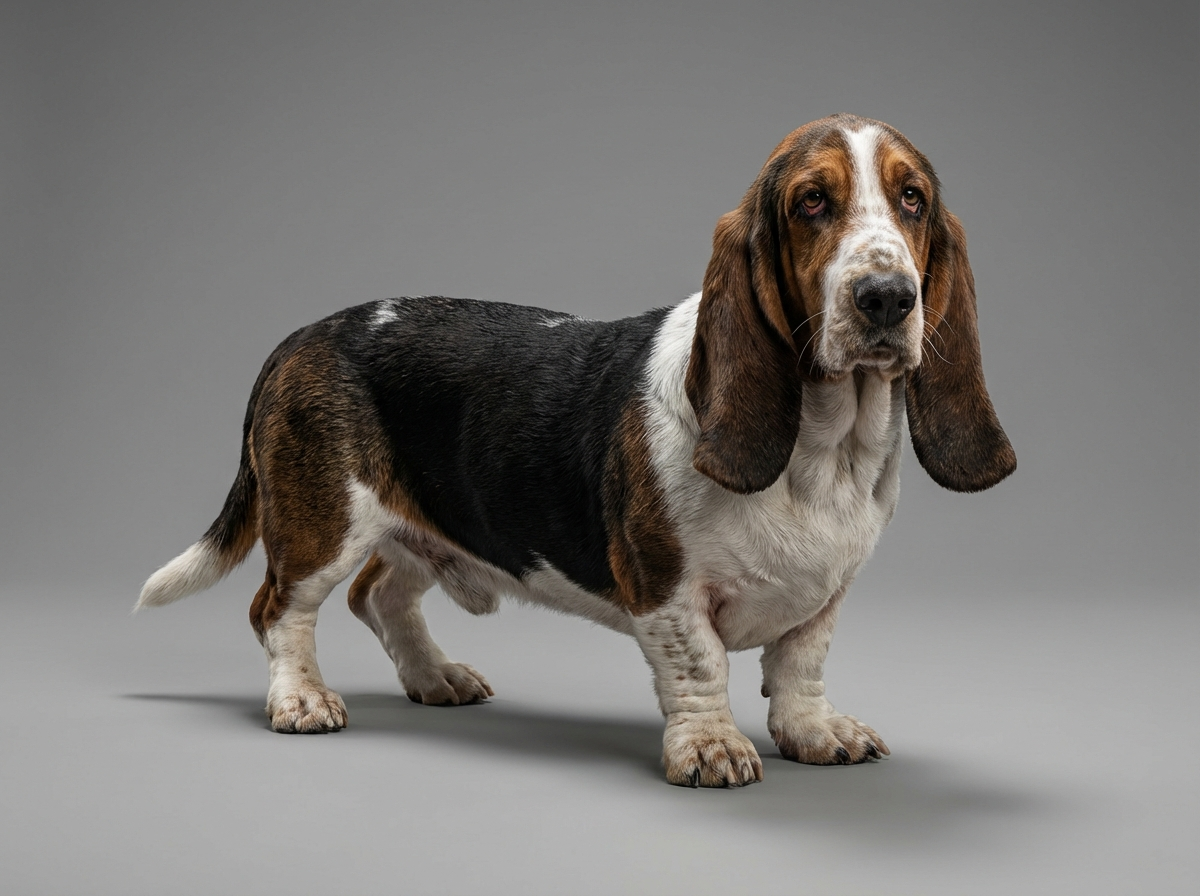
Health
What should I do if I suspect my Basset Hound has neurologic disease?
Contact your veterinarian for an immediate evaluation and diagnosis.

Quick answer
What should I do if I suspect my Basset Hound has neurologic disease?
Contact your veterinarian for an immediate evaluation and diagnosis.
Basset Hound neurologic disease can impact your dog's quality of life significantly. Understanding this condition is essential for any Basset owner.
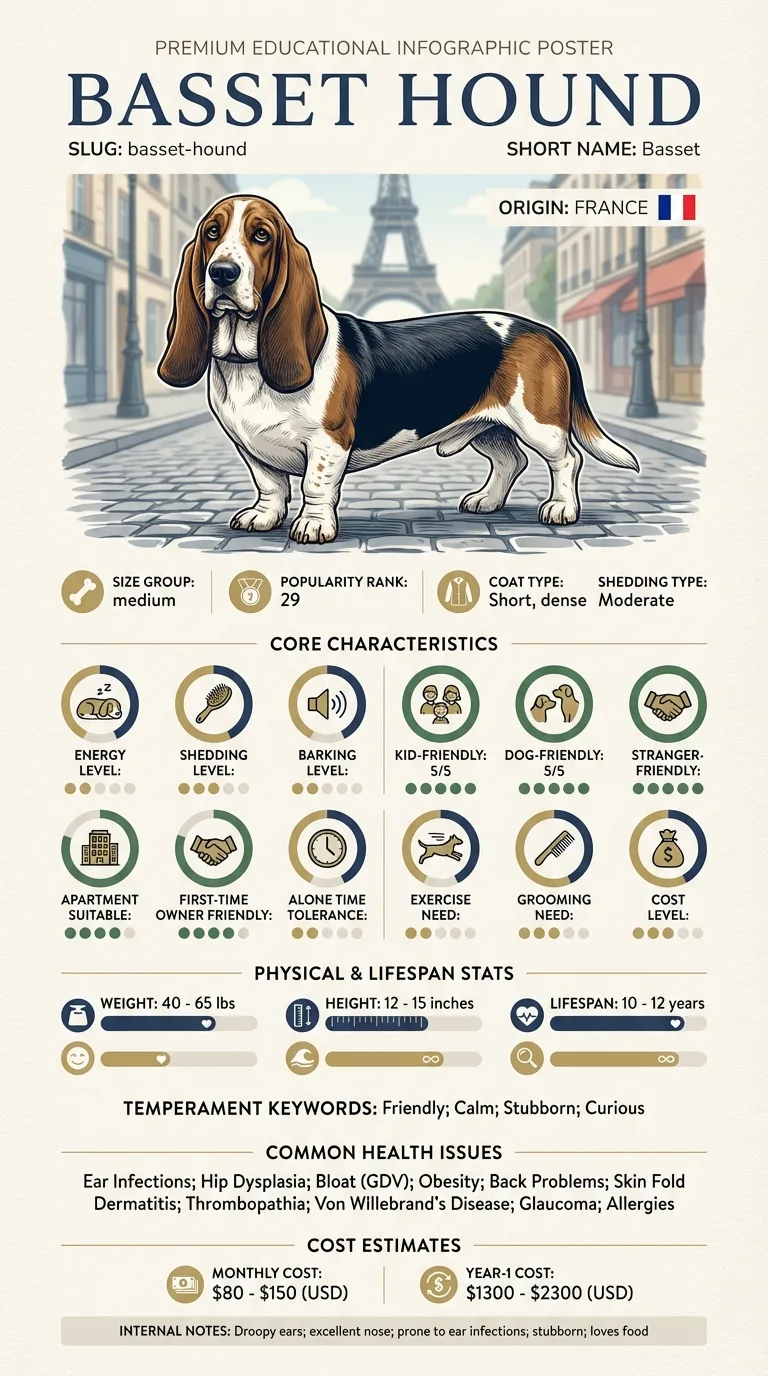
Owners of Basset Hounds, especially those who notice changes in their dog's behavior or physical abilities, often struggle with this problem. Families may find it challenging to cope with the emotional toll and the practical concerns of caring for a dog with neurologic disease.
This guide is not medical advice. If your dog shows pain, sudden behavior change, or worsening symptoms, consult a licensed veterinarian.
Some links may be affiliate links. We may earn a commission at no extra cost to you. We only suggest products we believe are helpful for dog owners.
We research and check what we publish, but we do not warrant that any figure, date, price, or statement is accurate, complete, or current, and we accept no liability for any loss, cost, injury, or other harm arising from the use of this site. Use it as one reference among several. You remain responsible for your own decisions and for your dog's care - confirm anything that matters with a licensed veterinarian or another qualified professional before you act on it. Full disclaimer.
Check this first
Basset Hound neurologic disease can be serious, and knowing when to act fast is crucial. If you notice signs like seizures, sudden loss of coordination, or extreme lethargy, it's time to call your vet immediately. These symptoms can indicate a severe issue that needs urgent medical attention.
On the other hand, if your Basset Hound shows mild tremors, occasional disorientation, or slight changes in behavior, you might monitor the situation for a short period. Keeping track of these behaviors can help you determine if there's a need for further evaluation later. Remember, your vet is your best resource when it comes to making these decisions.
In short, always trust your instincts. If something feels off with your pup, don’t hesitate to seek professional help. It's better to be safe than sorry when it comes to your furry friend’s health.
If any of these apply, call your vet or an emergency clinic now. The rest of this page is for the cases that are not an emergency.
Basset Hound neurologic disease can show up in various ways, including mobility issues, seizures, or changes in behavior. These symptoms can be alarming for owners, especially since they can develop gradually over time. Common triggers include stress, age, and genetic predisposition, making it vital for owners to stay vigilant.
Neurologic disease is relatively common in Basset Hounds, with studies indicating they have a 291% higher risk compared to other breeds. Owners should be aware of this risk as it can significantly affect their dog's quality of life.
Basset Hounds are predisposed to certain neurologic diseases due to their genetics. Their unique physical structure, particularly their long backs and droopy ears, can lead to health issues that impact their nervous system. Additionally, Basset Hounds have a history of breeding for specific traits that may not prioritize neurological health.
Environmental factors can also play a significant role in the development of neurologic diseases. Poor nutrition, lack of exercise, and exposure to toxins can exacerbate health issues in Basset Hounds. Stressful living conditions, such as a chaotic household or inadequate socialization, can lead to anxiety that impacts their overall well-being.
Consult your veterinarian if you notice any changes in your Basset Hound's behavior, such as confusion, difficulty walking, or seizures. Early intervention can be critical in managing neurologic diseases effectively.
Avoiding these common mistakes can help manage Basset Hound neurologic disease more effectively.
Start here: Basset Hound Most Common Genetic Disorders: Screening
See all Basset Hound health problems, which breeds are prone to neurologic disease, or the full Basset Hound breed guide for temperament, exercise needs and ownership costs.
It can take several weeks to months to manage and understand Basset Hound neurologic disease effectively. Regular vet visits and consistent care under your vet's plan are essential during this period.
Success means observing improved mobility and behavior in your Basset Hound, along with a better understanding of their needs and how to manage their condition.
When Sarah adopted Bella, her Basset Hound, she quickly noticed Bella's awkward movements and occasional tremors. After a vet visit, Sarah learned that Bella had a neurologic disease. Devastated but determined, Sarah researched how to stop Basset Hound neurologic disease. She committed to a structured routine of gentle exercises and engaging training sessions. Over time, Bella’s confidence grew, and her mobility improved. Sarah also joined an online support group that provided valuable insights and encouragement.
Key takeaway: With patience, consistent training, and support, you can help your Basset Hound navigate neurologic disease, improving their quality of life.
Basset Hounds can be predisposed to neurologic diseases due to genetic factors and their unique anatomy. Regular vet check-ups can help identify symptoms early. If you notice unusual behavior or mobility issues, consult your vet for a proper diagnosis.
Managing neurologic disease in Basset Hounds involves regular veterinary care and potential medication. Focus on a balanced diet and appropriate exercise to support their overall health. Your vet can recommend specific treatments based on your dog's condition.
Signs may include difficulty walking, seizures, or changes in behavior. Look for symptoms like head tilting or weakness in limbs. If you observe these signs, contact your vet promptly for an evaluation.
Training can provide mental stimulation and improve your Basset Hound's quality of life. Positive reinforcement techniques are recommended to accommodate any mobility issues they may have. Consult a trainer familiar with neurological conditions for tailored guidance.
Yes, a diet rich in Omega-3 fatty acids may support brain health. Speak with your vet about the best nutritional options for your Basset Hound's specific needs. Supplements might also be suggested to help manage their condition.
Some neurologic conditions can be hereditary, particularly in certain lines of Basset Hounds. Responsible breeding practices can help reduce the risk of these diseases. Always ask breeders about health screening for parents.
Providing a calm environment and maintaining a consistent routine can help. Additionally, gentle exercise and mental stimulation are crucial for their well-being.
Yes, genetics can play a role. Basset Hounds with a family history of neurologic issues may be at higher risk, so discussing your dog's lineage with your vet can be beneficial.
If your Basset Hound shows persistent symptoms like coordination problems or sudden behavioral changes, it's time to see the vet. Early intervention can make a difference.
While some forms may be managed with medication and therapy, there is no one-size-fits-all cure. Discuss treatment options with your veterinarian to create a tailored plan for your dog.
Contact your veterinarian for an immediate evaluation and diagnosis.
Provide a balanced diet, regular vet check-ups, and appropriate exercise to support their well-being.
Monitor your dog's behavior closely, consult your vet for dietary recommendations, and consider training modifications.
Costs can vary significantly, but expect to spend on regular vet visits, medication, and possible specialized care.
Regular health screenings and responsible breeding can help reduce risks associated with neurologic diseases.
A one-page prep sheet for this condition: the signs, the questions to ask, what to get priced. Unlocks here.
You get: Vet visit prep sheet
No spam. One-click unsubscribe. See our privacy policy.
Preview page 1 before you decide.