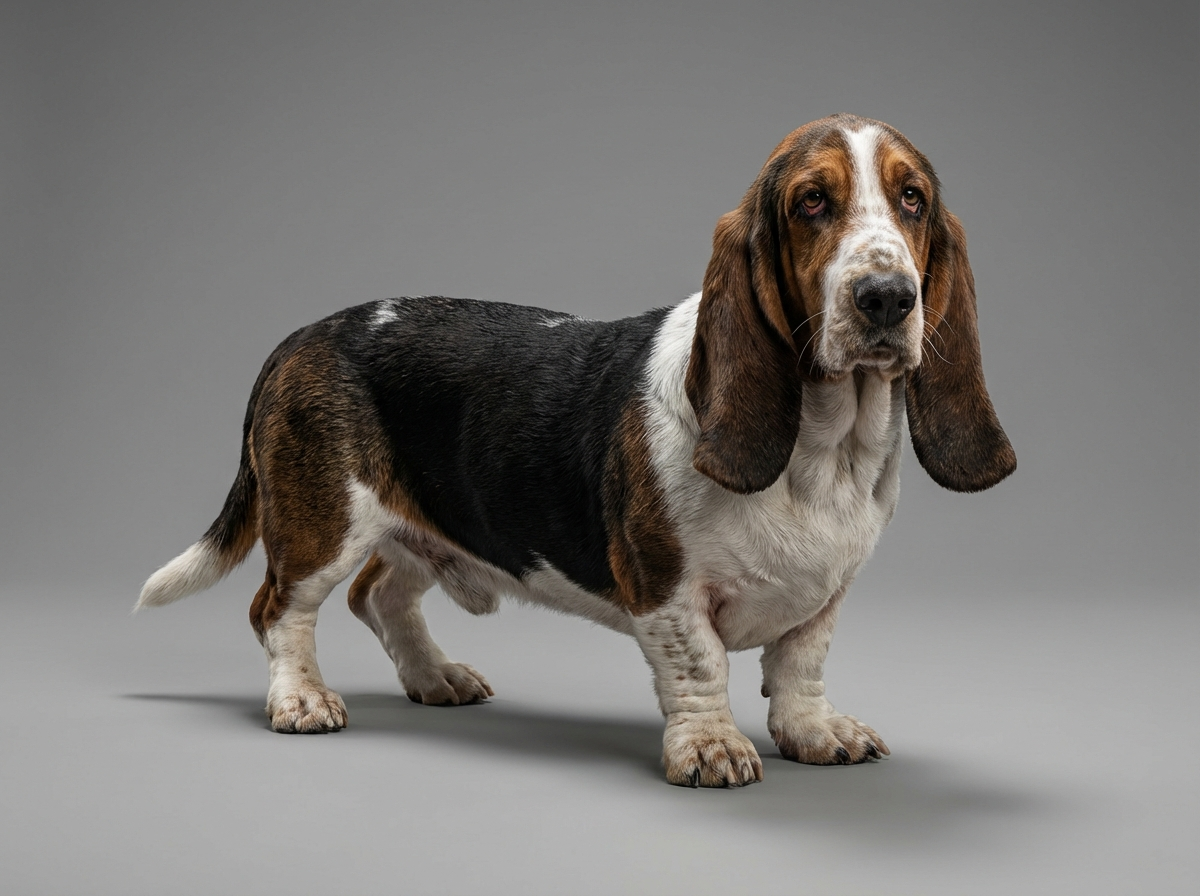
Health
What is myxomatous mitral valve disease (mmvd)?
Myxomatous mitral valve disease (mmvd) is a common heart condition in Basset Hounds where the heart valves become thickened and dysfunctional.

Quick answer
What is myxomatous mitral valve disease (mmvd)?
Myxomatous mitral valve disease (mmvd) is a common heart condition in Basset Hounds where the heart valves become thickened and dysfunctional.
Basset Hound myxomatous mitral valve disease (MMVD) is a serious heart condition common in this breed. It can significantly impact their health and quality of life.
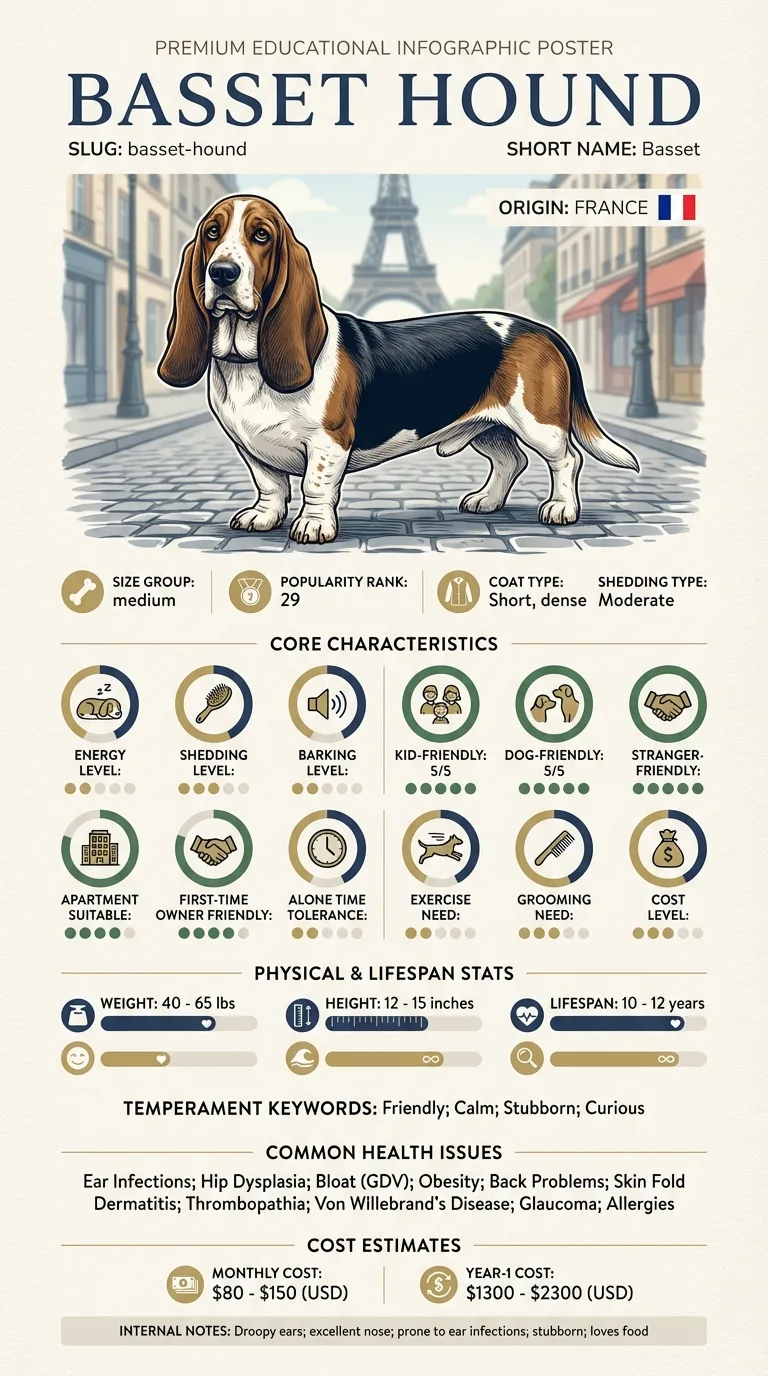
Many Basset Hound owners, especially those new to the breed, may struggle with the signs and implications of MMVD. Families with older pets or those who notice unusual behavior may find themselves searching for solutions.
This guide is not medical advice. If your dog shows pain, sudden behavior change, or worsening symptoms, consult a licensed veterinarian.
Some links may be affiliate links. We may earn a commission at no extra cost to you. We only suggest products we believe are helpful for dog owners.
We research and check what we publish, but we do not warrant that any figure, date, price, or statement is accurate, complete, or current, and we accept no liability for any loss, cost, injury, or other harm arising from the use of this site. Use it as one reference among several. You remain responsible for your own decisions and for your dog's care - confirm anything that matters with a licensed veterinarian or another qualified professional before you act on it. Full disclaimer.
Check this first
Call your vet immediately if you notice any of the following red flags: - Difficulty breathing or labored breathing. - Severe lethargy or sudden weakness. - Persistent coughing or wheezing. - Swelling in the abdomen or limbs. - Fainting or collapsing episodes.
These symptoms suggest that the heart condition may be worsening, and prompt treatment is essential. On the other hand, some mild cases can be monitored.
You can watch for symptoms like occasional coughing, mild fatigue, or a decrease in exercise tolerance. In these instances, it’s important to have a plan in place, such as regular vet check-ups and monitoring your Basset's activity levels. Keeping track of any changes can help you and your vet determine the best course of action.
If you’re unsure about any symptoms, it’s always better to err on the side of caution and consult your vet. Early intervention can make a significant difference in your Basset Hound's health and quality of life.
If any of these apply, call your vet or an emergency clinic now. The rest of this page is for the cases that are not an emergency.
Basset Hound myxomatous mitral valve disease (mmvd) is a heart condition that often develops as dogs age. Day-to-day, it may present as lethargy, coughing, or difficulty breathing. Owners might notice their beloved Basset becoming less active or having trouble with regular activities like walks or playtime.
This condition is quite common among Basset Hounds, especially those over the age of five. It's estimated that over 50% of Basset Hounds may develop some form of mmvd as they age, making awareness and early detection crucial.
Basset Hounds are genetically predisposed to myxomatous mitral valve disease (MMVD). Their unique heart structure may lead to valve degeneration over time, increasing the risk of developing this condition. This breed's history of selective breeding for specific traits may also contribute to their vulnerability.
Environmental factors like obesity and lack of exercise can exacerbate MMVD in Basset Hounds. A sedentary lifestyle can strain their hearts, increasing the likelihood of heart-related issues. Additionally, poor diet and stress can negatively impact their overall heart health.
Consult your vet if you notice any symptoms of MMVD, such as coughing, fatigue, or changes in appetite. Regular check-ups are essential for early detection and management of heart disease. If you have concerns about your dog's weight or activity level, your vet can provide guidance on appropriate care.
Many well-meaning owners unintentionally worsen their Basset Hound's MMVD. Here are common mistakes to avoid and better alternatives.
Start here: Basset Hound Most Common Genetic Disorders: Screening
See all Basset Hound health problems, which breeds are prone to myxomatous mitral valve disease mmvd, or the full Basset Hound breed guide for temperament, exercise needs and ownership costs.
Managing Basset Hound myxomatous mitral valve disease (mmvd) is an ongoing process. Owners may see some improvements within a few weeks, but significant changes can take several months of consistent care and monitoring.
Success means your Basset Hound showing improved energy levels, reduced coughing, and overall better quality of life. Regular vet check-ups will help track the progression of mmvd and adjust treatment as necessary.
When Emily adopted Max, her Basset Hound, she noticed he was often lethargic and coughed occasionally. After a vet visit, she learned that Max had myxomatous mitral valve disease (mmvd). Determined to help him, Emily followed a strict treatment plan, including medications and a low-salt diet. With time, Max's energy levels increased, and his coughing decreased. Emily was thrilled to see him playing again, even if it was for shorter bursts. It was a tough journey, but Emily learned that with the right care, quality of life could improve significantly.
Key takeaway: With proper management and care, Basset Hounds with myxomatous mitral valve disease (mmvd) can still enjoy a good quality of life.
Basset Hounds are genetically predisposed to myxomatous mitral valve disease (mmvd). This heart condition develops as the valves in the heart begin to thicken and lose their proper function. Factors such as age and obesity can worsen the condition, making it essential to monitor your dog's health regularly. This answer relates to Basset Hound myxomatous mitral valve disease (mmvd).
Managing mmvd includes regular vet check-ups, heart-healthy diets, and possible medications. Weight management is crucial, so ensure your Basset Hound maintains a healthy weight through proper diet and exercise. Follow your vet's recommendations for medication and lifestyle changes to support your dog's heart health.
Common symptoms of mmvd in Basset Hounds include coughing, difficulty breathing, and lethargy. You might also notice decreased exercise tolerance and swelling in the abdomen. If you observe these symptoms, consult your vet promptly for evaluation and treatment options.
Your Basset Hound can remain active, but it's essential to tailor their exercise to their condition. Short, low-impact walks are often recommended; avoid strenuous activities. Always consult your vet for a personalized exercise plan that considers your dog's specific health needs.
A heart-healthy diet is vital for Basset Hounds with mmvd. Focus on low-sodium foods and those rich in omega-3 fatty acids. Consult your vet for specific dietary recommendations that can aid in managing your dog's heart health.
Early signs of MMVD in Basset Hounds can include a persistent cough, difficulty breathing, or decreased exercise tolerance. Some dogs may show fatigue or become less active. If you notice any of these symptoms, it's important to consult your vet.
Yes, many Basset Hounds can live normal lives with MMVD, especially if the condition is managed properly. Regular vet check-ups, medication, and a healthy lifestyle can help maintain their quality of life. However, it's crucial to follow your vet's advice closely.
Managing your Basset Hound's lifestyle is key. Ensure they have a low-stress environment, maintain a healthy diet, and provide light exercise rather than strenuous activities. Keeping regular vet appointments will also help monitor their condition.
Yes, MMVD is considered hereditary in Basset Hounds, which means genetics can play a significant role in the likelihood of developing this condition. Responsible breeding practices can help reduce the risk of passing this disease to future generations.
You should take your Basset Hound to the vet if you notice symptoms like coughing, difficulty breathing, or lethargy. Regular check-ups are also essential for early detection and management of MMVD. Don't hesitate to consult your vet if you have any concerns.
Myxomatous mitral valve disease (mmvd) is a common heart condition in Basset Hounds where the heart valves become thickened and dysfunctional.
While you can't stop mmvd, you can manage it with regular vet visits, a healthy diet, and appropriate medications.
Treatment costs for myxomatous mitral valve disease can vary widely, ranging from $1,300 to $2,300 in the first year, depending on the severity and ongoing care needs.
Yes, with proper care and management, Basset Hounds with mmvd can still be great family pets, but be mindful of their health and activity levels.
A one-page prep sheet for this condition: the signs, the questions to ask, what to get priced. Unlocks here.
You get: Vet visit prep sheet
No spam. One-click unsubscribe. See our privacy policy.
Preview page 1 before you decide.