What are some quick tips for Basset Hound excessive barking?
To manage Basset Hound excessive barking, ensure they receive daily exercise and mental stimulation. Use positive reinforcement for quiet behavior and try to identify and eliminate triggers.
Basset Hound excessive barking can be a frustrating issue for many owners. It's essential to address this behavior for a harmonious home.
New pet owners, busy families, and individuals in apartments often struggle with managing their Basset Hound's barking. Without proper training and engagement, this behavior can become overwhelming.
Important reminder
This guide is not medical advice. If your dog shows pain, sudden behavior change, or worsening symptoms, consult a licensed veterinarian.
Some links may be affiliate links. We may earn a commission at no extra cost to you. We only suggest products we believe are helpful for dog owners.
We research and check what we publish, but we do not warrant that any figure, date, price, or statement is accurate, complete, or current, and we accept no liability for any loss, cost, injury, or other harm arising from the use of this site. Use it as one reference among several. You remain responsible for your own decisions and for your dog's care - confirm anything that matters with a licensed veterinarian or another qualified professional before you act on it. Full disclaimer.
What this problem looks like
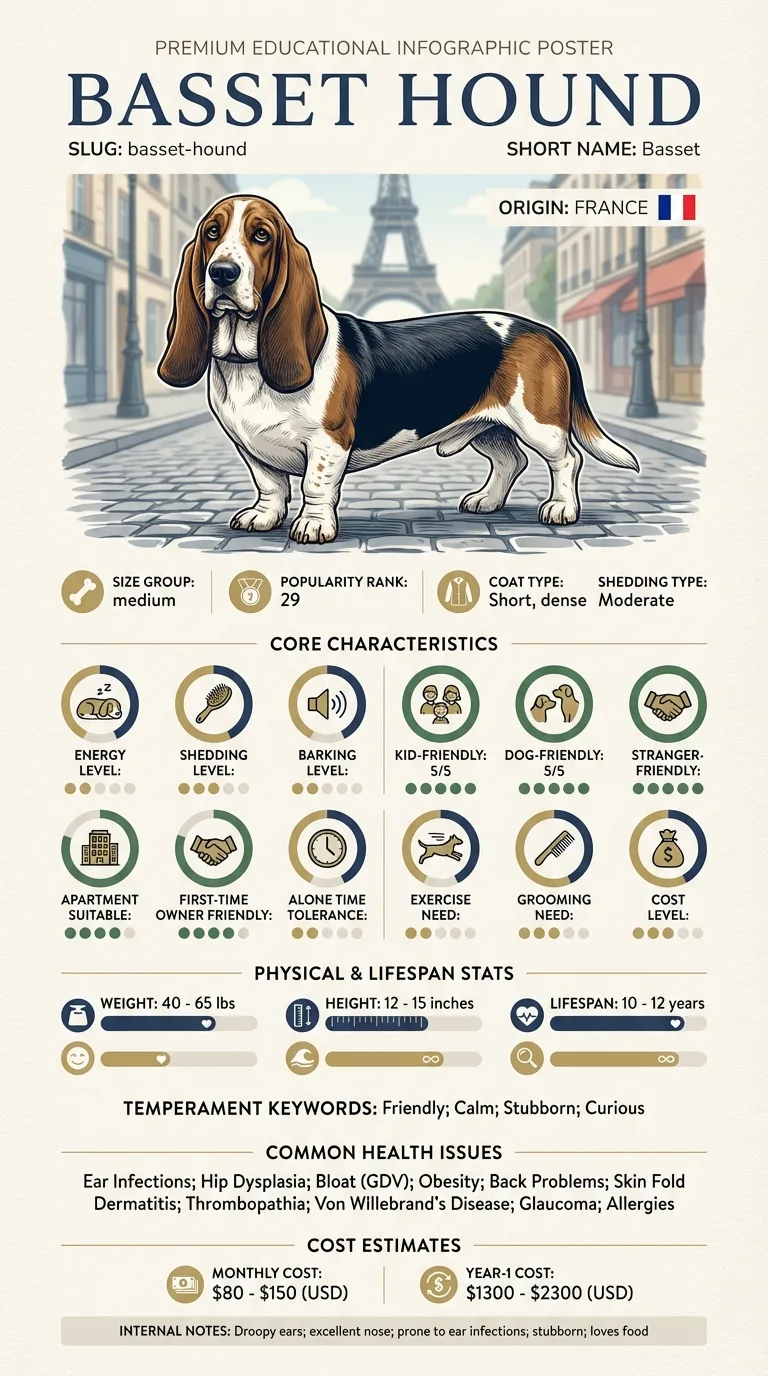
Basset Hound excessive barking can be a frustrating challenge for owners. These dogs, known for their friendly and calm demeanor, might bark more than expected. This behavior often stems from boredom, anxiety, or a desire for attention, making it important to understand the underlying causes.
Common triggers
Loneliness when left alone for too long
External noises like sirens or other dogs
Lack of mental stimulation or exercise
Being overly excited when greeting people
Excessive barking is somewhat common among Basset Hounds, especially if they are not properly trained or socialized. While they are generally moderate barkers, those with less stimulation or social interaction may bark more frequently.
Why this happens
Breed factors
Basset Hounds are known for their vocal nature, which is part of their breed characteristics. Their strong hunting instincts might lead them to bark when they sense something unusual. Additionally, their stubbornness can make training them to curb barking more challenging.
Environment factors
Environmental factors can also contribute to excessive barking. If your Basset Hound feels bored or under-exercised, they may bark out of frustration. Changes in their surroundings, like new neighbors or loud noises, can trigger their barking as a response to perceived threats.
What you can try
At-home strategies
Establish a routine: Regular exercise and playtime can help reduce boredom. Aim for at least 30 minutes of walking or play each day.
Create a calm environment: Use white noise machines or calming music to drown out external sounds that may trigger barking.
Teach the 'quiet' command: When your Basset starts barking, calmly say 'quiet' and wait for a pause. Reward them with a treat when they stop barking.
Provide mental stimulation: Use puzzle toys or training games to keep your Basset engaged and less likely to bark out of boredom.
When to consider a trainer
If your Basset Hound's barking continues despite your efforts, consider consulting a professional trainer. A trainer can provide personalized strategies and help address any underlying behavioral issues.
When to talk to your vet
If excessive barking is sudden or accompanied by signs of distress, it’s time to talk to your vet. They can rule out any medical issues that might be causing discomfort or anxiety.
Expect to see improvements in your Basset Hound's excessive barking within 4 to 8 weeks of consistent training and reinforcement.
Success means your Basset Hound barks less frequently and responds better to commands, allowing for quieter moments at home.
Mistakes that make Excessive Barking worse
Understanding what not to do is crucial for managing your Basset Hound's excessive barking. Here are common owner mistakes that can reinforce this behavior and safer alternatives.
Ignoring the barking: If you consistently ignore your Basset Hound when they bark, they may think this behavior is acceptable. Instead, redirect their attention with a toy or command.
Reinforcing barking with attention: If you respond to barking with attention, even negative, it can encourage more barking. Instead, wait for a moment of quiet before giving attention or treats.
Punishing barking: Yelling or using shock collars can increase anxiety and worsen barking. Use positive reinforcement to reward silence or calm behavior instead.
Overreacting to barking triggers: If your Basset reacts to noises or movements, overreacting can signal that there's something to be concerned about. Stay calm and redirect their focus.
Not providing enough exercise: Basset Hounds need regular exercise to stay calm. A well-exercised dog is less likely to bark excessively, so incorporate daily walks or playtime.
Neglecting training: Skipping basic training can lead to a lack of structure. Invest time in training sessions that focus on commands and rewarding quiet behavior.
Not addressing anxiety: If your Basset is barking due to anxiety, ignoring the root cause will not help. Consult a vet for strategies to reduce anxiety and barking.
When Basset Hound Excessive Barking is an Emergency
Excessive barking can indicate various issues, but some signs mean you should call your vet immediately. If your Basset Hound is barking excessively and shows signs of distress, such as trembling, panting, or pacing, these could be symptoms of pain or illness. Similarly, if your dog suddenly starts barking aggressively or has difficulty breathing, this is a red flag that needs urgent attention.
On the other hand, there are scenarios where you can monitor your Basset Hound's barking without panicking. If your dog barks at passing cars or people but seems calm otherwise, you might just need a training plan. Additionally, if the barking is sporadic and does not coincide with signs of anxiety or distress, it may be manageable through behavioral training and environmental adjustments.
To summarize, keep a close eye on your dog’s behavior. If you notice one or more red-flag signs, don't hesitate to contact your vet for advice. However, if your Basset Hound is barking in typical situations, like alerting you to visitors or expressing boredom, you can work on training methods to help reduce the excessive barking. Always trust your instincts; if something feels off, it’s best to get professional help.
Understanding Basset Hound Excessive Barking - When Basset Hound Excessive Barking is an Emergency
A Journey to Quiet: Sarah and Her Basset Hound
Sarah, a busy nurse living in Chicago, was struggling with her Basset Hound, Rufus, who barked at every passerby. The constant noise was frustrating, especially during her long shifts. After researching how to stop Basset Hound excessive barking, she decided to implement a consistent training schedule. She used positive reinforcement, rewarding Rufus for quiet behavior. Over several weeks, Rufus learned to respond to cues and barked less often when people walked by. Sarah also discovered that giving him a puzzle toy kept him engaged and distracted, reducing his barking even more.
Key takeaway: With patience and consistent training, you can effectively manage your Basset Hound's excessive barking, making life quieter and more enjoyable.
Frequently asked questions
Why does my Basset Hound have excessive barking?
Basset Hounds may bark excessively for several reasons, including boredom, anxiety, or a need for attention. They are known to be vocal, especially if they feel lonely or are not getting enough exercise. Identifying the trigger can help you address the behavior effectively.
How can I stop Basset Hound excessive barking?
To stop Basset Hound excessive barking, start by ensuring they get enough physical and mental stimulation. Incorporate daily walks, interactive toys, and training sessions. Consider using positive reinforcement techniques to reward quiet behavior.
What training methods work for Basset Hound excessive barking?
Training methods for Basset Hound excessive barking include obedience training, distraction techniques, and consistent commands. Teach them a 'quiet' command, rewarding them when they stop barking. Patience and consistency are key.
Is Basset Hound excessive barking a sign of separation anxiety?
Yes, excessive barking can be a sign of separation anxiety in Basset Hounds. If your dog barks when left alone, consider gradually increasing their alone time and providing engaging toys. You may also explore a separation anxiety guide for tailored strategies.
Can I use bark collars for Basset Hounds?
Bark collars can be effective but should be used cautiously. Positive reinforcement training is often a better first option. If you choose a collar, consult with a trainer to ensure it's appropriate for your Basset Hound's temperament.
How long does it take to train a Basset Hound to stop excessive barking?
Training a Basset Hound to stop excessive barking can take weeks or months, depending on the dog and consistency of training. Regular practice and positive reinforcement can lead to significant improvements over time.
Are there any products that can help with Basset Hound excessive barking?
Yes, interactive toys, calming sprays, and anxiety wraps can help reduce excessive barking. These products can provide comfort and distraction, especially when you're not home.
What should I do if my Basset Hound barks excessively at night?
If your Basset Hound barks excessively at night, it might be due to loneliness or anxiety. Ensure they have a comfortable sleeping area and consider using calming aids. If the behavior continues, consult your vet to rule out any medical issues.
Is excessive barking a sign of health issues in Basset Hounds?
Yes, excessive barking can sometimes indicate health problems, especially if it's sudden or unusual. Conditions like pain or discomfort can lead to increased vocalization. If you're concerned, a visit to the vet is always a good idea.
How can I train my Basset Hound to stop barking excessively during playtime?
To manage barking during play, redirect their energy with toys or commands. Positive reinforcement can help; reward them when they play quietly. Consistent training sessions are key in teaching them when it's appropriate to bark.
Can older Basset Hounds develop excessive barking habits?
Yes, older Basset Hounds can develop new barking habits due to changes in their environment or health. Aging can bring anxiety or cognitive decline, making them more vocal. Monitoring their behavior and consulting a vet can help address these changes.
Why does my Basset Hound bark excessively when left alone?
Excessive barking when left alone might indicate separation anxiety in your Basset Hound. They thrive on companionship and may feel distressed when left alone. Gradual desensitization, along with training and comfort items, can help ease their anxiety.
What are some quick tips for Basset Hound excessive barking?
To manage Basset Hound excessive barking, ensure they receive daily exercise and mental stimulation. Use positive reinforcement for quiet behavior and try to identify and eliminate triggers.
Living
How much exercise do Basset Hounds need to reduce barking?
Basset Hounds typically need about 30 minutes to an hour of exercise daily. Regular walks and playtime can significantly reduce barking due to boredom.
Living
Are Basset Hounds good for apartment living despite barking?
Yes, Basset Hounds can adapt well to apartment living, but their barking may be an issue if not addressed. Regular training and sufficient exercise can help manage their noise levels.