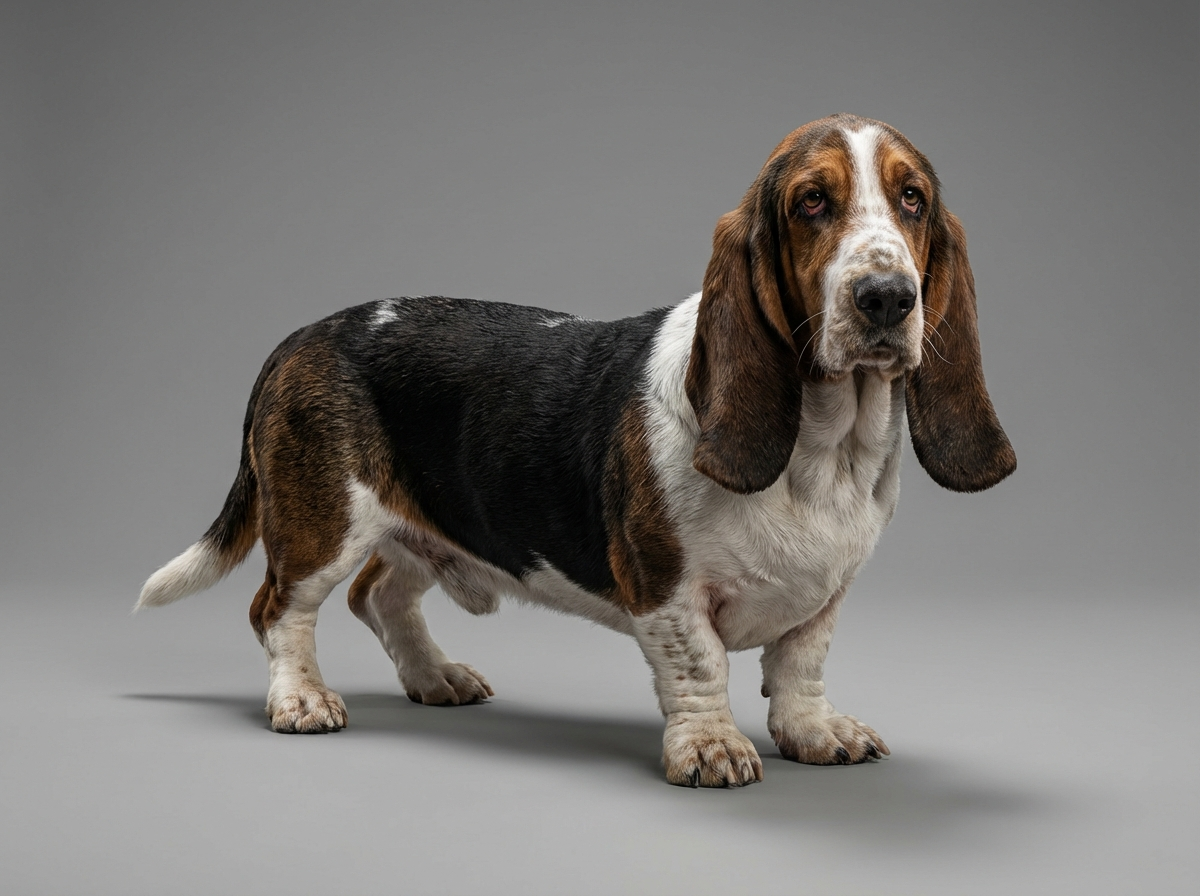
Behavior
What are quick tips for Basset Hound brachycephalic features?
Ensure your Basset Hound stays cool, avoid strenuous exercise, and maintain a healthy weight to minimize breathing issues.

Quick answer
What are quick tips for Basset Hound brachycephalic features?
Ensure your Basset Hound stays cool, avoid strenuous exercise, and maintain a healthy weight to minimize breathing issues.
Basset Hounds are known for their adorable droopy ears and unique brachycephalic features, which can lead to breathing difficulties. Understanding these traits matters for their health and happiness.
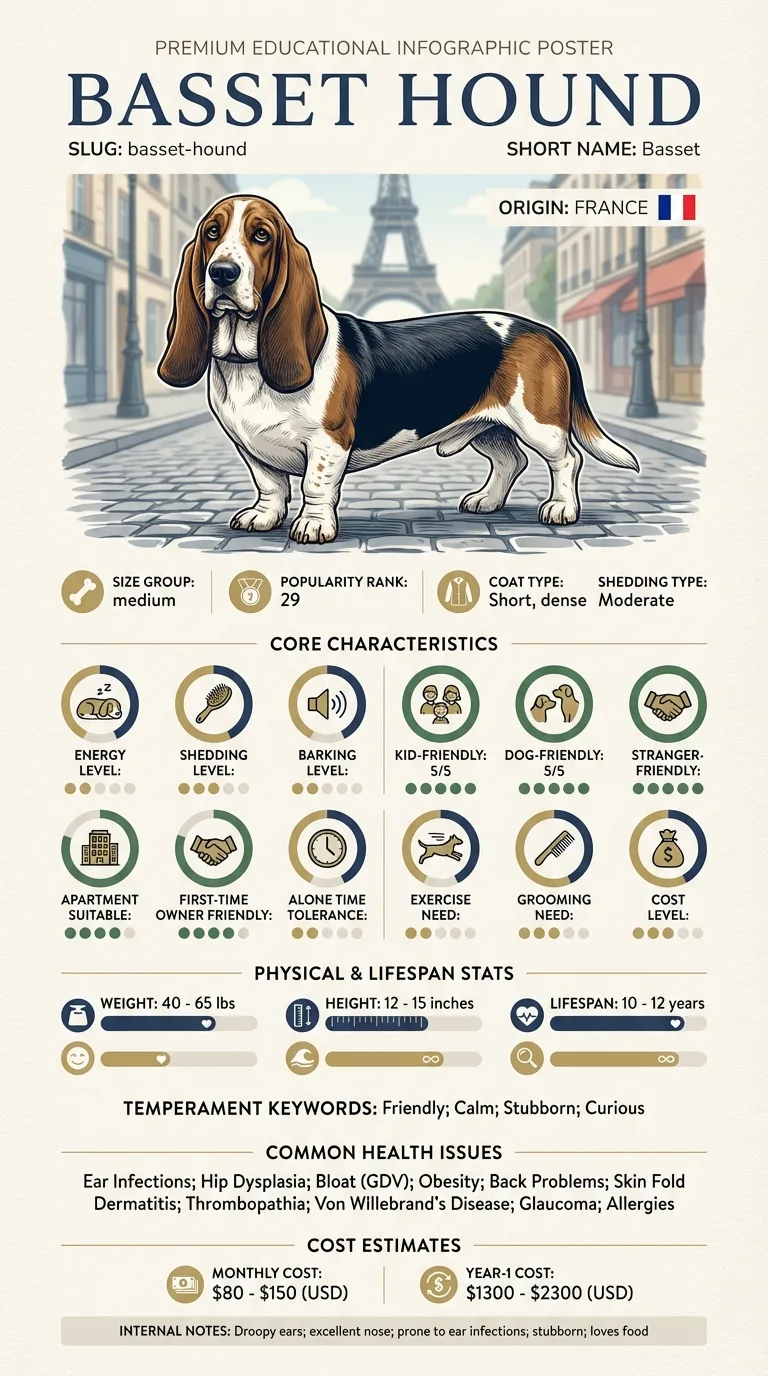
New Basset Hound owners or those unaware of these traits often struggle with managing their dog's health. Busy families or individuals might find it tough to keep track of breathing issues and training needs. Understanding these challenges is crucial for successful ownership.
This guide is not medical advice. If your dog shows pain, sudden behavior change, or worsening symptoms, consult a licensed veterinarian.
Some links may be affiliate links. We may earn a commission at no extra cost to you. We only suggest products we believe are helpful for dog owners.
We research and check what we publish, but we do not warrant that any figure, date, price, or statement is accurate, complete, or current, and we accept no liability for any loss, cost, injury, or other harm arising from the use of this site. Use it as one reference among several. You remain responsible for your own decisions and for your dog's care - confirm anything that matters with a licensed veterinarian or another qualified professional before you act on it. Full disclaimer.
Check this first
Basset Hounds are known for their unique brachycephalic features, which can cause breathing difficulties. However, not all breathing issues are urgent. Recognizing when to call your vet can make a significant difference for your furry friend.
Red-Flag Signs: If your Basset Hound is struggling to breathe (gasping or wheezing), has bluish gums, or is excessively drooling, these are clear signs that you should seek immediate veterinary help. Other urgent indicators include extreme lethargy, collapse, or if your dog is unable to exercise or play as usual. These symptoms suggest a serious problem that requires prompt attention.
Mild Cases to Monitor: On the other hand, if your Basset Hound is occasionally snoring or has mild breathing sounds during rest but remains active and happy, this might be manageable at home. You can monitor their condition by paying attention to their behavior, appetite, and energy levels. If these remain stable, you can watch and wait, but keep a close eye on any changes that might indicate worsening conditions.
If any of these apply, call your vet or an emergency clinic now. The rest of this page is for the cases that are not an emergency.
Basset Hound brachycephalic features can lead to noticeable breathing difficulties. This breed's short snouts make them prone to issues like snoring and labored breathing, especially during hot weather or after exercise. Owners often notice their Basset Hound struggling to catch their breath, which can be alarming.
Basset Hounds are fairly common among brachycephalic breeds, with a significant number experiencing breathing issues at some point in their lives. This trait is particularly prevalent due to their unique physical structure.
Basset Hounds have brachycephalic features due to their unique physical traits. Their short skull shape leads to a compressed airway, which can cause breathing difficulties. These traits are common in breeds with a similar structure.
Environmental factors can also contribute to the severity of brachycephalic features. Hot weather and high humidity can worsen breathing issues, as can stress or overexertion. Additionally, an unstructured living environment may increase anxiety, exacerbating breathing difficulties.
Consult your vet if your Basset Hound experiences persistent coughing, wheezing, or extreme lethargy. These symptoms may indicate more serious health concerns that require medical attention.
Avoiding certain behaviors can help alleviate the issues associated with Basset Hound brachycephalic features. Here are some common mistakes owners make, along with safer alternatives.
Start here: Basset Hound Most Common Genetic Disorders: Screening
See all Basset Hound health problems, which breeds are prone to brachycephalic features, or the full Basset Hound breed guide for temperament, exercise needs and ownership costs.
It may take several weeks to a few months to see improvements in your Basset Hound's breathing and overall comfort.
Success looks like your Basset Hound being able to breathe more easily, showing increased energy, and being less prone to respiratory distress during exercise.
Maggie, a busy nurse in Chicago, adopted Charlie, a lovable Basset Hound. Soon after bringing him home, she noticed he had trouble breathing, especially on hot days. Worried, she researched how to stop Basset Hound brachycephalic features and learned about managing his exercise and keeping him cool. With consistent training, shorter walks, and a focus on weight management, Charlie's breathing improved significantly. Maggie was relieved to see him playing happily without gasping for air.
Key takeaway: Managing a Basset Hound's brachycephalic features takes dedication, but with the right approach, your dog can lead a more comfortable life.
Basset Hounds have brachycephalic features due to their unique genetic background. This breed has a shorter skull shape, which can lead to breathing difficulties and other health issues. It's essential to monitor their breathing, especially during exercise or in hot weather. This answer relates to Basset Hound brachycephalic features.
To help your Basset Hound, focus on maintaining a healthy weight and providing regular, moderate exercise. Avoid strenuous activities, especially in warm weather, and ensure they have a cool, comfortable environment. Regular vet check-ups are essential for managing their health.
Common signs include excessive panting, difficulty breathing, and snoring. You might also notice your Basset Hound coughing or having a reduced tolerance for exercise. If you observe these symptoms, consult your vet for a thorough evaluation.
Training can help your Basset Hound learn to manage their activity levels. Teaching them commands like 'slow' or 'rest' can prevent overexertion. However, it's crucial to consult with a vet about tailored training approaches that consider their brachycephalic features.
Create a stress-free environment by keeping your home cool and well-ventilated. Avoid exposure to smoke, strong odors, and allergens that may aggravate their condition. Setting a routine can also help minimize anxiety and promote relaxation.
If your Basset Hound is struggling to breathe, has excessive snoring, or seems to tire quickly during exercise, these may be signs of problems related to their brachycephalic features. It's important to monitor for any unusual behaviors, like coughing or difficulty cooling down, as these can indicate a need for veterinary attention.
Older Basset Hounds may experience more severe issues related to their brachycephalic features. Providing a comfortable, cool environment is key, along with gentle exercise to avoid overexertion. Regular check-ups with the vet are crucial to manage any developing health issues.
Yes, training is safe for Basset Hounds with brachycephalic features, but you should be mindful of their breathing. Keep training sessions short and positive, allowing breaks as needed. Using treats can motivate them, but be careful not to over-exert them during these sessions.
If your Basset Hound shows any signs of respiratory distress, such as rapid breathing, excessive panting, or a bluish tint to the gums, you should see a vet immediately. Regular vet visits are also important for monitoring their overall health and addressing any concerns related to their brachycephalic features.
Yes, brachycephalic features can lead to health complications that may impact your Basset Hound's lifespan. Regular veterinary care and a focus on weight management can help mitigate these risks. Early intervention for any issues can make a significant difference in their quality of life.
Ensure your Basset Hound stays cool, avoid strenuous exercise, and maintain a healthy weight to minimize breathing issues.
Look for signs like excessive panting, coughing, or difficulty breathing, especially during exercise.
Consult your vet for a weight management plan and consider adjusting their diet and exercise to help them lose weight safely.
Yes, they are prone to ear infections, hip dysplasia, and obesity, so regular vet check-ups are essential.
Focus on positive reinforcement techniques and short, engaging training sessions to keep their attention.
A one-page prep sheet for this condition: the signs, the questions to ask, what to get priced. Unlocks here.
You get: Vet visit prep sheet
No spam. One-click unsubscribe. See our privacy policy.
Preview page 1 before you decide.