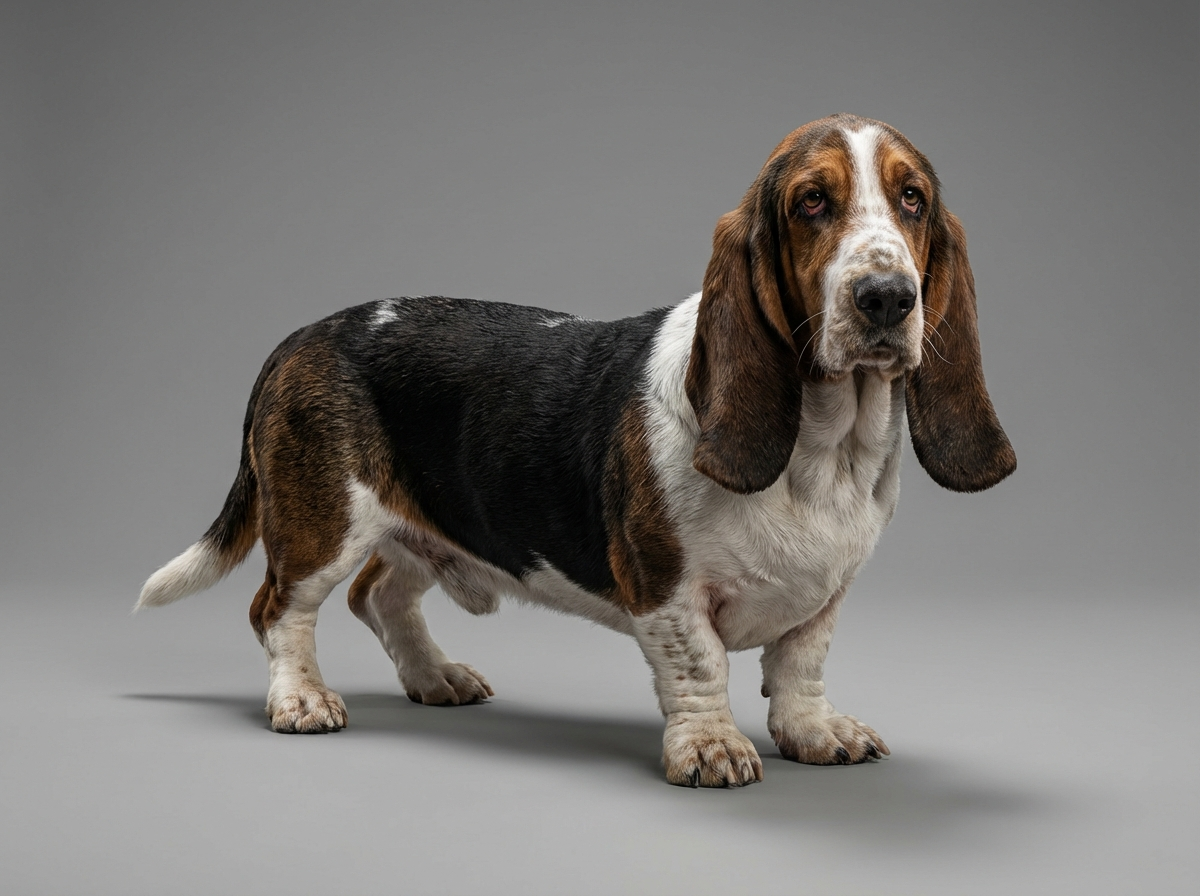
Behavior
How can I identify Basset Hound bone & growth issues?
Look for signs like limping or difficulty moving, and consult your vet if these occur.

Quick answer
How can I identify Basset Hound bone & growth issues?
Look for signs like limping or difficulty moving, and consult your vet if these occur.
Basset Hound bone & growth issues can impact your dog's health and comfort significantly.
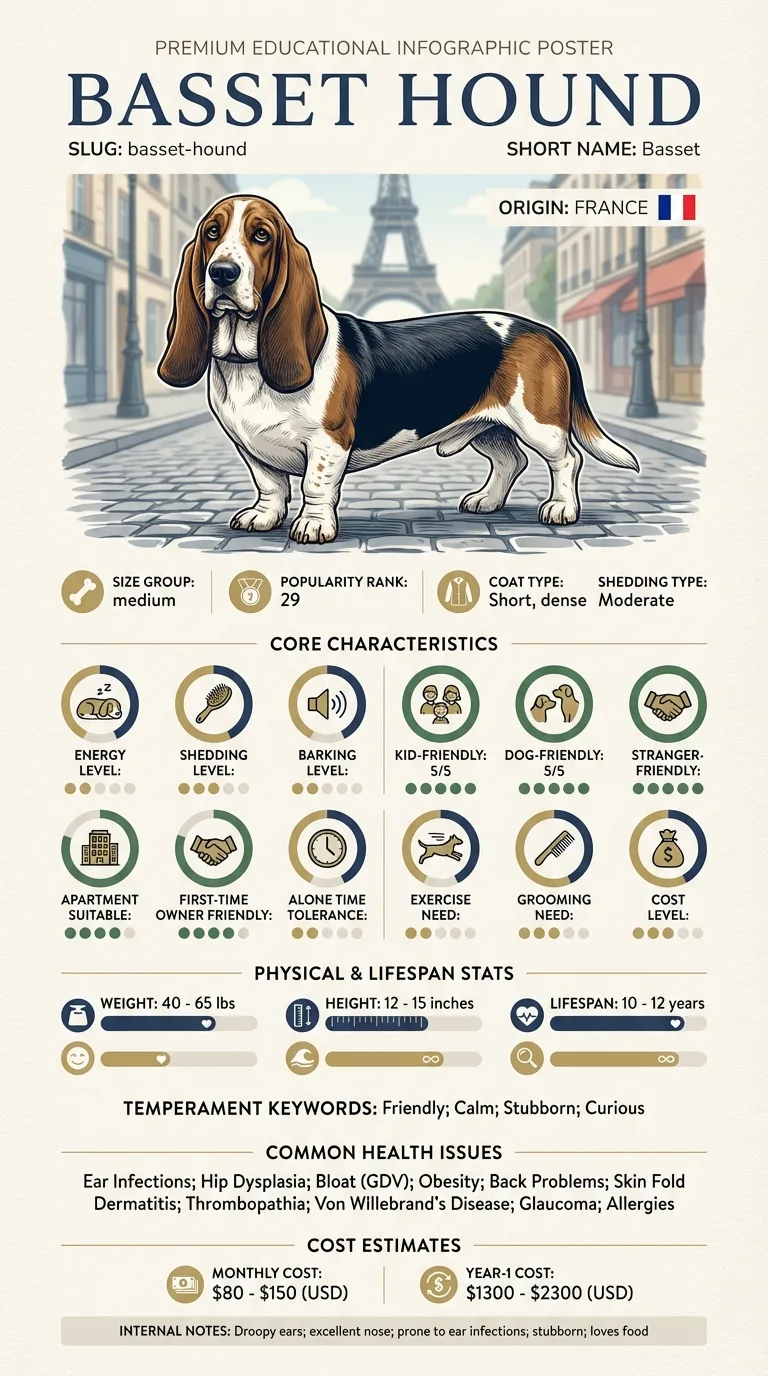
New Basset Hound owners or those unfamiliar with the breed's specific needs often struggle the most. Busy families and first-time dog parents may find it challenging to recognize and manage these issues effectively.
This guide is not medical advice. If your dog shows pain, sudden behavior change, or worsening symptoms, consult a licensed veterinarian.
Some links may be affiliate links. We may earn a commission at no extra cost to you. We only suggest products we believe are helpful for dog owners.
We research and check what we publish, but we do not warrant that any figure, date, price, or statement is accurate, complete, or current, and we accept no liability for any loss, cost, injury, or other harm arising from the use of this site. Use it as one reference among several. You remain responsible for your own decisions and for your dog's care - confirm anything that matters with a licensed veterinarian or another qualified professional before you act on it. Full disclaimer.
Check this first
Basset Hound bone & growth issues can vary in severity. It's crucial to recognize when these issues require immediate veterinary attention and when they can be monitored at home. Understanding the signs can make all the difference for your pup's health.
If any of these apply, call your vet or an emergency clinic now. The rest of this page is for the cases that are not an emergency.
Basset Hound bone & growth issues can manifest in various ways, including limping, difficulty in movement, and noticeable discomfort. These problems often arise during their growth phases, especially in puppies. Owners may notice their Basset struggling with stairs or getting up after lying down, which can be concerning.
Bone and growth issues are relatively common among Basset Hounds, particularly due to their unique body structure and propensity for obesity. Many owners report these issues at some point, making it essential to monitor their Basset's growth and health closely.
Basset Hounds are prone to bone and growth issues due to their unique body structure. Their long backs and short legs can lead to stress on their joints and bones, making them vulnerable to conditions like hip dysplasia and other orthopedic problems.
Environmental factors such as diet, exercise, and weight management can exacerbate these growth issues. Overfeeding or lack of proper nutrition can lead to obesity, which places extra strain on their bones. Additionally, insufficient exercise can weaken muscles, further impacting their bone health.
If you notice any limping, excessive whining, or difficulty getting up, it's crucial to consult your vet. They can assess your Basset's condition and recommend appropriate treatments or therapies to address bone and growth issues.
Avoiding these common mistakes can help improve your Basset Hound's bone and growth issues.
Start here: Basset Hound Most Common Genetic Disorders: Screening
See all Basset Hound health problems, which breeds are prone to bone growth issues, or the full Basset Hound breed guide for temperament, exercise needs and ownership costs.
Improving Basset Hound bone & growth issues typically takes 3 to 6 months with consistent care and follow-up with your vet.
Success means your Basset Hound shows fewer signs of discomfort, has a healthy weight, and can participate in regular activities without pain.
Maggie, a first-time dog owner in Dallas, adopted Bertie, a playful Basset Hound puppy. She quickly noticed he was limping and seemed to struggle with stairs. Concerned about Bertie's bone and growth issues, she visited the vet, who advised her on weight management and gentle exercise routines. Maggie followed a feeding schedule to avoid overfeeding and introduced low-impact activities like leash walks and swimming. Within months, Bertie's limp improved, and he became more active and happy.
Key takeaway: With the right care and attention, many Basset Hound bone and growth issues can be managed, leading to a healthier, happier pup.
Basset Hounds can face bone and growth issues due to their unique body structure and rapid growth phases. Factors such as genetics, diet, and exercise levels can contribute to these problems. It's important to monitor your dog's growth and consult a vet if you notice any abnormalities.
Look for signs like limping, reluctance to exercise, or unusual bone growth. If your Basset seems uncomfortable or has difficulty moving, these could be indications of bone and growth issues. Early detection is key, so regular vet check-ups are essential.
To help prevent bone and growth issues, ensure your Basset Hound has a balanced diet rich in nutrients. Regular, moderate exercise can also promote healthy growth. Consult your vet for specific dietary recommendations and exercise plans tailored to your dog's needs.
Training should focus on gentle, positive reinforcement techniques to encourage healthy habits. Avoid high-impact exercises until your dog is fully grown. Incorporate obedience training to help manage your Basset's behavior during growth spurts.
If you notice any signs of pain or difficulty moving, you should schedule a vet visit. Regular check-ups during their growth phase are also essential for identifying potential issues early. Your vet can provide the best advice on how to manage your Basset Hound’s growth.
Feeding your Basset Hound high-quality puppy food designed for large breeds can help support healthy bone growth. Ensure the food is rich in calcium and phosphorus, but avoid overfeeding to prevent obesity, which can exacerbate growth issues.
Yes, older Basset Hounds can experience bone and growth issues, especially if they have a history of obesity or joint problems. Regular check-ups are essential to monitor their bone health and manage any discomfort they may experience as they age.
To help your Basset Hound, ensure they maintain a healthy weight, provide joint supplements if recommended by your vet, and engage in low-impact exercises. Regular vet check-ups are crucial for monitoring their condition and adjusting their care as needed.
Basset Hounds typically reach their full size by around 12 to 15 months, but some may continue to fill out a bit longer. If your dog is still growing significantly after this age, it's advisable to discuss it with your vet to rule out any underlying issues.
Preventative measures include ensuring a balanced diet that supports healthy growth, regular exercise without overexertion, and maintaining a healthy weight. Additionally, routine vet visits can help catch any potential issues early on.
Look for signs like limping or difficulty moving, and consult your vet if these occur.
Focus on moderate, low-impact activities like walking or gentle play to avoid stressing their joints.
Ensure a balanced diet, regular vet check-ups, and gentle exercise to promote healthy growth.
You can expect monthly costs between $80 to $150 for general care, including vet visits.
A one-page prep sheet for this condition: the signs, the questions to ask, what to get priced. Unlocks here.
You get: Vet visit prep sheet
No spam. One-click unsubscribe. See our privacy policy.
Preview page 1 before you decide.