Behavior
What are quick tips for managing American Staffordshire Terrier von willebrand's disease (vwd1)?
Keep your dog calm and avoid rough play. Regular vet check-ups are crucial to monitor their health.
American Staffordshire Terrier von Willebrand's disease (vWD1) is a genetic bleeding disorder that can lead to serious health issues if not managed properly.
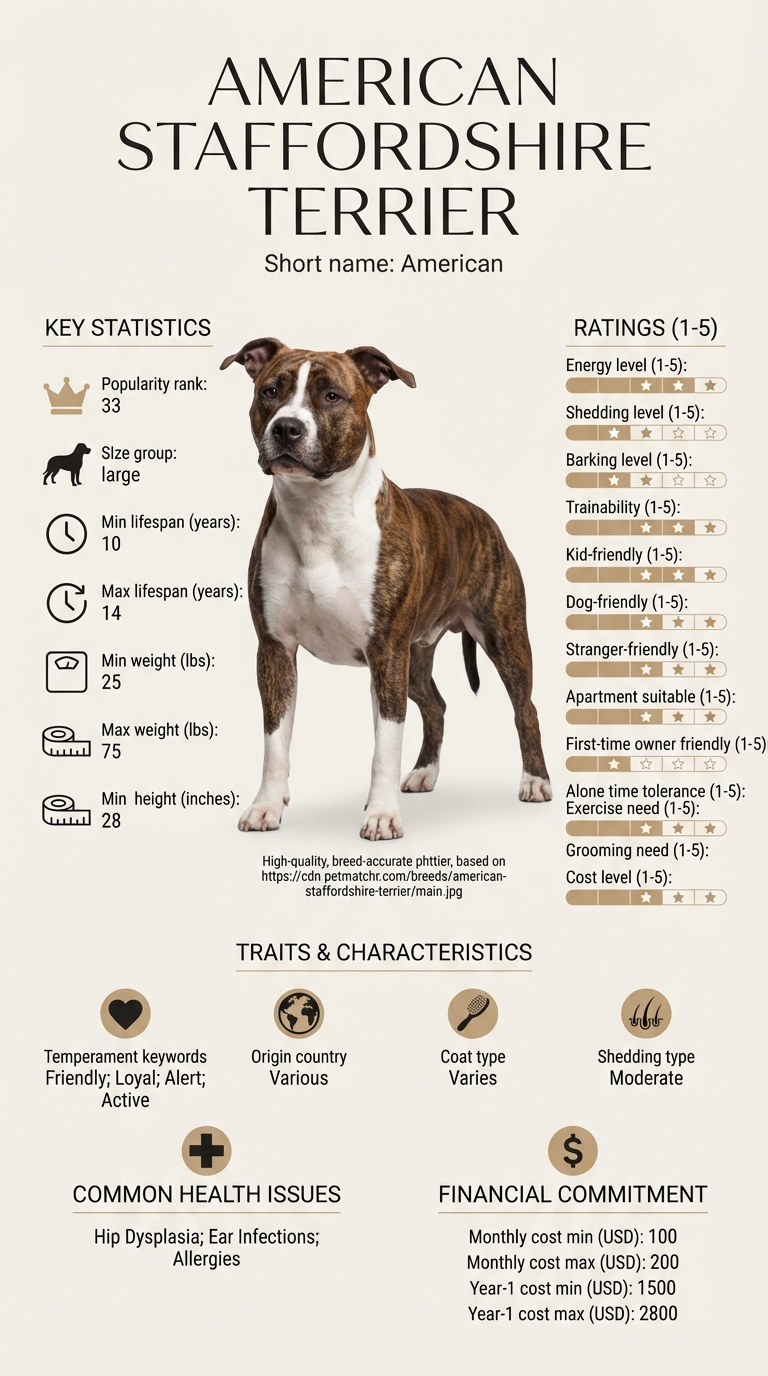
First-time dog owners, families with children, or anyone unfamiliar with genetic health issues are often the ones who struggle with understanding and managing vWD1.
This guide is not medical advice. If your dog shows pain, sudden behavior change, or worsening symptoms, consult a licensed veterinarian.
Some links may be affiliate links. We may earn a commission at no extra cost to you. We only suggest products we believe are helpful for dog owners.
American Staffordshire Terrier von Willebrand's disease (vWD1) is a genetic bleeding disorder that affects the dog's ability to clot blood properly. This can lead to excessive bleeding from minor injuries, making it a serious concern for owners. Day-to-day, a dog with vWD1 may seem perfectly fine until they experience a cut or bruise, which could result in significant bleeding.
Von Willebrand's disease is relatively common among American Staffordshire Terriers, with an estimated prevalence of about 10-20% in this breed. Being aware of this condition is crucial for responsible ownership.
American Staffordshire Terriers can inherit von Willebrand's disease (vWD1), which is a genetic bleeding disorder. This means that the disease is more common in certain lines of this breed due to genetics. If your dog has a family history of bleeding disorders, it may be more prone to vWD1.
Environmental factors can also contribute to the severity of vWD1. Stressful situations, such as injuries or surgeries, can trigger bleeding episodes. A lack of regular check-ups and health monitoring might also lead to undiagnosed complications.
If your American Staffordshire Terrier shows signs of anxiety or stress that lead to excessive bleeding, a professional trainer can help. Look for trainers experienced with medical conditions and stress management in dogs.
It's essential to speak with a vet if you suspect your dog has vWD1 or if they experience frequent bleeding. Regular check-ups are crucial for managing this genetic condition, and your vet can provide tailored advice and treatments.
With consistent effort, you may see improvements in your American Staffordshire Terrier's health and behavior within 3 to 6 months.
Success means managing the symptoms of von Willebrand's disease (vWD1) effectively, ensuring your dog leads a happy and active life despite the condition.
Avoiding these common mistakes can help improve your American Staffordshire Terrier's condition and well-being.
Recognizing when American Staffordshire Terrier von Willebrand's disease (vWD1) becomes an emergency is crucial for your dog's health. Red flags include excessive bleeding from minor cuts, prolonged bleeding after surgery, or spontaneous nosebleeds. If your dog experiences any of these symptoms, call your vet immediately, as they indicate a severe need for medical attention.
Milder cases can show symptoms like occasional gum bleeding or minor bruising. While these signs are concerning, they may not require an immediate vet visit. Instead, monitor your dog and keep a record of any bleeding incidents. It’s essential to have a plan in place, such as changes in diet or lifestyle adjustments, to help manage their condition.
If your American Staffordshire Terrier has a known history of vWD1, regular check-ups with your veterinarian are vital. They can help you create a management plan, ensuring your dog stays healthy. Remember, staying vigilant and informed is key to successfully handling von Willebrand's disease.
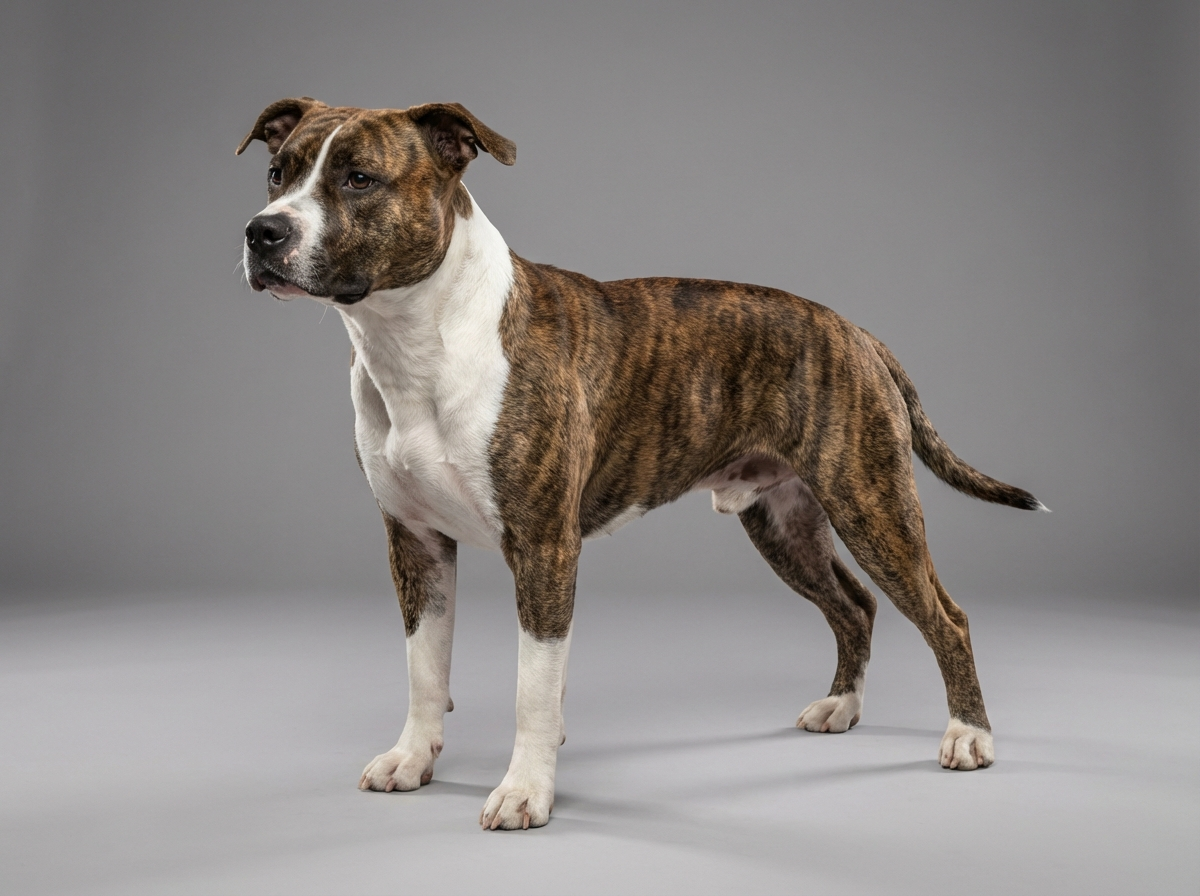
Sarah, a first-time dog owner, adopted Bella, an American Staffordshire Terrier. She quickly learned Bella had von Willebrand's disease (vWD1), which made her prone to bleeding. After consulting with a vet, Sarah implemented a tailored care plan, including regular vet check-ups, a balanced diet, and gentle exercise. Over time, Sarah became more confident in managing Bella's condition, and Bella thrived with her new routine, enjoying walks and playtime without major issues.
Key takeaway: With the right support and care plan, you can help your American Staffordshire Terrier live a fulfilling life, even with von Willebrand's disease (vWD1).
American Staffordshire Terrier von willebrand's disease (vwd1) is a genetic bleeding disorder that affects the dog's ability to clot blood properly. This condition can lead to excessive bleeding from injuries or during surgery.
This disease is inherited and is caused by a deficiency in a specific protein needed for blood clotting. If your dog has a family history of this condition, it may be more likely to develop vwd1.
Management includes regular veterinary check-ups and avoiding situations that may cause bleeding, like rough play. In some cases, your vet might recommend specific treatments or medications to help manage the condition.
Symptoms can include excessive bleeding from minor cuts, nosebleeds, or blood in the urine. If you notice any unusual bleeding, contact your vet immediately.
Unfortunately, there is no cure for vwd1. Preventive care, such as regular vet visits and careful monitoring of your dog’s activities, can help manage the condition effectively.
Yes, many dogs with vwd1 can lead normal lives with proper management. Avoiding high-risk activities and maintaining regular vet visits are key to ensuring their health.
Yes, older American Staffordshire Terriers can show signs of von Willebrand's disease (vWD1) as they age. While this condition is genetic, symptoms may become more apparent with time. Regular check-ups with your vet can help monitor any changes in your dog's health.
Signs of von Willebrand's disease (vWD1) often include excessive bleeding from minor injuries, bleeding gums, or blood in the urine. If you notice any of these symptoms, it's important to consult your vet for further evaluation and testing.
While there isn't a specific diet for dogs with von Willebrand's disease (vWD1), maintaining a balanced diet is crucial for overall health. Consult your vet for dietary recommendations that can support your dog's immune system and overall well-being.
Helping your American Staffordshire Terrier cope with von Willebrand's disease (vWD1) involves regular vet visits and being cautious about their activities. Limit vigorous exercise and avoid situations that could lead to injury. Training for calm behavior can also be beneficial.
If your American Staffordshire Terrier is diagnosed with von Willebrand's disease (vWD1), follow your vet's management plan closely. This may include regular monitoring, avoiding certain medications, and potentially preparing for emergencies related to bleeding. Education and preparedness can make a significant difference.
Keep your dog calm and avoid rough play. Regular vet check-ups are crucial to monitor their health.
Costs can vary, but expect to spend between $100 to $300 for regular vet visits and potential treatments annually.
Yes, training can help manage their behavior and keep them calm, reducing the risk of injuries.
If your dog experiences excessive bleeding, contact your veterinarian immediately for assistance.