Behavior
What are some American Pit Bull Terrier patellar luxation quick tips?
Keep your dog at a healthy weight and provide regular, low-impact exercise. Monitor their knee movements and consult your vet for any signs of discomfort.
American Pit Bull Terrier patellar luxation is a common knee issue that can affect your dog's mobility.
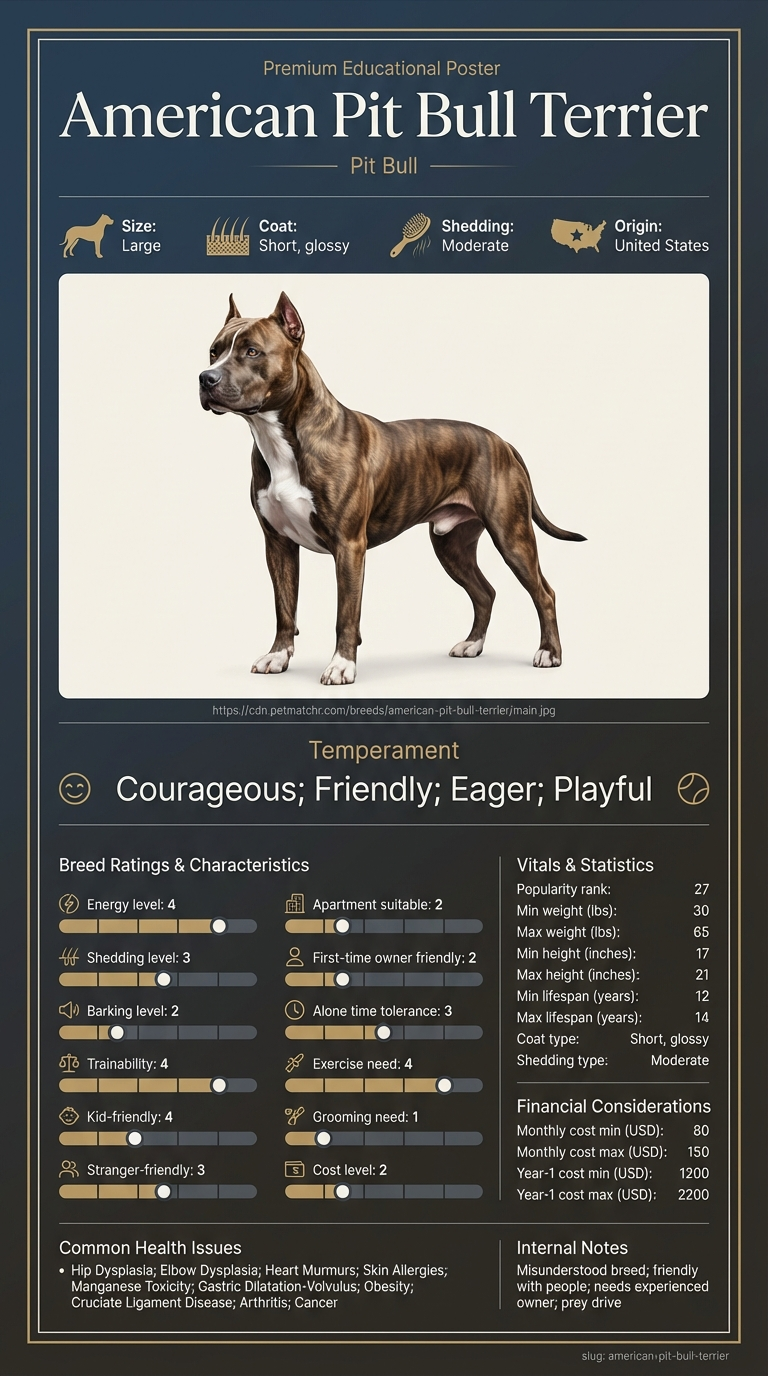
Typically, owners of American Pit Bull Terriers who notice limping or reluctance to play may face this issue. New dog owners or those unfamiliar with health concerns in this breed might find it particularly challenging.
This guide is not medical advice. If your dog shows pain, sudden behavior change, or worsening symptoms, consult a licensed veterinarian.
Some links may be affiliate links. We may earn a commission at no extra cost to you. We only suggest products we believe are helpful for dog owners.
American Pit Bull Terriers can experience patellar luxation, a condition where the kneecap dislocates from its normal position. This can lead to discomfort and difficulty in movement, making daily activities a challenge for your dog. Owners may notice their Pit Bull limping or favoring a leg, especially after exercise or play.
Patellar luxation is relatively common in American Pit Bull Terriers, especially in younger dogs. Many affected dogs might show symptoms as early as six months old. While it can vary in severity, about 20% of Pit Bulls may experience this issue at some point in their lives.
American Pit Bull Terriers can be prone to patellar luxation due to their breed characteristics. Their strong muscle build and activity level can lead to stress on their joints. Additionally, genetics can play a role, as some dogs inherit a predisposition for knee issues.
Environmental factors can also contribute to this condition. Activities that involve jumping or rough play can increase the risk of dislocating the kneecap. Additionally, an overweight dog can put extra strain on their joints, making patellar luxation more likely.
If your dog shows persistent limping or difficulty in movement, it may indicate a more serious issue. A professional dog trainer can help create a structured exercise plan that accommodates your dog's needs while preventing further injury.
If your American Pit Bull Terrier is frequently dislocating their kneecap or showing signs of pain, consult your veterinarian. They can provide a proper diagnosis and discuss treatment options, including surgery if necessary.
You can expect to see improvements in your American Pit Bull Terrier's comfort and mobility within 4 to 6 weeks of consistent training and management.
Success means your dog shows reduced pain and discomfort, improved mobility, and a more active lifestyle. Regular vet check-ups will ensure proper management of the condition.
Avoiding these common mistakes can help your American Pit Bull Terrier manage patellar luxation more effectively.
Patellar luxation in your American Pit Bull Terrier can range from mild to severe. It's crucial to know when to seek immediate help. If your dog suddenly yelps in pain, refuses to put weight on a leg, or shows signs of severe swelling, these are red flags that necessitate a call to your vet right away.
Other emergency signs include persistent limping, visible deformities in the knee, or if your dog seems unusually lethargic or distressed. These symptoms could indicate a more serious issue that requires prompt medical attention. Don't wait; it's better to be safe than sorry when it comes to your dog's health.
On the other hand, if your American Pit Bull Terrier occasionally shifts their weight or seems to have mild discomfort after exercise, you might not need to rush to the vet. Instead, monitor their behavior and consider a plan that includes rest and gentle exercises. Keeping an eye on their mobility can help you manage the condition more effectively without panicking.
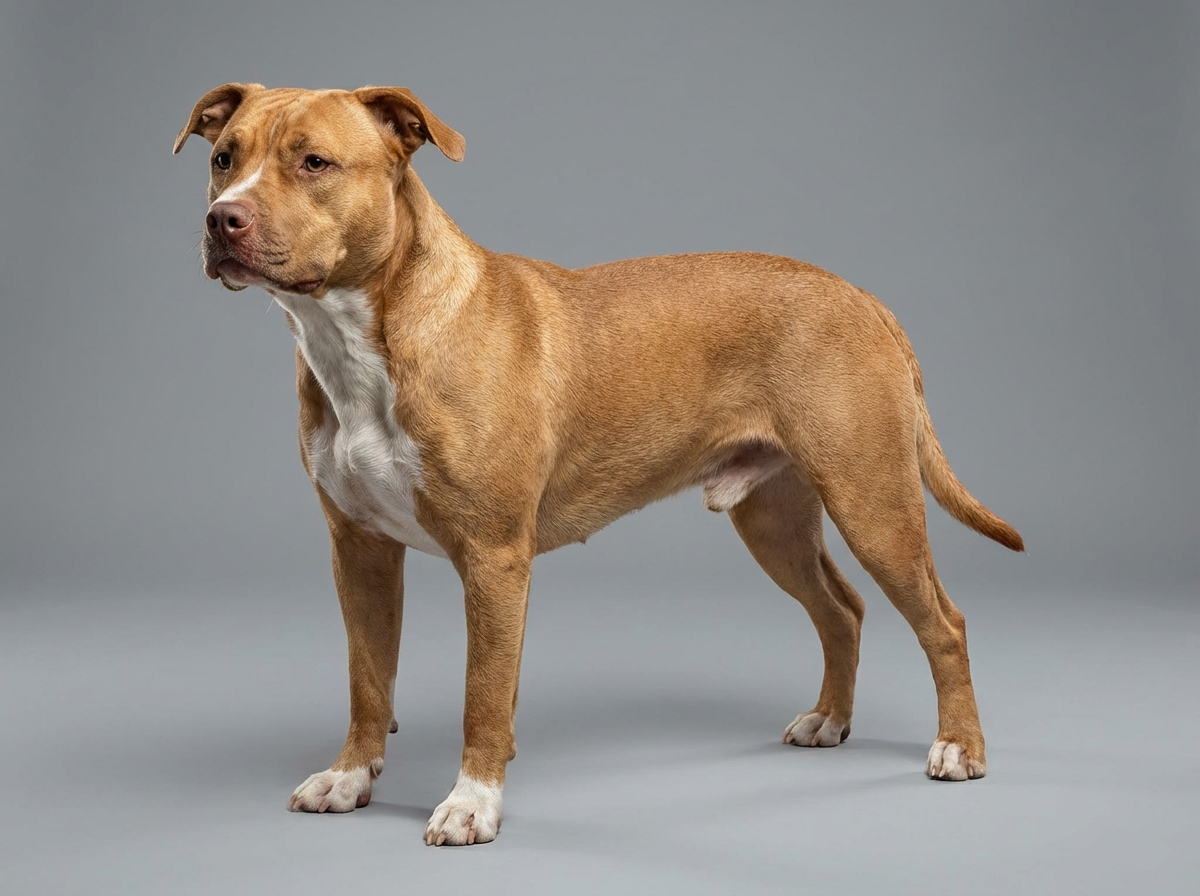
Maria adopted her American Pit Bull Terrier, Max, and quickly noticed he had difficulty jumping and sometimes limped after playtime. After a vet visit, she learned Max had patellar luxation, a condition affecting his knee cap. Determined to help him, Maria started a tailored training program focusing on strengthening his legs and improving his overall fitness. She also adjusted his playtime to avoid high-impact activities. With patience and dedication, Max's mobility improved significantly, and he became more energetic and playful.
Key takeaway: Addressing patellar luxation in your American Pit Bull Terrier requires commitment to training and regular vet care. With the right approach, you can enhance your dog's quality of life.
Patellar luxation in American Pit Bull Terriers often occurs due to genetic factors, particularly if there's a family history of knee problems. Other reasons can include injury or developmental issues. If you suspect your dog has this condition, a vet can perform a thorough examination. This answer relates to American Pit Bull Terrier patellar luxation.
Common signs include limping, difficulty walking or running, and an unusual position of the knee. You might notice your dog suddenly skipping or lifting a leg after exercise. Observing these behaviors can help you determine if a vet visit is necessary.
Treatment can range from rest and physical therapy to surgery, depending on the severity. For mild cases, weight management and specific exercises might help. More severe cases may require surgical intervention to correct the dislocation.
While genetics play a significant role, maintaining a healthy weight and ensuring regular exercise can help. Avoiding high-impact activities during growth phases may also reduce the risk. Regular vet check-ups can spot potential issues early.
Yes, training can be beneficial. Focus on low-impact activities and gentle obedience training that doesn't put stress on the knees. Consulting with a professional trainer or veterinarian can provide tailored advice for your dog's specific needs.
If your dog shows signs of pain, such as whining or avoiding movement, contact your vet immediately. They might recommend pain relief or anti-inflammatory medications, along with rest and reduced activity until the issue is resolved.
Signs of patellar luxation include limping, difficulty walking, or your dog suddenly lifting a leg while playing. You may also notice your dog favoring one leg or having trouble standing up after resting.
Yes, older American Pit Bull Terriers can develop patellar luxation, especially if they've had previous knee injuries. It's important to monitor their mobility and consult a vet if you notice any changes in their behavior or movement.
Managing patellar luxation at home involves providing a safe environment to prevent slips and falls. Keeping your dog at a healthy weight and engaging in low-impact exercises can also help maintain muscle strength and joint stability.
If your dog shows persistent limping, pain, or if they are unable to put weight on their leg, you should see a vet. Early intervention can help prevent further joint damage and improve their quality of life.
Surgery may be recommended if your dog's patellar luxation is severe and causing significant pain or mobility issues. Your vet will assess the situation and discuss the best options for your dog's health.
Keep your dog at a healthy weight and provide regular, low-impact exercise. Monitor their knee movements and consult your vet for any signs of discomfort.
Limit their activity and ensure they have a comfortable resting area. Gentle stretching and physical therapy exercises can aid in recovery.
A balanced diet that maintains a healthy weight is essential. Talk to your vet for specific dietary recommendations that support joint health.
Watch for limping, yelping in pain, or difficulty getting up. If you notice these signs, a vet visit is recommended.