Behavior
What are quick tips for managing American Pit Bull Terrier bloat (gastric dilatation-volvulus/gdv)?
Feed smaller meals, avoid exercise after eating, and use slow-feeder bowls to help prevent bloat.
American Pit Bull Terrier bloat, also known as gastric dilatation-volvulus (GDV), is a serious condition that can be life-threatening. Understanding this problem is crucial for every owner. (American Pit Bull Terrier bloat (gastric dilatation-volvulus/gdv))
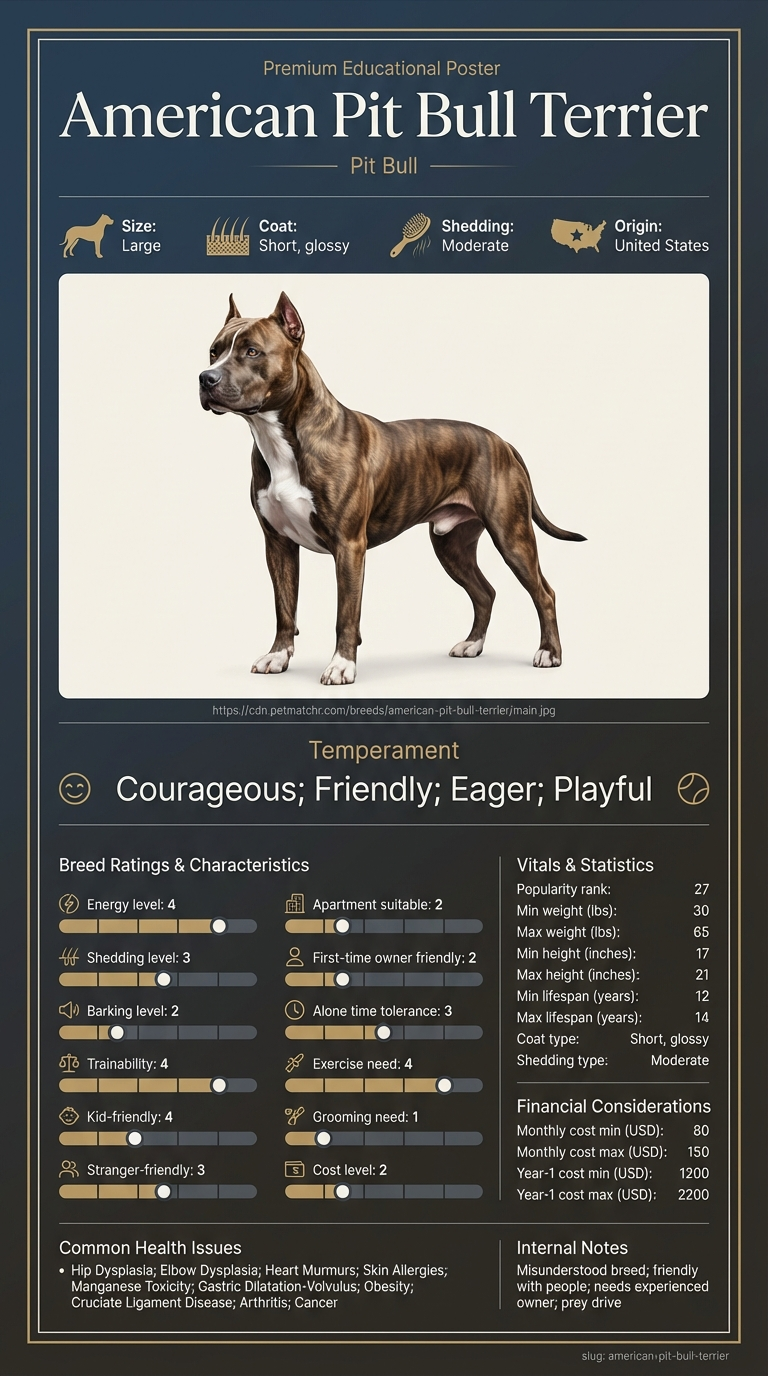
This issue often affects owners of American Pit Bull Terriers, particularly those who may not be aware of the breed's susceptibility to bloat. First-time dog owners or those unfamiliar with this breed may find themselves particularly challenged by this serious health concern.
This guide is not medical advice. If your dog shows pain, sudden behavior change, or worsening symptoms, consult a licensed veterinarian.
Some links may be affiliate links. We may earn a commission at no extra cost to you. We only suggest products we believe are helpful for dog owners.
American Pit Bull Terrier bloat, also known as gastric dilatation-volvulus (GDV), is a serious condition that can escalate quickly. It occurs when the stomach fills with gas and twists, cutting off blood supply. This can lead to shock and even death without prompt treatment, making it crucial for owners to recognize the signs early.
Bloat is relatively common in larger breeds like the American Pit Bull Terrier, with estimates suggesting that around 1 in 100 dogs may experience it at some point. While it's not guaranteed every Pit Bull will face this issue, being aware of the risks is essential for responsible ownership.
The American Pit Bull Terrier is predisposed to bloat due to its deep chest and large size. This breed's anatomy can make it more vulnerable to stomach twisting, which is a key factor in gastric dilatation-volvulus (GDV). Additionally, their energetic nature can lead to rapid eating and drinking, increasing the risk of bloat.
Environmental factors also play a role. Stressful situations, such as loud noises or changes in routine, can trigger bloat. Feeding habits, like giving large meals or feeding too close to exercise, can further contribute to the risk of GDV.
If your American Pit Bull Terrier continues to show signs of anxiety or stress around meal times, a professional trainer can help address these behavioral issues. They can provide strategies tailored to your dog's specific needs.
If your dog exhibits signs of bloat, such as a swollen abdomen, excessive drooling, or signs of distress, contact your vet immediately. This condition is life-threatening and requires urgent medical attention.
It typically takes a few weeks to a few months to manage American Pit Bull Terrier bloat effectively. This includes establishing a consistent feeding routine and monitoring for symptoms.
Success means being able to prevent episodes of bloat through proper feeding, training, and awareness. You'll feel confident in recognizing the signs and acting promptly.
Avoiding these common mistakes can help you manage American Pit Bull Terrier bloat (gastric dilatation-volvulus/GDV) more effectively. Here are some behaviors to steer clear of.
Recognizing when American Pit Bull Terrier bloat (gastric dilatation-volvulus/GDV) is an emergency can be life-saving. This condition can escalate quickly and requires immediate veterinary attention. Red flags to watch for include signs like a distended abdomen, retching without producing anything, excessive drooling, or signs of severe discomfort such as pacing or restlessness.
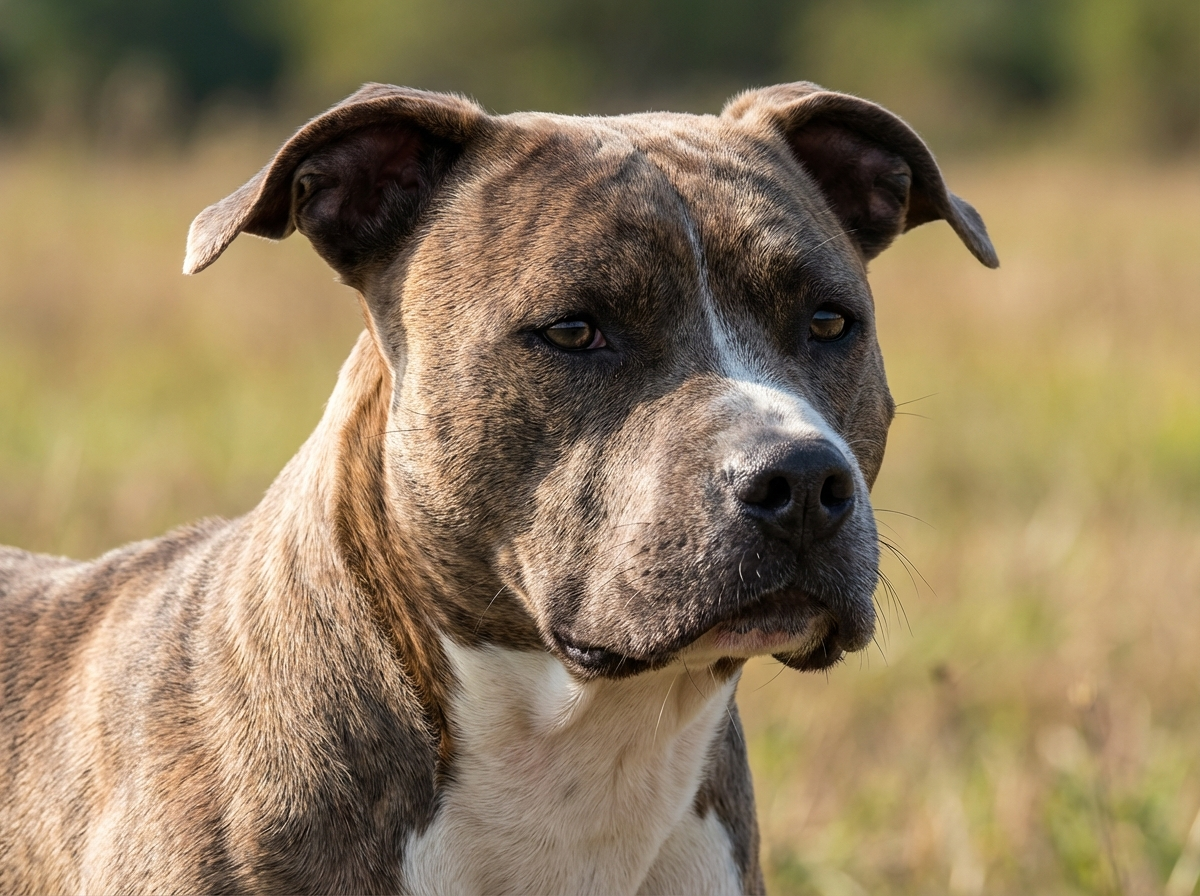
In less severe cases, you might notice mild bloating or your Pit Bull showing signs of discomfort that aren't extreme. If your dog is still eating, drinking, and playing normally, you can monitor their behavior. However, it's crucial to have a plan in place and know when to escalate the situation to your vet.
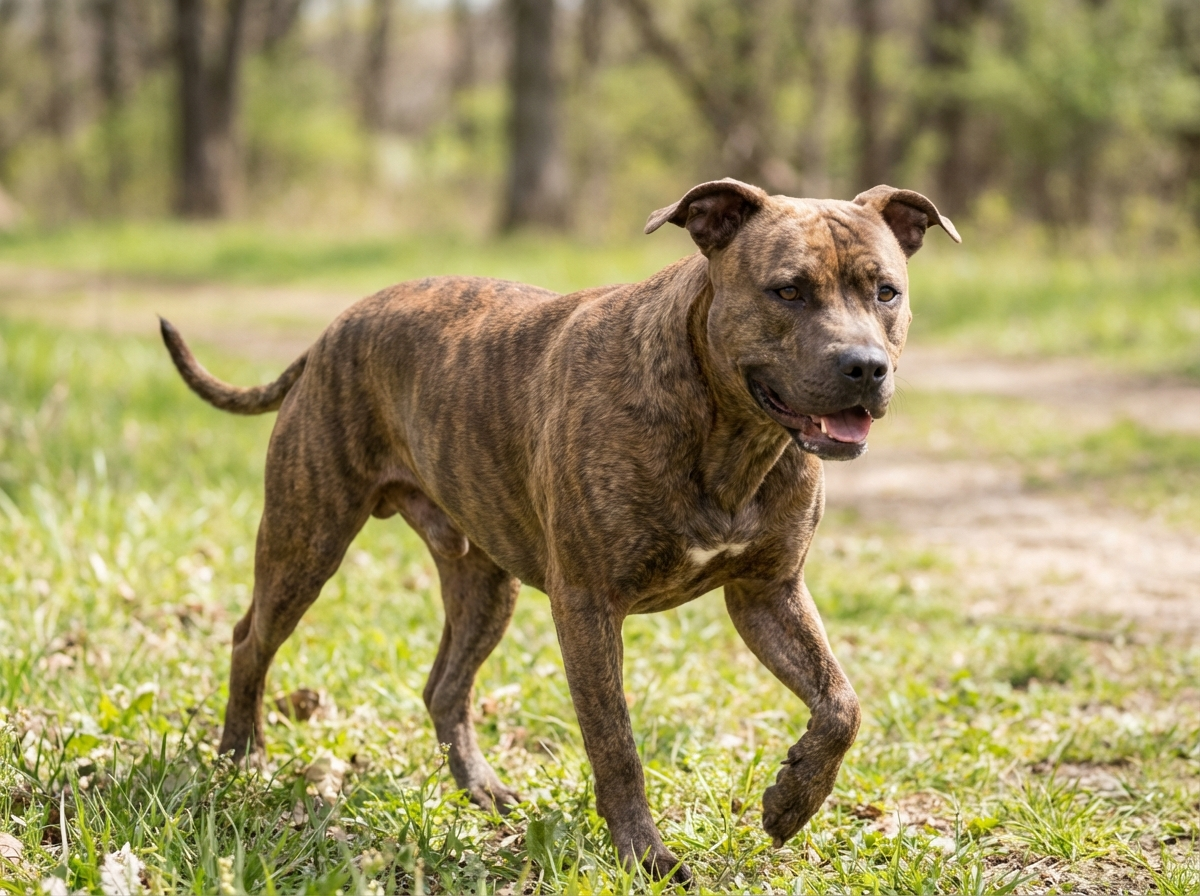
When Sarah adopted Bella, her American Pit Bull Terrier, she quickly learned about the dangers of bloat. One evening, Bella appeared restless and tried to vomit without success. After a trip to the vet, Sarah was informed about the seriousness of gastric dilatation-volvulus (GDV) in her breed. Determined to prevent future issues, Sarah implemented a feeding schedule that included smaller, more frequent meals and reduced Bella's exercise immediately after eating. With consistent monitoring and a vigilant eye, Sarah successfully kept bloat at bay, allowing Bella to thrive.
Key takeaway: Understanding the risks and adjusting routines can significantly reduce the chances of bloat in American Pit Bull Terriers.
Bloat occurs when the stomach fills with gas and twists, cutting off blood flow. Factors like eating too fast, large food portions, and certain stressors can increase risk. Always monitor your dog's eating habits and consult a vet if you notice unusual behavior.
To reduce the risk of bloat, feed your American Pit Bull Terrier smaller, more frequent meals instead of one large meal. Use slow-feeder bowls to encourage slower eating. Additionally, avoid vigorous exercise right after meals.
Signs of bloat include a swollen abdomen, restlessness, excessive drooling, and attempts to vomit without success. If you notice these symptoms, seek emergency veterinary care immediately as bloat can be life-threatening.
While training can't directly prevent bloat, teaching your dog to eat slowly and remain calm during mealtime can help. Incorporating basic commands and routines can reduce anxiety around food, which may decrease the risk of bloat.
If you suspect bloat, take your dog to the vet immediately. Treatment can range from decompression to surgery, costing between $1,500 and $7,500. Quick action is crucial, as bloat can progress rapidly.
Early signs of bloat in an American Pit Bull Terrier can include restlessness, pacing, and attempts to vomit without success. You may also notice a swollen abdomen and excessive drooling. If you see these symptoms, it’s crucial to seek veterinary help immediately.
Yes, older American Pit Bull Terriers can be at a higher risk for bloat, especially if they have a history of digestive issues. Age can contribute to changes in their digestive system, making them more susceptible. Regular vet check-ups are important for older dogs to monitor their health.
Preventing bloat in your American Pit Bull Terrier involves feeding smaller, more frequent meals instead of one large meal. Avoid vigorous exercise right after eating and consider using a slow feeder bowl to help reduce the speed of eating. Always consult your vet for personalized advice.
If your American Pit Bull Terrier shows signs of bloat, take them to the vet immediately. Time is critical, as bloat can quickly become life-threatening. Do not attempt to treat it at home; professional intervention is necessary.
While there isn't a one-size-fits-all diet, many owners find that feeding high-quality, easily digestible food can help. Consult with your veterinarian about the best dietary options for your American Pit Bull Terrier to minimize bloat risk.
Feed smaller meals, avoid exercise after eating, and use slow-feeder bowls to help prevent bloat.
Treatment for bloat can range from $1,500 to $7,500 depending on the severity and required procedures.
While any dog can experience bloat, American Pit Bull Terriers may be at risk due to their size and eating habits.

