Health
What are Alaskan Malamute glaucoma quick tips?
Regular vet visits are crucial to catch any signs of glaucoma early. Keep an eye on any changes in behavior related to vision, like bumping into things.

Quick answer
What are Alaskan Malamute glaucoma quick tips?
Regular vet visits are crucial to catch any signs of glaucoma early. Keep an eye on any changes in behavior related to vision, like bumping into things.
Alaskan Malamute glaucoma is a serious eye condition that can lead to vision loss. Understanding it is crucial for your dog's health.
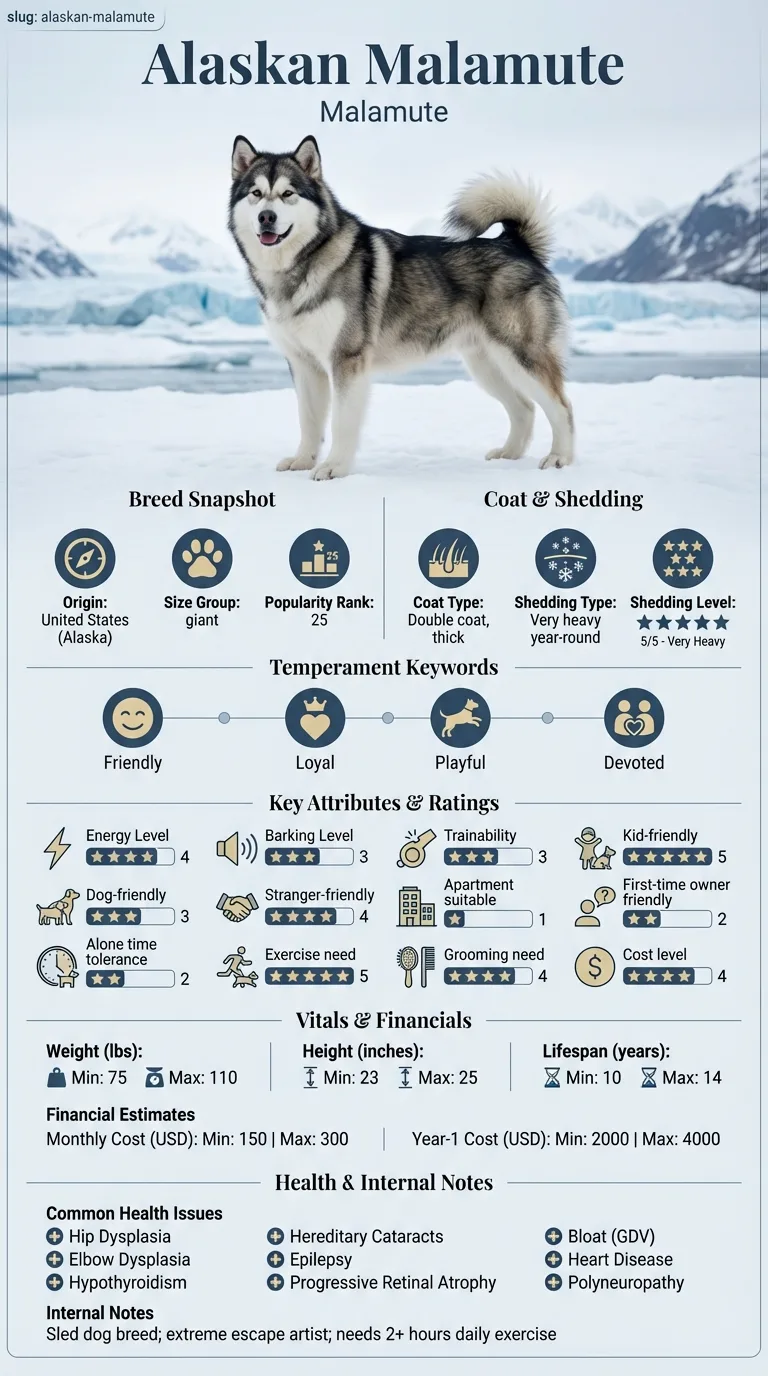
Owners of Alaskan Malamutes, especially those who may not be familiar with common health issues in the breed, often face challenges when dealing with glaucoma. If your Malamute is showing signs like excessive tearing or rubbing their eyes, you may be concerned about their health.
This guide is not medical advice. If your dog shows pain, sudden behavior change, or worsening symptoms, consult a licensed veterinarian.
Some links may be affiliate links. We may earn a commission at no extra cost to you. We only suggest products we believe are helpful for dog owners.
We research and check what we publish, but we do not warrant that any figure, date, price, or statement is accurate, complete, or current, and we accept no liability for any loss, cost, injury, or other harm arising from the use of this site. Use it as one reference among several. You remain responsible for your own decisions and for your dog's care - confirm anything that matters with a licensed veterinarian or another qualified professional before you act on it. Full disclaimer.
Check this first
Recognizing when Alaskan Malamute glaucoma is an emergency can save your dog's vision and health. If you notice sudden changes in your dog's behavior, like excessive pawing at the eyes, squinting, or showing signs of pain, it's crucial to act quickly. These symptoms could indicate high eye pressure and could lead to lasting damage if not treated immediately.
If any of these apply, call your vet or an emergency clinic now. The rest of this page is for the cases that are not an emergency.
Alaskan Malamute glaucoma is a serious eye condition that can lead to vision loss. This disease causes increased pressure in the eye, resulting in pain and discomfort. Owners may notice their Malamute squinting, rubbing their eyes, or showing signs of distress, especially in bright light.
Glaucoma in Alaskan Malamutes is relatively common, especially as they age. Regular eye check-ups with a vet can help catch this condition early, as it may not always show obvious symptoms until it's advanced.
Alaskan Malamutes can inherit certain genetic conditions that predispose them to glaucoma. Their large, deep-set eyes may also make them more susceptible to eye pressure issues. Additionally, some common health problems within the breed, like hereditary cataracts, can contribute to the development of glaucoma.
Environmental factors such as high-stress situations or injuries can trigger eye problems in Malamutes. Exposure to harsh weather conditions may also put additional strain on their eyes. Furthermore, lack of regular eye check-ups can lead to undetected issues worsening over time.
If you notice any symptoms of glaucoma, such as excessive tearing, squinting, or redness in the eyes, contact your vet immediately. Early diagnosis and treatment are crucial in managing this condition.
Avoiding common pitfalls can help manage Alaskan Malamute glaucoma more effectively. Here are some mistakes to watch out for.
Start here: Alaskan Malamute Most Common Genetic Disorders: Screening
See all Alaskan Malamute health problems, which breeds are prone to glaucoma, or the full Alaskan Malamute breed guide for temperament, exercise needs and ownership costs.
Managing Alaskan Malamute glaucoma typically requires ongoing veterinary check-ups and treatment adjustments. Expect initial improvements within a few weeks of starting treatment, but long-term success often takes months.
Success means your Malamute shows reduced discomfort, has stable eye pressure, and maintains a good quality of life. Regular vet visits and adherence to prescribed treatments are crucial.
In less severe cases, you might notice signs like mild redness or slight cloudiness in the eye. If your Alaskan Malamute is still eating, playing, and doesn't seem distressed, you can monitor the situation for a short period. However, keep a close eye on any changes, and consult your vet if symptoms persist or worsen.

Emily, a first-time dog owner, was devastated to learn that her Alaskan Malamute, Max, had glaucoma. At first, she noticed Max squinting and seemed less playful. After consulting a vet, Emily learned how to manage the condition through medication and regular check-ups. With patience and care, Max's eye pressure stabilized, and he returned to his playful self. Emily realized the importance of educating herself about Alaskan Malamute glaucoma and how to stop it from worsening.
Key takeaway: Understanding your dog's health condition and being proactive with treatment can lead to a happier, healthier life for your pet.
Signs of glaucoma in an Alaskan Malamute can include excessive tearing, squinting, and redness in the eyes. You might also notice your dog rubbing their eyes or showing signs of discomfort. If you see any of these symptoms, it's important to consult your vet for an evaluation.
Look for symptoms like squinting, excessive tearing, or rubbing their eyes. If you notice any of these signs, consult your vet promptly for an eye examination.
Treatment may include medications to reduce eye pressure or surgery in severe cases. Regular veterinary check-ups are crucial to manage the condition effectively.
Preventive measures include regular vet check-ups and maintaining a healthy diet. Keeping their stress levels down and ensuring they get enough exercise also helps maintain overall eye health.
While training won't cure glaucoma, it can help your Malamute cope better with the condition. Positive reinforcement can be used to teach them to adapt to their changing vision.
Yes, glaucoma can be hereditary in Alaskan Malamutes. Responsible breeding practices can help reduce the risk of passing this condition to future generations.
Yes, Alaskan Malamutes can inherit glaucoma, especially if there is a family history of eye problems. Regular eye check-ups can help catch any issues early. If you're unsure, ask your vet about testing options for hereditary eye diseases.
Managing glaucoma in an Alaskan Malamute often includes medication prescribed by your vet to reduce eye pressure. In some cases, surgery may be necessary. Always follow your vet's advice and keep a close eye on your dog's comfort and behavior.
If your older Alaskan Malamute shows signs of glaucoma, it's crucial to see a vet as soon as possible. Older dogs may have a higher risk of developing this condition. Early diagnosis can lead to better management and comfort for your pet.
While there is no specific diet that can completely prevent glaucoma, a balanced diet rich in antioxidants may support overall eye health. Consult with your vet for dietary recommendations that can benefit your Alaskan Malamute's health as they age.
Regular vet visits are crucial to catch any signs of glaucoma early. Keep an eye on any changes in behavior related to vision, like bumping into things.
Ensure they have a safe, familiar environment and consider using a leash during walks to prevent accidents. Monitor their behavior for signs of discomfort.
Initial vet consultations may cost between $100 and $300, with ongoing treatment ranging from $50 to $200 monthly depending on medication and care needed.
Focus on positive reinforcement techniques for adapting to any vision changes. Training should be gentle and patient to avoid adding stress.
A one-page prep sheet for this condition: the signs, the questions to ask, what to get priced. Unlocks here.
You get: Vet visit prep sheet
No spam. One-click unsubscribe. See our privacy policy.
Preview page 1 before you decide.