Behavior
What are the common symptoms of autoimmune diseases in Akitas?
Common symptoms include skin rashes, excessive scratching, and lethargy. Watch for changes in appetite or behavior as well.

Quick answer
What are the common symptoms of autoimmune diseases in Akitas?
Common symptoms include skin rashes, excessive scratching, and lethargy. Watch for changes in appetite or behavior as well.
Autoimmune diseases can pose serious health risks for Akitas, affecting their overall well-being.
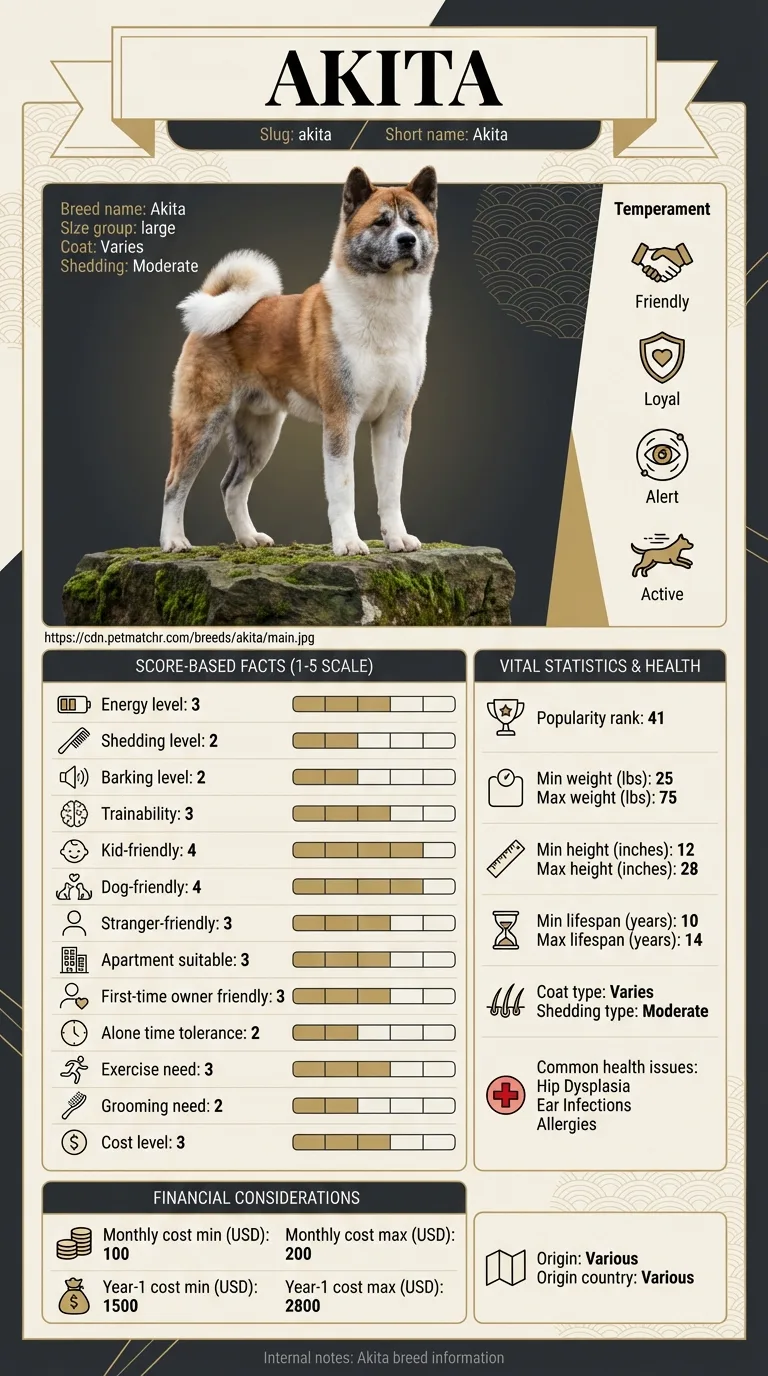
Owners of Akitas often face challenges when their pets develop autoimmune diseases, which can be confusing and distressing. Those who are not familiar with these conditions may find it particularly difficult to navigate symptoms and treatment options.
This guide is not medical advice. If your dog shows pain, sudden behavior change, or worsening symptoms, consult a licensed veterinarian.
Some links may be affiliate links. We may earn a commission at no extra cost to you. We only suggest products we believe are helpful for dog owners.
We research and check what we publish, but we do not warrant that any figure, date, price, or statement is accurate, complete, or current, and we accept no liability for any loss, cost, injury, or other harm arising from the use of this site. Use it as one reference among several. You remain responsible for your own decisions and for your dog's care - confirm anything that matters with a licensed veterinarian or another qualified professional before you act on it. Full disclaimer.
Check this first
Autoimmune diseases in Akitas can vary widely in severity. It's crucial to recognize when your dog's condition becomes an emergency versus when it can be monitored at home. You should call your vet immediately if you notice any of the following red-flag signs: persistent vomiting or diarrhea, sudden weight loss, severe lethargy, or difficulty breathing.
These symptoms could indicate a serious flare-up or complication that needs prompt attention.
On the other hand, if your Akita is showing mild symptoms, such as occasional skin irritation, slight fatigue, or minor changes in appetite, it may be more appropriate to monitor their condition. In these cases, you can create a watch-and-wait plan. Keep a close eye on their symptoms for any changes, and ensure they are eating and drinking normally.
If these mild symptoms persist for more than a few days or worsen, don't hesitate to contact your vet. Remember, when it comes to health issues, it’s always better to be safe than sorry. Regular check-ups can help you catch any potential problems early, ensuring your Akita stays happy and healthy.
If any of these apply, call your vet or an emergency clinic now. The rest of this page is for the cases that are not an emergency.
Autoimmune diseases in Akitas can significantly affect their health and quality of life. These conditions arise when the immune system mistakenly attacks the dog's own body. Common symptoms include lethargy, skin problems, and joint pain, which can be distressing for both the dog and the owner.
Autoimmune diseases are relatively common in Akitas, with studies showing that this breed is more prone to such conditions compared to others. While not every Akita will experience autoimmune issues, it’s important for owners to be aware and proactive.
Akitas are known to have a genetic predisposition to certain autoimmune diseases. These conditions can stem from their unique immune system that sometimes reacts excessively to harmless substances, mistaking them for threats. This breed's strong genetic background can make them more susceptible to these health issues.
Environmental factors can also play a significant role in triggering autoimmune diseases in Akitas. Stressful situations, poor nutrition, and exposure to toxins can weaken their immune system. Additionally, lack of proper veterinary care or delayed vaccinations can contribute to their vulnerability.
If you notice persistent symptoms such as lethargy, skin issues, or frequent infections, it's crucial to consult your vet. They can help diagnose any underlying autoimmune issues and recommend appropriate treatments.
Certain behaviors can unintentionally exacerbate autoimmune diseases in Akitas. Here are some common mistakes to avoid:
See all Akita health problems, which breeds are prone to autoimmune diseases, or the full Akita breed guide for temperament, exercise needs and ownership costs.
Addressing autoimmune diseases in Akitas can take several months to years, depending on the severity and type of condition. Regular vet visits and monitoring are essential during this period.
Success means managing symptoms effectively, improving your Akita's quality of life, and establishing a solid care routine that includes medication, dietary changes, and regular check-ups.
Sam, a first-time dog owner in Los Angeles, adopted Koda, an Akita, without knowing about potential health issues. Shortly after bringing him home, Koda started showing symptoms like excessive itching and lethargy. After several vet visits, Koda was diagnosed with an autoimmune disease. Sam faced a steep learning curve in managing Koda’s condition, which included special diets and regular vet check-ups. With patience and dedication, Sam learned to read Koda’s signals and adjust his care. Over time, Koda's symptoms improved significantly, and he became more energetic and playful again. Sam was relieved to see Koda thriving after months of consistent treatment.
Key takeaway: Understanding and managing autoimmune diseases in Akitas requires commitment and a willingness to adapt. Regular communication with your vet and being attuned to your dog's needs can lead to a healthier, happier pet.
Autoimmune diseases occur when the immune system mistakenly attacks the body's own cells. In Akitas, common autoimmune issues include skin disorders, hemolytic anemia, and lupus. These conditions can cause a range of symptoms, from skin rashes to lethargy.
Signs of autoimmune diseases in Akitas can vary but often include skin problems, unusual fatigue, or changes in appetite. If you notice persistent issues like excessive scratching or sores, it’s essential to consult your vet for a proper diagnosis.
Treatment for autoimmune diseases in Akitas typically involves medication to suppress the immune response, such as corticosteroids. Regular vet check-ups are crucial to monitor the condition and adjust treatment as needed. A balanced diet and avoiding stress can also help manage symptoms.
Some studies suggest that specific lines of Akitas may have a genetic predisposition to autoimmune diseases. If you’re considering an Akita, research the breeder and their dogs' health history. This information can help you find a healthier puppy.
Yes, a high-quality, balanced diet can support your Akita's overall health and potentially reduce symptoms of autoimmune diseases. Some owners find that certain ingredients trigger flare-ups, so working with a vet to create a tailored diet plan is beneficial.
Maintaining a stable, low-stress environment is crucial for Akitas with autoimmune diseases. Regular, gentle exercise can also help keep them healthy, but be cautious not to overexert them. Monitoring their health closely and avoiding extreme temperatures can further support their well-being.
Early signs of autoimmune diseases in Akitas can include lethargy, unexplained weight loss, and changes in appetite. You may also notice skin issues, such as rashes or hair loss, which can be indicative of underlying health problems. If you observe these symptoms, it's essential to consult your veterinarian.
Yes, some autoimmune diseases can have a hereditary component in Akitas. Breeders should screen for these conditions, but it’s still possible for a dog to develop them even from healthy lineage. Regular vet check-ups can help in early detection.
Managing your Akita's autoimmune condition at home involves providing a balanced diet, regular vet visits, and a stress-free environment. It's important to monitor their health closely and keep a consistent routine to help reduce anxiety. Always follow your vet's recommendations for medications and treatments.
If your older Akita shows signs of an autoimmune disease, such as persistent fatigue or unusual behavior, you should seek veterinary care promptly. Older dogs may experience different symptoms, and early intervention can make a significant difference in treatment outcomes. Your vet may recommend specific tests to diagnose the issue accurately.
Yes, environmental factors such as exposure to certain chemicals or allergens can potentially trigger autoimmune diseases in Akitas. Keeping your dog away from known irritants and maintaining a clean living environment can help reduce the risk. Always discuss any concerns with your vet to ensure your pet's well-being.
Common symptoms include skin rashes, excessive scratching, and lethargy. Watch for changes in appetite or behavior as well.
Provide a balanced diet, regular vet check-ups, and a low-stress environment. Gentle exercise is also important.
Corticosteroids are commonly prescribed to manage autoimmune diseases. Always work closely with your vet for the best treatment plan.
Yes, some lines of Akitas may be more prone to autoimmune diseases. Researching breeders can help you find healthier options.
A one-page prep sheet for this condition: the signs, the questions to ask, what to get priced. Unlocks here.
You get: Vet visit prep sheet
No spam. One-click unsubscribe. See our privacy policy.
Preview page 1 before you decide.