Understanding Akita Allergies: What Every Owner Should Know
Akita allergies can be a real challenge for dog owners. These allergies often lead to uncomfortable symptoms like itching and skin infections.
This problem typically affects proactive owners who want to ensure their Akita lives a happy, healthy life. It's especially tough for those who may have noticed their dog scratching excessively or experiencing frequent ear issues.
Important reminder
This guide is not medical advice. If your dog shows pain, sudden behavior change, or worsening symptoms, consult a licensed veterinarian.
Some links may be affiliate links. We may earn a commission at no extra cost to you. We only suggest products we believe are helpful for dog owners.
What this problem looks like
Akita allergies can be a frustrating issue for both dogs and their owners. These allergies often manifest as itchy skin, sneezing, or digestive upset. Daily life can be impacted, as owners may notice their Akita scratching excessively, licking their paws, or developing skin rashes, which can lead to discomfort.
Common triggers
Pollen from trees, grasses, and weeds
Dust mites and mold
Certain food ingredients like chicken or grains
Fleas and other parasites
Environmental changes, such as moving to a new area
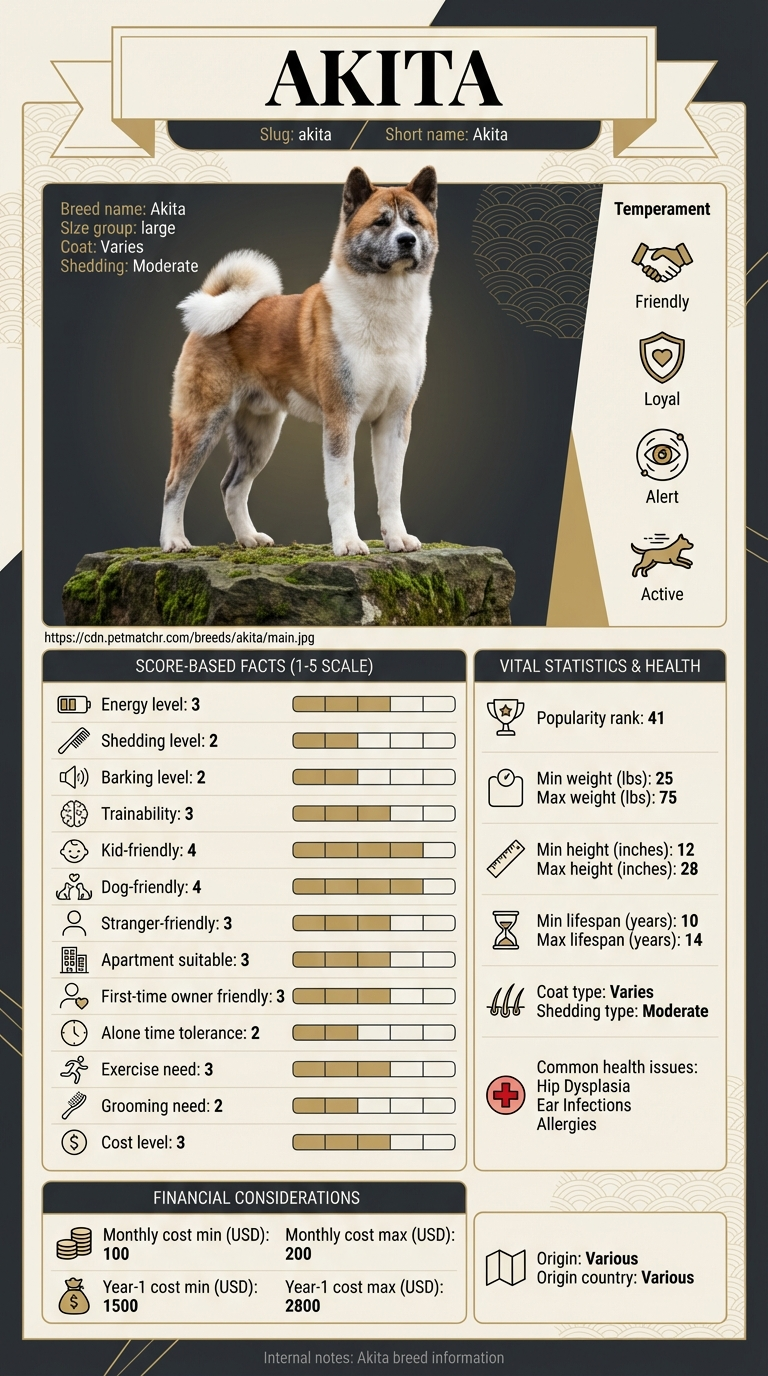
Allergies are a common problem in Akitas, with many owners reporting issues during certain seasons or after dietary changes. While not every Akita will suffer from allergies, a significant number will experience them at some point, making awareness and management crucial.
Why this happens
Breed factors
Akitas can be predisposed to allergies due to their genetic background. Their immune system may react strongly to certain substances, leading to allergic reactions. Common allergens include specific foods and environmental factors.
Environment factors
Environmental allergies are often triggered by pollen, dust mites, or mold. Changes in weather or exposure to new substances can also increase allergy symptoms. Homes with poor air quality or high levels of dust may exacerbate these issues.
What you can try
At-home strategies
Identify potential allergens by keeping a diary of your Akita's symptoms and any changes in their environment or diet.
Consider switching to a hypoallergenic dog food if you suspect food allergies. Introduce the new food gradually to avoid gastrointestinal upset.
Regularly bathe your Akita with a gentle, hypoallergenic shampoo to help remove allergens from their coat and skin.
Keep your home clean by vacuuming often and using air purifiers to reduce dust and allergens in the air.
Limit outdoor exposure during high pollen seasons, and wipe down your Akita's paws after walks to remove any allergens they may have picked up.
When to consider a trainer
If your Akita's allergies lead to behavioral changes, such as excessive scratching or anxiety, consider consulting a trainer. They can help develop strategies to manage these behaviors effectively.
When to talk to your vet
It's important to talk to a vet if your Akita shows signs of severe allergies, such as persistent itching, swelling, or difficulty breathing. Your vet can recommend allergy tests and appropriate treatments to keep your dog comfortable.
Realistic expectations
Most Akita owners can expect to see some improvement in their dog's allergy symptoms within 4 to 8 weeks of implementing a new management plan.
Success means your Akita experiences fewer allergy flare-ups, improved skin condition, and a better overall quality of life.
Mistakes that make this worse
Many Akita owners want to help their dogs with allergies, but certain behaviors can actually make the situation worse. Here are some common mistakes to avoid.
Ignoring allergy symptoms: Many owners overlook signs like itching and redness. This can lead to worsening symptoms. Instead, keep an eye on your Akita and consult a vet if symptoms persist.
Overusing medication: Some owners give their Akita medications too frequently. This can lead to side effects and dependency. Always follow your vet's dosage recommendations closely.
Inconsistent diet: Switching foods too often can upset your Akita's stomach and contribute to allergies. Stick to a consistent, vet-approved diet to help identify any food sensitivities.
Neglecting regular grooming: Allergens can build up in your Akita's coat. Regular brushing helps reduce this buildup and can alleviate some allergy symptoms.
Using harsh cleaning products: Strong cleaners can irritate your Akita's sensitive skin. Opt for pet-safe, gentle cleaning products to maintain a healthy home environment.
Failing to consult a vet: Avoiding professional help can prolong your Akita's suffering. Regular vet visits can help identify and manage allergies effectively.
When Akita Allergies Become an Emergency
Recognizing when Akita allergies are an emergency can save your dog's life. If your Akita shows severe symptoms, it's essential to call your vet immediately. Signs like swelling of the face, difficulty breathing, excessive vomiting, or diarrhea that lasts more than 24 hours are all red flags.
These symptoms could indicate a serious allergic reaction or anaphylaxis, which requires urgent medical attention.
On the other hand, mild allergy symptoms can usually be managed with monitoring. If your Akita has occasional sneezing, mild itching, or skin irritation, these can often be treated at home. You can create a plan that includes regular baths with hypoallergenic shampoo, a limited ingredient diet, or allergy medications recommended by your vet.
It's crucial to track any changes in your dog's behavior or symptoms. If the mild symptoms worsen or new symptoms appear, consult your veterinarian. Keeping a close eye on your Akita's condition ensures that you can differentiate between what needs immediate attention and what can be monitored safely.
Understanding Akita Allergies: What Every Owner Should Know - When Akita Allergies Become an Emergency
Finding Relief for Max: An Akita's Allergy Journey
When Sarah adopted Max, her Akita, she was excited but soon noticed his frequent scratching and ear infections. After a vet visit, she learned that Max had environmental allergies. Determined to help him, Sarah started an elimination diet and switched to hypoallergenic dog food.
She also began regular cleaning routines in her home. Over the next few months, Max’s symptoms significantly improved. He was happier, and his coat looked healthier.
Key takeaway: Identifying and managing allergies in your Akita can take time, but with patience and a consistent approach, you can greatly improve their comfort and well-being.
Frequently asked questions
Why does my Akita have allergies?
Akitas can develop allergies due to food or environmental factors. Common triggers include certain proteins in their diet, pollen, dust mites, or even fleas. Identifying the specific allergen often requires consultation with a vet.
How can I stop my Akita's allergies?
To manage Akita allergies, start by keeping a diary of symptoms and potential triggers. Consult your vet for allergy testing and consider switching to a hypoallergenic diet. Regular grooming and cleaning can also reduce allergens in your home.
What are the signs of allergies in Akitas?
Signs of allergies in Akitas include excessive itching, red or inflamed skin, ear infections, and gastrointestinal issues. If your Akita is constantly scratching or has recurrent ear infections, it may indicate an allergy. A vet can help diagnose the issue.
Do Akitas have specific food allergies?
Yes, Akitas can have food allergies, often related to proteins like chicken, beef, or grains. If you suspect a food allergy, work with your vet to conduct an elimination diet to identify the culprit without risking your dog's health.
Is allergy medication safe for my Akita?
Many allergy medications can be safe for Akitas, but it's crucial to consult your vet first. They can recommend appropriate antihistamines or corticosteroids that are effective and safe for your dog's specific needs.
Can Akita allergies be cured?
While allergies cannot be cured, they can be managed effectively. Regular vet check-ups, dietary changes, and environmental management can help keep your Akita comfortable and reduce allergic reactions.
What are the signs of allergies in my Akita?
Common signs of Akita allergies include excessive itching, red or inflamed skin, and ear infections. You might also notice sneezing, watery eyes, or gastrointestinal issues. If you see these symptoms, it's best to consult your vet.
Can Akitas develop allergies later in life?
Yes, Akitas can develop allergies at any age. Many dogs may not show signs until they are older. If you notice new symptoms in your Akita, consider discussing them with your veterinarian.
How can I help my Akita with allergies during high pollen seasons?
During high pollen seasons, limit your Akita's outdoor time, especially during peak pollen hours. Regular grooming can also help remove pollen from their coat. Consider using air purifiers indoors to reduce allergens.
What should I do if my Akita has a severe allergic reaction?
If your Akita shows signs of a severe allergic reaction, such as swelling or difficulty breathing, seek emergency veterinary care immediately. Swift action is crucial for their safety.
Why does my Akita have allergies, and what can I do?
Akitas can have allergies due to genetics, environmental factors, or certain foods. To help manage Akita allergies, identify allergens and consult your vet for a tailored treatment plan, which may include medication or dietary changes.
To manage Akita allergies, regularly bathe your dog with hypoallergenic shampoo and keep their living area clean. Consult with your vet for dietary changes and consider antihistamines if recommended.
Living
How often should I groom my Akita for allergies?
Groom your Akita at least once a week to help remove allergens from their coat and skin. More frequent grooming may be necessary during allergy seasons.
Health
Are Akitas prone to skin infections due to allergies?
Yes, Akitas can develop skin infections as a result of allergies. Keeping their skin clean and monitoring for any signs of infection is essential.
Costs
What foods should I avoid for my Akita with allergies?
Avoid common allergens like chicken, beef, and grains if your Akita has food allergies. Consult your vet for a tailored diet plan.
Behavior
How can I tell if my Akita's allergies are getting worse?
If your Akita's itching, skin redness, or ear infections worsen, it's time to revisit the vet. Changes in behavior, like increased scratching or irritability, can also indicate worsening allergies.
Related DogBreedCompass guides
common health issues in Akitas – Learn about common health issues faced by Akitas including allergies.
Akita allergies training – Discover tips for training your Akita to manage allergy symptoms effectively.
Akita separation anxiety guide – Explore strategies to cope with Akita separation anxiety, a related concern.
Akita cost breakdown – Understand the costs associated with owning an Akita, including potential allergy treatments.
Akita behavior problems – Find out about other common behavior problems in Akitas that may arise from allergies.