Small Dogs with Calm Temperament: Your Perfect Companion
Looking for a furry friend that brings peace to your home? This guide explores small dogs with calm temperament, ideal for relaxed living.
This guide is perfect for anyone considering bringing a small dog into their home, especially families, seniors, or busy professionals seeking a low-energy pet. If you want a furry friend that can comfortably cuddle on your lap or relax at your feet, this guide will help you find the right fit. Whether you're a first-time dog owner or looking to add another calm canine to your family, you'll find valuable insights here.
Many people assume all small dogs are hyper and high-energy, but that's not the case. Understanding which breeds are calm can help prevent future issues like behavioral problems or anxiety. By choosing the right small dog with a calm temperament, you can enjoy a peaceful and loving relationship, making both your lives more enjoyable.
Understanding Small Dogs with Calm Temperament
Choosing a dog is a big decision, especially if you're looking for small dogs with calm temperament. These gentle little companions can bring joy and comfort without the hyperactivity often seen in many breeds. For those who lead a quieter lifestyle or live in smaller spaces, understanding these mellow breeds is crucial.
Why Calm Temperament Matters
When selecting a dog, temperament plays a vital role in compatibility with your lifestyle. Small dogs with calm temperament tend to require less exercise and can adapt well to various living situations, from apartments to homes with limited outdoor space. They can also be more relaxed around children and visitors, making them ideal family pets or companions for older adults.
Small Dogs with Calm Temperament: Your Perfect Companion - Why Calm Temperament Matters
What to Look for in Gentle Small Dogs
Here are some characteristics to consider when searching for calm small dogs:
Small Dogs with Calm Temperament: Your Perfect Companion - What to Look for in Gentle Small Dogs
Low energy levels - Look for breeds known for their relaxed nature.
Affectionate demeanor - Gentle small dogs often love cuddling and being close to their owners.
Easy-going attitude - Breeds that are adaptable and not overly sensitive to changes in their environment.
Top Small Dogs Known for Their Calmness
Here are some breeds that exemplify calm temperaments:
Small Dogs with Calm Temperament: Your Perfect Companion - Top Small Dogs Known for Their Calmness
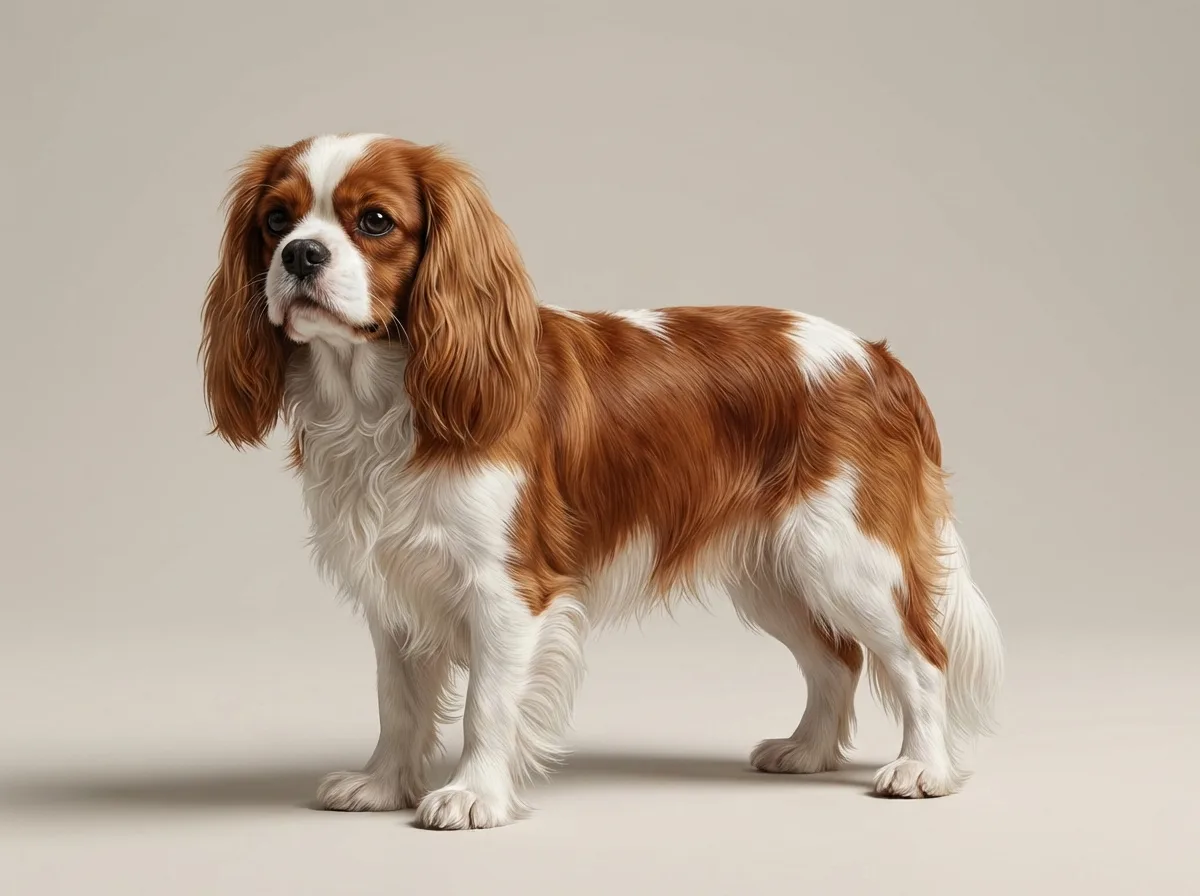
Cavalier King Charles Spaniel - Known for their affectionate nature and easy-going personality.
Pekingese - A relaxed breed that enjoys lounging and being pampered.
Japanese Chin - Gentle and playful, yet they thrive on calm environments.
Final Thoughts on Choosing Calm Small Dogs
Opting for small dogs with calm temperament can significantly enhance your quality of life. These gentle companions often require less stimulation and can provide a soothing presence in your home. Remember to consider your lifestyle and choose a breed that fits your living situation, ensuring a happy relationship for years to come.
Small Dogs with Calm Temperament: Your Perfect Companion - Final Thoughts on Choosing Calm Small Dogs
Step-by-Step Guide to Finding Small Dogs with Calm Temperament
Follow these steps to identify and choose a small dog breed that fits your lifestyle and needs. This guide focuses on small dogs with calm temperament, ensuring you find a gentle companion.
Small Dogs with Calm Temperament: Your Perfect Companion - Step-by-Step Guide to Finding Small Dogs with Calm Temperament
1. Research Breeds: Start by looking into breeds known for their calm demeanor. Focus on gentle small dogs like the Cavalier King Charles Spaniel, Pekingese, and Japanese Chin.
2. Visit Shelters: Check local animal shelters or rescue groups. Speak to staff about your desire for relaxed lap dogs.
They can often recommend dogs based on temperament.
3. Meet the Dogs: Spend time with potential pets to observe their behavior. Look for easy-going small pets that show a calm attitude around you and your family.
4. Ask the Right Questions: When considering adoption, inquire about the dog's history and behavior. Understanding if the dog has been socialized can help gauge its temperament.
5. Consider Your Environment: Ensure your living space is suitable for small dogs. A calm pet may need a quiet area to relax, away from loud noises or chaos.
6. Evaluate Your Lifestyle: Think about your daily routine. Some mellow toy breeds may require less exercise and enjoy lounging with you, making them perfect for quieter households.
7. Prepare Your Home: Before bringing a dog home, create a comfortable space with a cozy bed and toys. This will help your new pet adjust more easily to its new environment.
8. Gradual Introduction: If you have other pets, introduce them slowly. Monitor their interactions to ensure a peaceful coexistence, especially since calm small dogs may be sensitive to others' energy.
9. Set a Routine: Establish a daily routine for feeding, walking, and playtime. Consistency helps calm dogs feel secure and reduces anxiety.
10. Seek Professional Help: If you're unsure about a dog's behavior, consider consulting a trainer or behaviorist. They can provide guidance on how to create a calm atmosphere.
Why this helps
✓ Helps in identifying suitable dog breeds for a calm home environment.
✓ Encourages socialization and proper introduction to new pets.
✓ Provides a structured approach to pet ownership.
Watch out for
! Finding the perfect calm dog may take time and patience.
! Shelters may have limited options for specific breeds.
! Adjusting to a new pet’s needs can be challenging initially.
Common Mistakes When Choosing Small Dogs with Calm Temperament
Understanding the common mistakes people make when selecting small dogs with calm temperament can help ensure a happy and harmonious home. Here are some of the most frequent missteps that can lead to disappointment.
Bichon Frise - Common Mistakes When Choosing Small Dogs with Calm Temperament
Ignoring breed characteristics
Overlooking exercise needs
Neglecting socialization
Assuming all small dogs are calm
Failing to consider health issues
Myths and Facts About Small Dogs with Calm Temperament
Many people have misconceptions about small dogs with calm temperament. Let's debunk some common myths and highlight the facts behind them.
Bichon Frise - Myths and Facts About Small Dogs with Calm Temperament
Myth: All small dogs are hyperactive.
Fact: While some small breeds are energetic, many are known for their calm demeanor. Breeds like the Cavalier King Charles Spaniel and Pekingese are examples of gentle small dogs that prefer a relaxed lifestyle.
Myth: Small dogs can't be trained as well as larger breeds.
Fact: Training ability isn't determined by size but by breed and individual personality. Small dogs like the Japanese Chin can learn commands and tricks just as effectively as larger breeds.
Myth: Small dogs are not suited for families or children.
Fact: Many small dogs are excellent family pets and thrive in homes with children. Breeds such as the Cavalier King Charles Spaniel are known for their gentle and friendly nature, making them great companions for kids.
Myth: All small dogs require little exercise.
Fact: While some small breeds are more laid-back, they still need regular exercise to stay healthy. A daily walk or playtime is essential, even for relaxed lap dogs.
Myth: Calm small dogs don’t need socialization.
Fact: Socialization is crucial for all dogs, regardless of size. Engaging with different environments and other pets helps mellow breeds develop good behavior and confidence.
Advanced Tips for Finding Small Dogs with Calm Temperament
Discovering small dogs with calm temperament goes beyond simply selecting a breed. Here are some advanced tips to ensure you find the perfect relaxed companion for your home.
First, consider the dog's background. Dogs from quieter environments tend to be more relaxed. Adopting from a rescue that specializes in small, mellow breeds can lead to finding a calm pet that fits your lifestyle.
Next, spend time with the dog before making a decision. Observe their behavior in various settings. Look for signs of calmness, such as a relaxed body posture, slow movements, and a tendency to enjoy cuddle time.
Another important factor is training and socialization. Invest in positive reinforcement training that promotes calm behaviors. Teaching commands like 'settle' or 'place' can help a dog learn to relax in different situations.
Routine plays a critical role in creating a calm environment. Establishing a consistent daily schedule helps dogs feel secure and reduces anxiety. Incorporate regular exercise and mental stimulation, which can help prevent hyperactivity and promote relaxation.
Lastly, consider your lifestyle. Some small dogs may thrive better in quieter homes without excessive stimulation. If you have young children or frequent visitors, be mindful of how those dynamics may affect your dog's temperament.
By following these advanced tips, you can significantly increase your chances of finding a gentle small dog that matches your calm lifestyle.
Bichon Frise - Advanced Tips for Finding Small Dogs with Calm Temperament
Why this helps
✓ Increased likelihood of finding a truly calm dog
✓ Improved training outcomes with positive reinforcement
✓ Stronger bond with your dog through established routines
Watch out for
! Time-consuming process to evaluate backgrounds and behaviors
! Requires commitment to ongoing training and socialization
! May need to adapt your lifestyle to suit a dog's needs
How to Choose Small Dogs with Calm Temperament
Finding small dogs with calm temperament can be a rewarding journey. Here are some lesser-known insights to help you select the perfect mellow companion.
Bichon Frise - How to Choose Small Dogs with Calm Temperament
Look beyond the breed: Individual personality varies greatly among small dogs. Spend time with different dogs to find one that matches your energy level.
Consider age: Older dogs often have calmer temperaments compared to puppies. They may be more settled and less prone to hyperactivity.
Training matters: A well-trained dog, regardless of breed, can be more relaxed. Invest time in obedience training to cultivate calm behavior.
Socialization is key: Early socialization helps small dogs develop a balanced temperament. Expose them to different environments and experiences gradually.
Health impacts behavior: Keep an eye on your dog’s health. Conditions like pain or discomfort can lead to anxiety and hyperactivity, so regular vet check-ups are crucial.
Why this helps
✓ Individual personalities can surprise you, leading to a perfect match.
✓ Older dogs often require less training and can be more adaptable.
✓ Training and enrichment can help an individual dog settle more reliably, but temperament, age, and routine still matter.
✓ Socialization helps develop a well-rounded dog with good behavior.
✓ Regular vet visits can prevent health issues that affect temperament.
Watch out for
! Finding a calm dog may take more time and effort than expected.
! Older dogs may have health issues that require attention.
! Training demands consistency and patience from the owner.
! Socialization requires time and commitment, especially for busy owners.
! Health problems can arise unexpectedly, leading to behavioral changes.
Checklist for Choosing Small Dogs with Calm Temperament
Use this checklist to help you identify and care for small dogs with a calm temperament. These steps will guide you in making a thoughtful decision.
Bichon Frise - Checklist for Choosing Small Dogs with Calm Temperament
Research breeds known for calmness, like Cavalier King Charles Spaniel and Pekingese.
Visit local shelters or rescues to meet available dogs.
Ask about the dog's history and temperament from staff.
Evaluate the dog's behavior in a low-stress environment.
Consider adopting older dogs, who are often calmer than puppies.
Provide a quiet space at home for your new pet to relax.
Establish a routine to help your dog feel secure.
Incorporate gentle training methods to encourage calm behavior.
Monitor your dog's reactions to different environments and adjust accordingly.
Stay patient during the adjustment period to build trust and comfort.
Why this helps
✓ Small dogs with calm temperament are often good for apartment living.
✓ They require less exercise than more active breeds, making them easier to manage.
✓ Calm dogs can provide emotional support and companionship.
Watch out for
! Some calm breeds may have health issues that require management.
! They might not be suitable for active households looking for playful pets.
! Finding the right calm dog can take time and patience.
Frequently asked questions
What are the calmest small dog breeds?
Some of the calmest small dog breeds include the Cavalier King Charles Spaniel, Pekingese, and Japanese Chin. These breeds are known for their gentle nature and relaxed demeanor. They make excellent companions for those who prefer a quieter pet.
Are there small dogs that aren't hyper?
Yes, there are several small dogs that aren't hyperactive. Breeds like the Shih Tzu and Bichon Frise are known for their easygoing personalities. These dogs enjoy lounging around and don't require excessive exercise, making them great for relaxed households.
What is the best calm lap dog?
The best calm lap dog is often considered to be the Cavalier King Charles Spaniel. This breed is affectionate and loves to cuddle, providing a serene presence. Their gentle nature makes them ideal for anyone looking for a snug companion.
Do small dogs with calm temperament need much exercise?
Small dogs with a calm temperament generally require less exercise than more energetic breeds. A couple of short walks and some playtime will usually suffice. Always consider their individual energy levels and adjust accordingly.
What are some easygoing small pets?
Easygoing small pets include breeds like the French Bulldog and the Pug. These dogs are known for their laid-back personalities and adapt well to apartment living. They enjoy being around their owners without needing constant activity.
How do I train a small dog to be calm?
Training a small dog to be calm involves consistent positive reinforcement and establishing routines. Start with basic commands and gradually introduce relaxation exercises, such as 'stay' and 'quiet.' Patience and regular practice will help your dog develop a calm temperament.
Do calm small dogs require less exercise?
While calm small dogs may require less exercise compared to more energetic breeds, they still need regular walks and playtime. Short daily walks and mental stimulation are important for maintaining their health and happiness. It’s a balance to keep them active yet relaxed.
Can small dogs with calm temperament adapt to apartment living?
Absolutely! Small dogs with a calm temperament are often well-suited for apartment living. They usually require less space and can thrive in a cozy environment, provided they get enough attention and regular walks.
Just make sure to offer them a comfortable spot to relax.
Are there any health concerns for calm small breeds?
Like all dogs, calm small breeds can have specific health concerns. Conditions can vary by breed, so it's important to research and be aware of potential issues such as patellar luxation or dental problems. Regular vet check-ups can help catch any issues early.
Calm small dogs are breeds that typically display relaxed and gentle behavior, making them great companions. Examples include the Cavalier King Charles Spaniel and Pekingese.
Behavior
What are mellow breeds?
Mellow breeds are dogs that are less energetic and prefer a laid-back lifestyle. Breeds like the Shih Tzu and Bichon Frise fit this description well.
Living
What are relaxed pets?
Relaxed pets are those with a calm demeanor and low energy levels, making them perfect for quiet households. Small dogs like the Japanese Chin are great examples.
Living
Calmest small dog breed?
The Cavalier King Charles Spaniel is often considered one of the calmest small dog breeds, known for their gentle temperament.
Living
Small dogs that aren't hyper?
Breeds like the Pekingese and Japanese Chin are well-known for being easy-going and not overly hyper.
This guide is not medical advice. If your dog shows pain, sudden behavior change, or worsening symptoms, consult a licensed veterinarian.
Some links may be affiliate links. We may earn a commission at no extra cost to you. We only suggest products we believe are helpful for dog owners.
We research and check what we publish, but we do not warrant that any figure, date, price, or statement is accurate, complete, or current, and we accept no liability for any loss, cost, injury, or other harm arising from the use of this site. Use it as one reference among several. You remain responsible for your own decisions and for your dog's care - confirm anything that matters with a licensed veterinarian or another qualified professional before you act on it. Full disclaimer.
Want more tailored help?
Take the Lifestyle Match quiz to see which breeds and guides best fit your day-to-day life.