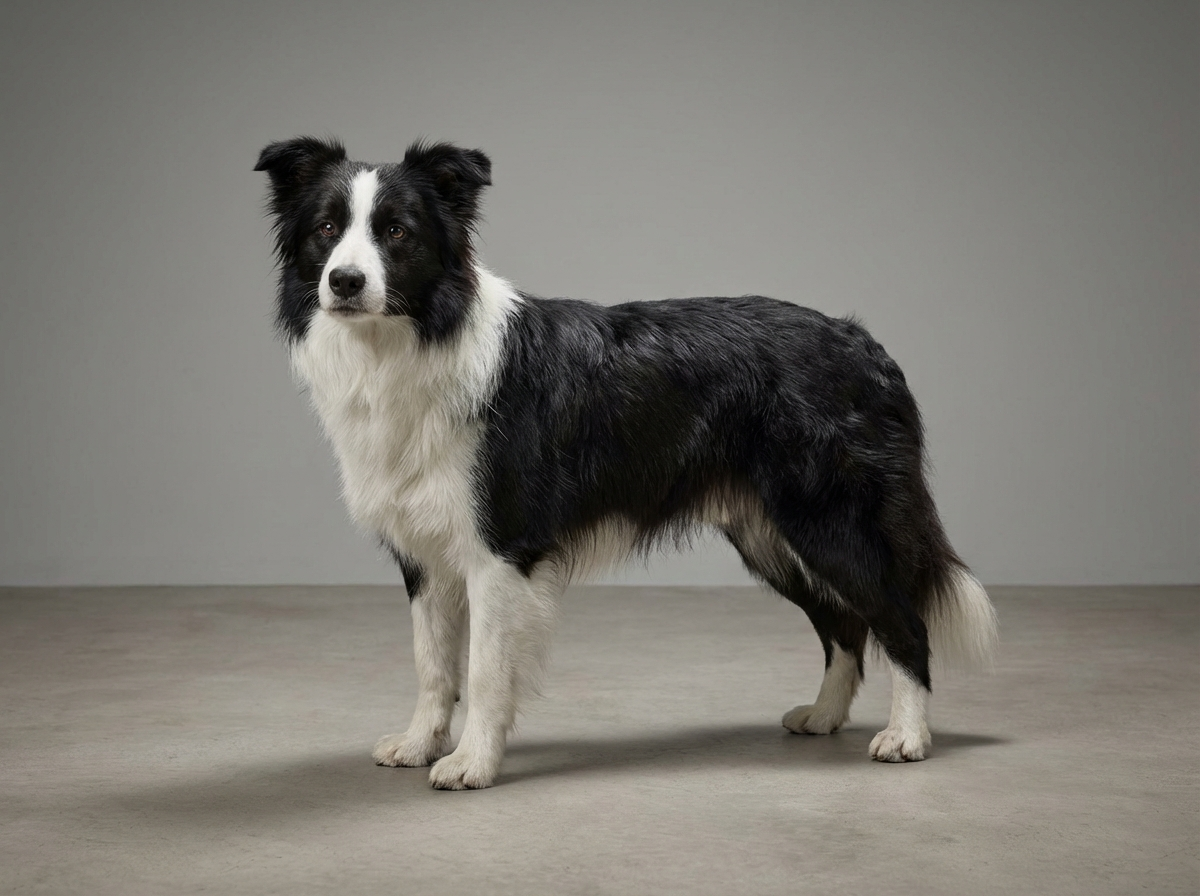
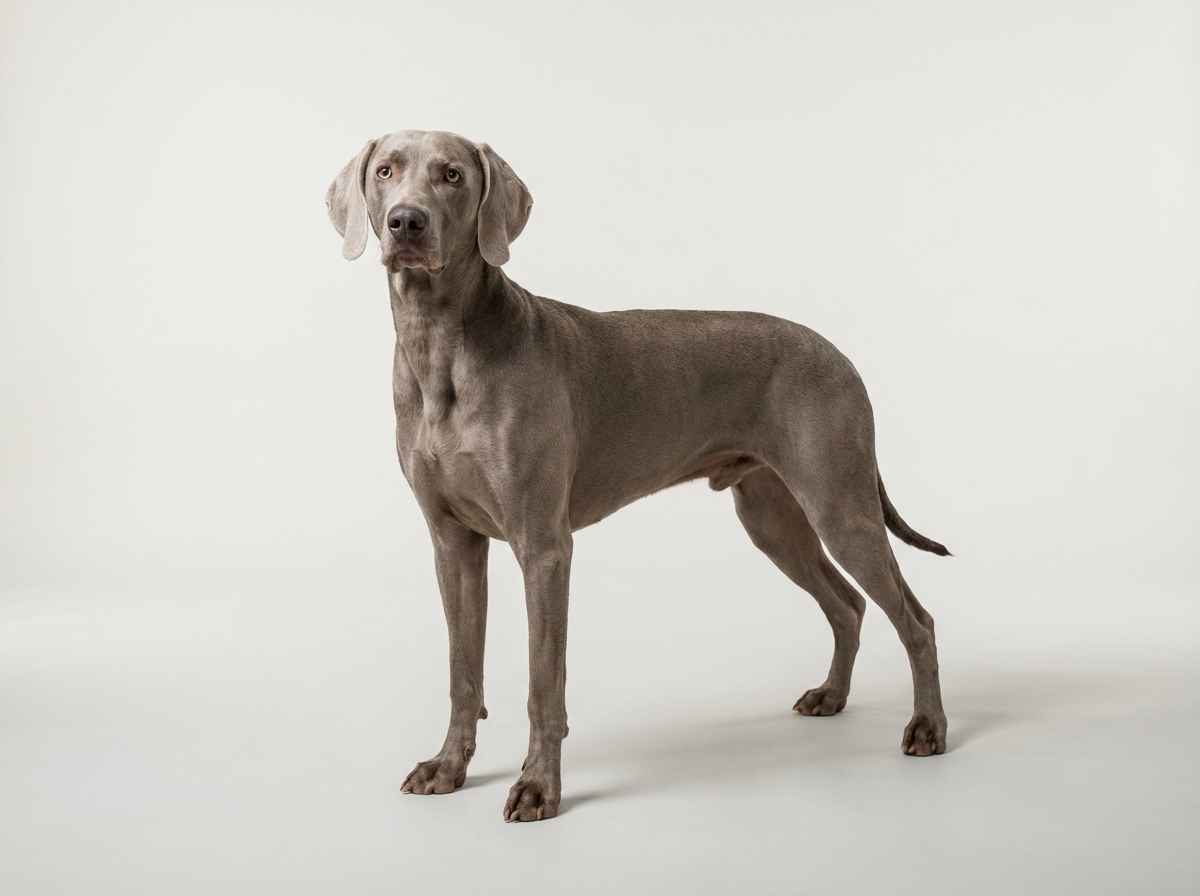
The Best Low Dander Dog Breeds for Allergy Sufferers
Are you searching for low dander dog breeds that can fit into your allergy-friendly lifestyle? This guide helps you find the perfect hypoallergenic companion without the sneezes!
This guide is perfect for families or individuals who love dogs but struggle with allergies. Whether you're a first-time dog owner or someone looking to adopt another pet, understanding which breeds produce less dander will help you make an informed choice. It’s especially helpful for those with asthma or other sensitivities, as well as busy people who prefer clean, low-maintenance pets.
Many people believe that all dogs are a problem for allergy sufferers, which is a common misconception. However, certain breeds are known for being allergy-friendly and can fit well into homes where dander is a concern. Recognizing the difference can make a significant impact on your quality of life, allowing you to enjoy the companionship of a dog without compromising your health.
Understanding Low Dander Dog Breeds
Low dander dog breeds are an essential consideration for many dog owners, especially those with allergies. People often think that pet fur is the main trigger for their allergy symptoms, but dander, which is tiny flakes of skin, is usually the real culprit. Understanding which breeds produce less dander can help allergy sufferers enjoy the companionship of a dog without compromising their health.
Why Choose Low Dander Dog Breeds?
For individuals with allergies, having a dog can feel like a dream and a nightmare at the same time. Low dander breeds, often referred to as hypoallergenic dogs, can alleviate some of this tension. These breeds are generally better suited for allergy sufferers because they produce fewer allergens, making them more allergy-friendly than others.
This means you can bond with your furry friend while keeping your allergy symptoms at bay.
The Best Low Dander Dog Breeds for Allergy Sufferers - Why Choose Low Dander Dog Breeds?
Popular Low Dander Breeds
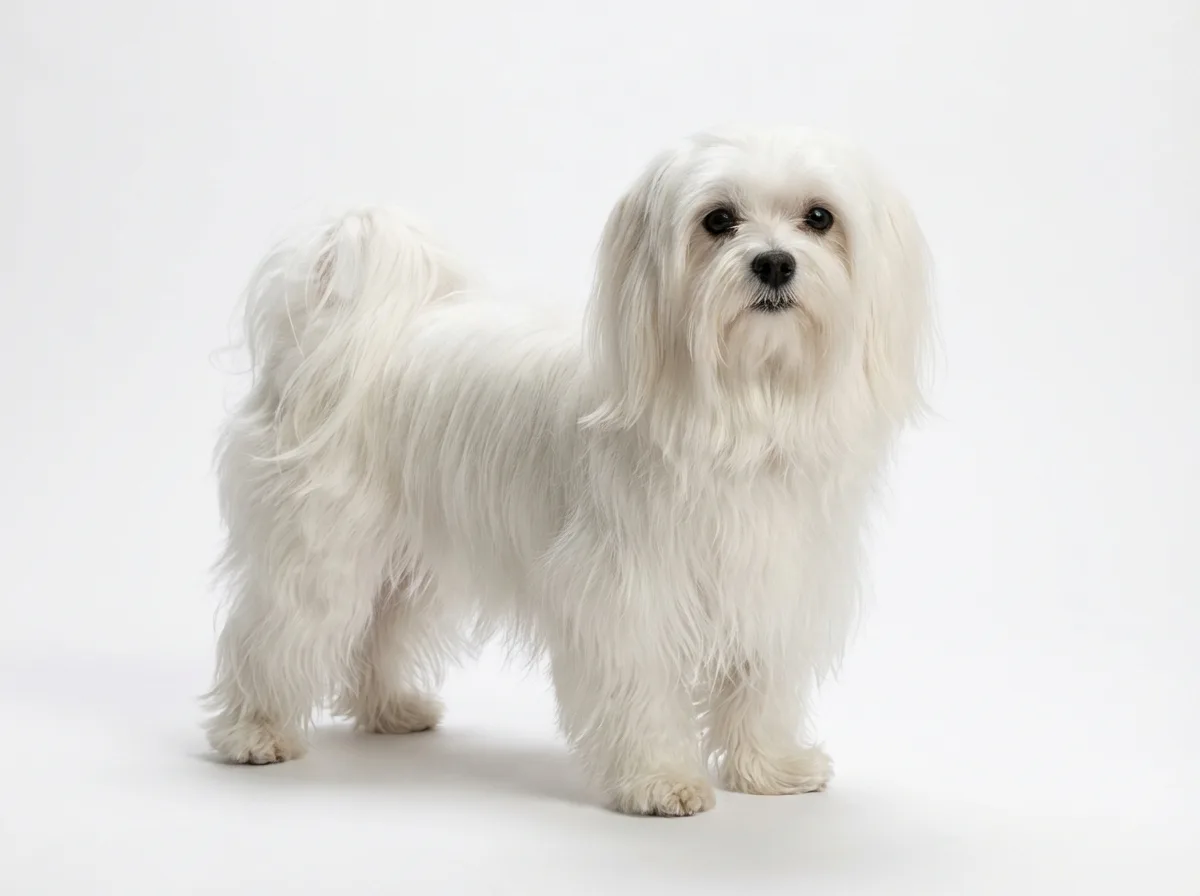
Some popular low dander dog breeds include Poodles, Schnauzers, and Maltese. These breeds are not only known for their low shedding but also for their intelligence and affectionate nature. Whether you're looking for a small lap dog or a more active companion, there's a low dander breed to fit your lifestyle.
The Best Low Dander Dog Breeds for Allergy Sufferers - Popular Low Dander Breeds
Poodle
Schnauzer
Maltese
Caring for Low Dander Dogs
Even with low dander breeds, regular grooming is crucial to minimize allergens. Bathing your dog regularly and using air purifiers in your home can help manage dander levels. It's also wise to consult with your vet to ensure you're following the best practices for both your health and your dog's well-being.
The Best Low Dander Dog Breeds for Allergy Sufferers - Caring for Low Dander Dogs
Steps to Choose Low Dander Dog Breeds
If you're looking for low dander dog breeds, follow this step-by-step guide to find the perfect hypoallergenic companion for you.
The Best Low Dander Dog Breeds for Allergy Sufferers - Steps to Choose Low Dander Dog Breeds
Step 1: Research Breeds
Step 2: Visit Local Shelters or Breeders
Step 3: Meet Potential Dogs
Step 4: Assess Your Living Environment
Step 5: Prepare Your Home
Step 6: Budget for Ownership Costs
Step 7: Consult Your Allergist
Why this helps
✓ Helps you make an informed decision.
✓ Increases the chances of finding a compatible dog.
✓ Ensures your home is suitable for a new pet.
Watch out for
! Research can be time-consuming.
! May require multiple visits to shelters or breeders.
! Finding the right dog might take longer than expected.
Detailed Steps Explained
Here's how to execute each step effectively.
The Best Low Dander Dog Breeds for Allergy Sufferers - Detailed Steps Explained
Step 1: Research Breeds
Start by researching breeds known for low dander. Look for hypoallergenic dogs like Poodles, Schnauzers, and Maltese. Focus on their traits and care needs to find a good match.
The Best Low Dander Dog Breeds for Allergy Sufferers - Step 1: Research Breeds
Step 2: Visit Local Shelters or Breeders
Next, visit local shelters or reputable breeders. Ask about their low dander dog breeds and get to know the dogs available for adoption. This can help you find a dog that fits your lifestyle.
The Best Low Dander Dog Breeds for Allergy Sufferers - Step 2: Visit Local Shelters or Breeders
Step 3: Meet Potential Dogs
Once you find potential dogs, spend time with them. Observe their behavior and how they interact with you. Pay attention to any allergic reactions you might have during these visits.
The Best Low Dander Dog Breeds for Allergy Sufferers - Step 3: Meet Potential Dogs
Step 4: Assess Your Living Environment
Assess your living environment to ensure it's dog-friendly. Check that you have enough space for the breed you're considering. Make sure your home can accommodate their exercise needs and comfort.
Bichon Frise - Step 4: Assess Your Living Environment
Step 5: Prepare Your Home
Prepare your home for a new dog. Purchase necessary supplies like food, a dog bed, and toys. Create a welcoming space to ease your new pet's transition.
The Best Low Dander Dog Breeds for Allergy Sufferers - Step 5: Prepare Your Home
Step 6: Budget for Ownership Costs
Budget for ownership costs, including food, grooming, and veterinary care. Low dander dogs may require specific grooming needs, which can affect your budget. Be realistic about ongoing expenses.
The Best Low Dander Dog Breeds for Allergy Sufferers - Step 6: Budget for Ownership Costs
Step 7: Consult Your Allergist
Lastly, consult with your allergist before bringing a dog home. They can provide personalized advice and may suggest allergy testing to ensure you're making a safe choice.
The Best Low Dander Dog Breeds for Allergy Sufferers - Step 7: Consult Your Allergist
Common Mistakes When Choosing Low Dander Dog Breeds
When selecting low dander dog breeds, many owners make mistakes that can lead to disappointment. Here are the most common pitfalls and why they can backfire.
Bichon Frise - Common Mistakes When Choosing Low Dander Dog Breeds
Ignoring Individual Allergies: Not all hypoallergenic dogs are suitable for every allergy sufferer. It's crucial to spend time with a breed before bringing one home to see how your allergies react.
Assuming All Low Dander Breeds Are Non-Shedding: Many people think that low dander dogs don’t shed at all. However, breeds like Poodles and Schnauzers still lose hair, though it's less noticeable, and this can still trigger allergies.
Neglecting Grooming Needs: Owners often underestimate the grooming required for low dander breeds. Regular grooming is essential to minimize dander buildup, and neglecting this can worsen allergy symptoms.
Overlooking Lifestyle Compatibility: Some low dander breeds, like the Maltese, require a lot of attention and exercise. Choosing a breed without considering your lifestyle may lead to behavior problems and increased stress for both you and the dog.
Relying Only on Breed Characteristics: People often assume that all dogs of a low dander breed will have the same characteristics. Each dog has its personality, and some may produce more dander than others, leading to unexpected allergic reactions.
Failing to Prepare the Home: Many new owners don’t take steps to make their homes allergy-friendly. Using air purifiers and keeping living spaces clean can greatly help manage dander levels.
Not Consulting with Experts: Some people skip talking to breeders or veterinarians about low dander breeds. Getting expert advice can help avoid costly mistakes and ensure a better match for allergy sufferers.
Common Myths About Low Dander Dog Breeds
There are several myths surrounding low dander dog breeds that can confuse potential pet owners. Let’s set the record straight with some facts that debunk these misconceptions.
Bichon Frise - Common Myths About Low Dander Dog Breeds
Myth: All hypoallergenic dogs are completely free of dander.
Fact: No dog is entirely hypoallergenic. Low dander dog breeds produce less dander, which can help allergy sufferers, but they still have some dander.
Myth: Non-shedding dogs don't create allergies.
Fact: Non-shedding dogs can still produce allergens. Allergies are often caused by proteins found in dander, saliva, and urine, not just fur.
Myth: Low dander breeds are always small dogs.
Fact: Many low dander dog breeds come in various sizes. Breeds like Standard Poodles and Schnauzers can be larger, yet still produce less dander.
Myth: You can't be allergic if you own a low dander dog.
Fact: While low dander dogs are better for allergy sufferers, it's still possible to have allergic reactions. Individual sensitivities vary.
Myth: All low dander dogs are easy to train and maintain.
Fact: Training and care depend on the breed and individual dog. Some low dander breeds may require more effort than others.
Advanced Tips for Choosing Low Dander Dog Breeds
1. Research Specific Breeds Thoroughly: While many people think of poodles and schnauzers as low dander options, each breed can vary significantly in terms of dander production. Look into detailed breed characteristics and talk to breeders or owners to get a sense of individual dogs' tendencies.
2. Meet Before You Commit: It's essential to interact with a potential pet before adopting. Spend time with the dog in a controlled environment to observe any allergy reactions.
This can help you confirm if the low dander claim holds true for you.
3. Consider Lifestyle Compatibility: Even within the realm of hypoallergenic dogs, some breeds are more active than others. Think about your lifestyle—an active family may prefer a lively breed, while a quieter household might do better with a more laid-back dog.
4. Regular Grooming is Key: Even low dander breeds require grooming to minimize allergens. Invest in high-quality grooming tools or consider professional grooming services.
Regular baths can help keep dander levels down, so make this a part of your routine.
5. Create an Allergy-Friendly Environment: Beyond the dog itself, maintain a clean home to reduce allergy symptoms. Use air purifiers, vacuum with HEPA filters, and wash your dog's bedding frequently.
This can significantly improve air quality and overall comfort for allergy sufferers.
6. Opt for Non-Shedding Dogs: Many low dander breeds are also non-shedding, which can help keep your home cleaner. Breeds like the Maltese are known for this trait.
However, remember that no dog is completely hypoallergenic.
7. Consult with Allergists: If you have severe allergies, consult with a medical professional. They can provide tailored advice and may suggest allergy shots or medications to help you manage symptoms effectively while enjoying your new companion.
By following these advanced tips, you can make a more informed decision when selecting low dander dog breeds. The right preparation and knowledge will help create a harmonious relationship with your new furry friend.
Bichon Frise - Advanced Tips for Choosing Low Dander Dog Breeds
Practical considerations for Choosing Low Dander Dog Breeds
Finding the perfect low dander dog breed involves more than just picking a hypoallergenic breed. Here are some insider tips to help you navigate your options and ensure a good fit for your lifestyle and health.
Bichon Frise - Practical considerations for Choosing Low Dander Dog Breeds
Look for breeds with hair instead of fur: Breeds like Poodles and Schnauzers have hair that grows continuously, which helps reduce dander compared to traditional fur.
Consider grooming frequency: Regular grooming can significantly minimize dander. Breeds that require frequent grooming, like the Maltese, often have less dander buildup in your home.
Evaluate your home environment: Certain breeds may do better in homes with hard surfaces instead of carpets, as carpets can trap dander. Consider a breed that adapts well to your living space.
Know your triggers: If you're allergic to specific dog breeds, spend time around them before making a decision. This can help identify how your allergies react to different low dander dogs.
Don't overlook mixed breeds: Mixed breeds can inherit hypoallergenic traits from their parents. Check local shelters for low dander dogs that may not be purebreds but still have those desirable characteristics.
Why this helps
✓ Choosing low dander breeds can greatly reduce allergy symptoms for sensitive individuals.
✓ Grooming often leads to a cleaner home environment, reducing overall allergens.
✓ Understanding your triggers can help tailor your choice to what truly works for you.
Watch out for
! Some low dander breeds may still produce allergens; no dog is completely hypoallergenic.
! High grooming needs can lead to increased costs and time commitments.
! Finding the right mix of breed traits may take time and patience.
Low Dander Dog Breeds Checklist
Use this checklist to help you choose the right low dander dog breed for your home. These steps will guide you in finding an allergy-safe pet that fits your lifestyle.
Shih Tzu - Low Dander Dog Breeds Checklist
Research hypoallergenic breeds like Poodles, Schnauzers, and Maltese.
Consider your lifestyle and space when choosing a breed.
Consult with an allergist or veterinarian about dander concerns.
Visit breeders or shelters to meet the dogs in person.
Ask about grooming needs and maintenance for the breed.
Evaluate the dog's temperament and energy levels.
Look for non-shedding characteristics in the breed.
Consider adopting from a shelter that specializes in low dander dogs.
Prepare your home with air purifiers and regular cleaning routines.
Have a plan for managing allergy symptoms if they arise.
Why this helps
✓ Helps minimize allergic reactions in sensitive individuals.
✓ Many low dander breeds are also friendly and good with families.
✓ Adopting a low dander dog can improve your overall quality of life.
Watch out for
! Some hypoallergenic breeds may require regular grooming.
! Not all low dander dogs are completely free of allergens.
! Finding a specific breed may take time and effort.
Frequently asked questions
Which dogs have least dander?
Low dander dog breeds include Poodles, Schnauzers, and Maltese. These breeds are known for producing less dander and are often more suitable for allergy sufferers. Keep in mind that no dog is completely hypoallergenic, but these breeds can help minimize reactions.
Is dander or fur the problem?
Dander is the primary culprit for allergic reactions, not just dog fur. Dander consists of tiny flakes of skin that dogs shed, which can trigger allergies in sensitive individuals. While low shedding breeds can help, focusing on low dander breeds is key for allergy management.
Best low dander dogs for asthma?
For asthma sufferers, breeds like the Poodle and Schnauzer are often recommended due to their low dander production. Other breeds such as the Maltese and Bichon Frise can also be good choices. Always spend time with a breed before committing to ensure compatibility with your health needs.
Are there completely hypoallergenic dogs?
No dog is entirely hypoallergenic, as all dogs produce some level of dander. However, some breeds, like the ones mentioned, are known to produce significantly less, making them better options for allergy sufferers. It's best to consult with a breeder or shelter about specific breeds.
How can I reduce dander in my home?
To reduce dander, regular grooming and cleaning can help significantly. Bathing your dog often, vacuuming frequently, and using air purifiers can also minimize allergens in your environment. Additionally, keeping your dog's living area clean is crucial for managing dander levels.
Is dander or fur the problem for allergies?
Dander is often the main culprit for allergies, not just fur. When dogs shed skin flakes, they release proteins that can trigger allergic reactions. Opting for low dander dog breeds can help minimize these reactions.
What are the best low dander dogs for asthma sufferers?
Asthma sufferers may find hypoallergenic breeds like Poodles and Bichon Frises to be suitable companions. These breeds produce less dander and are often considered allergy-safe pets. Always consult with your doctor before bringing a dog home.
Are there any non-shedding dogs that are low dander?
Yes, many non-shedding dogs also fall into the low dander category. Breeds like the Maltese and Shih Tzu are known for their minimal shedding and reduced allergenic properties. They can be great companions for allergy sufferers.
How often should I groom low dander dog breeds?
Regular grooming is essential for low dander dog breeds to keep their coats clean and healthy. Depending on the breed, you may need to brush them weekly or even more frequently. This helps reduce dander build-up and keeps your home cleaner.
Can I train a low dander dog to be cleaner indoors?
Yes, training a low dander dog to maintain cleanliness indoors is possible. Consistent training and positive reinforcement can encourage them to minimize messes. Establishing a routine for bathroom breaks and grooming can help achieve this.
What is the cost of caring for low dander dog breeds?
Caring for low dander dog breeds can be similar in cost to other breeds. Regular grooming, vet check-ups, and quality food are essential expenses. On average, expect to spend around $500 to $1,000 annually on these dogs, but costs can vary.
Low dander dogs are breeds that produce less dander, making them more suitable for allergy sufferers.
Living
What are allergy safe breeds?
Allergy safe breeds are dogs like Poodles and Schnauzers that are known for their low dander production.
Living
What are clean pets?
Clean pets are those that shed less fur and dander, making them easier on allergy-prone owners.
Living
Which dogs have least dander?
Low dander dog breeds include Poodles, Schnauzers, and Maltese. These breeds are often better for allergy sufferers.
Health
Is dander or fur the problem?
Dander, which consists of tiny skin flakes, is often more problematic than fur for those with allergies. Choosing low dander breeds can help alleviate issues.
This guide is not medical advice. If your dog shows pain, sudden behavior change, or worsening symptoms, consult a licensed veterinarian.
Some links may be affiliate links. We may earn a commission at no extra cost to you. We only suggest products we believe are helpful for dog owners.
We research and check what we publish, but we do not warrant that any figure, date, price, or statement is accurate, complete, or current, and we accept no liability for any loss, cost, injury, or other harm arising from the use of this site. Use it as one reference among several. You remain responsible for your own decisions and for your dog's care - confirm anything that matters with a licensed veterinarian or another qualified professional before you act on it. Full disclaimer.
Want more tailored help?
Take the Lifestyle Match quiz to see which breeds and guides best fit your day-to-day life.