Location-Specific: "Best Dogs for [State/Climate]: Location-Specific: Best Dogs for Your State and Climate
Choosing the right dog for your state and climate can make a huge difference in your pet's happiness and health. This guide helps you find the best dog breeds suited for your local environment. (Location-Specific: "Best Dogs for [State/Climate])
Understanding Location-Specific Best Dogs for Your State and Climate – Location-Specific: "Best Dogs for [State/Climate]
Choosing the right dog breed for your specific location and climate is crucial for both your comfort and your dog's well-being. This guide focuses on the "Location-Specific: Best Dogs for [State/Climate]" concept, helping you understand how various factors influence the best dog choices. Many dog owners overlook how their unique environment impacts their pet's happiness and health.
When selecting a dog breed, consider your local climate. For example, breeds with thick fur may thrive in colder areas, while those with shorter coats might be better suited for warmer climates. Additionally, factors like humidity, rainfall, and seasonal changes can affect how well a breed adapts to your home. Understanding these elements can help you choose a dog that not only fits your lifestyle but also thrives in your environment.
In this guide, we will explore everything you need to know about location-specific best dogs for state climate. From understanding which breeds excel in different weather conditions to tips on how to care for them in your specific location, we will cover it all. You will learn why some breeds are more suited for particular states and climates, ensuring that you make an informed decision when adding a furry friend to your family.
We'll also provide insights on how to prepare for your dog's needs based on your geographic area. Different terrains and living situations, like urban versus rural environments, can also play a significant role in your dog’s happiness. For instance, city dwellers might prefer smaller, more adaptable breeds, while those in rural areas might enjoy having larger, more active dogs that require more space to roam.
Ultimately, this guide aims to equip you with the knowledge necessary to select a dog that complements your environment and lifestyle. A well-matched dog can lead to a happier home for both you and your pet. By focusing on location-specific best dogs, you can ensure a satisfying and enduring companionship, tailored to your unique living situation and climate conditions.

Step-by-Step Plan for Choosing Location-Specific Best Dogs
Selecting the best dog for your location and climate involves several important steps. Follow this guide to ensure you make an informed choice for your future furry friend.
- 1. Assess Your Climate: Understand the temperature and weather patterns in your state. Consider if you experience extreme heat, cold, humidity, or dry conditions.
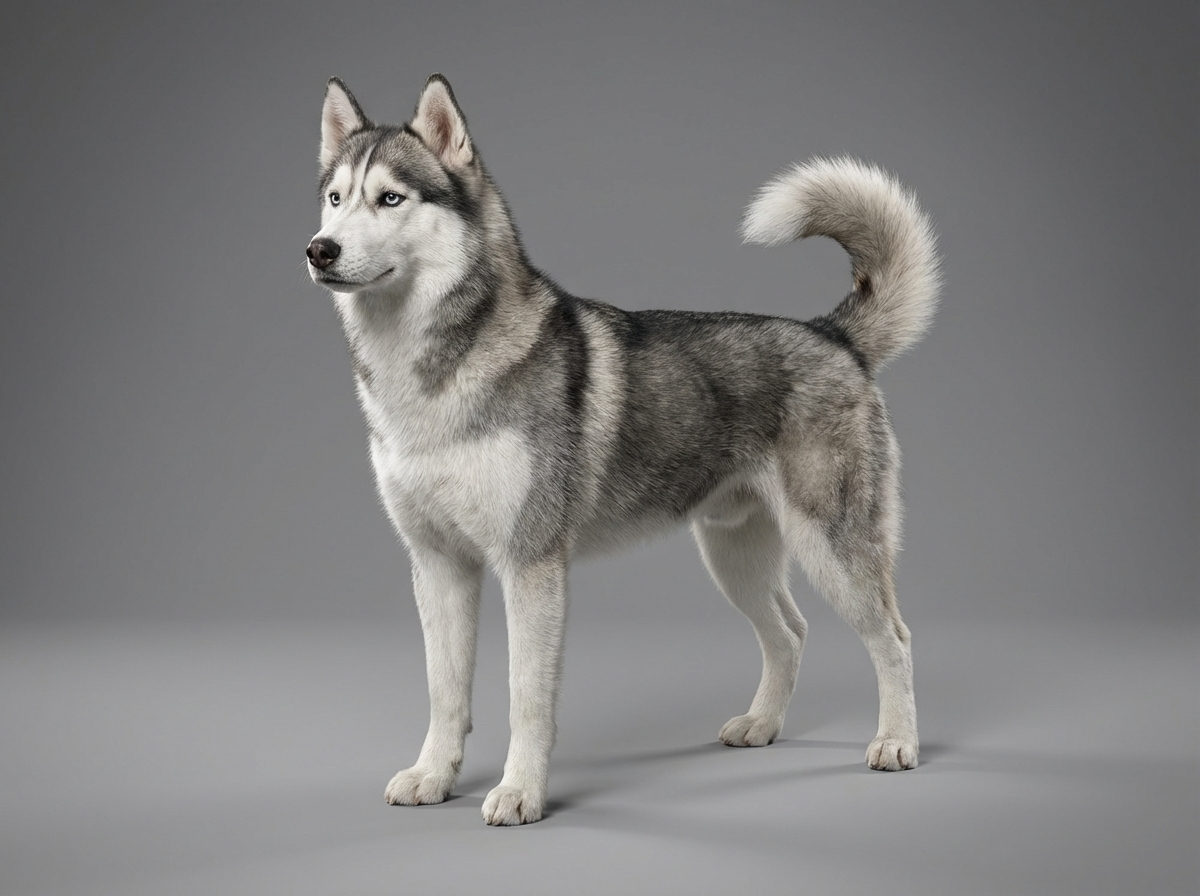
- 2. Research Suitable Breeds: Look for dog breeds that thrive in your climate. For hot areas, breeds like the Basenji or Chihuahua may do well. For colder climates, consider breeds like the Siberian Husky or Saint Bernard.
- 3. Consider Your Living Situation: Evaluate your home environment. Do you have a large yard, or live in a small apartment? Some breeds require more space and exercise than others.
- 4. Evaluate Your Activity Level: Think about your lifestyle. Active individuals may prefer dogs that require lots of exercise, like Border Collies, while those with a more relaxed routine may choose low-energy breeds like Bulldogs.
- 5. Check Local Regulations: Be aware of any breed restrictions or local laws regarding pet ownership in your area. Some regions may have specific rules that impact your choices.
- 6. Visit Local Shelters and Breeders: Once you have a shortlist of breeds, visit local shelters and reputable breeders. Spend time with different dogs to see which ones fit your personality and lifestyle.
- 7. Talk to Dog Owners: Connect with dog owners in your area. They can provide insights into how their dogs adapt to the local climate and any challenges they face.
- 8. Prepare Your Home: Once you've chosen a breed, make necessary adjustments in your home. Ensure you have a comfortable space, appropriate food, and toys for your new dog.
- 9. Plan for Training: Consider enrolling in training classes or finding resources for training your new dog. This is crucial for ensuring a happy and well-adjusted pet.
- 10. Keep an Open Mind: Remember that every dog is an individual. Be flexible and open to adjusting your expectations based on the personality and needs of your new furry friend.
Common Mistakes in Choosing Location-Specific Dogs
When selecting a dog breed based on your location and climate, many owners make mistakes that can lead to frustration for both them and their pets. Here are some common pitfalls to avoid.
- Ignoring Climate Compatibility
- Underestimating Space Requirements
- Neglecting Exercise Needs
- Overlooking Local Laws and Regulations
- Choosing Based on Popularity Instead of Compatibility
- Forgetting About Seasonal Needs
Myths vs. Facts About Location-Specific Best Dogs for State Climate
When choosing a dog breed for your specific location, there are common myths that can lead to poor decisions. Here are some myths debunked with the facts.
- Myth: All dogs can adapt to any climate.
- Fact: Different breeds have specific needs regarding temperature and humidity. For example, Huskies thrive in cold environments, while breeds like Bulldogs may struggle in hot weather.
- Myth: Size is the only factor that matters in choosing a dog for your space.
- Fact: While size influences how much room a dog needs, temperament and energy levels are equally important. For instance, a small breed like a Chihuahua may be high-energy and require more activity than a larger, calmer breed.
- Myth: Any dog can live happily in an apartment.
- Fact: Some breeds are better suited for apartment living than others. Breeds like the Great Dane may be large, but they can be surprisingly calm indoors, while high-energy dogs like Border Collies may require more space and exercise.
- Myth: Location-specific dog breeds are only for experienced owners.
- Fact: While some breeds may require more training or socialization, many are suitable for beginners. Understanding the breed's needs can help new owners choose wisely.
- Myth: Dogs do not care about the weather.
- Fact: Dogs can be sensitive to extreme temperatures. Breeds like the Dachshund may struggle in heat, while those with thick coats, like the Saint Bernard, are better suited for colder climates.
Advanced Tips for Choosing Location-Specific Best Dogs
When selecting the best dog for your specific location and climate, consider these advanced strategies to ensure a good match for your lifestyle and environment.
- Research Local Dog Breeds: Investigate breeds that are popular in your area. Local dog clubs or shelters can provide insights on what works best in your climate.
- Consider Seasonal Changes: Evaluate how different breeds handle seasonal variations. For instance, a breed that thrives in colder weather may struggle in hot, humid climates.
- Explore Hybrid Breeds: Look into mixed breeds or hybrids that may have the best traits of both parents suited to your environment.
- Evaluate Energy Levels: Some breeds require more exercise and mental stimulation, which can be challenging in extreme weather conditions. Consider your activity level and the dog’s needs.
- Seek Local Expertise: Connect with local veterinarians or dog trainers who understand the unique requirements of dogs in your area.
Insider Secrets for Choosing Location-Specific Best Dogs
Navigating the best dog choices for your location can be tricky. Here are some insider secrets to help you make the right decision based on your state or climate. These tips will ensure you find a dog that thrives in your environment, making both you and your pup happier.
- Consider the humidity levels: Dogs like the Labrador Retriever do well in humid areas, while breeds like the Alaskan Malamute prefer drier climates.
- Research local breed popularity: Certain breeds may have been bred or adapted to thrive in your specific area. Local dog clubs can provide insights.
- Adapt training and exercise routines to the climate: Breeds that require a lot of exercise might need early morning walks in hot climates, while others may thrive with less activity in cooler weather.
- Be mindful of seasonal allergies in your area: Some breeds are more prone to allergies, so knowing your local flora can help you choose wisely.
- Consult with local veterinarians or trainers: They can provide invaluable advice on breeds that are likely to be healthy and happy in your specific location.
Your Location-Specific Dog Selection Checklist
Use this checklist to find the best dog for your state and climate. Consider your environment, lifestyle, and the specific needs of various breeds to make an informed choice.
- Research local climate conditions and seasonal changes.
- Identify dog breeds that thrive in your state’s weather.
- Consider your living situation (apartment, house with yard, etc.).
- Assess your activity level and how much exercise you can provide.
- Evaluate any breed-specific regulations or restrictions in your area.
- Think about grooming needs based on climate (long-haired vs. short-haired).
- Check for breed availability at local shelters or breeders.
- Consider potential health issues associated with breeds in your climate.
Frequently asked questions
What do I need to know about location specific best dogs for state climate?
Choosing the best dogs for your state climate involves understanding the local weather conditions and how they affect breeds. Some dogs thrive in cooler climates, while others do better in warmer environments. Additionally, considering factors like humidity, rainfall, and outdoor space is crucial. This answer relates to Location-Specific: "Best Dogs for [State/Climate].
Is location specific best dogs for state climate good for beginners?
Yes, a location-specific approach can be very helpful for beginners. It helps new dog owners select breeds that are more likely to adapt well to their environment, reducing potential challenges. This way, you can find a dog that fits both your lifestyle and the climate.
How does location specific best dogs for state climate work?
This concept works by matching dog breeds to specific climate conditions. For instance, breeds with thick coats are suited for colder climates, while breeds with shorter hair may be better for warmer areas. It ensures that your dog is comfortable and healthy in its environment.
What are some tips for choosing dogs based on location and climate?
When selecting a dog based on location, consider the breed's coat type, energy level, and exercise needs. Research breeds that are known to thrive in your state’s climate. Additionally, think about your living situation and how much outdoor time your dog will get.
Can my dog adapt to a different climate?
Dogs can adapt to some extent, but it varies by breed. Some dogs may struggle with drastic temperature changes, while others can adapt more easily. If you move to a new climate, monitor your dog for signs of discomfort and consult a vet if necessary.
What factors should I consider when choosing dogs for my specific location?
When selecting a dog for your state or climate, consider temperature extremes, humidity levels, and the amount of space you have. For instance, breeds that flourish in cooler climates might struggle in hot, humid areas. Always assess your lifestyle and environment.
Are there specific dog breeds that adapt better to colder climates?
Yes, breeds like Siberian Huskies and Alaskan Malamutes are well-suited for cold climates due to their thick fur and natural stamina. However, even these breeds need proper care and attention to thrive in extreme weather.
Can I find a dog that fits both my location and my lifestyle?
Absolutely! It's crucial to match a dog's needs with your lifestyle. For example, active families in suburban areas might enjoy high-energy breeds that require regular exercise, while apartment dwellers may prefer smaller, lower-energy dogs that adapt well to smaller spaces.
Is there a specific breed that is ideal for hot climates?
Breeds like the Basenji and Chihuahua tend to fare well in warmer climates. They have short coats and lower exercise requirements, making them more comfortable in heat. Always ensure they have plenty of water and shade.
What should I do if I live in an area with extreme weather changes?
If your location experiences drastic weather shifts, consider breeds that can adapt well to varying conditions. Additionally, provide shelter and climate control options for your dog to keep them comfortable throughout the year.
Are there any resources for finding the best dog breeds for my specific climate?
Yes! You can find guides and tools online that help match dog breeds to specific climates. Local shelters and breed rescue organizations can also provide insights into what breeds thrive in your area.
How do I know if a breed is good for beginners in my location?
Beginner-friendly breeds often have a temperament that is easier to manage, even in challenging climates. Look for breeds known for their adaptability and trainability, such as Golden Retrievers or Labrador Retrievers. Researching local breed traits can also be beneficial.