What are the best quiet dogs for indoors?
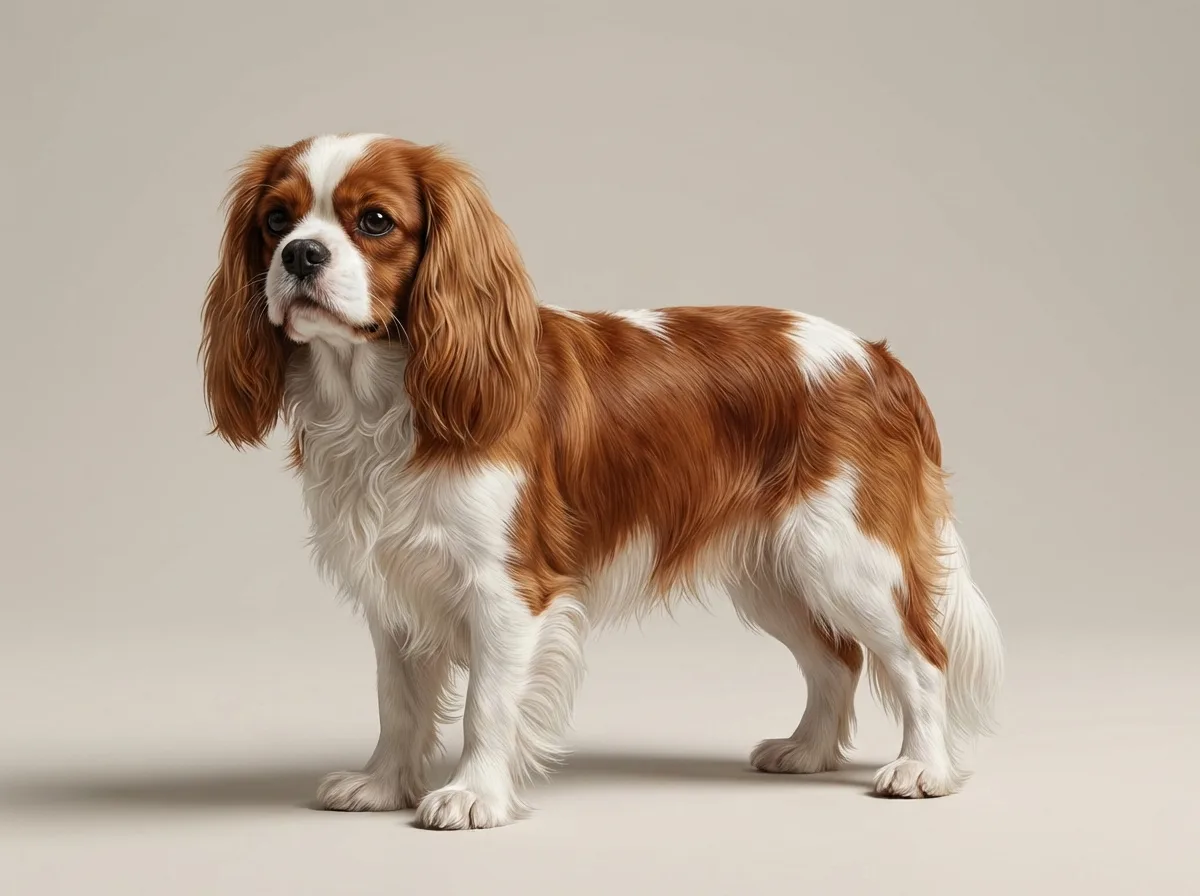
Some of the best indoor dogs that don’t bark much include breeds like the Cavalier King Charles Spaniel, Japanese Chin, and Italian Greyhound. These breeds are known for their calm demeanor and minimal barking, making them perfect for quiet living situations. They are also affectionate and enjoy spending time with their families.
What small dogs don’t bark much?
Small dogs that don’t bark much include the French Bulldog, Shih Tzu, and Bichon Frise. These breeds are generally quieter and can adapt well to apartment living. However, training and socialization are essential to ensure they remain calm and well-behaved.
Are there silent dogs for shared walls?
Yes, several breeds are suitable for living in shared wall environments, such as the Basenji, which is known as the 'barkless dog.' Other good options include the Cavalier King Charles Spaniel and the Italian Greyhound, both of which tend to be quieter. However, individual temperament can vary, so it's important to meet the dog before deciding.
What characteristics make a dog suitable for indoor living?
Dogs that are suitable for indoor living typically have calm temperaments, lower energy levels, and are less prone to barking. Breeds that are smaller or have lower exercise needs tend to adapt better to indoor life. Proper training and regular mental stimulation can also help keep these dogs happy and quiet.
How can I train my dog to be quieter indoors?
Training your dog to be quieter indoors involves positive reinforcement techniques. Reward your dog for calm behavior and avoid rewarding barking with attention. Consistent training sessions that focus on commands like 'quiet' can help reinforce the desired behavior over time.
What are the best quiet dog breeds for small apartments?
Some of the best quiet dog breeds for small apartments include the Cavalier King Charles Spaniel, Japanese Chin, and Italian Greyhound. These breeds are known for their calm demeanor and low barking tendencies, making them ideal for shared living spaces. Always consider the individual dog's personality, as some may be more vocal than others.
Are there any silent dog breeds suitable for families?
Yes, several silent dog breeds are suitable for families. Breeds like the Basenji and Shiba Inu are known for their quiet nature. However, it's essential to socialize and train them properly to ensure they fit well into family life.
How do I train my dog to bark less indoors?
Training your dog to bark less indoors can be achieved through consistent commands and positive reinforcement. Start by identifying the triggers for barking and redirecting their attention with toys or treats. Patience is key, as it may take time for your dog to adjust.
What low noise breeds are good for seniors?
Low noise breeds that are great for seniors include the Basset Hound and the French Bulldog. These breeds tend to be laid-back and require less exercise, making them perfect companions for older adults. Always consider the energy levels and care needs when choosing a breed.
Can I find quiet dogs in shelters?
Yes, many quiet dogs can be found in shelters. When visiting, ask the staff about dogs that have calm temperaments and tend to bark less. Shelters often have a variety of breeds, so you may find the perfect quiet companion for your home.
What should I do if my dog starts barking more as they age?
If your dog starts barking more as they age, it may be due to changes in their environment or health issues. Consult with a veterinarian to rule out any medical concerns and consider behavioral training to address excessive barking. Understanding the reasons behind the barking is crucial for finding a solution.
Are there specific quiet indoor dogs that also do well with children?
Yes, some quiet indoor dogs like the Cavalier King Charles Spaniel and the Shih Tzu are known to be good with children. These breeds are typically friendly and patient, making them suitable companions for families. Supervision and early socialization are important to ensure a good match.