Guide

Hypoallergenic Dog Breeds: Find Your Perfect Match

Are you looking for a dog that won't trigger your allergies? This guide will help you explore the best hypoallergenic dog breeds that suit your lifestyle.

Understanding Hypoallergenic Dog Breeds

Hypoallergenic dog breeds are those that are less likely to trigger allergic reactions in sensitive individuals. This matters greatly for dog owners who suffer from allergies but still wish to enjoy the companionship of a furry friend. Understanding hypoallergenic breeds can help you make informed choices about which dogs might fit best into your family without causing discomfort or health issues.

Many people are surprised to learn that no dog is completely hypoallergenic. However, certain breeds produce fewer allergens than others. These dogs often have hair instead of fur, which helps reduce shedding and dander—two common triggers for allergies. For those searching for allergy-friendly dogs, knowing which breeds fall into this category is essential.

When considering hypoallergenic dog breeds, it’s also important to think about lifestyle and living conditions. For example, if you have young children or live in a small apartment, some breeds may be better suited to your environment than others. Additionally, non-shedding pets can be lower maintenance in terms of grooming, but they may require more frequent professional grooming to keep their coats healthy. This trade-off can be crucial for busy families or individuals.

In this guide, we'll explore a list of hypoallergenic dogs, discuss their characteristics, and provide tips on how to choose the best breed for your situation. We’ll also address common questions like “Are any dogs truly hypoallergenic?” and “What’s the best hypoallergenic family dog?” By the end of this guide, you should feel empowered to make a decision that balances your desire for a dog with your health needs.

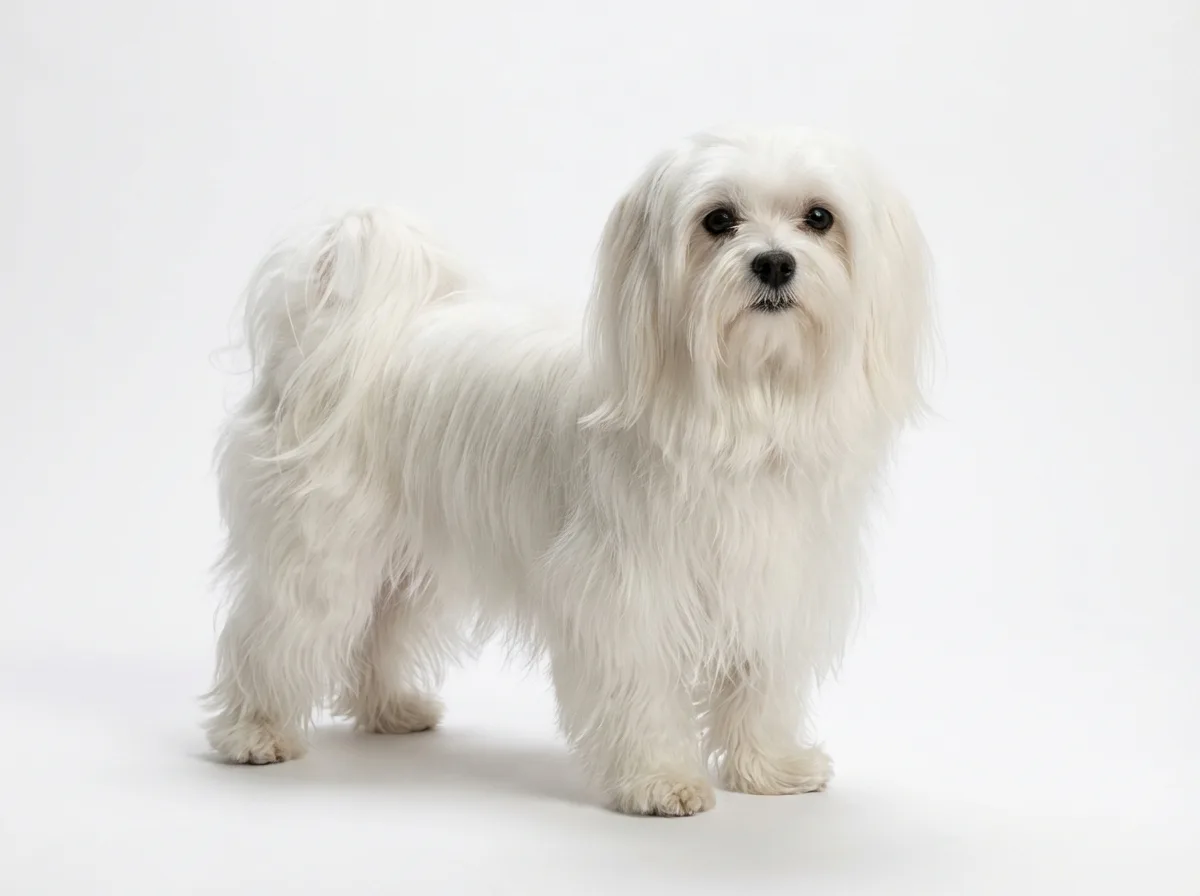
Finding the right dog can be a journey. It's about matching a breed's qualities with your lifestyle. Certain breeds like Poodles, Schnauzers, and Maltese are often recommended for allergy sufferers. They tend to produce less dander and are known for their friendly demeanor, making them popular choices. However, be prepared for grooming costs and time, which can vary significantly from breed to breed.

Ultimately, a hypoallergenic dog breed could be your best bet if you have allergies but want to welcome a dog into your life. The right breed can bring joy and companionship while minimizing allergy triggers. So let’s dive into the world of hypoallergenic dog breeds and find the perfect match for you!

Your Step-by-Step Guide to Choosing Hypoallergenic Dog Breeds

Finding the right hypoallergenic dog breeds can be a game-changer for allergy sufferers. Follow these steps to choose a furry friend that fits your lifestyle and minimizes allergy issues.

Common Mistakes When Choosing Hypoallergenic Dog Breeds

Selecting a hypoallergenic dog breed requires careful consideration. Many prospective owners make mistakes that can lead to disappointment or allergy flare-ups. Here are some common pitfalls to avoid.

Common Myths About Hypoallergenic Dog Breeds

Many people believe certain myths about hypoallergenic dog breeds. Let's debunk these misconceptions with facts. Understanding the truth can help you choose the right pet, especially if allergies are a concern.

Advanced Tips for Choosing Hypoallergenic Dog Breeds

If you're ready to dive deeper into the world of hypoallergenic dog breeds, these advanced tips can help you make an informed decision and ensure a great fit for your lifestyle.

Insider Secrets for Choosing Hypoallergenic Dog Breeds

Selecting the right hypoallergenic dog breed involves more than just picking a breed that claims to be 'hypoallergenic.' Here are some insider secrets to ensure you make the best choice for your allergy-friendly needs.

Checklist for Choosing Hypoallergenic Dog Breeds

This checklist will help you navigate the decision to bring a hypoallergenic dog into your home. Follow these steps to ensure you choose the right breed for your allergy-friendly lifestyle.

Frequently asked questions

What are hypoallergenic dog breeds?

Hypoallergenic dog breeds are those that are less likely to trigger allergic reactions in sensitive individuals. They typically produce fewer allergens, such as dander, saliva, and urine. Popular hypoallergenic breeds include Poodles, Schnauzers, and Maltese.

Are any dogs truly hypoallergenic?

No dog is completely hypoallergenic, but some breeds are better suited for allergy sufferers. These breeds often have hair instead of fur, which reduces shedding and dander. It's important to spend time with a breed before bringing one home to see how your allergies react.

What is the best hypoallergenic family dog?

The best hypoallergenic family dog depends on your family's lifestyle and preferences. Breeds like Poodles and Schnauzers are known for their friendly temperaments and adaptability. Additionally, they are less likely to cause allergies, making them great companions for families with allergy concerns.

Can hypoallergenic dogs still cause allergies?

Yes, hypoallergenic dogs can still cause allergies, though they may be less severe. Allergies are often triggered by proteins found in dog saliva, urine, and skin. Regular grooming and cleaning can help minimize allergens in your home.

What is a list of hypoallergenic dogs?

Some common hypoallergenic dog breeds include Poodles, Bichon Frises, Maltese, and Schnauzers. These breeds are known for their low-shedding coats and reduced production of allergens. Researching and spending time with these breeds can help you find the right fit for your family.

What are the best hypoallergenic dog breeds for families?

Some of the best hypoallergenic dog breeds for families include Poodles, Schnauzers, and Maltese. These breeds tend to have less dander and shed less hair, making them more allergy-friendly. Always consider your family's lifestyle and space before choosing the right breed.

Are there any small hypoallergenic dog breeds?

Yes, there are several small hypoallergenic dog breeds, such as the Bichon Frise and the Shih Tzu. These breeds are not only cute but also produce less dander and hair, which can help minimize allergy symptoms. They can be great companions for those living in smaller spaces.

Can I adopt a hypoallergenic dog if I have severe allergies?

While hypoallergenic dog breeds are often better for allergy sufferers, no dog is completely allergy-proof. If you have severe allergies, it's essential to spend time with a breed before adopting to see how your body reacts. Consulting with an allergist can also help you make a more informed decision.

Do hypoallergenic dogs require special grooming?

Many hypoallergenic dog breeds do require regular grooming to maintain their coat and minimize shedding. For example, Poodles often need professional grooming every few months. Regular brushing at home can also help reduce dander and keep their coat healthy.

Are non-shedding dogs truly hypoallergenic?

Non-shedding dogs are often labeled as hypoallergenic, but it's important to note that they can still produce allergens. While they may not shed hair, they can still release dander and saliva, which can trigger allergies in sensitive individuals. It's crucial to research and understand each breed's characteristics.

What’s the average cost of owning a hypoallergenic dog?

The average cost of owning a hypoallergenic dog can range from $500 to $2,000 depending on the breed, location, and whether you adopt or buy from a breeder. Additionally, grooming costs, food, and vet expenses should be factored into your budget. Always prepare for ongoing costs associated with dog ownership.

How can I reduce allergens in my home with a dog?

To reduce allergens in your home, regularly clean and vacuum your living space with a HEPA filter. Establish pet-free zones, especially in bedrooms, and bathe your dog regularly to decrease dander. Investing in air purifiers can also help improve air quality by filtering out allergens.