Easiest Dogs to Housebreak: Your Guide to Fast Potty Training
Looking for the easiest dogs to housebreak? This guide highlights the top breeds that excel in potty training, making your life easier and your home cleaner.
Understanding the Easiest Dogs to Housebreak
When it comes to bringing a dog into your home, one of the most important aspects to consider is housebreaking. Knowing which breeds are the easiest to housebreak can save you time, stress, and mess. Housebreaking can be a challenge for many new pet owners, but choosing a dog that is known for being clean and quick to train can make the process much smoother.
So, what exactly makes a dog easy to housebreak? Generally, it comes down to the dog’s intelligence, temperament, and willingness to please. Smart breeds tend to learn commands and routines quickly, and they are often more adaptable to housebreaking techniques. On the other hand, some dogs may take longer to learn or may require more patience and consistent training from their owners.
This guide will help you identify the easiest dogs to housebreak and provide you with tips for successful potty training. Understanding the factors that contribute to how quickly a dog can be housebroken is essential for any prospective dog owner. If you choose a breed that is naturally inclined to be clean, you’ll likely enjoy a smoother transition into dog ownership.
Additionally, it’s important to note that even the easiest dogs to housebreak will require commitment from their owners. Consistency, positive reinforcement, and understanding your dog’s needs are key elements in the training process. While some breeds may pick up on housebreaking faster than others, every dog is unique. Having realistic expectations and being prepared for some challenges is crucial.
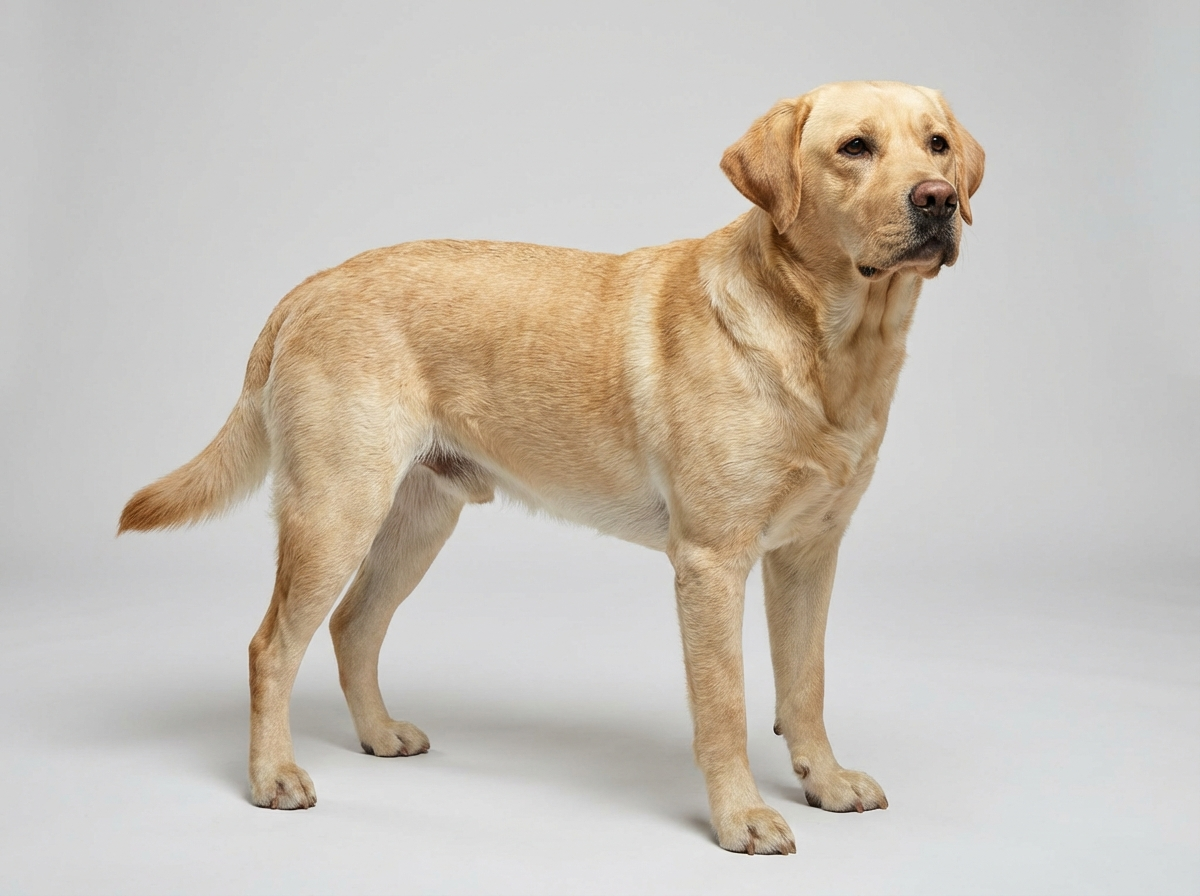
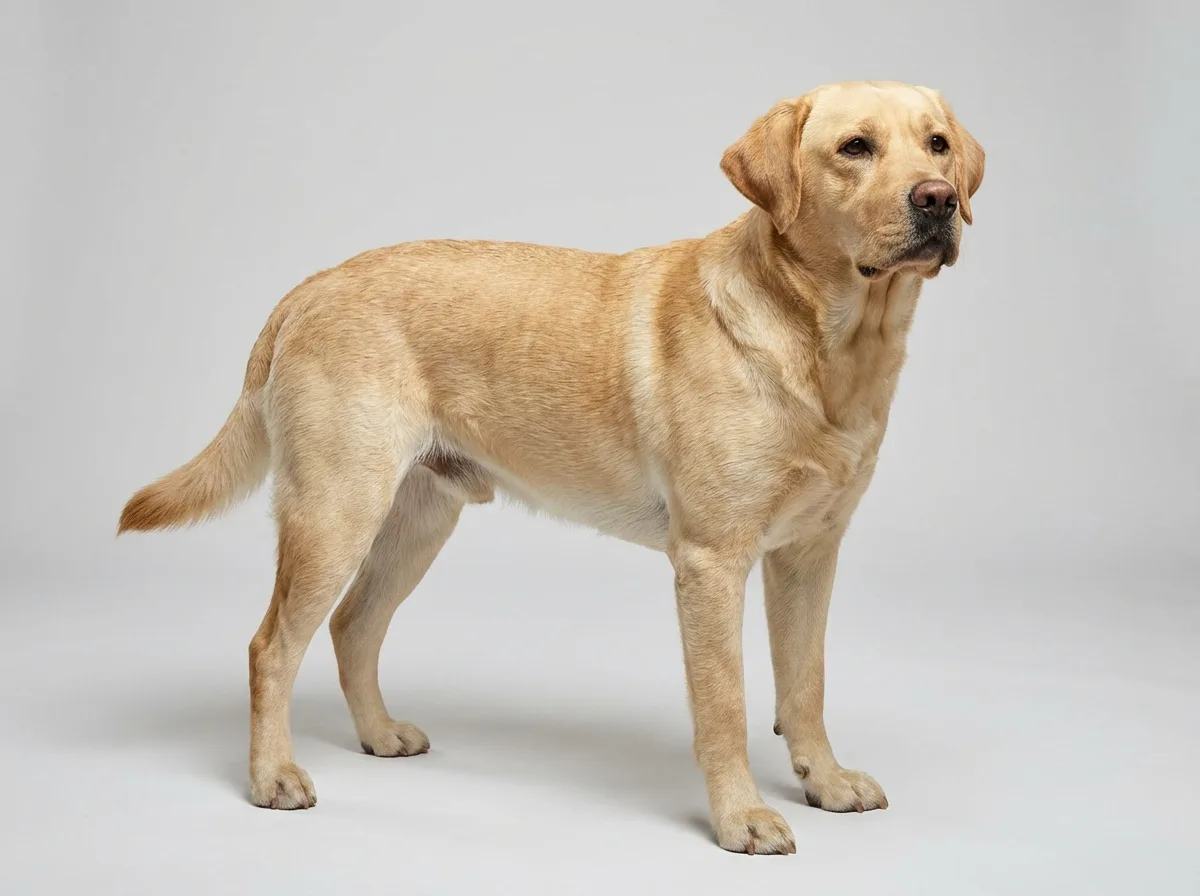
In this guide, we will explore various breeds known for their fast potty training abilities, such as the Labrador Retriever and Bichon Frise. We’ll also provide tips and techniques to ensure your training efforts are effective and efficient. Whether you’re a first-time dog owner or looking to add another furry friend to your family, knowing what to expect can help you make a more informed decision.
In summary, housebreaking is a vital part of dog ownership that affects both your lifestyle and your dog’s well-being. Learning about the easiest dogs to housebreak can empower you to choose a breed that fits your needs. The journey of housebreaking may be filled with ups and downs, but with the right knowledge and preparation, you can foster a clean and happy home for your new four-legged companion.
Step-by-Step Guide to Finding the Easiest Dogs to Housebreak
Finding the easiest dogs to housebreak involves research, planning, and patience. Here’s a step-by-step plan to help you through the process. Follow these steps to ensure a smoother experience with your new furry friend.

- 1. Research Breeds: Start by researching breeds known for being easy to housebreak, such as Labrador Retrievers, Shiba Inus, and Bichon Frises. Look for information on their temperament and intelligence.
- 2. Assess Your Living Situation: Consider your lifestyle and living environment. Ensure you have a suitable space for the breed you choose, including access to outdoor areas for potty breaks.
- 3. Create a Potty Schedule: Establish a consistent potty schedule for your dog. Take them out first thing in the morning, after meals, and before bed. Regular intervals help them learn faster.
- 4. Use Positive Reinforcement: Praise and reward your dog immediately after they potty outside. Use treats or verbal encouragement to reinforce good behavior.
- 5. Monitor Their Behavior: Keep an eye on your dog for signs they need to go out, such as sniffing or circling. Being attentive will help prevent accidents inside.
- 6. Set Up a Designated Potty Area: Designate a specific spot in your yard for potty breaks. This helps your dog associate that area with going to the bathroom.
- 7. Be Patient and Consistent: Understand that housebreaking takes time. Be consistent with your training and patient with your dog as they learn.
- 8. Troubleshoot Accidents: If accidents happen, avoid punishment. Instead, clean the area thoroughly and observe your dog’s behavior to adjust your training approach.
- 9. Consider Professional Help: If you're struggling with housebreaking, consider enrolling in a training class or hiring a professional trainer for guidance.
Common Mistakes in Housebreaking Dogs
Housebreaking your dog can be a challenging process, and many owners make mistakes that can prolong or complicate the training. Here are some common pitfalls and why they can backfire.

- Inconsistent Schedule: Not taking your dog out at the same times each day can confuse them. Dogs thrive on routine, and a consistent schedule helps them learn when to expect bathroom breaks.
- Ignoring Signs: Failing to recognize when your dog needs to go can lead to accidents. Look for signs such as sniffing, circling, or whining to take them out promptly.
- Punishing After the Fact: Scolding your dog for accidents that happened in the past does not help them learn. Instead, it may create fear or anxiety around potty training, making the situation worse.
- Not Rewarding Success: If you don’t celebrate your dog’s successes, they might not understand what behavior is desired. Positive reinforcement, like treats or praise, can motivate them to continue their good behavior.
- Using Inappropriate Cleaning Products: Using ammonia-based cleaners can attract dogs back to the same spot to relieve themselves. Use enzymatic cleaners designed to neutralize odors and discourage repeat accidents.
- Training Too Late: Waiting too long to start training can make it harder for your dog to learn. Starting housebreaking early, even with young puppies, sets a solid foundation for good habits.
- Overlooking Environmental Factors: Changes in the dog's environment, such as moving to a new home or changes in routine, can disrupt their potty training. Be mindful of how stress or new surroundings can affect their behavior.
Myths vs. Facts About the Easiest Dogs to Housebreak
Understanding the truth behind common myths about housebreaking can help you choose the right dog breed and set realistic expectations. Here are some prevalent myths and the facts that debunk them.

- Myth 1: Only small breeds are easy to housebreak. Fact: Many large breeds, like Labradors, can also be quick to train and are known for their intelligence.
- Myth 2: Puppies learn faster than adult dogs. Fact: While puppies are more eager to please, adult dogs can be trained just as effectively given patience and consistency.
- Myth 3: You can't housebreak a stubborn breed. Fact: Every breed can learn, but some may require more time and tailored methods for successful training.
- Myth 4: All dogs will potty train in a week. Fact: Housebreaking can take time, often weeks to months, depending on the dog and owner's consistency.
- Myth 5: Housebreaking is a one-time training process. Fact: Ongoing reinforcement is necessary to maintain good habits throughout a dog's life.
Advanced Tips for Housebreaking Success
Once you've got the basics down for the easiest dogs to housebreak, consider these advanced strategies to enhance your training success. These tips can help solidify your dog's potty training and strengthen your bond.
- Implement a consistent schedule: Set specific times for meals, potty breaks, and playtime. This routine helps your dog know when to expect potty breaks, making it easier for them to learn.
- Use positive reinforcement: Whenever your dog successfully goes outside, reward them with treats or praise. This encourages them to associate going outside with positive outcomes.
- Be patient and observant: Watch for signs that your dog needs to go out, such as sniffing around or circling. Being proactive can prevent accidents and reinforce good behavior.
- Introduce a designated potty area: Take your dog to the same spot each time for potty breaks. The familiar scent can help trigger the urge to go, solidifying their understanding of where to relieve themselves.
- Consider crate training: Dogs often avoid soiling their sleeping area. A crate can help teach your dog bladder control and establish a safe space.
Insider Secrets to Housebreaking Success
Housebreaking can be a challenge, but knowing some insider secrets can make it easier. Here are some expert tips to help you successfully housebreak your dog.
- Start Early: Begin housebreaking as soon as you bring your puppy home. The younger they are, the easier it is to instill good habits.
- Consistency is Key: Stick to a strict feeding schedule. This helps regulate your dog's bathroom needs and makes it easier to predict when they need to go outside.
- Use Positive Reinforcement: Always reward your dog with treats and praise immediately after they go outside. This reinforces good behavior and speeds up the process.
- Watch for Signs: Learn to recognize your dog's signals that they need to go out, such as sniffing around or whining. Acting promptly can prevent accidents.
- Limit Water Intake Before Bed: To reduce nighttime accidents, take away water a few hours before bedtime. This helps your dog hold it through the night.
Housebreaking Checklist for Easiest Dogs
Use this checklist to ensure a smooth housebreaking experience for your new dog. The right approach makes all the difference!
- Choose the right breed: Consider dogs known for being clean and smart, like Bichon Frises or Labrador Retrievers.
- Establish a routine: Take your dog outside at the same times each day to encourage regular bathroom habits.
- Use positive reinforcement: Reward your dog immediately after they potty outside to create a positive association.
- Monitor their signals: Pay attention to signs that your dog needs to go, like sniffing or circling.
- Limit freedom initially: Keep your dog in a smaller area of your home until they are reliably housebroken.
- Choose a designated bathroom spot: Consistently take your dog to the same spot outside to help them understand where to go.
- Be patient and consistent: Remember that accidents will happen, and consistency is key to success.
Frequently asked questions
Which dog potty trains fastest?
The easiest dogs to housebreak generally include breeds like the Labrador Retriever and the Bichon Frise. These dogs are known for their intelligence and eagerness to please, which can make the potty training process quicker and smoother. Consistent routines and positive reinforcement are key to success.
What are the hardest dogs to housebreak?
Some breeds, like the Shiba Inu and certain stubborn terriers, can be more challenging to housebreak. These dogs may require more patience, time, and consistent training methods. Understanding their unique personalities can help you adapt your approach to potty training.
What are some tips for housebreaking a dog?
To effectively housebreak your dog, establish a routine for bathroom breaks, reward them for going outside, and supervise them indoors to catch accidents early. Crate training can also be useful, as dogs naturally avoid soiling their sleeping area. Remember to be patient and consistent.
What makes a dog easy to potty train?
Breeds that are eager to please and quick learners tend to be easier to potty train. Smart breeds often pick up on cues faster and respond well to positive reinforcement. Additionally, dogs that naturally prefer clean environments will have an easier time understanding house training.
Can age affect how easily a dog is housebroken?
Yes, age can play a role in how quickly a dog is housebroken. Puppies are generally easier to train because they are learning everything for the first time, while older dogs may have established habits. However, with the right approach, any dog can be successfully housebroken.
Which dog breeds are the easiest to housebreak?
Some of the easiest dogs to housebreak include Bichon Frises, Labrador Retrievers, and Shiba Inus. These breeds are known for their intelligence and eagerness to please, which can make the potty training process smoother.
What are some tips for housebreaking a puppy?
To housebreak a puppy, establish a regular feeding schedule and take them outside frequently, especially after meals and naps. Use positive reinforcement, like treats and praise, when they go potty outside to reinforce good behavior.
Are there any breeds that are harder to housebreak?
Yes, some breeds, like bulldogs and stubborn terriers, may take longer to housebreak. Their independent nature can make them resistant to training, so patience and consistency are key.
How long does it typically take to housebreak a dog?
The time it takes to housebreak a dog can vary greatly, usually ranging from a few weeks to several months. Factors like the dog's age, breed, and your training consistency all play a significant role.
What should I do if my dog has accidents in the house?
If your dog has accidents indoors, avoid punishing them, as this can create fear and anxiety. Instead, clean the area thoroughly to remove any lingering odors and reinforce the training by taking them out more frequently.
Can adult dogs be housebroken successfully?
Absolutely! Adult dogs can be housebroken with the right approach. They may require more patience, but using established routines and consistent rewards can help them learn quickly.
What is the best way to reward a dog during potty training?
The best way to reward a dog during potty training is with immediate praise and a small treat right after they eliminate outside. This positive reinforcement helps them associate going outside with good things.