Easiest Dogs for Beginners: Top User-Friendly Breeds
Are you thinking about getting your first dog? This guide will help you find the easiest dogs for beginners, ensuring a smooth start to your pet ownership journey.
Understanding the Easiest Dogs for Beginners
Choosing the right dog can be a challenging and emotional decision, especially for first-time pet owners. Understanding the easiest dogs for beginners is crucial because it can set the tone for a successful and joyful experience. The right dog not only fits your lifestyle but also helps you avoid common pitfalls associated with dog ownership, making it a rewarding journey instead of a stressful one.
Why Choosing the Right Dog Matters
Selecting a user-friendly breed can lead to a smoother transition into dog ownership. Many novice owners may not realize that certain breeds are more adaptable and easier to train than others. By opting for breeds that are known to be starter dogs, you can reduce anxiety for both you and your new furry friend, leading to a happier household.

What to Consider When Choosing a Dog
When looking for a dog, consider factors like energy level, size, and temperament. Some breeds are naturally more laid-back and easier to train, making them ideal for novice owners. Additionally, think about your living situation and lifestyle. If you live in an apartment, a smaller breed may suit you better, while a more active household might be fine with a larger dog.

Top Breeds for Beginners
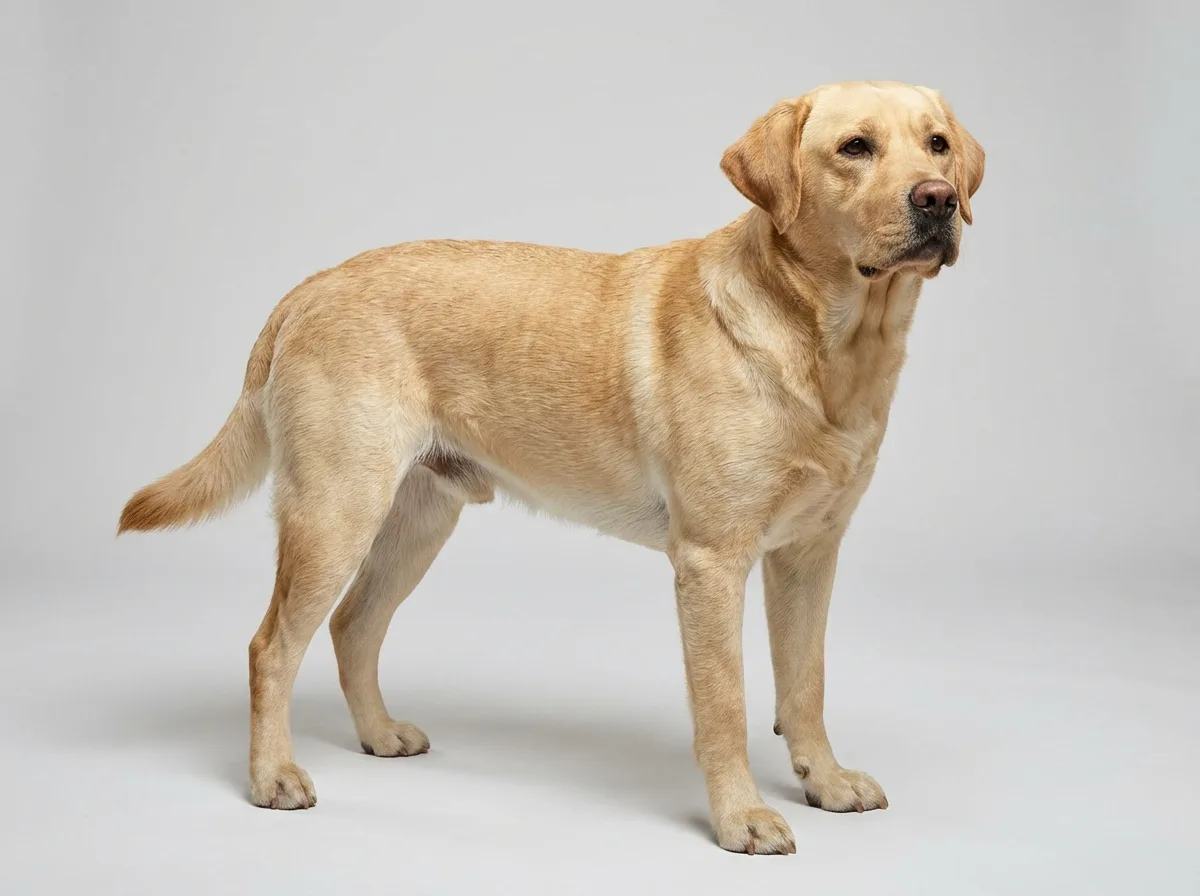
Here are some popular breeds known to be the easiest dogs for beginners: <br/>1. Labrador Retriever <br/>2. Bichon Frise <br/>3. Papillon <br/>These breeds are known for their friendly nature, trainability, and adaptability to different living situations.

- Labrador Retriever
- Bichon Frise
- Papillon
Common Mistakes to Avoid with Your First Dog
New dog owners often make mistakes like neglecting training or not considering the dog's needs. It's essential to start training early and understand the specific requirements of your chosen breed. Avoiding these common pitfalls can lead to a more harmonious relationship with your dog.
Step-by-Step Plan for Choosing the Easiest Dogs for Beginners
Selecting the right dog can be overwhelming, especially for first-time owners. Follow these practical steps to find the perfect starter dog for your lifestyle. This guide will help you make informed decisions and avoid common pitfalls.
- 1. Assess Your Lifestyle: Consider your daily routine, living situation, and activity level. Are you home often, or do you travel frequently? Understanding your availability will help you choose a dog that fits your life.
- 2. Research User-Friendly Breeds: Look into breeds known for being easy to train and good with families. Popular starter dogs include Labrador Retrievers, Bichon Frises, and Papillons. Make a list of breeds that appeal to you.
- 3. Visit Local Shelters: Spend time at animal shelters to meet different dogs. This hands-on approach allows you to see their personalities and energy levels. You might find a perfect match that isn’t on your list.
- 4. Evaluate Your Home Environment: Make sure your living space is suitable for a dog. Consider factors like size, yard space, and safety. Ensure your home can accommodate a pet comfortably.
- 5. Prepare Your Budget: Calculate the costs of dog ownership, including food, grooming, vet visits, and supplies. Simple dog ownership means being financially ready for these ongoing expenses.
- 6. Gather Supplies: Purchase essential items like food, a leash, a bed, and toys before bringing your dog home. Having these ready will help your new pet feel comfortable right away.
- 7. Set Up a Routine: Establish a daily schedule for feeding, walks, and training. Dogs thrive on routine, and this will help your new pet adjust more easily.
- 8. Start Training Early: Invest time in basic training and socialization. Teaching commands and exposing your dog to new experiences will help them become well-behaved companions.
- 9. Seek Professional Help if Needed: If you're struggling with training or behavior issues, consider enrolling in a training class. Professional guidance can make a huge difference.
- 10. Enjoy the Process: Take the time to bond with your new dog. Enjoying walks, playtime, and training sessions will create a strong bond and a rewarding experience.
Common Mistakes When Choosing the Easiest Dogs for Beginners
Selecting the right dog is crucial, especially for first-time owners. Here are some common mistakes that can lead to frustration and heartache.
- Not researching breed traits thoroughly
- Underestimating exercise needs
- Ignoring training requirements
- Choosing a dog based on looks alone
- Neglecting health care costs
- Failing to consider lifestyle compatibility
- Overlooking behavioral issues in rescue dogs
Common Myths About Easiest Dogs for Beginners
There are many misconceptions about the easiest dogs for beginners. Let's debunk a few common myths and reveal the truths that can help new dog owners make informed choices.
- Myth: Smaller dogs are easier to train than larger dogs.
- Myth: All breeds are the same when it comes to care and training.
- Myth: You should only adopt puppies for the best experience.
- Myth: Easiest dogs for beginners don’t need much exercise.
- Myth: You can train a dog solely with positive reinforcement.
Advanced Tips for Choosing the Easiest Dogs for Beginners
Once you've narrowed down your options for the easiest dogs for beginners, consider these advanced tips to ensure you make the best choice for your lifestyle and needs.
- Evaluate Your Lifestyle: Think about your daily schedule and activity level. Some breeds may require more exercise than you can provide. Choose a dog that fits your routine.
- Socialization is Key: Early socialization is crucial for any dog. Introduce your new pet to various people, pets, and environments to help them become well-adjusted.
- Training Techniques: Use positive reinforcement methods. This will help your dog learn effectively while building a bond between you two. Consider enrolling in classes for guidance.
- Understand Breed Traits: Research the personality traits of specific breeds. For example, Labrador Retrievers are known to be friendly, while Bichon Frises are often more playful.
- Prepare Your Home: Dog-proof your space before bringing your dog home. Keep harmful items out of reach and create a safe, welcoming environment.
Insider Secrets for Choosing the Easiest Dogs for Beginners
Choosing the right dog as a beginner can feel overwhelming. Here are some insider secrets to help you navigate the decision more easily and successfully.
- Look beyond the breed: While certain breeds like Labrador Retrievers and Bichon Frises are known for being user-friendly, individual personality matters. Spend time with the dog before committing.
- Consider age: Puppies require a lot of time and energy for training. An adult dog may already have basic training, making it easier for first-time owners.
- Assess your living situation: Some breeds thrive in apartments while others need space to roam. Make sure the dog fits your lifestyle and home environment.
- Training resources: Invest in training classes or resources. Many beginner-friendly dogs still need guidance to develop good habits and behaviors.
- Adoption benefits: Adopting from a shelter not only saves a life but often comes with a support system. Many shelters offer training and resources for new pet owners.
Checklist for Choosing the Easiest Dogs for Beginners
Use this checklist to help you select the best dog for your lifestyle as a beginner dog owner.
- Assess your living situation (apartment, house, yard size).
- Consider your activity level (active lifestyle vs. relaxed).
- Research breeds known for being user friendly.
- Look for dogs with lower grooming and training needs.
- Check breed energy levels to match your daily routine.
- Visit local shelters for mixed breeds that may fit your needs.
- Plan for initial costs, including food, vet visits, and supplies.
- Prepare your home with necessary dog-proofing.
- Consider adopting an older dog that’s already trained.
- Join owner communities or online forums for support.
Frequently asked questions
What are the top 10 easiest dogs for beginners?
The top 10 easiest dogs for beginners typically include breeds like Labrador Retrievers, Bichon Frises, and Papillons. These breeds are known for their friendly nature, trainability, and adaptability. Choosing one of these user-friendly breeds can make your first dog ownership experience much smoother.
What dog should a novice get?
A novice should consider getting a dog that is known for being easy to train and friendly. Breeds like the Golden Retriever, Beagle, and Cavalier King Charles Spaniel are often recommended for first-time owners. These dogs are generally good with families and adjust well to various living situations.
What mistakes should I avoid with my first dog?
Common mistakes to avoid with your first dog include not researching the breed's needs and failing to establish a routine. It's also important to avoid skipping training sessions, as consistency is key. Lastly, don’t overlook socialization; introducing your dog to different environments and people is crucial for their development.
How do I choose the best first-time pet?
To choose the best first-time pet, consider your lifestyle, living situation, and the time you can dedicate to training and exercise. Look for breeds that match your activity level and family dynamics. Starter dogs that are low-maintenance and friendly will help ensure a positive experience.
Are there any dog breeds that are particularly good for families?
Yes, some dog breeds are particularly good for families, including Labrador Retrievers, Beagles, and Boxers. These breeds are usually patient, playful, and very social, making them ideal companions for children. Always consider the breed's temperament and energy level when selecting a family dog.
What are the top 10 dogs for beginners?
The top 10 dogs for beginners include Labrador Retrievers, Bichon Frises, and Papillons. These breeds are known for being friendly, trainable, and adaptable, making them great starter pets. Other popular options are Golden Retrievers, Beagles, and Cavalier King Charles Spaniels.
What dog should a novice get?
A novice should consider breeds that are known for being user-friendly and easy to care for. Breeds like the Labrador Retriever or Bichon Frise are great choices due to their gentle nature and trainability. It's essential to match the breed with your lifestyle and activity level.
What mistakes should I avoid with my first dog?
Common mistakes include not doing enough research on the breed's needs or overestimating your time commitment. Skipping basic training can also lead to behavior issues later. Always ensure you're prepared for the responsibility of dog ownership before bringing a new pet home.
How do I choose the right starter dog for my family?
Consider your family's lifestyle, activity level, and any allergies. Look for breeds that are known for being good with children and adaptable to various living situations. Meeting a few dogs in person can also help you gauge their temperament and fit for your family.
Are there any breeds that are particularly good for apartment living?
Yes, breeds like the Bichon Frise and Papillon are excellent for apartment living due to their smaller size and lower exercise needs. Other breeds that adapt well to small spaces include French Bulldogs and Cavalier King Charles Spaniels. Always ensure they get regular walks and playtime.
What are some easy breeds for first-time owners?
Easy breeds for first-time owners include Labrador Retrievers, Bichon Frises, and Shih Tzus. These dogs are generally friendly, affectionate, and trainable, making them ideal for novice pet parents. Always consider your living situation and lifestyle when choosing a breed.
How much time should I dedicate to training my first dog?
Training should be a daily commitment, especially for first-time owners. Aim for at least 15-30 minutes of focused training sessions each day. Consistency is key, and incorporating training into playtime can make it enjoyable for both you and your dog.