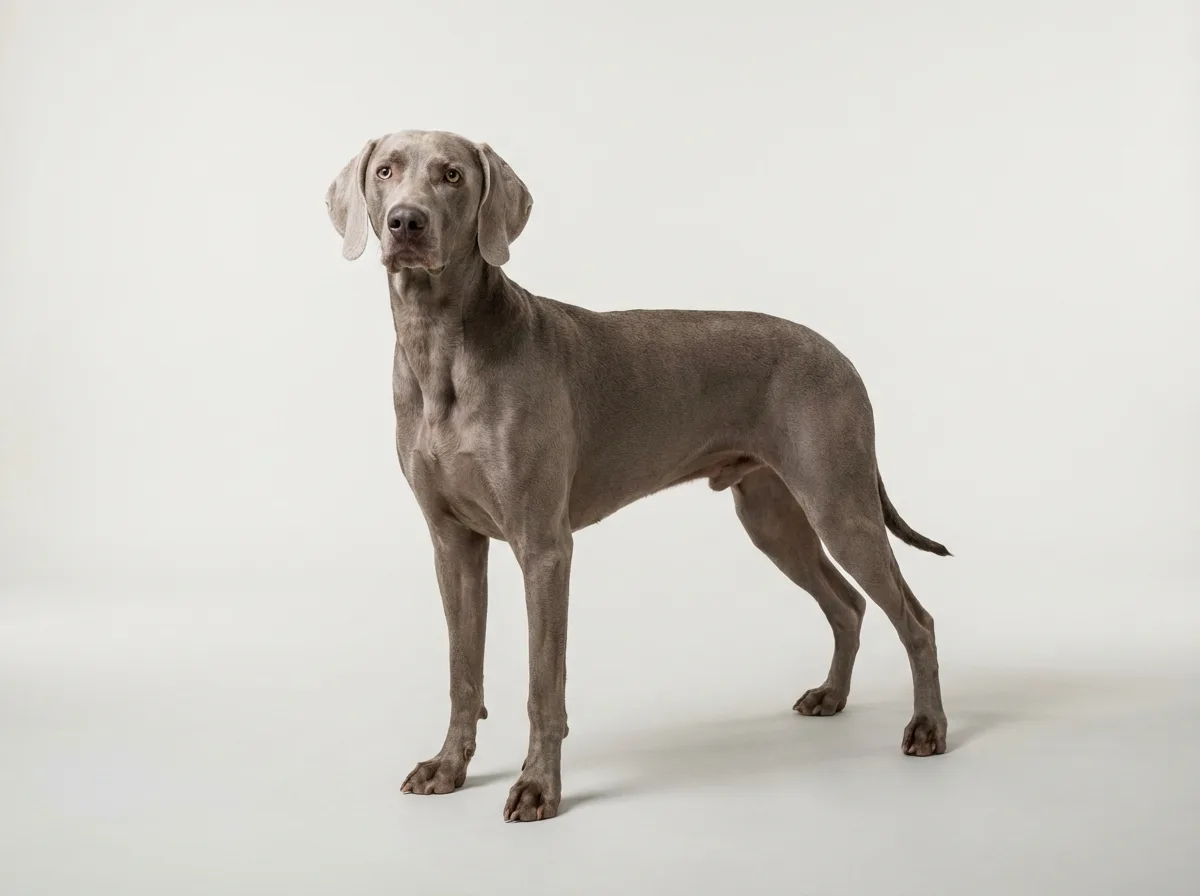
Dogs with Short Coats: A Guide to Low-Maintenance Breeds
Looking for a furry friend with a low-maintenance grooming routine? This guide to dogs with short coats will help you find the perfect breed for your home.
Understanding Dogs with Short Coats
Dogs with short coats can be a great choice for many families and individuals. These sleek pets often require less grooming than their long-haired counterparts, making them appealing for those who want a low-maintenance companion. However, it's essential to understand the unique traits and potential challenges associated with short hair dogs before making a decision.
What Are Short Coat Breeds?
Short coat dogs, or smooth coat breeds, have hair that lies flat against their skin. Common examples include the Weimaraner, Vizsla, and Dalmatian. These breeds are often praised for their sleek appearance and ease of care, making them attractive options for busy lifestyles. Understanding the characteristics of these dogs can help you choose a breed that fits your family’s needs.
Benefits of Choosing Short Hair Dogs
There are several reasons why short-haired dogs might be the perfect fit for you. Here are some key benefits:
- Less grooming required compared to long-haired breeds.
- Tend to shed less fur, making clean-up easier.
- Ideal for warmer climates due to their lighter coat.
Challenges of Short Coated Breeds
While short-haired dogs have many advantages, they also come with some challenges. Here are a few considerations:
- May require more sunscreen and protection from sunburn.
- Some breeds can be prone to skin issues due to less fur.
- They may feel colder in winter months compared to long-haired breeds.
Making the Right Choice
When considering dogs with short coats, weigh the benefits against the challenges. Each breed has unique traits and needs. Research breeds like the Weimaraner or Dalmatian, and think about your lifestyle. With the right information, you can find a furry friend that fits seamlessly into your life.
Step-by-Step Guide for Choosing Dogs with Short Coats
If you're considering bringing home a dog with a short coat, follow these practical steps to make the best choice for your lifestyle and needs.
- 1. Research Short Hair Dogs: Start by learning about various short hair dog breeds. Look into their temperaments, energy levels, and grooming needs. Breeds like the Vizsla, Weimaraner, and Dalmatian are popular options.
- 2. Assess Your Lifestyle: Consider your daily routine and living situation. Do you have the time and space for an active dog? Make sure the breed you choose fits your lifestyle, whether you’re active or prefer a more laid-back companion.
- 3. Visit Local Shelters or Breeders: Spend time meeting dogs at local shelters or reputable breeders. Observe their behavior and see which dog resonates with you. This hands-on experience is essential for finding a good match.
- 4. Check for Allergies: If you or someone in your home has allergies, spend time around short-coated dogs to see if there are any reactions. Some breeds may be more suitable for allergy sufferers than others.
- 5. Evaluate Training and Socialization Needs: Determine the training requirements of the breed you’re considering. Short hair dogs can still have different temperaments and may require varying levels of training and socialization.
- 6. Understand Grooming Needs: Research the grooming requirements for each breed. Most short coat breeds are easier to groom, but some may need regular bathing or brushing to minimize shedding.
- 7. Calculate Ownership Costs: Consider the total cost of owning a dog, including food, grooming, vet visits, and supplies. Research estimates for your chosen breed to ensure you're financially prepared.
- 8. Create a Safe Home Environment: Before bringing your dog home, make sure your living space is safe and welcoming. Remove hazards and set up a comfortable space for your new pet.
- 9. Plan for Training: Enroll in training classes or set aside time to train your dog at home. Early training helps create a well-behaved companion and strengthens your bond.
- 10. Prepare for Adjustment: Understand that it may take time for your new dog to adjust. Be patient and give them the love and support they need to feel at home.
Common Mistakes with Dogs with Short Coats
Owning a dog with a short coat can be a rewarding experience, but there are common mistakes that many owners make. These errors can lead to problems down the road, affecting both the dog's well-being and the owner's satisfaction. Here are some frequent pitfalls to avoid.
- Neglecting Sun Protection: Many owners forget that short-haired dogs can get sunburned just like humans. It’s crucial to apply pet-safe sunscreen or limit sun exposure during peak hours to prevent skin damage.
- Overlooking Hydration Needs: Short coat dogs may not show signs of overheating as clearly as longer-haired breeds. Always ensure your dog has access to fresh water and a cool place to relax, especially in hot weather.
- Skipping Regular Vet Check-ups: Some owners assume that short-haired dogs are less prone to skin issues. Regular vet visits are essential for catching any potential problems early, regardless of coat length.
- Ignoring Grooming Needs: While short-haired breeds often require less grooming, they still need regular brushing to remove loose hair and dirt. Skipping this can lead to skin irritations and a dull coat.
- Underestimating Shedding: Short coat dogs can shed just as much as long-haired breeds. Being prepared with the right cleaning supplies and grooming tools will help manage shedding and keep your home clean.
- Not Training Consistently: Short coat breeds are often energetic and strong-willed. Inconsistent training can lead to behavioral problems, making it essential to establish clear rules from the start.
- Choosing the Wrong Environment: Some short-haired breeds thrive in specific climates. Failing to consider your living situation, like city noise or climate conditions, can lead to anxiety or discomfort for your pet.
Debunking Myths About Dogs with Short Coats
There are many misconceptions about dogs with short coats. Let's clear up some common myths and reveal the facts behind them. Understanding these realities can help you make better decisions about adding a short-haired dog to your family.
- Myth: Short hair dogs are hypoallergenic.
- Myth: Dogs with short coats don't need grooming.
- Myth: Smooth coat breeds are less affectionate.
- Myth: Short-haired dogs are more prone to skin problems.
- Myth: All short coat dogs are low-energy.
Advanced Tips for Caring for Dogs with Short Coats
While dogs with short coats, like the Vizsla and Dalmatian, are often praised for their low grooming needs, there are some advanced care tactics to consider. Understanding their skin health, exercise requirements, and environmental adaptability can enhance your relationship with your sleek pet. Here are some tips to elevate your care routine beyond the basics.
Exercise and Environmental Considerations
Short coat dogs often thrive on regular exercise and a well-suited environment. Understanding their specific needs can help prevent boredom and behavioral issues. Here are some advanced tips to consider.
Socialization and Training for Short Coat Dogs
Socializing and training your short coat dog properly can lead to a well-adjusted pet. Start early and be consistent in your approach. Here are some advanced strategies.
Insider Secrets for Choosing Dogs with Short Coats
When considering dogs with short coats, there are some lesser-known insights that can help you make the best choice for your lifestyle and preferences. Here are a few expert tips to guide you.
- Consider climate compatibility: Dogs with short coats typically do better in warmer climates. Breeds like the Vizsla or Weimaraner can thrive in hot weather, but may struggle in colder areas without proper care.
- Look into shedding patterns: While many believe all short hair dogs shed less, some breeds, like the Dalmatian, can shed quite a bit. Understanding the shedding patterns will help you manage your cleaning routine better.
- Watch for skin sensitivity: Short-coated breeds often have skin that is more exposed to elements. Regular check-ups and proper skincare can prevent issues like sunburn or allergies.
- Select based on activity level: Dogs with short coats, such as the Vizsla, are often energetic and require a good amount of exercise. Make sure their energy aligns with your lifestyle.
- Grooming isn't just about brushing: Even easy grooming dogs need regular baths to keep their skin healthy. A proper cleaning routine can make all the difference in maintaining their coat's sheen.
Checklist for Choosing and Caring for Dogs with Short Coats
This checklist will help you decide if a dog with a short coat is the right fit for your lifestyle and how to care for them.
- Research short hair dog breeds like Vizslas, Weimaraners, and Dalmatians.
- Consider your living situation: Do you have enough space for an active breed?
- Evaluate your time for grooming—short coats typically require less maintenance.
- Check for any allergies in your household; some short-haired dogs can still shed.
- Think about exercise needs; many short coat breeds are energetic and need regular activity.
- Plan for regular vet check-ups to keep your dog healthy.
- Prepare your home with a comfortable bed and safe space for your dog to relax.
- Consider training classes for socialization and obedience, especially if your dog is energetic.
- Invest in quality pet food to support their health and coat condition.
- Set aside time for play and bonding to strengthen your relationship with your dog.
Frequently asked questions
What are the best short hair family dogs?
Some of the best short hair family dogs include the Vizsla, Weimaraner, and Dalmatian. These breeds are known for their friendly nature and adaptability to family life. They also tend to be easier to manage when it comes to grooming.
Do short hair dogs shed?
Yes, short hair dogs do shed, but the amount can vary by breed. Breeds like the Dalmatian may shed more than others. Regular grooming can help manage shedding and keep your home cleaner.
What are low maintenance short coat breeds?
Low maintenance short coat breeds include those like the Beagle and Boxer. These dogs require less grooming and are generally easier to care for. However, they still need regular exercise and attention.
Are dogs with short coats good for allergies?
While no dog is completely hypoallergenic, short coat breeds can be better for allergy sufferers. They tend to trap less dander and hair in their coats. It's best to spend time with a breed before making a decision.
What are the benefits of owning smooth coat breeds?
Smooth coat breeds are often easier to groom and maintain. They typically require less bathing and brushing than long-haired breeds. Plus, their sleek appearance can be quite appealing!
What are the best short hair family dogs?
Some of the best short hair family dogs include the Vizsla, Weimaraner, and Dalmatian. These breeds are known for their friendly temperaments and good nature around kids. They also require less grooming compared to long-haired breeds, making them ideal for busy families.
Do short hair dogs shed a lot?
Short hair dogs do shed, but the amount can vary by breed. For example, breeds like the Dalmatian may shed more than others. Regular brushing can help manage shedding and keep your home cleaner.
What are some low maintenance short coat breeds?
Low maintenance short coat breeds include the Beagle, Boxer, and Boston Terrier. These dogs typically require less grooming and are easier to care for compared to long-haired dogs. This makes them great choices for first-time dog owners.
Are short hair dogs good for people with allergies?
While no dog is truly hypoallergenic, some short hair dogs may be better for allergy sufferers. Breeds like the Basenji and Italian Greyhound produce less dander. However, it's important to spend time with a breed before deciding if they trigger allergies.
How do I choose the right short coat breed for my lifestyle?
Consider your lifestyle, home environment, and activity level when choosing a short coat breed. Active families may prefer energetic breeds like the Vizsla, while more relaxed households might enjoy a calm breed like the Bulldog. Always research breed temperaments to find the best fit.
What health issues are common in short coat breeds?
Short coat breeds can still face health issues, though they may vary by breed. Common concerns include skin conditions and hip dysplasia in breeds like the Boxer. Regular vet check-ups and a healthy diet can help mitigate some health risks.
Can I train short hair dogs easily?
Yes, many short hair dogs are intelligent and eager to please, making training straightforward. Breeds like the Weimaraner are known for their trainability. Consistent positive reinforcement is key to successful training.