The Ultimate Guide to Dogs with Low Shedding Coats
If you're searching for dogs with low shedding coats, this guide is for you. Discover hypoallergenic breeds that keep your home clean and your allergies at bay.
Understanding Dogs with Low Shedding Coats
If you're considering adding a dog to your family, understanding breeds with low shedding coats is essential. Many people struggle with allergies or simply prefer a cleaner home, making hypoallergenic dogs and low dander dogs appealing options. This guide will help you explore why these breeds might be the right fit for you and your lifestyle.
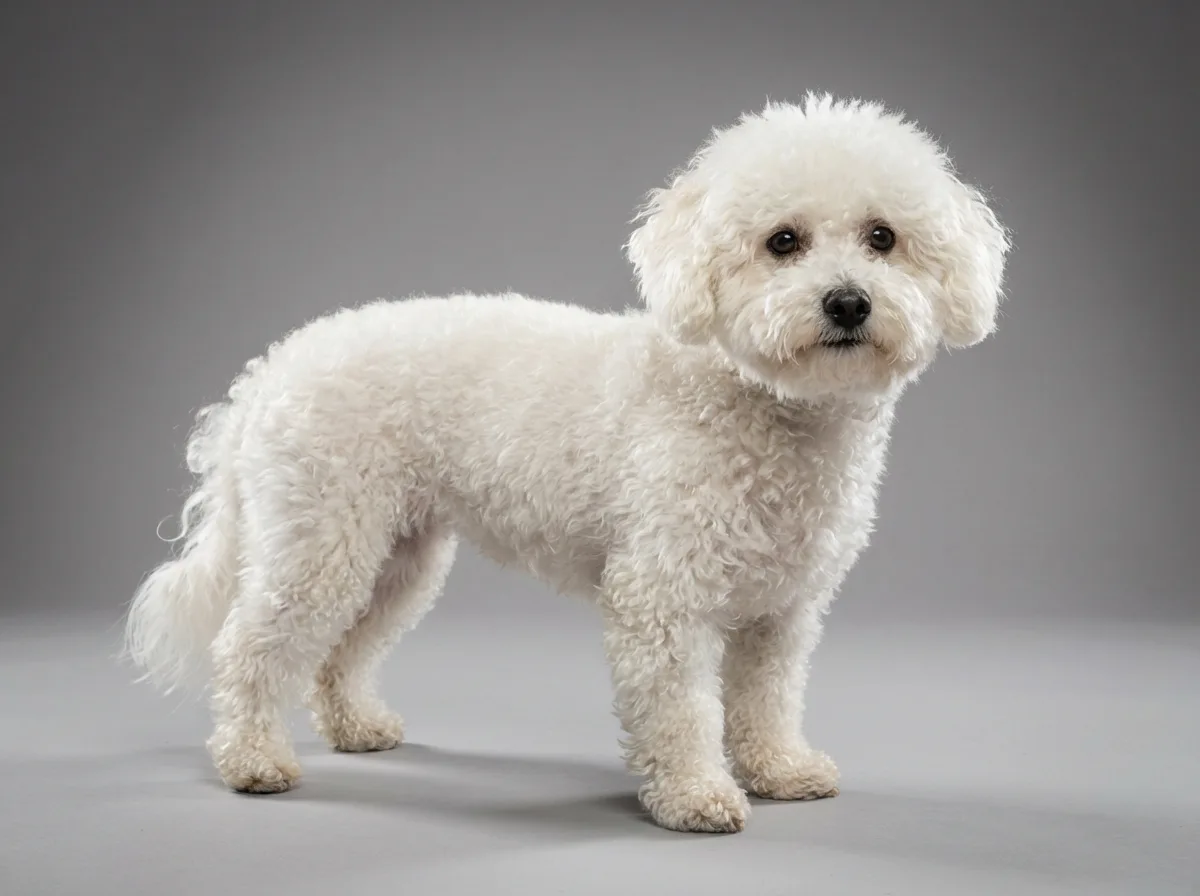
Dogs with low shedding coats can significantly reduce the amount of hair and dander in your home. This not only makes cleaning easier but also creates a healthier environment for those with allergies. Breeds like Poodles, Schnauzers, and Bichon Frises are known for their minimal shedding and are often recommended for allergy sufferers. While no dog is completely hypoallergenic, these breeds produce fewer allergens, making them a better choice for sensitive individuals.
When choosing a dog, consider your living situation, the time you can dedicate to grooming, and the breed's energy level. Low shedding dogs often require regular grooming to maintain their coats and minimize loose hair. If you're willing to invest time in grooming, you can enjoy the companionship of a dog without the constant battle against shedding.
In this guide, we’ll delve into the characteristics of low shedding breeds, their grooming needs, and the overall benefits of welcoming one into your home. Understanding the unique traits of these dogs will empower you to make informed decisions and find the perfect furry friend.
We will also address common questions, such as which dogs shed the least, and if there are large low shedding dogs available. This way, you can find a dog that fits your size preferences while still enjoying the benefits of a clean coat. With the right knowledge, you can confidently choose a dog that aligns with your lifestyle and helps maintain a clean living space.
Step-by-Step Plan for Choosing Dogs with Low Shedding Coats
If you're looking for dogs with low shedding coats, follow these practical steps to find the right fit for your home. This guide will help you navigate the process smoothly.
- 1. Research Low Shedding Breeds: Start by exploring breeds known for minimal shedding, like Poodles, Schnauzers, and Bichon Frises. Make a list of breeds that appeal to you.
- 2. Assess Your Living Situation: Consider your home environment. Do you have enough space? Some low shedding breeds thrive in apartments, while others need room to roam.
- 3. Check Allergies: If allergies are a concern, look for hypoallergenic dogs. These breeds often produce less dander, making them suitable for sensitive owners.
- 4. Review Grooming Needs: Understand the grooming requirements for your chosen breeds. Low shedding dogs often need regular grooming to maintain their coats and minimize loose hair.
- 5. Visit Local Shelters or Breeders: Once you've narrowed down your choices, visit shelters or reputable breeders. This will give you a feel for the dogs' personalities.
- 6. Meet Potential Dogs: Spend time with potential pets to see how they interact with you and your family. This is crucial for ensuring a good match.
- 7. Ask About Health History: Whether adopting or buying, inquire about the dog's health background. Knowing any pre-existing conditions can help you prepare for future veterinary care.
- 8. Prepare Your Home: Before bringing your new dog home, make your space comfortable and safe. Remove hazards and set up a designated area for your dog.
- 9. Plan for Training: Consider how you'll train your new dog. Low shedding breeds may also require specific training approaches due to their intelligence and energy levels.
- 10. Enjoy Your New Companion: Finally, embrace the journey of dog ownership. Spend quality time with your dog as you both adjust to your new life together.
Common Mistakes When Choosing Dogs with Low Shedding Coats
Understanding the common pitfalls can help you make a better decision when selecting low shedding dogs. Here are some mistakes to avoid.
- Assuming all low shedding dogs are hypoallergenic
- Neglecting grooming needs
- Choosing solely based on shedding levels
- Not considering the dog's energy levels
- Ignoring potential health issues
- Underestimating training requirements
Myths vs. Facts About Dogs with Low Shedding Coats
Understanding the truth behind common myths can help you make informed decisions about adopting a dog with a low shedding coat. Here are some prevalent myths and the facts that debunk them.
- Myth: All dogs that shed less are hypoallergenic.
- Myth: Low shedding dogs require no grooming.
- Myth: Low shedding breeds are always small.
- Myth: Low shedding means no dander at all.
Advanced Tips for Choosing Dogs with Low Shedding Coats
If you're considering dogs with low shedding coats, here are some advanced tips to help you make the best choice. Understanding grooming needs, health considerations, and environment can enhance your experience with these breeds.
First, consider the grooming routine for low shedding dogs. Even though breeds like Poodles and Bichon Frises shed minimally, they require regular grooming to prevent matting. Investing in a high-quality grooming tool can make a significant difference in maintaining their coat health. Schedule regular grooming sessions, ideally every 4-6 weeks, to keep their fur looking its best.
Next, pay attention to health factors. Some low shedding breeds are prone to specific health issues. For example, Poodles can be susceptible to hip dysplasia. Ensure you choose a responsible breeder who tests for genetic conditions. Regular vet check-ups can help catch any health problems early.
Another important aspect is your living environment. If you live in a small apartment, breeds like the Schnauzer or Bichon Frise are excellent choices. They adapt well to smaller spaces and require less exercise than larger breeds. If you have a yard, consider a larger low shedding breed, but ensure they get enough exercise to stay healthy.
Additionally, consider the energy levels of low shedding breeds. Some, like the Standard Poodle, are quite energetic and need daily exercise. Others may be more laid-back. Match the dog’s energy level to your lifestyle for a harmonious relationship.
Lastly, if allergies are a concern, take the time to spend with the breed you are considering. Hypoallergenic does not mean allergy-free, so it's wise to spend time around these dogs to see how your allergies react. This hands-on approach can guide you in making an informed decision about which breed fits your needs best.
Insider Secrets for Choosing Dogs with Low Shedding Coats
When considering dogs with low shedding coats, there are some insider secrets that can help you make an informed choice. These insights go beyond the basics and can significantly enhance your experience as a dog owner.
- Grooming frequency matters more than coat type.
- Diet plays a key role in coat health.
- Environmental factors influence shedding levels.
- Age and size can affect shedding patterns.
- Regular veterinary check-ups are crucial.
Checklist for Choosing Dogs with Low Shedding Coats
Use this checklist to find the perfect dog with a low shedding coat. These steps will help you make an informed decision and enjoy a cleaner home.
- Research hypoallergenic breeds like Poodles and Schnauzers.
- Consider the grooming needs of low shedding dogs.
- Evaluate your living situation for space and activity level.
- Check for any allergies in your household.
- Visit local shelters or breeders to meet potential dogs.
- Ask about the dog's history and temperament.
- Plan for regular grooming to maintain a clean coat.
- Invest in cleaning supplies for easy maintenance.
Frequently asked questions
Which dogs shed the least?
Dogs with low shedding coats include breeds like Poodles, Schnauzers, and Bichon Frises. These breeds typically release less hair than others, making them a good choice for people who prefer cleaner homes. Keep in mind that while these dogs shed less, they still require regular grooming.
Are there large low shedding dogs?
Yes, there are several larger dog breeds with low shedding coats. Breeds like the Standard Poodle and the Portuguese Water Dog are both larger options that shed minimally. These dogs are great for families who want a bigger companion without the constant vacuuming.
What are hypoallergenic dogs?
Hypoallergenic dogs are breeds that are less likely to cause allergic reactions in sensitive individuals. Many dogs with low shedding coats fall into this category, as they produce less dander and hair. However, it's important to remember that no dog is completely hypoallergenic.
How do I groom low shedding dogs?
Grooming low shedding dogs typically involves regular brushing to remove any loose hair and prevent matting. Bathing them occasionally with a good quality dog shampoo can also help maintain their coat health. Always consult your groomer or vet for specific grooming needs based on the breed.
What are the benefits of low dander dogs?
Low dander dogs, such as those with low shedding coats, can be better for allergy sufferers and those wanting a cleaner home. They tend to produce less dander, which is often the main trigger for allergies. Additionally, these dogs can make it easier to keep your living space tidy.
What are the most common dogs with low shedding coats?
Some popular low shedding breeds include Poodles, Schnauzers, and Bichon Frises. These breeds are known for their minimal shedding and are often considered hypoallergenic, making them great for allergy sufferers.
Are there large low shedding dogs available?
Yes, there are several larger breeds that shed minimally. Breeds like the Portuguese Water Dog and the Standard Poodle can be great options for those looking for a larger, low shedding dog.
How often do I need to groom low shedding dogs?
Low shedding dogs typically require regular grooming to keep their coats healthy and free from mats. Depending on the breed, this could mean brushing several times a week and scheduling professional grooming every few months.
Do low shedding dogs still produce dander?
Yes, while low shedding dogs may produce less dander, they are not completely dander-free. If you have allergies, it’s important to spend time with a breed before bringing one home to see how you react.
Can low shedding dogs be left alone for long periods?
While many low shedding breeds can tolerate some alone time, they generally thrive on companionship and may suffer from separation anxiety if left alone too long. It's best to gradually train them to be comfortable alone.
What are the benefits of having a low shedding dog?
Low shedding dogs can be easier to manage in homes, especially for those with allergies. They often require less cleaning, and their coats can be less messy than those of high shedding breeds.
Are low shedding dogs guaranteed to be hypoallergenic?
Not all low shedding dogs are truly hypoallergenic, as individual reactions can vary. It's important to research specific breeds and spend time with them to determine if they trigger allergies.